
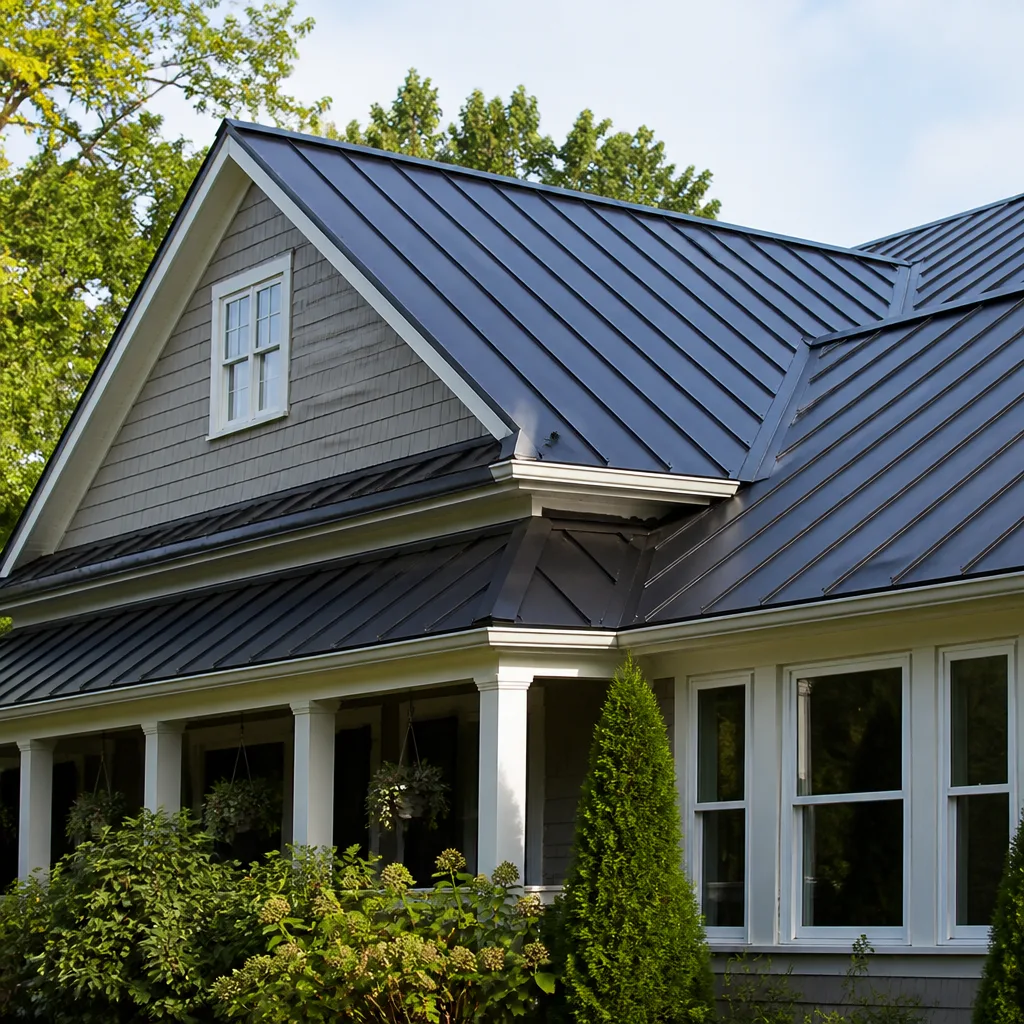
 Metal roofing
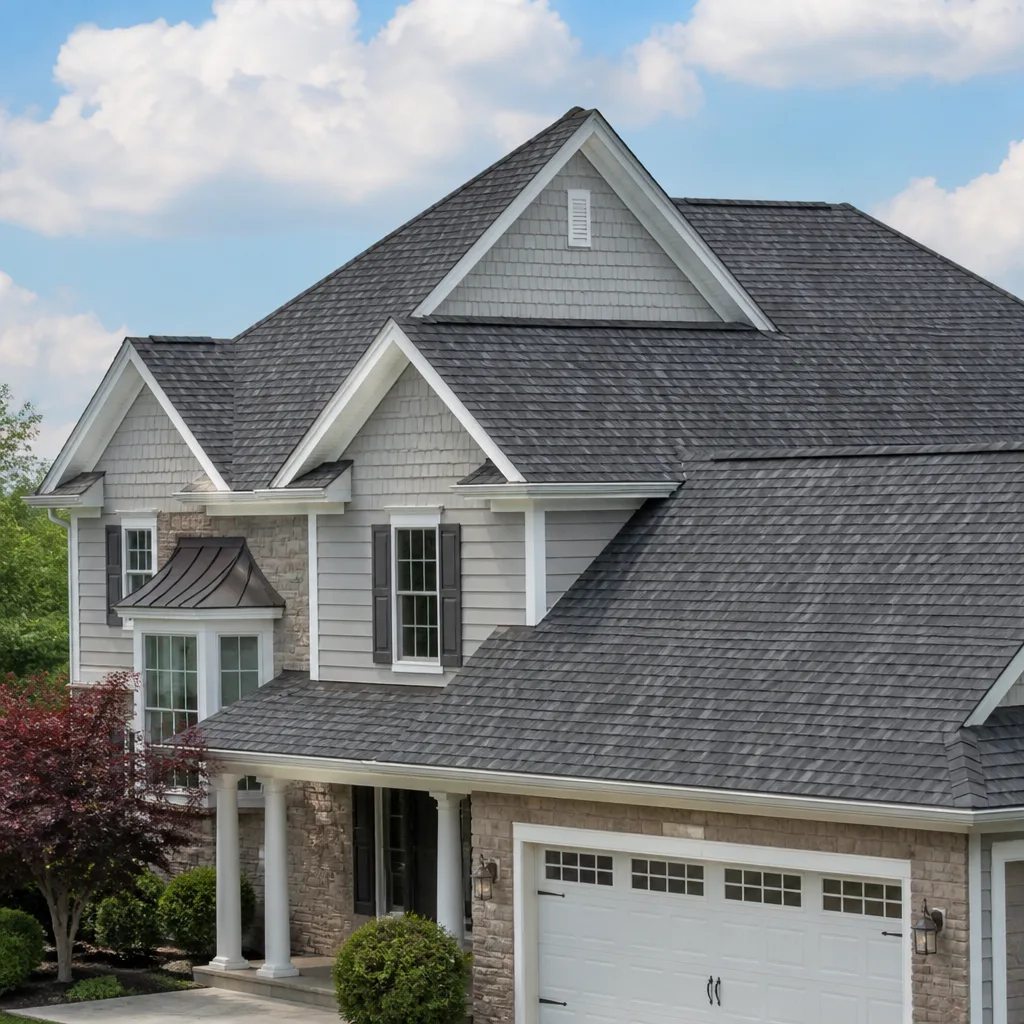 Architectural shingles
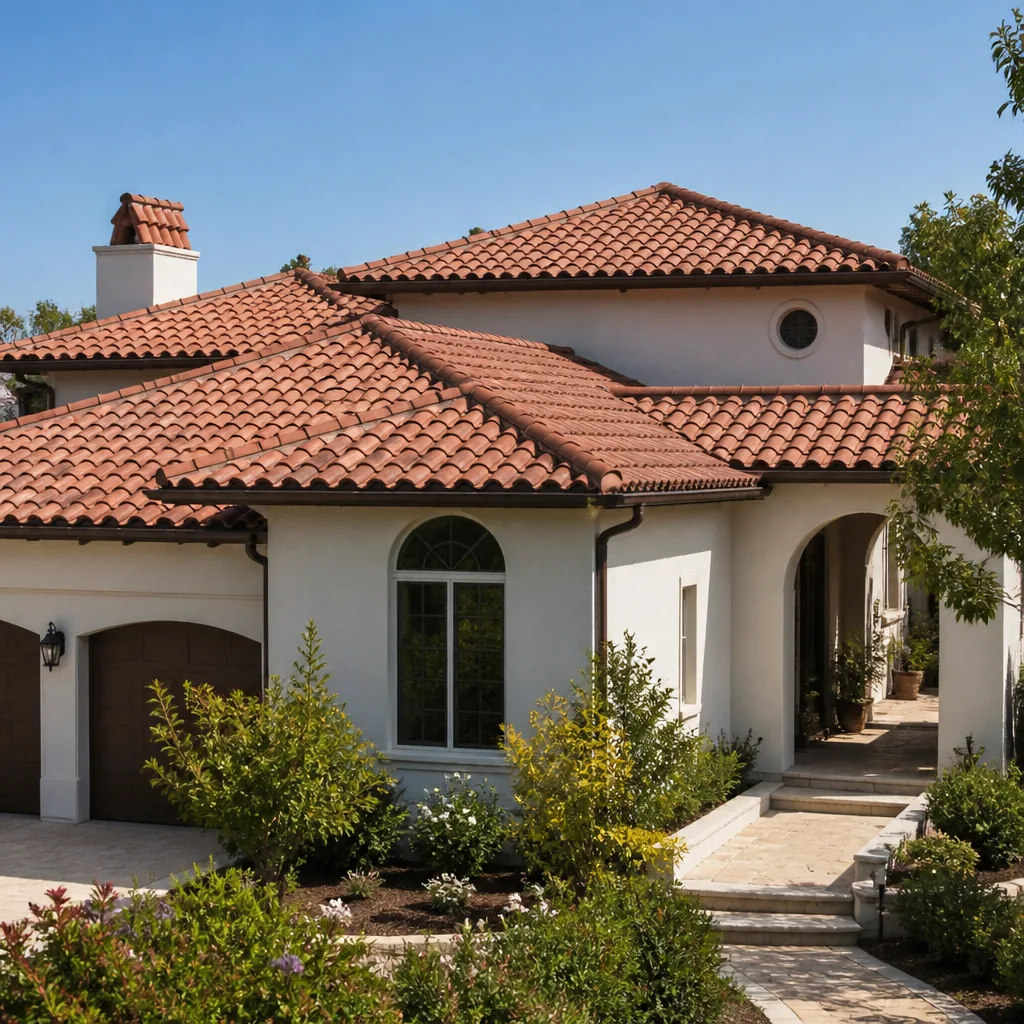 Tile roofing
 GAF
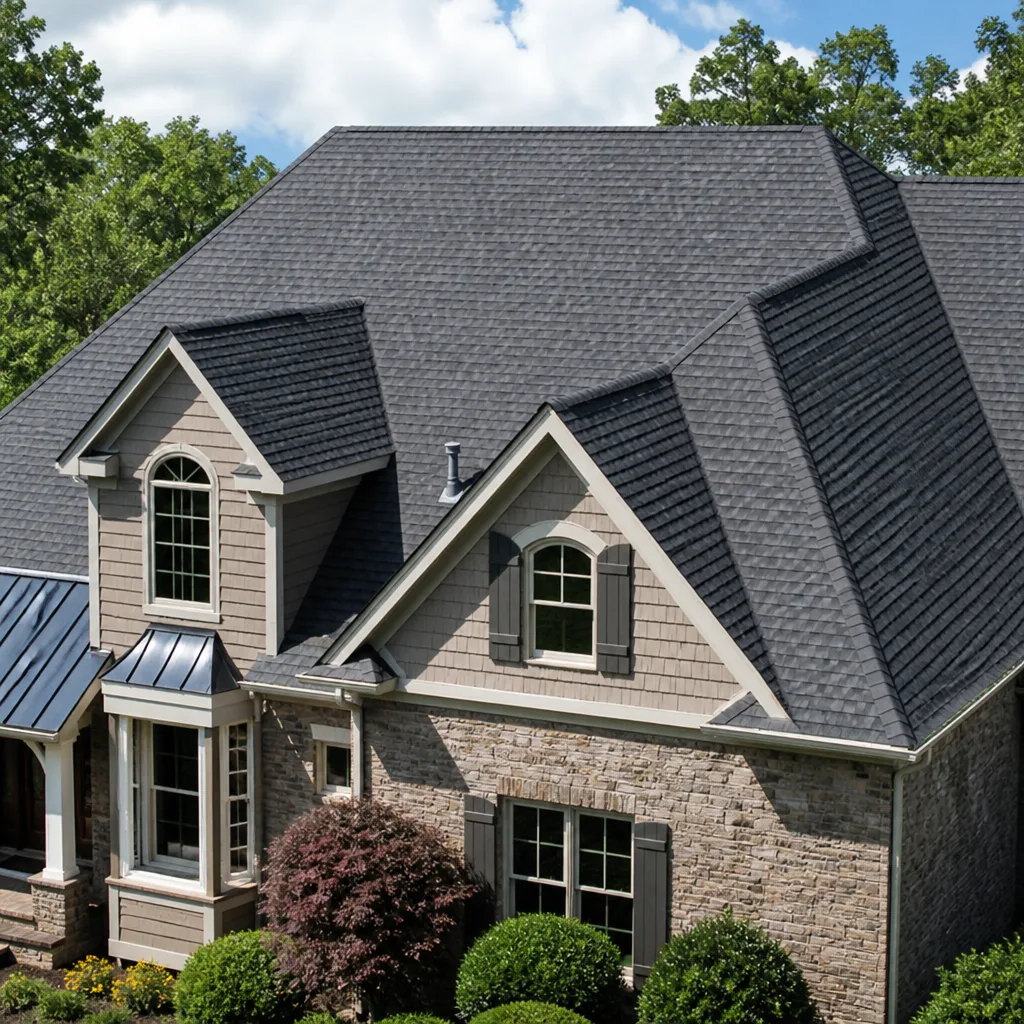 Owens Corning
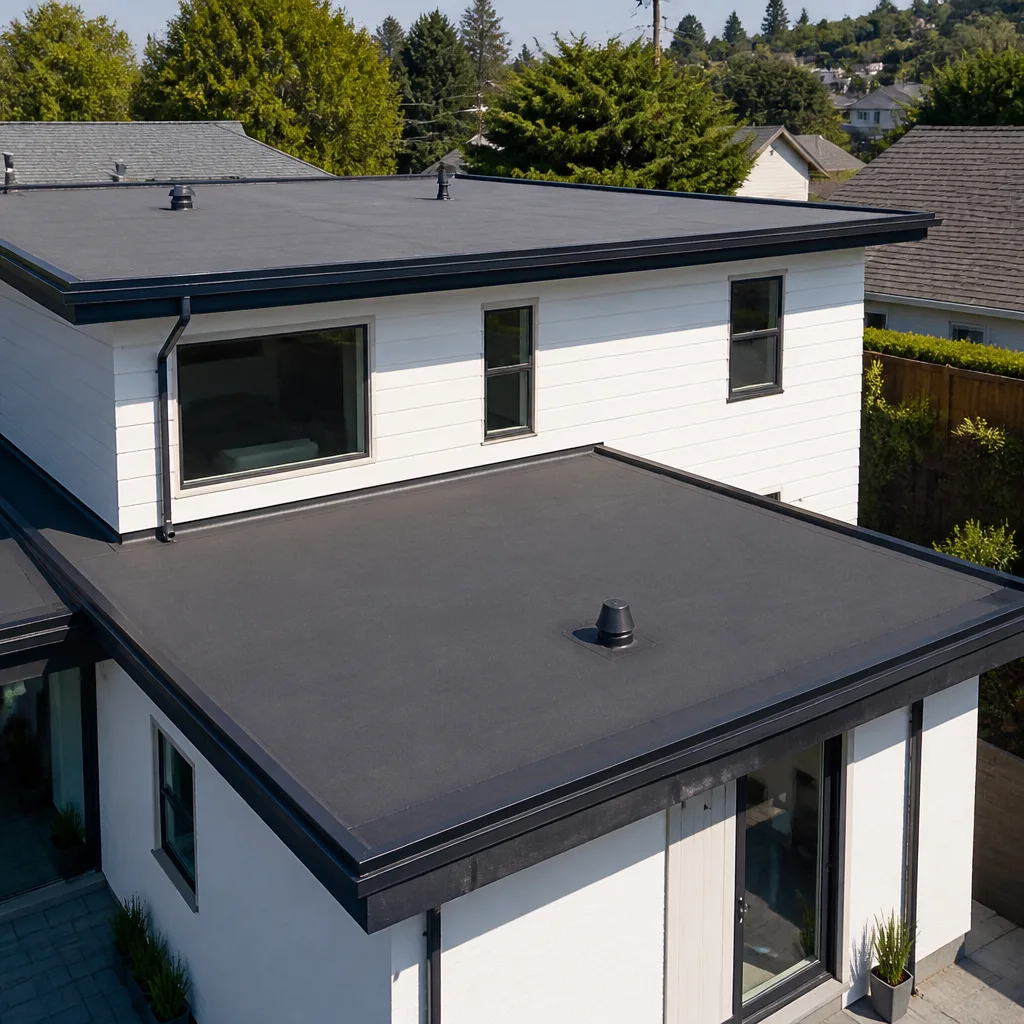 Flat & low-slope
Free roof inspection with deck photos before we talk money - GAF and Owens Corning certified installation
Styles & brands we work with
- Architectural shingles
- Metal roofing
- Tile roofing
- GAF
- Owens Corning
- Flat & low-slope
See the difference
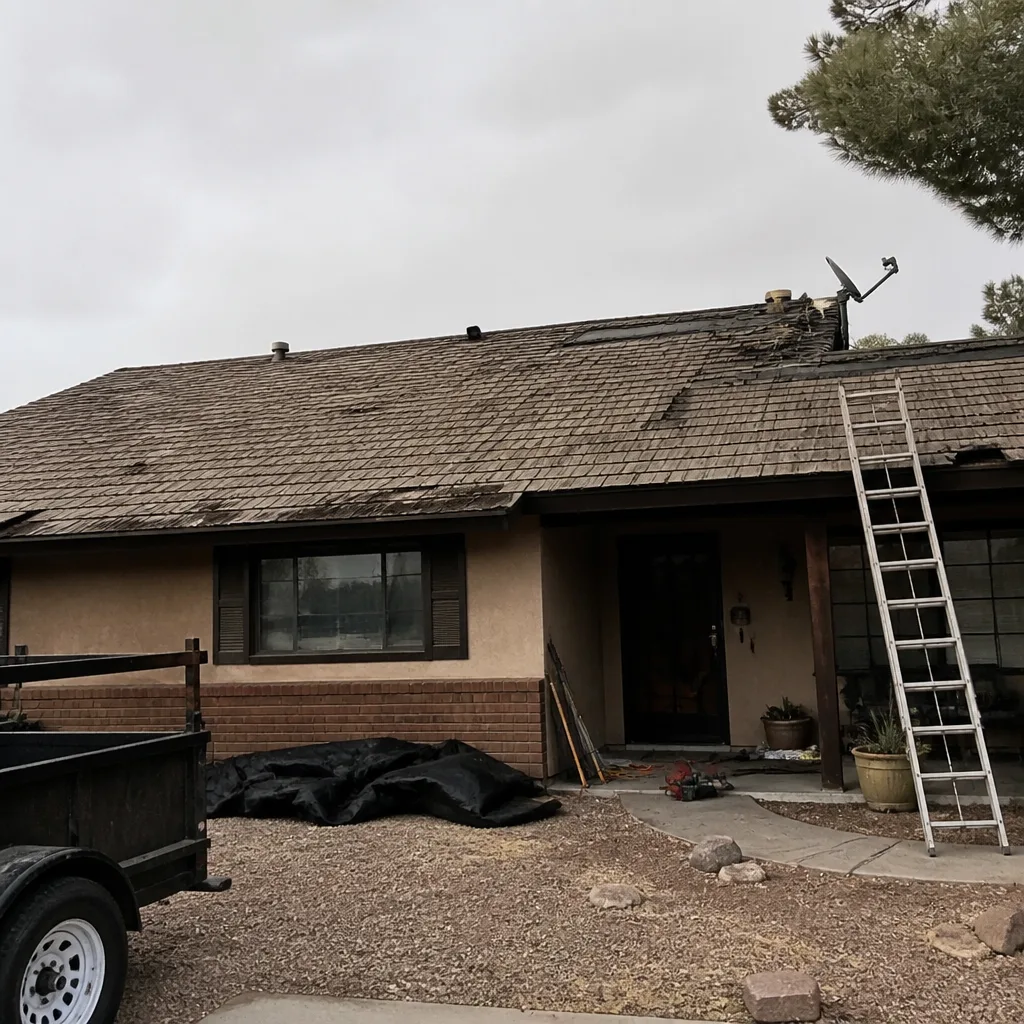 Before
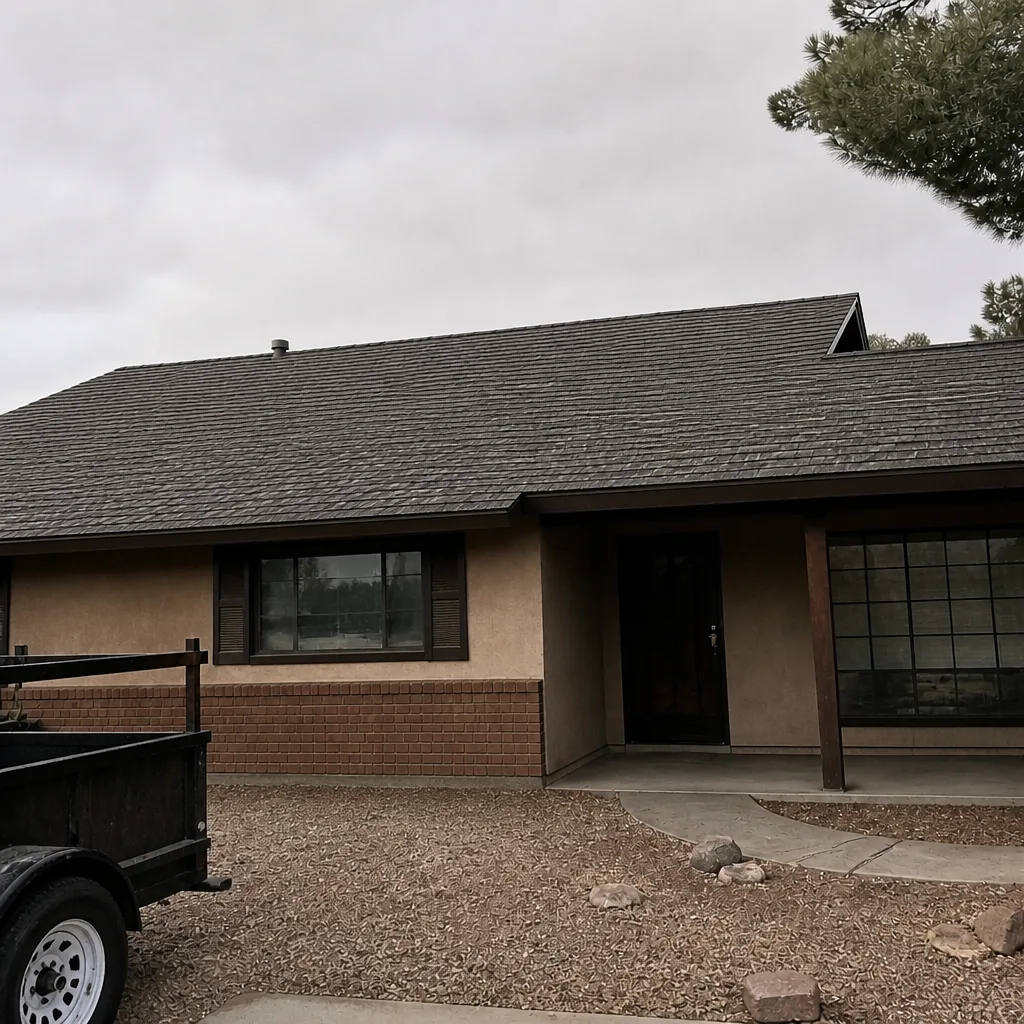 After
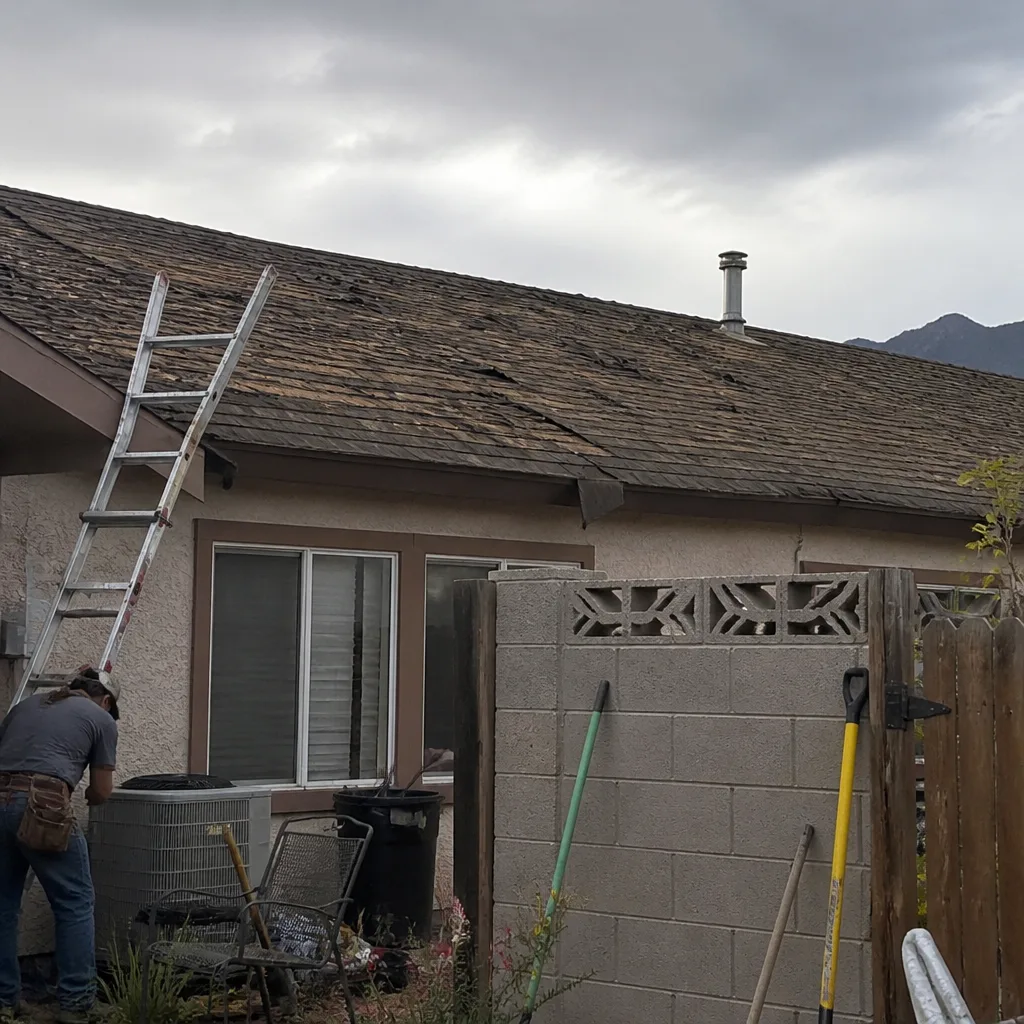 Before
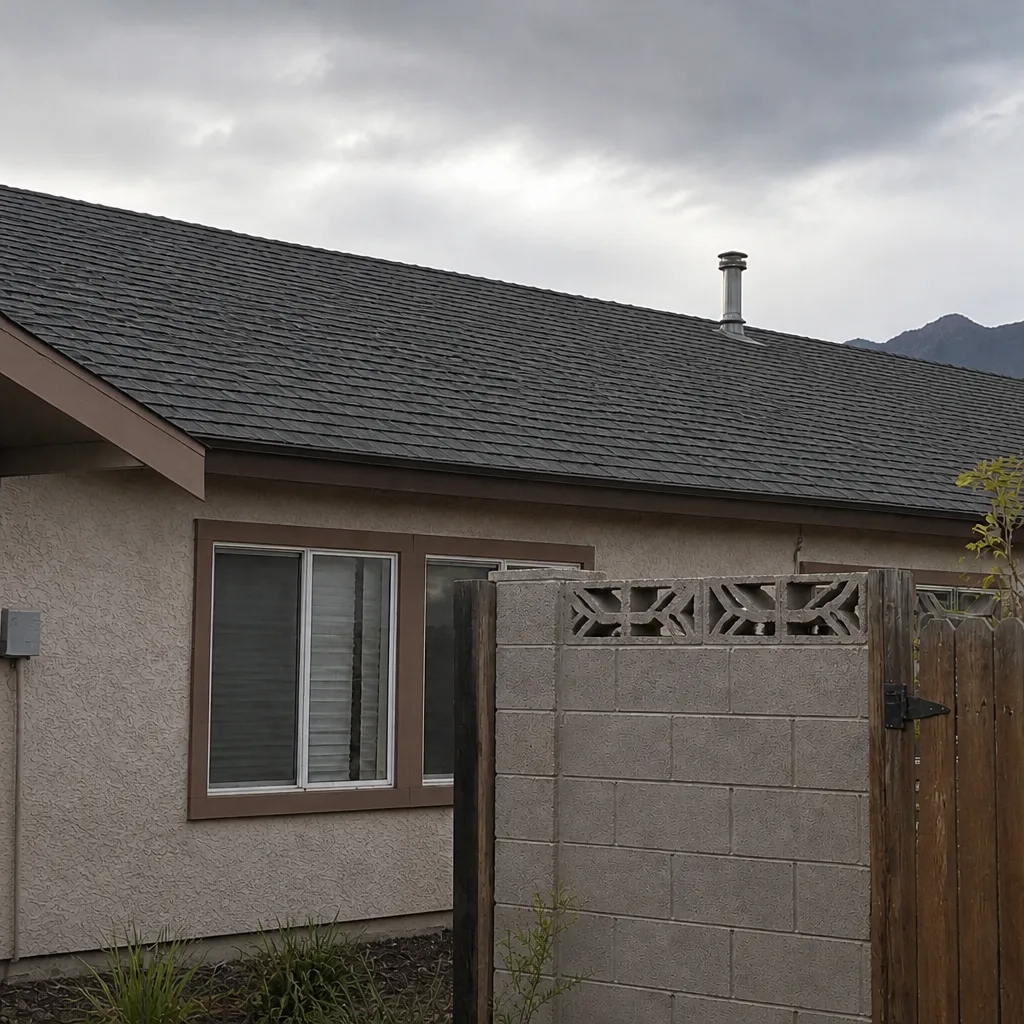 After
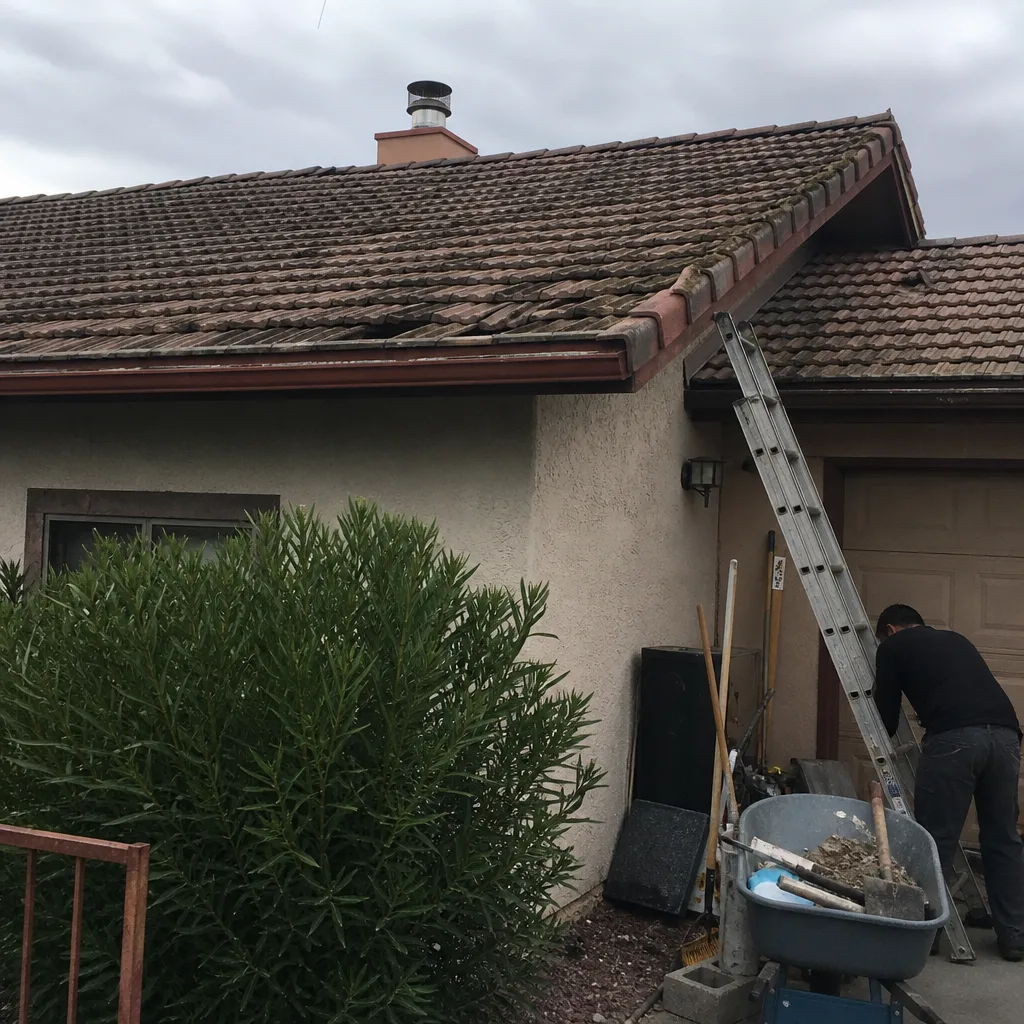 Before
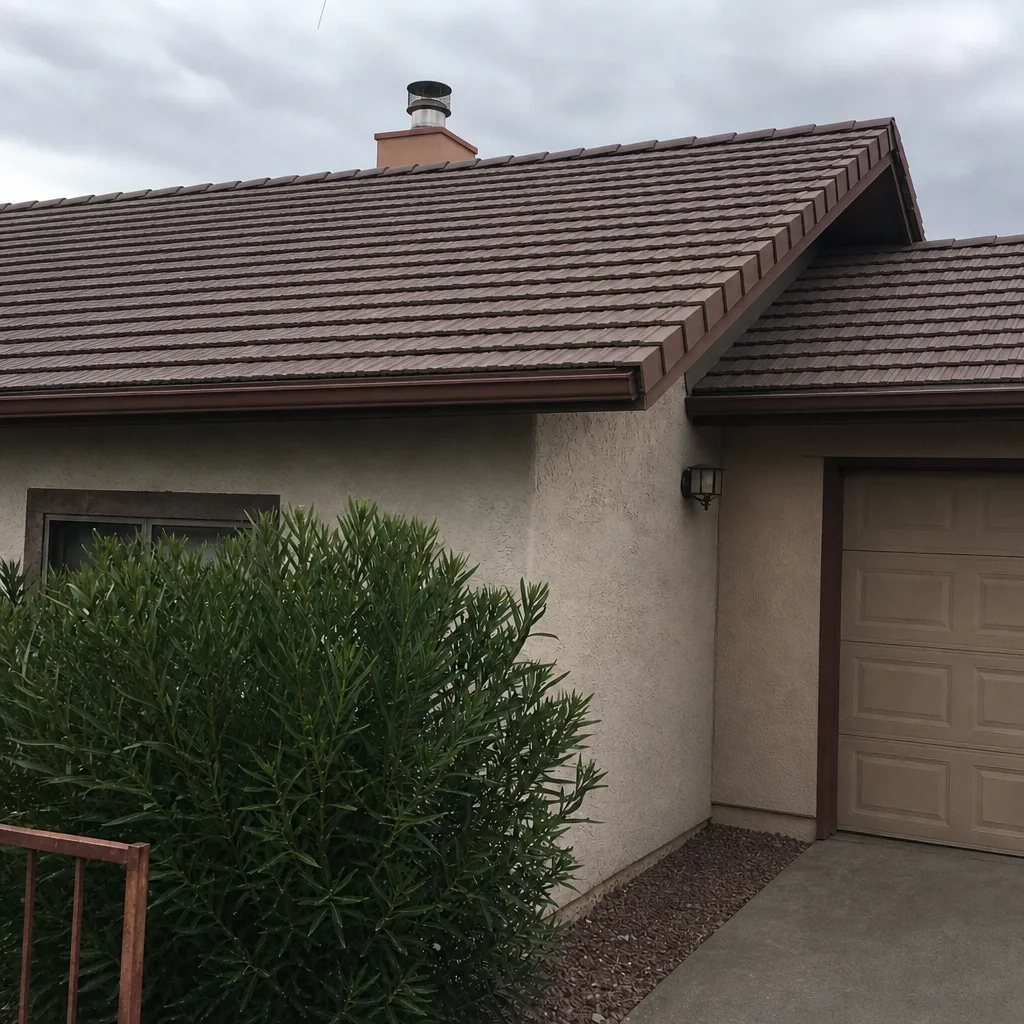 After
Repair or Replace Your Roof in Boulder City, NV? Here’s the Honest Read
Choose a targeted repair unless more than 30% of your deck has gone soft or your roof is already failing at multiple planes at once. In Boulder City’s Historic District, that repair-first advice carries extra weight: a full re-roof usually triggers design review on material, profile, and color, which can add weeks and even change the spec you’re allowed to install. A repair on the existing material often skips that process. To talk through your own roof, call (844) 761-8186 and a real person picks up, day or night.
Most of the Vegas Valley treats this as a math problem: cost of repair versus cost of replacement, spread over years. That math still matters. But if your house sits in the old core, there’s a third variable in the equation. The federal planned community that the Bureau of Reclamation laid out in the 1930s for Hoover Dam workers didn’t leave much room for a homeowner to swap shingle colors on a whim, and that’s exactly why the repair-or-replace question here has a different answer than it would two valleys over.
What “Repair or Replace” Even Means in a Historic District
Here’s the piece competitors leave out. In Boulder City’s Historic District, a full re-roof is typically a permit-level change, and that permit tends to invite design review scrutiny on material, profile, and color. The board wants the roof to match the desert-appropriate character of the original worker housing, not whatever’s cheapest at the supply yard this month. So a homeowner who swaps to a different shingle profile can get bounced back to square one before a single nail goes in.
A targeted repair on the existing material, by contrast, often skips that process entirely. You’re fixing what’s there, not changing the character of the house, so you save weeks of waiting and you avoid the risk of an approval condition that quietly rewrites your material spec. That’s a real cost, even if it doesn’t show up on a bid sheet.
We check the historic guidelines before anyone touches a material order on those blocks. It’s not glamorous work, but it’s the difference between a roof that goes on next month and a roof that sits in a warehouse while you wait on paperwork. And if you’ve been quoted one price on the phone and a different one at the door by an out-of-state crew after a hailstorm, this is the sort of thing they don’t bother to look up. Our technicians have up to 30 years of experience reading exactly these situations, and we publish our name and address so you know who’s accountable.
The Honest Replacement Threshold Nobody Publishes
Here’s where we’ll tell you to stop repairing. If more than 30% of the deck surface has softened or delaminated plywood, the repair economics collapse. You’re essentially re-decking the whole thing anyway, and at that point a piecemeal patch is throwing good money at a lid that’s already gone. On 1930s homes in the historic core, this shows up more than you’d guess, because multiple patch layers over the decades have a way of trapping moisture against the original substrate.
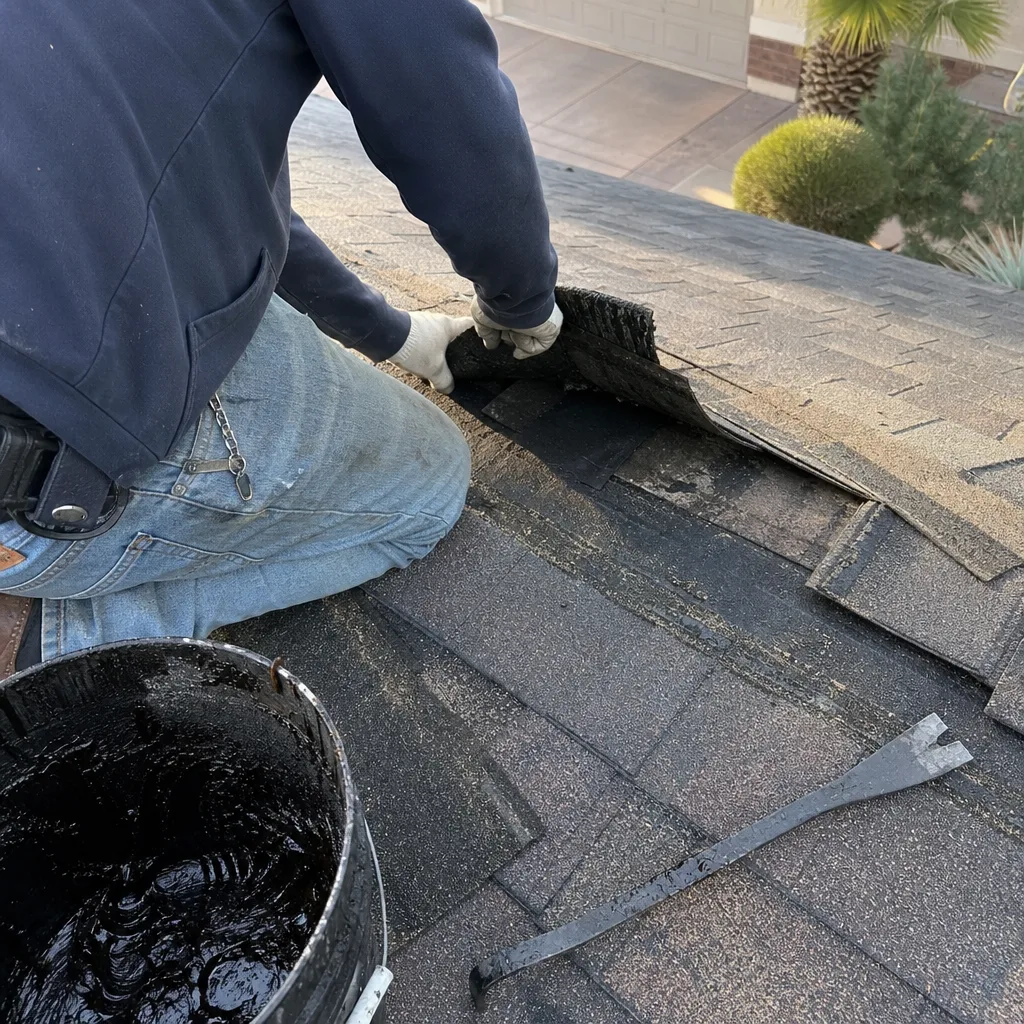
Bill will pull back the shingles, show you the deck photos, and give you the repair-versus-replace read in plain language before you talk money. That’s the whole point of a free second opinion: you see what we see and decide with real numbers instead of a roofer’s preferred outcome. A roof is measured in squares; ask any bidder how many they counted, and watch whether they’ll show you the deck or just point at the sky.
Repair vs. Replace: A Side-by-Side for Boulder City Homes
Every roof is different, but here’s how the two paths typically compare on an older home in the historic core. These are ballpark ranges, not a quote, and the exact number depends on your square count, access, and material.
| Factor | Targeted Repair | Full Replacement |
|---|---|---|
| Typical cost range | Hundreds to low four figures, by scope | Material and square-count dependent, usually five figures |
| Design review | Usually not triggered on existing material | Often triggered on material, profile, color |
| Timeline | Often days to a couple of weeks | Weeks, plus approval waiting time |
| Insurance impact | May preserve current policy terms | Can trigger re-evaluation and higher premium |
| Best when | Isolated failure, sound deck, budget matters | Deck compromised past 30%, widespread failure |
One more local wrinkle worth knowing: insurers writing policies in Clark County increasingly use age-of-roof underwriting thresholds. A full replacement can push your roof over that threshold and trigger a re-evaluation, sometimes with a higher premium attached. A targeted repair may preserve your current policy terms where a replacement would reset the clock. That’s not a reason to baby a roof that’s genuinely finished, but it belongs in the decision alongside price.
The Layered Patch Trap on Low-Slope Sections
On older low-slope sections around the historic core, we regularly see roofs carrying three, four, even five patch layers stacked over the years. It seems harmless, but every layer adds dead weight and traps heat against the substrate below, and the desert sun does the rest. UV degradation of that buried layer runs faster when it’s cooking under a fresh patch with no way to breathe. Sometimes the smarter long-term money is a strip-and-replace of that one section rather than adding another patch to the pile, because you stop the cycle instead of feeding it.
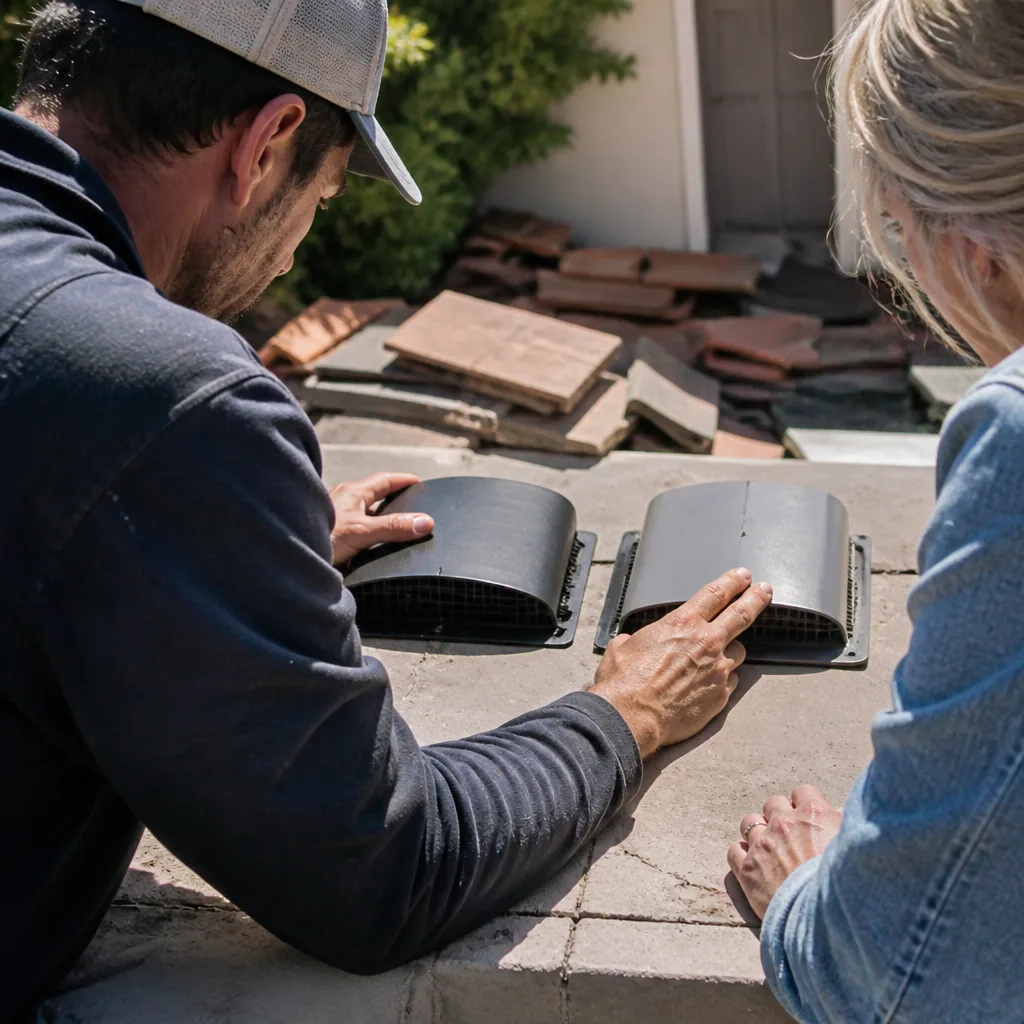
This is where the climate works against a lazy fix. Boulder City sits a few hundred feet higher than Las Vegas, and that elevation comes with intense sun, monsoon-season wind, and flash-flood rain. The real failure modes here are UV degradation and wind-driven rain at flashing and edges, not snow load. So the patches that fail first are almost always the ones at the edges and penetrations, where a rushed repair lets water in and a careful one keeps it out. When that ceiling stain shows up, our Roof Repair team can trace where the water actually entered instead of guessing.
What We Check Before We Give You a Number
When we come out, we look at the things that decide the answer for you, not for us:
- Deck condition. How much of the plywood has softened or delaminated. This is the single biggest swing factor.
- Patch layers. How many are stacked on the low-slope sections, and whether the one below is already cooked.
- Flashing and edges. Where wind-driven rain actually gets in, especially around penetrations and the perimeter.
- Historic status. Whether you’re inside the design-review area and what an approval would require on material, profile, and color.
- Square count. An honest measurement, so you can compare bids on the same footing.
We install products from GAF and Tamko, among others, so whether the guidelines call for a match or a modern equivalent, we’ve likely set the shingle before. If the answer is repair, we repair. If it’s replace, we tell you why, in writing, with a 90-Day Done Right Promise behind the work: if it’s not done right, we make it right, and one call brings Bill back.
Key Takeaways
- Default to repair unless more than 30% of the deck is compromised or the roof is failing broadly.
- In the Historic District, a full re-roof often triggers design review; a targeted repair usually doesn’t.
- Older low-slope roofs with heavy patch layers can trap moisture and heat, making strip-and-replace of one section the smarter long-term move.
- A free second opinion shows you the deck photos and prices both options before you commit.
You can compare the full range of what a repair covers on our Roof Repair in Boulder City page, and start from the home page if you’re new to us. If you’re weighing a replacement instead, the same crew handles both.
FAQs
Repair is almost always cheaper upfront, often by a wide margin, unless more than 30% of the deck has softened and you’re re-decking anyway. In the Historic District, repair can also save you the weeks and material-spec risk that come with a design-review approval on a full replacement. Call (844) 761-8186 for an exact quote, and estimates are free.
In many cases, yes, especially after a monsoon or wind event, because a live person answers our phone 24/7 and we don’t charge a trip fee inside our own county. Bill will get out, pull back the shingles, and show you the deck photos. Call (844) 761-8186 and we’ll find a time that works.
It often does, since a re-roof is typically a permit-level change that invites scrutiny on material, profile, and color. That’s a big reason a targeted repair sometimes makes more sense even when replacement would otherwise pencil out. We check the historic guidelines before ordering material, and a second opinion is free.
It can, because insurers increasingly use age-of-roof underwriting thresholds, and a new roof resets that clock and can trigger a re-evaluation of your policy. A targeted repair may preserve your current terms. It’s worth a call to your agent, and worth a call to us at (844) 761-8186 for the roof side of the decision.
If you’d rather have it looked at than guess, Shepherd & Sons Roofing Boulder City offers a no-pressure assessment in Boulder City – we show you the deck, price both options, and let you decide. Call (844) 761-8186 for a free estimate.
Written by the team at Shepherd & Sons Roofing Boulder City, serving Boulder City, NV.