

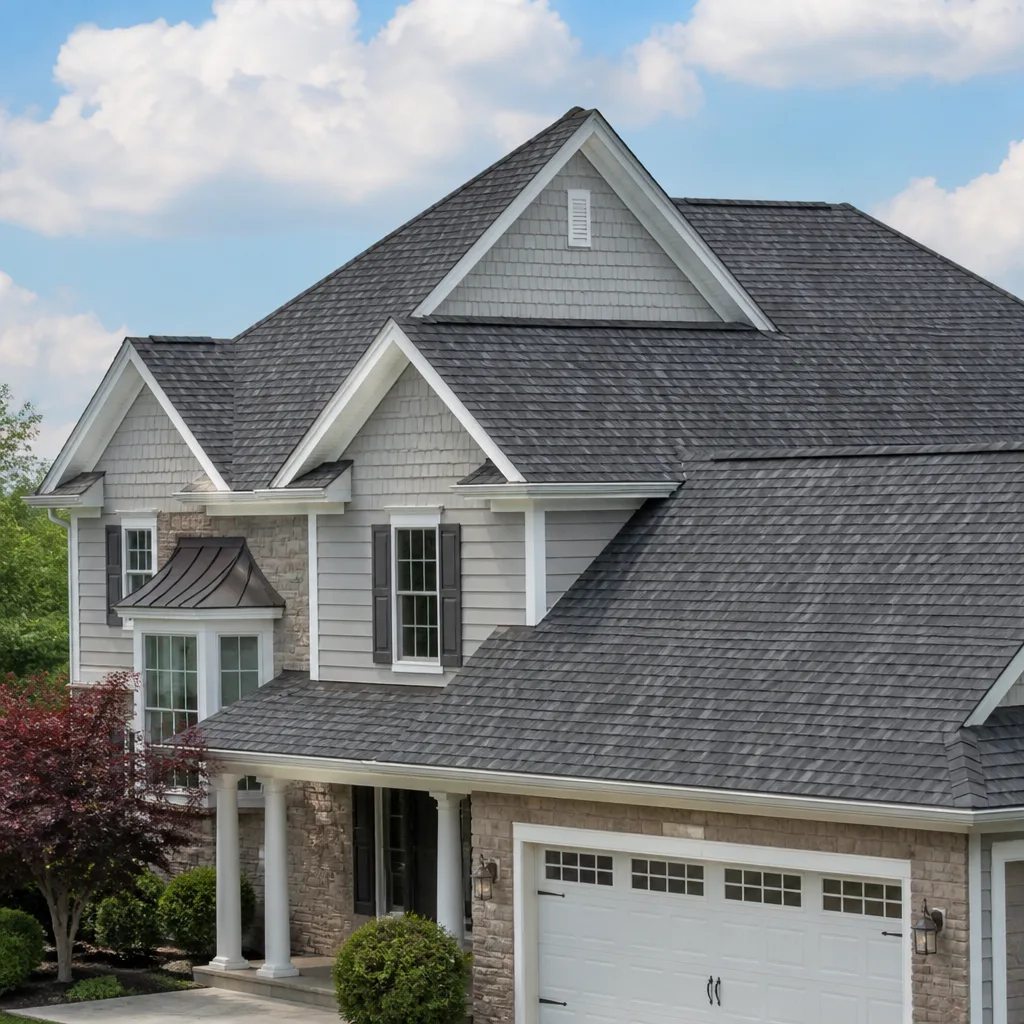
 Architectural shingles
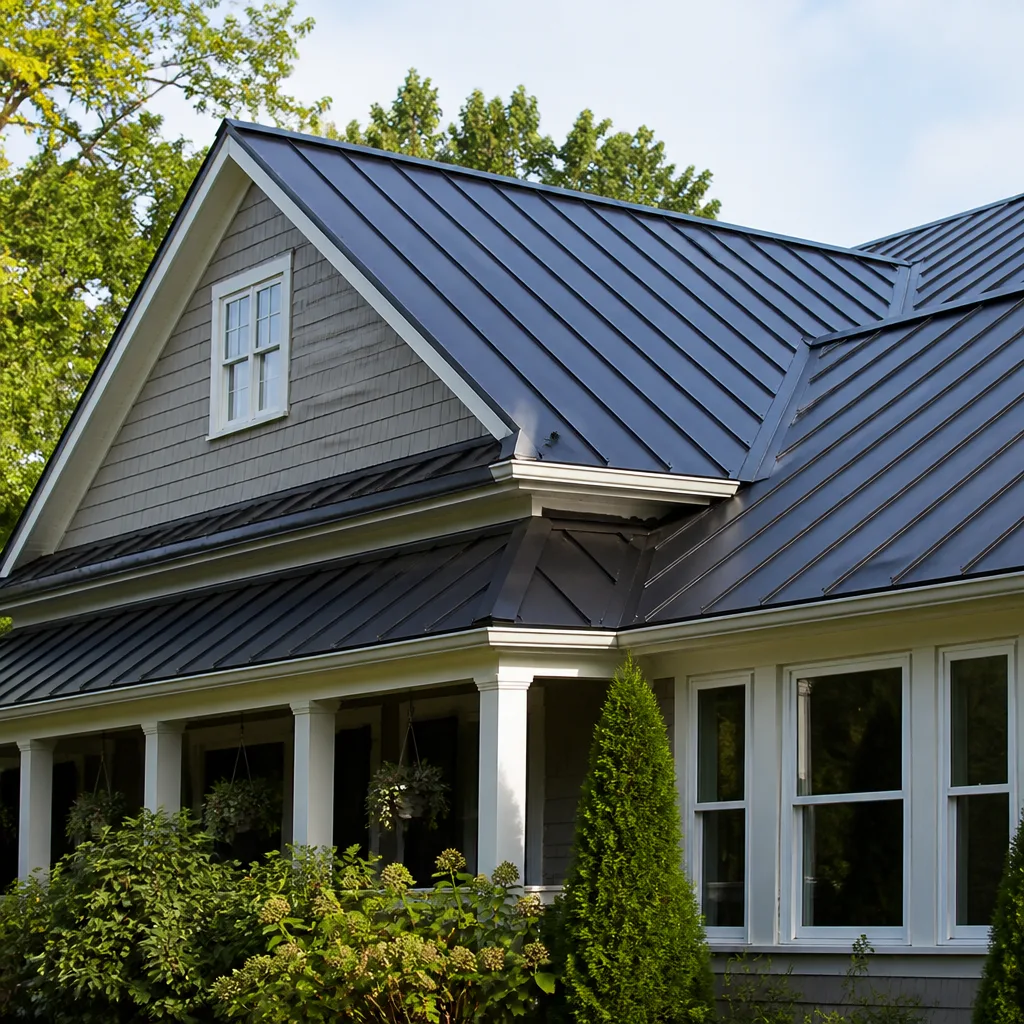 Metal roofing
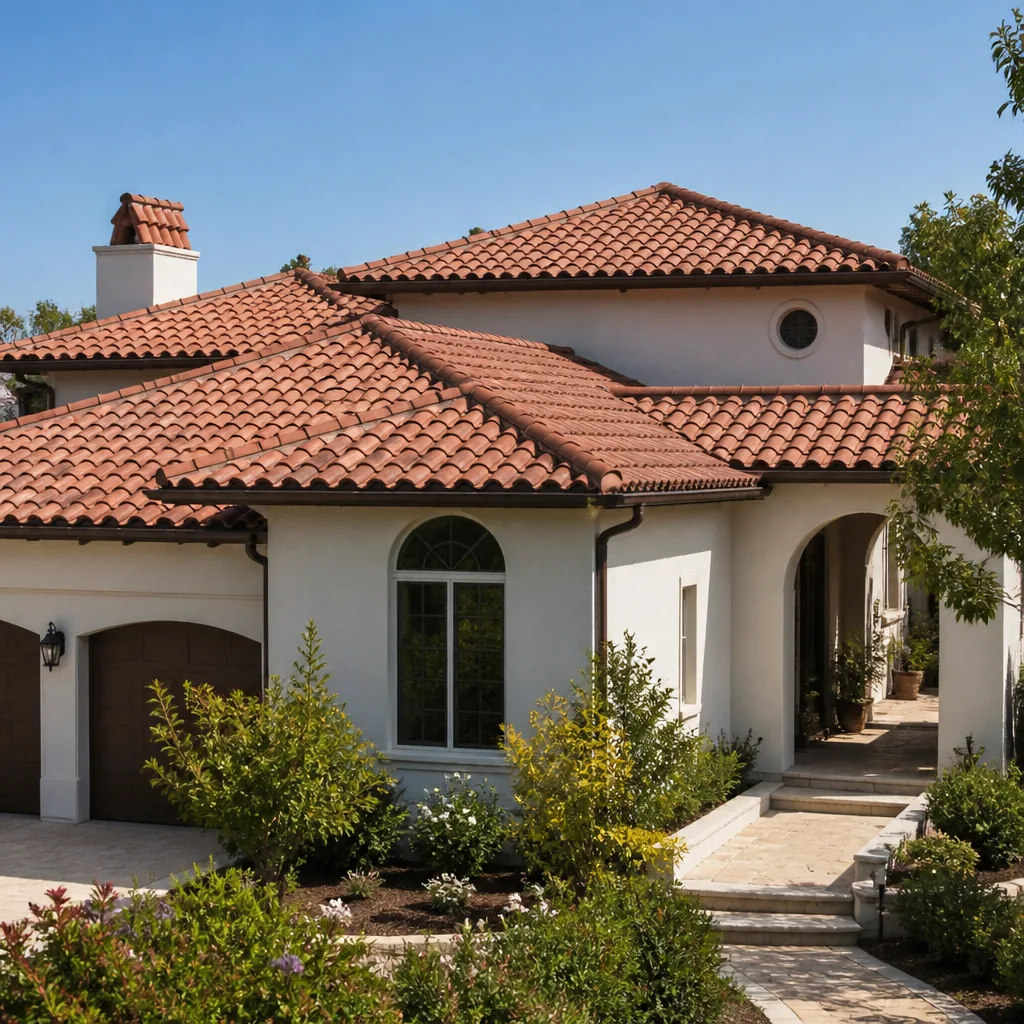 Tile roofing
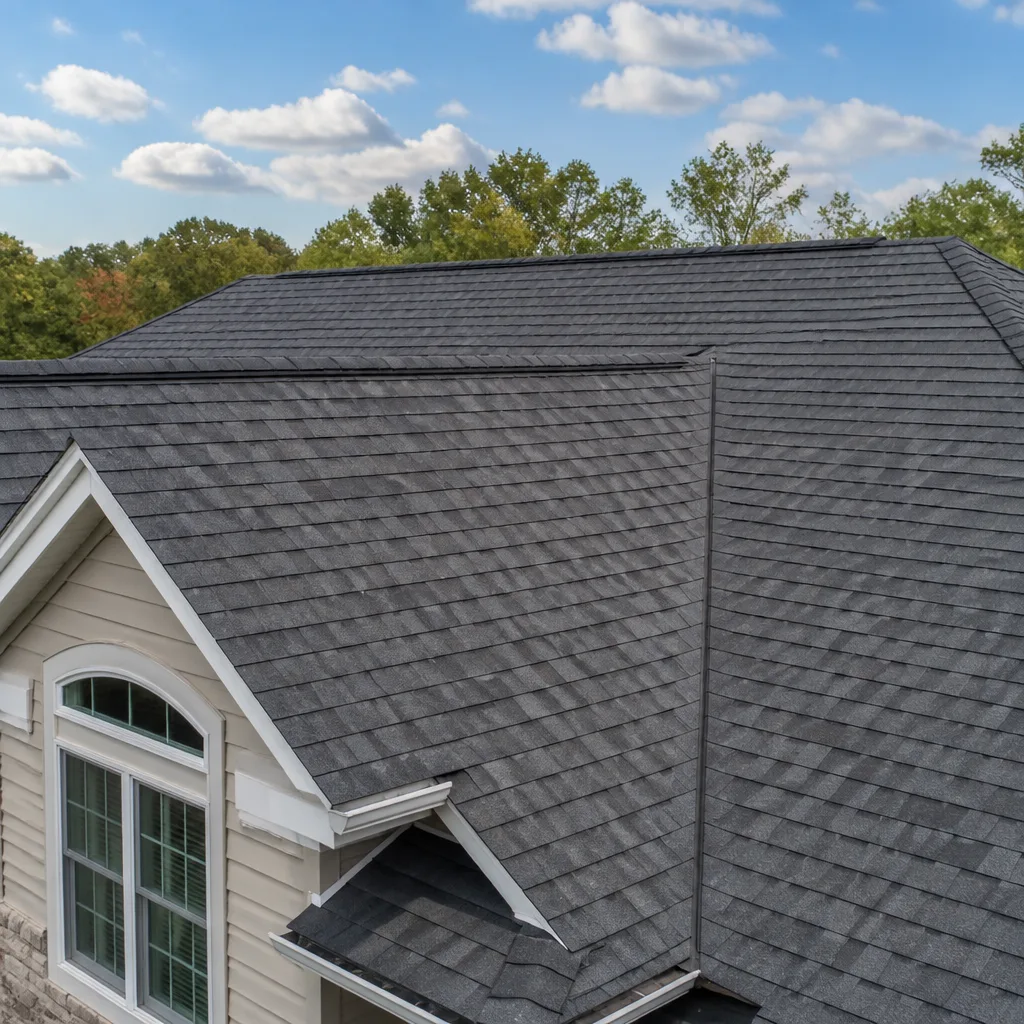 GAF
 Owens Corning
 Flat & low-slope
Free roof inspection with deck photos before we talk money - GAF and Owens Corning certified installation
CertainTeed Ridge Vent Installation: The Boulder City Owner’s Guide
We install CertainTeed-compatible ridge vent systems across Boulder City, and most single-ridge replacements land between $340 and $720 installed, depending on ridge length, roof pitch, and how much shingle work the vent ties into. If you’ve got a failed vent on a one-story ranch, we can usually get out the same week to look at it. The trouble is you don’t always know it’s the vent. Most Boulder City owners call us about a stain on the ceiling in the hall closet, or a hot second floor that never used to be hot, and the vent turns out to be the culprit. Ridge vent is the quietest part of the roof until it stops working, and then it’s the loudest thing in the house.
Which CertainTeed Models This Applies To
CertainTeed makes more than one ridge vent, and the part you need depends on what’s already on the roof. The most common in this market is CertainTeed Ridge Vent in its shingle-over form, the 4-foot sections that run under cap shingles along the peak. Older Boulder City homes sometimes carry the low-profile roll version, which installs flatter and uses a different fastening pattern. The two are not interchangeable on the same ridge, and mixing them on one roof looks wrong from the street and ventilates unevenly.
To identify yours, get up on a ladder at the gable end and look at the exposed filter material and the fastening flange. CertainTeed embosses its name and a model code on the underside of the flange, usually within a foot of each section seam. Write down that code before you call anyone. It’s the single most useful thing you can hand a roofer, because CertainTeed has revised flange widths and baffle depths over the years, and a section cut for an older ridge won’t sit flush on a newer one.
On the OEM-versus-aftermarket question: CertainTeed’s own vent is the safe match when the rest of the ridge is CertainTeed and you want the shingle-over profile to line up. Quality aftermarket ridge vent from a brand we trust will perform fine and often costs less, but the profile and net free area have to match or you’ll get a visible seam and a ventilation mismatch across the run. We’re an independent roofing company, not affiliated with CertainTeed, so we’ll tell you straight which makes sense for your roof rather than push the brand label.
Styles & brands we work with
- Architectural shingles
- Metal roofing
- Tile roofing
- GAF
- Owens Corning
- Flat & low-slope
Signs Your CertainTeed Ridge Vent Installation Is Failing
Ridge vent fails slowly and quietly. Here’s what we find when we open one up in Boulder City, and what’s usually behind it.
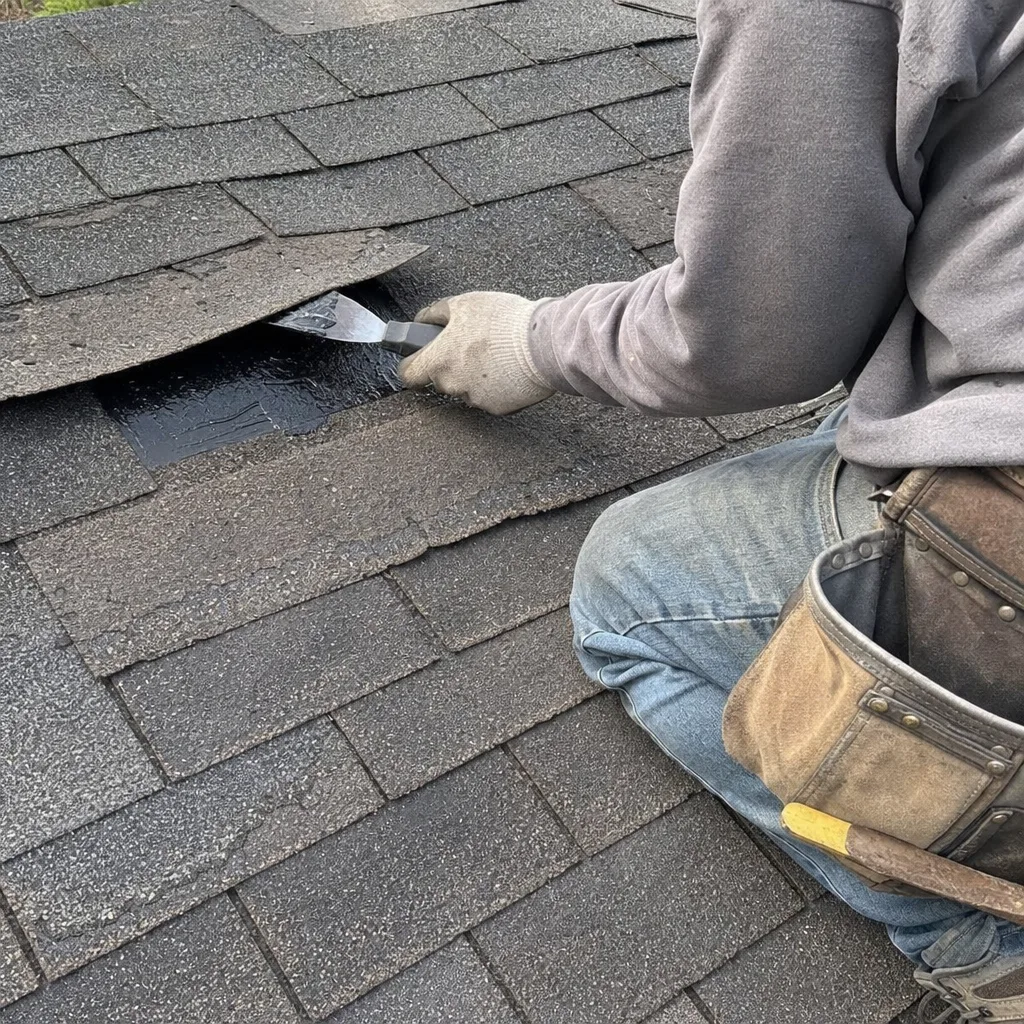
- Water stains on the ceiling near the ridge or on the top floor. The cap shingles over the vent have lifted or the fasteners have backed out, and wind-driven rain is getting under the edge. On this desert side of the mountains, the wind does more damage to ridge vent than the sun does.
- A second floor or attic that runs hotter than it used to. The filter material has clogged with dust and fine desert grit, choking the net free area down to almost nothing. Boulder City’s spring winds push a lot of particulate into those baffles, and once the filter mats down, the roof stops breathing.
- Sagging or wavy ridge line. The vent sections have lost their stiffness or the substrate under them has softened from a slow leak. A ridge that dips in the middle is telling you something underneath needs looking at, not just the vent.
- Visible gaps, lifted edges, or exposed fasteners. Nails have worked loose from thermal cycling, the daily swing between cold nights and hot afternoons that ages a Nevada roof faster than most. Once a section lifts, wind gets under the next one.
- Condensation or frost on the roof deck in winter. The vent has stopped exhausting warm moist air, and it’s condensing on the underside of the sheathing instead. Left alone, that’s how decking rots from the inside out.
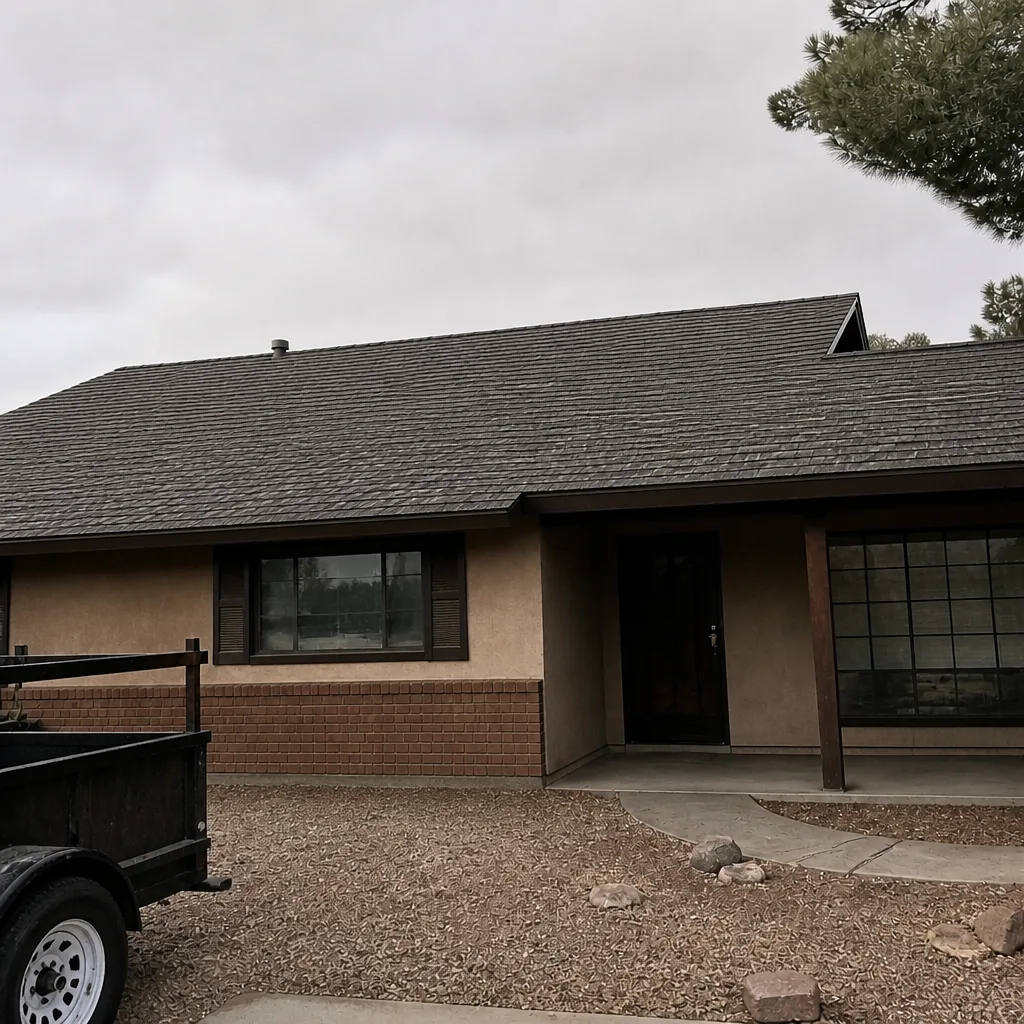
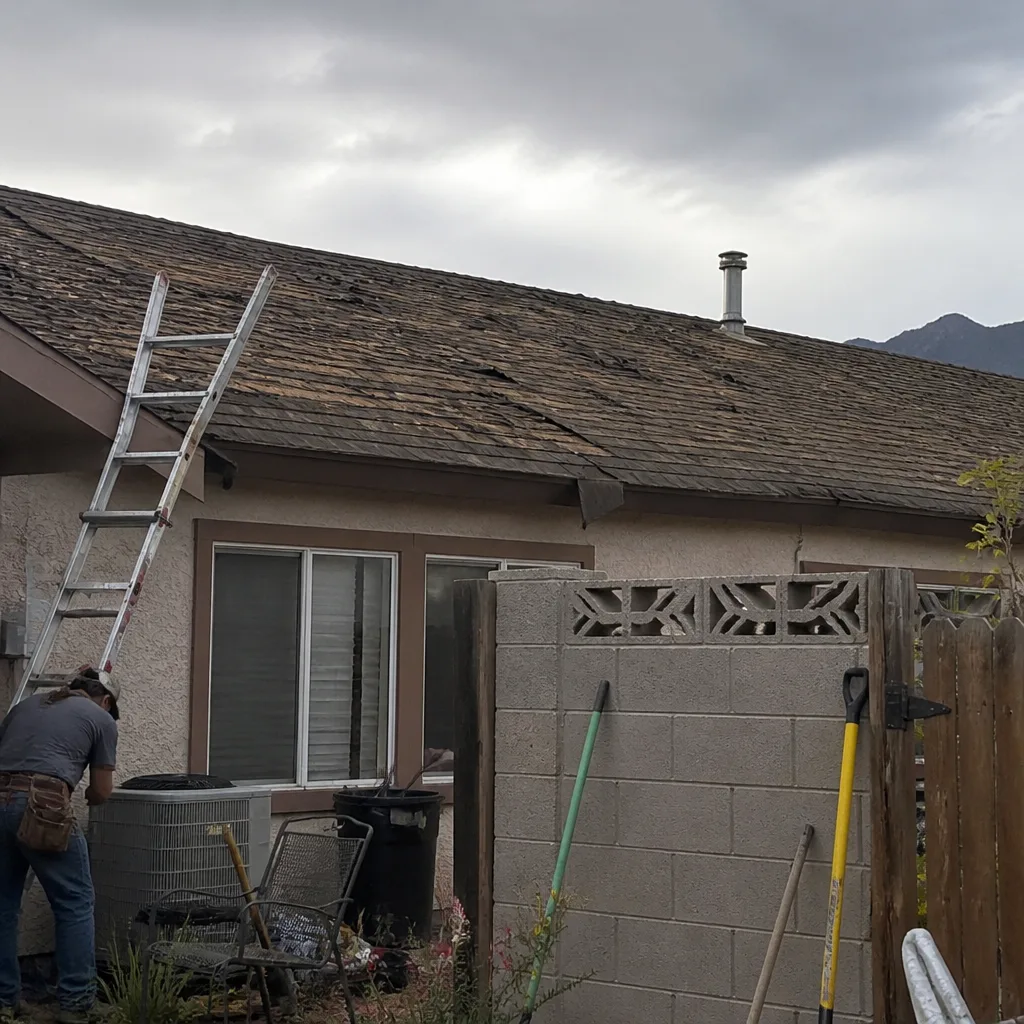
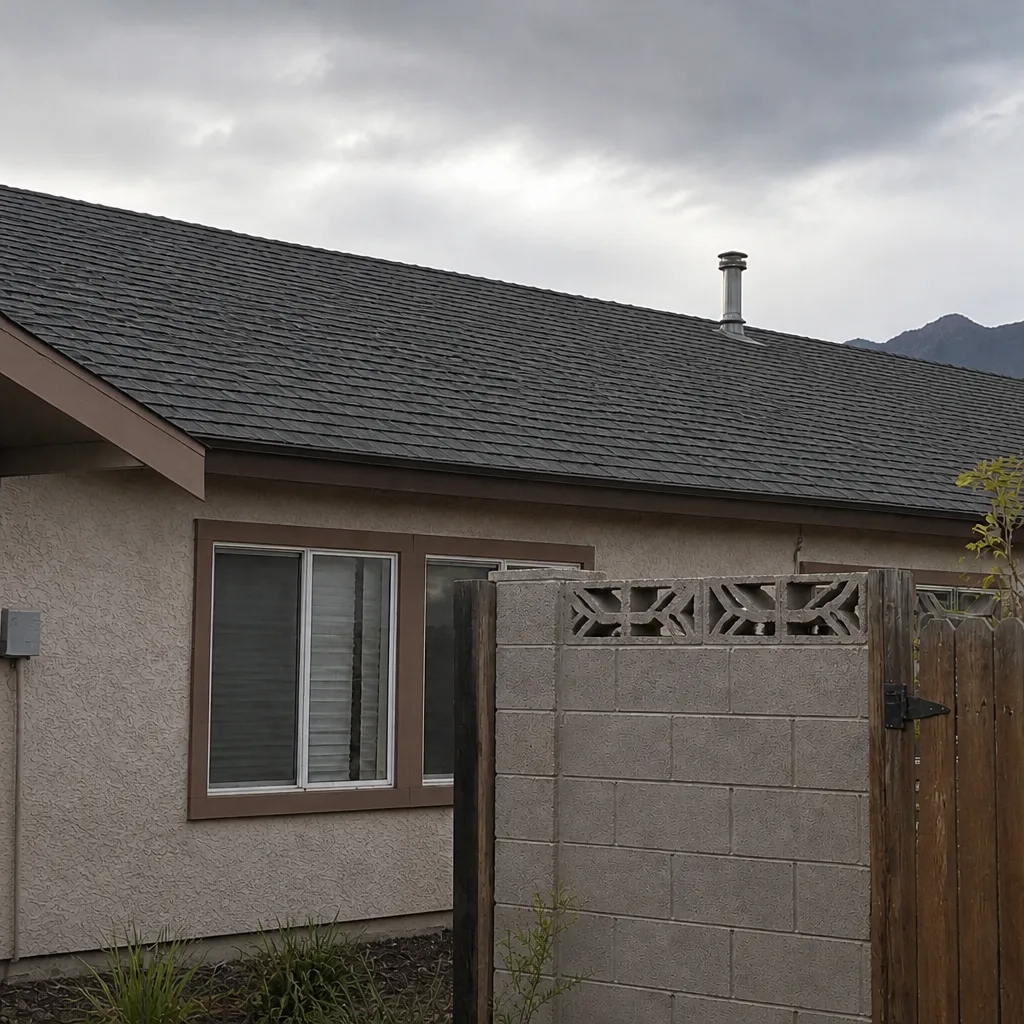
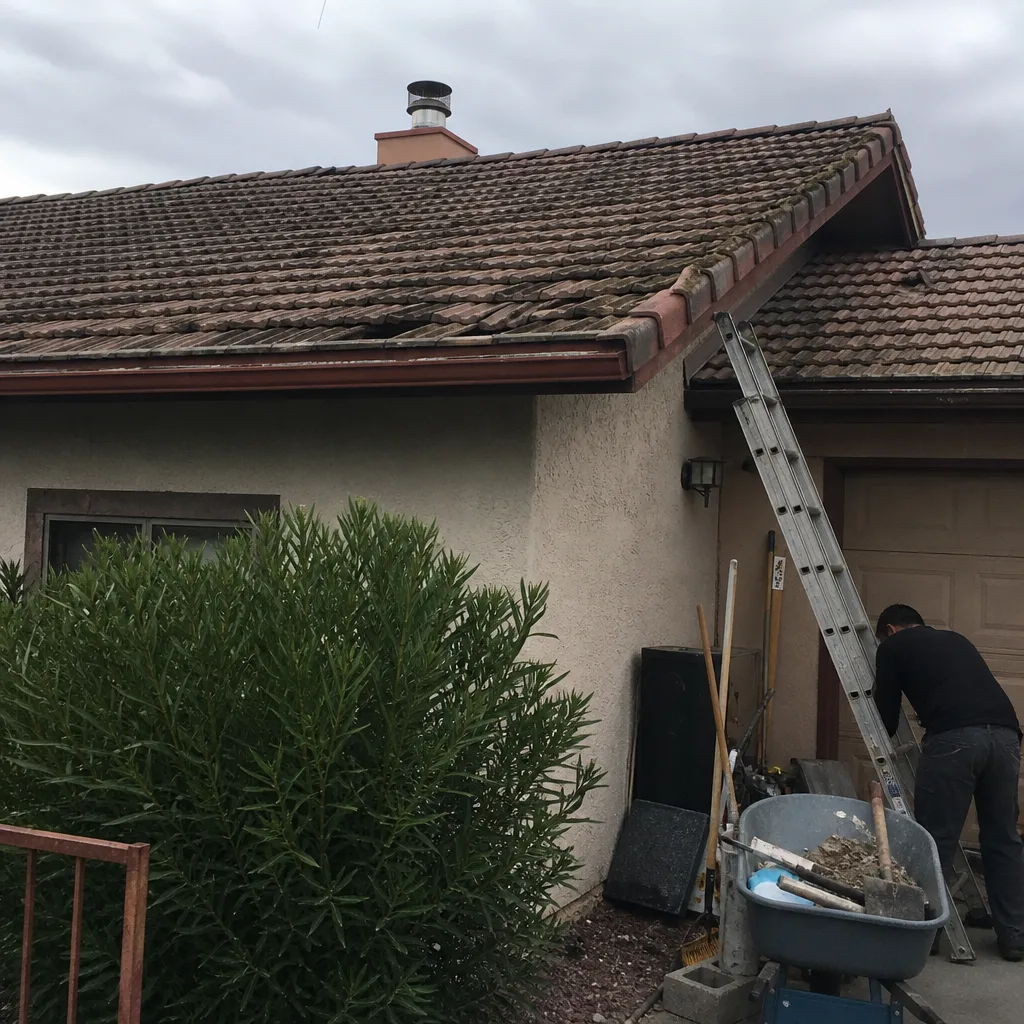
See the difference
 Before
 After
 Before
 After
 Before
 After
Replacement Cost & What’s Included
For Boulder City, plan on $340 to $720 installed for a typical single-family ridge, and more if the run is long or the pitch is steep enough to need staging. The range is driven by linear feet of ridge, roof pitch and access, whether the cap shingles need replacing along with the vent, and whether we find soft decking once the old vent comes off. That last one is the honest variable: we don’t know until we’re up there, and we’ll show you the deck photos before we talk money.
What’s included is the vent material, new cap shingles to match, fasteners, and labor, quoted line by line so you can see where the money goes. If the decking under the ridge is sound, the number holds. If it isn’t, we price the repair before we touch it. Every job carries our written 90-Day Done Right Promise, and a free second opinion on any written estimate is always available if you want to compare.
DIY or Call Us?
Some of this you can check yourself safely from the ground or a stable ladder at the gable end: look for lifted sections, missing cap shingles, and visible gaps. Snapping a photo of the ridge from a safe spot and sending it our way saves everyone a trip. What we’d steer you away from is getting up on the ridge itself to pull sections and refasten them. A steep roof at the peak is the worst place to lose your footing, and reseating a vent section wrong is how you turn a $400 job into a deck repair. The fastening pattern and the cap shingle overlap are what keep the rain out, and both are easy to get wrong underfoot.
Bill and his crew do this work every week, and we’re happy to look at yours. Call (844) 761-8186 and a live person will pick up, day or night.
FAQs
How long does a CertainTeed ridge vent last in Boulder City? Expect 15 to 20 years on a well-installed vent here, sometimes shorter on west-facing ridges that take the full afternoon sun. The sun and wind age the exposed material faster than the shingles around it, so the vent is often the first thing to go even on a roof with years left. Call (844) 761-8186 for an exact quote on yours; estimates are free.
Can it be repaired instead of replaced? Sometimes, yes. A single lifted section or a few backed-out fasteners can often be reset and re-capped without replacing the whole run. If the filter is clogged or the sections have lost their shape, replacement is the better money. We’ll tell you which one you’re looking at before we start.
How long does the swap take? A typical single-ridge replacement is a few hours of work, done in one visit in most cases. Long runs, steep pitches, or hidden deck repairs stretch it, and we’ll say so upfront. Call (844) 761-8186 to get on the schedule.
How do you source the part? We match the CertainTeed code off your existing vent and pull the right section through our supplier, along with the cap shingles to match your roof. We don’t carry parts on a truck and we won’t guess at the model. If we need to order, we’ll tell you the lead time before you commit. We also work with GAF and Owens Corning vent systems when that’s the better fit.
Shepherd & Sons Roofing has been locally owned and owner-operated since 1996, same address the whole time, with a live person answering the phone 24/7. We’re proud to serve Boulder City and the surrounding communities, and our technicians have up to 30 years of experience on roofs like yours. Call (844) 761-8186 for a free estimate, and we’ll show you the deck photos before we talk money.
Written by the team at Shepherd & Sons Roofing Boulder City, serving Boulder City and nearby areas.