

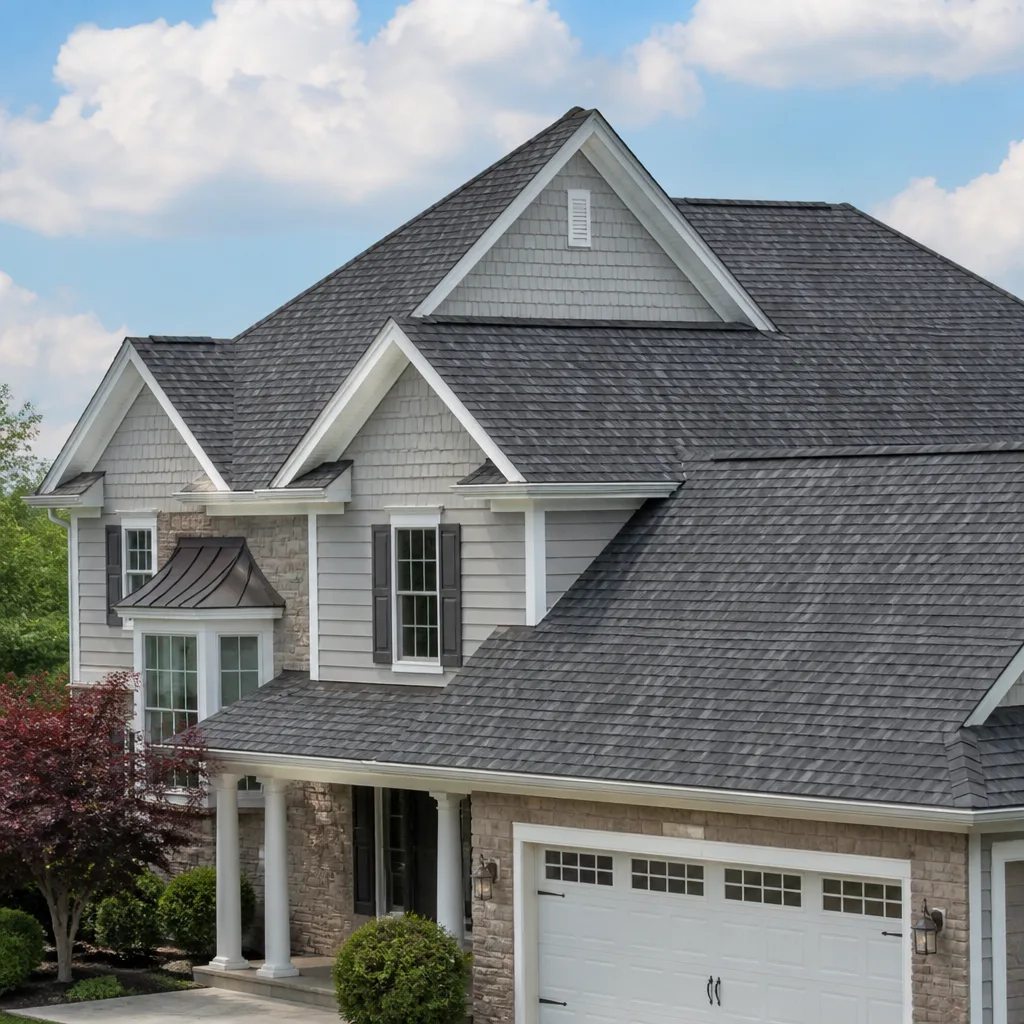
 Architectural shingles
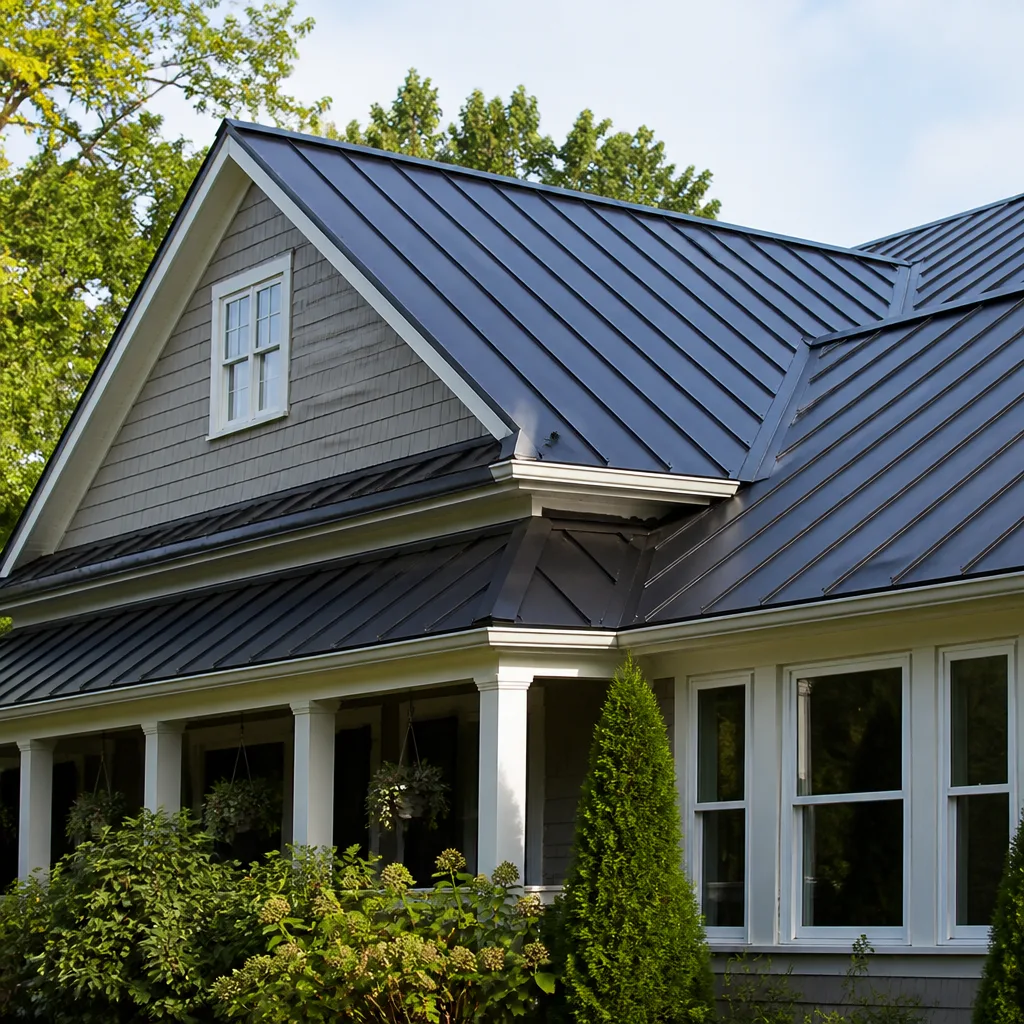 Metal roofing
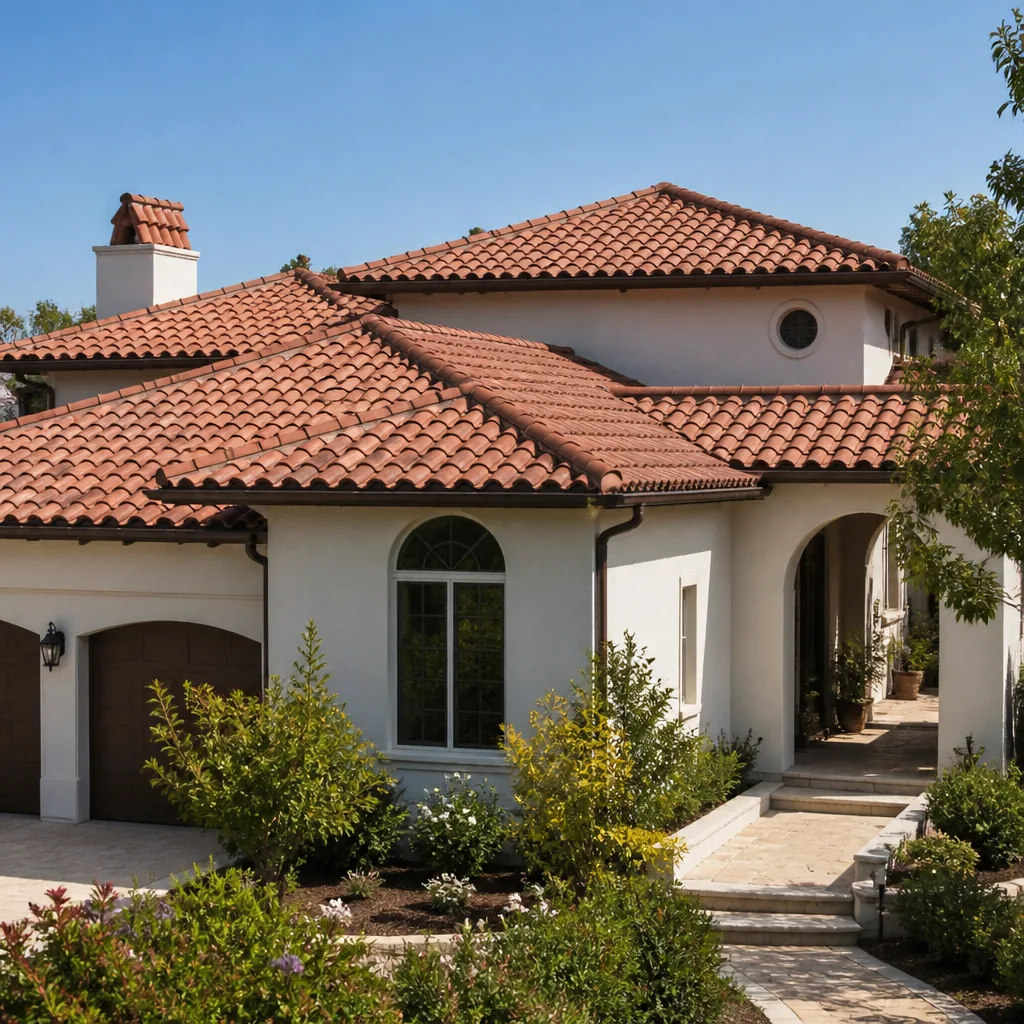 Tile roofing
 GAF
 Owens Corning
 Flat & low-slope
Free roof inspection with deck photos before we talk money - GAF and Owens Corning certified installation
Atlas Underlayment & Deck Repair: The Boulder City Owner’s Guide
We install Atlas-compatible underlayment and handle deck repair on Boulder City roofs, and most of that work lands between $950 and $3,400 depending on how much decking has to be replaced. Roofing work is scheduled, not rushed; call us and we’ll set a date that fits your week.
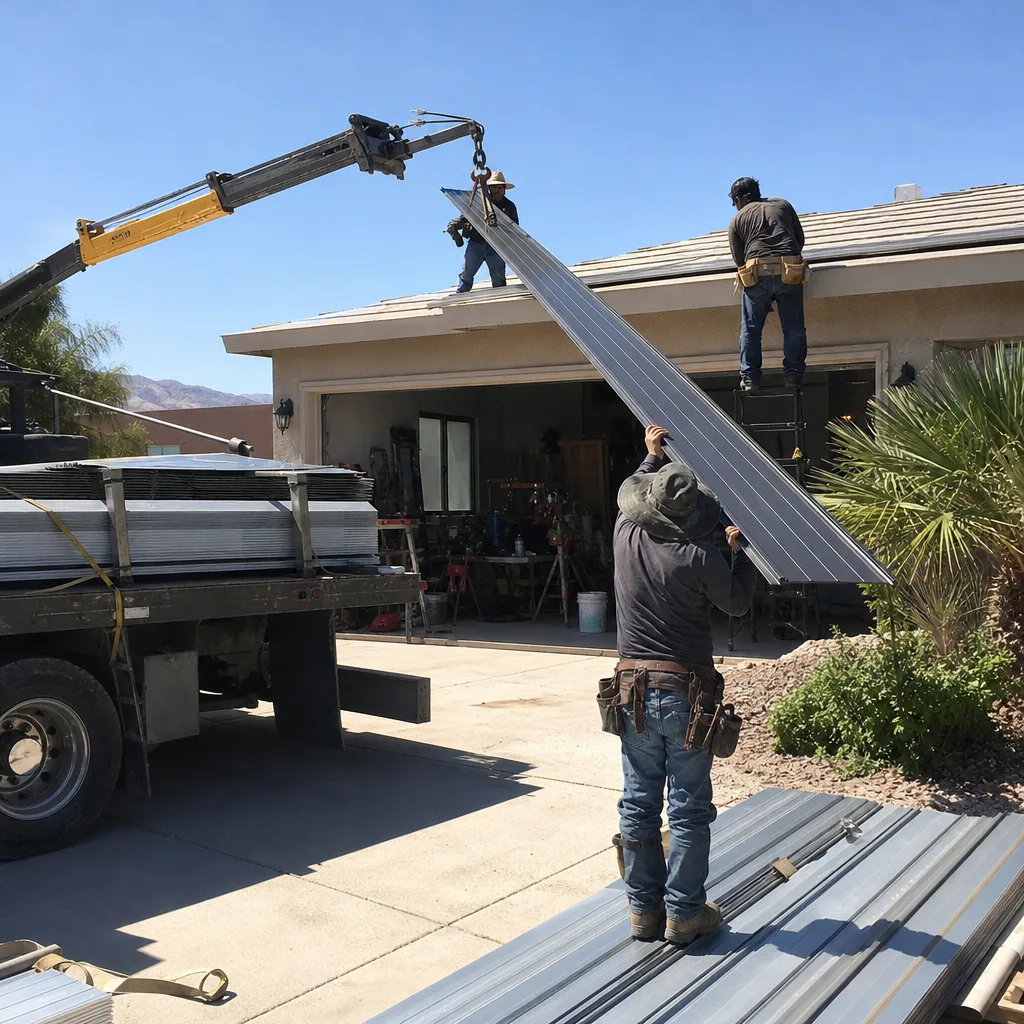
Owners here usually find the problem the same way. There’s a brown ring on the ceiling a week after a monsoon blows through, or a roofer up there for something else calls down that the felt is cooked and the decking under it gives when he walks. Sometimes it’s simpler: you’re up on a ladder clearing the swamp cooler line and the underlayment crumbles where the sun hits it. At that point the question stops being whether it’s failing and becomes which Atlas product was on there and what it takes to replace it right.
Which Atlas Models This Applies To
Atlas makes underlayment under a few different names, and they don’t all behave the same under a Boulder City summer. The two you’ll run into most are Summit 60 and Summit 180, both self-adhered products, plus their mechanically fastened versions. The number is the key: 60 and 180 refer to the temperature the adhesive is rated to handle, in degrees Fahrenheit. Summit 180 is the one built for desert heat. If a previous crew put Summit 60 on a south-facing slope here, you’ve found your failure before you’ve even climbed up.
To identify what’s actually on your roof, look at the selvage edge where two rolls overlap. Atlas prints the product name and a batch code along that edge. If the printing has faded off, measure the roll width (most of these run 36 inches) and check whether the membrane is stuck down or loose; self-adhered products peel up at the seams when the adhesive gives, and that tells you which family you’re dealing with. We photograph the label before anything comes off, because matching the replacement to the slope and exposure beats guessing.
On the OEM question: Atlas-branded underlayment is what we’d specify on an Atlas-shingled roof, since the system is tested together. A quality synthetic equivalent works fine on a mixed roof and can save money, but it has to carry a comparable temperature rating or you’re installing the same failure a second time. We’re an independent roofing company, not affiliated with Atlas; we just install their products often enough to know them.
Styles & brands we work with
- Architectural shingles
- Metal roofing
- Tile roofing
- GAF
- Owens Corning
- Flat & low-slope
Signs Your Atlas Underlayment & Deck Repair Is Failing
- Wrinkled or wavy membrane visible at the eaves. Heat causes the adhesive to release and the material to buckle. That wrinkle is a channel for water running straight back under the shingles.
- Stains on the ceiling or top plates inside. Water is getting past the shingles and through a failed seam. In Boulder City we see this most after the July and August storms, when an inch of rain lands in twenty minutes.
- Soft spots when you walk the roof. The decking under a failed underlayment has been taking moisture. Soft decking means the plywood or OSB is delaminating and the fasteners are losing their bite.
- Curling shingles in one concentrated area. Trapped moisture under the shingle cooks the mat from below. A patch of curling on a single slope usually points at the underlayment beneath it, not the shingle itself.
- Visible daylight or dark staining in the attic between rafters. That’s the underlayment gone and the deck showing it. Left alone through one more summer, the sheathing goes from repairable to replaceable.
One reality about underlayment lifespan here: a properly installed synthetic underlayment under shingles can last decades, but exposed underlayment on a low-slope porch or shed roof in southern Nevada sun is a different animal. UV breaks it down in a handful of years. If you have an exposed section, that’s a maintenance item, not a forever roof.
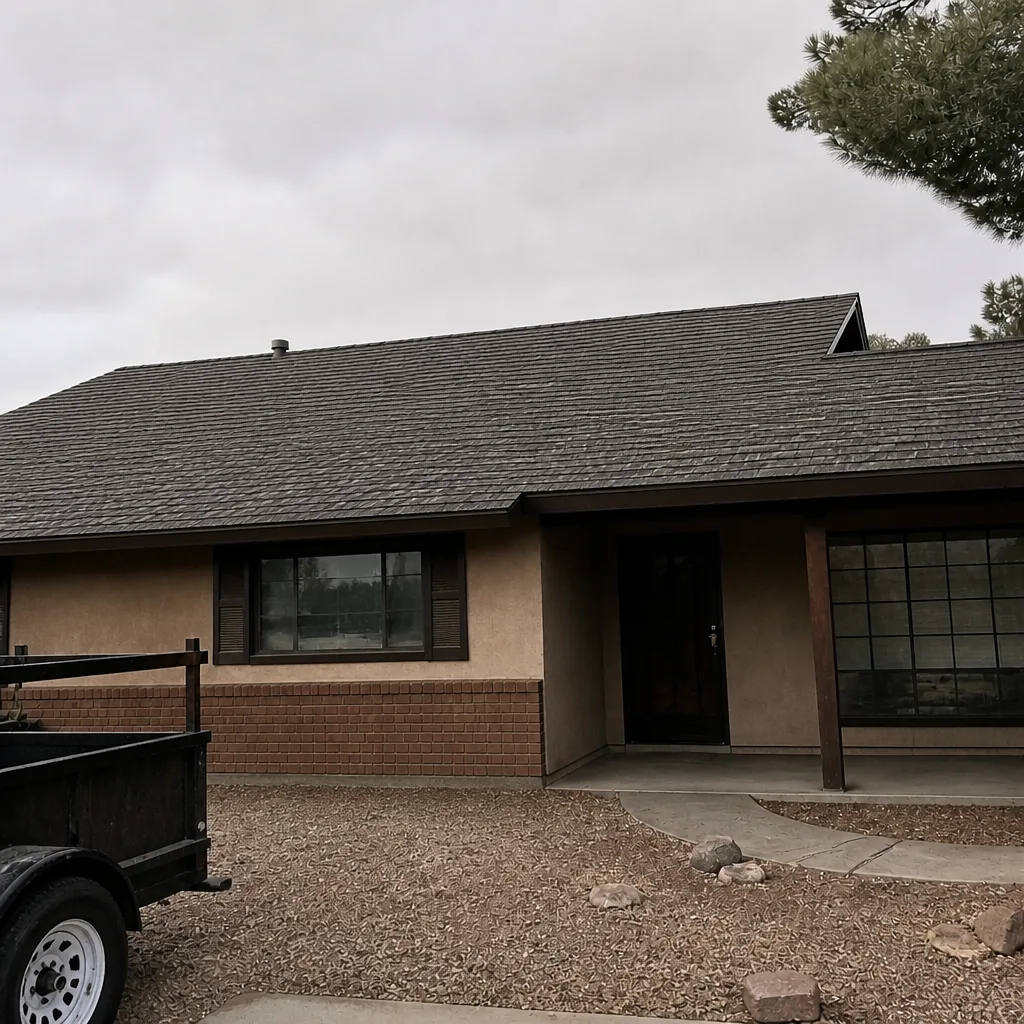
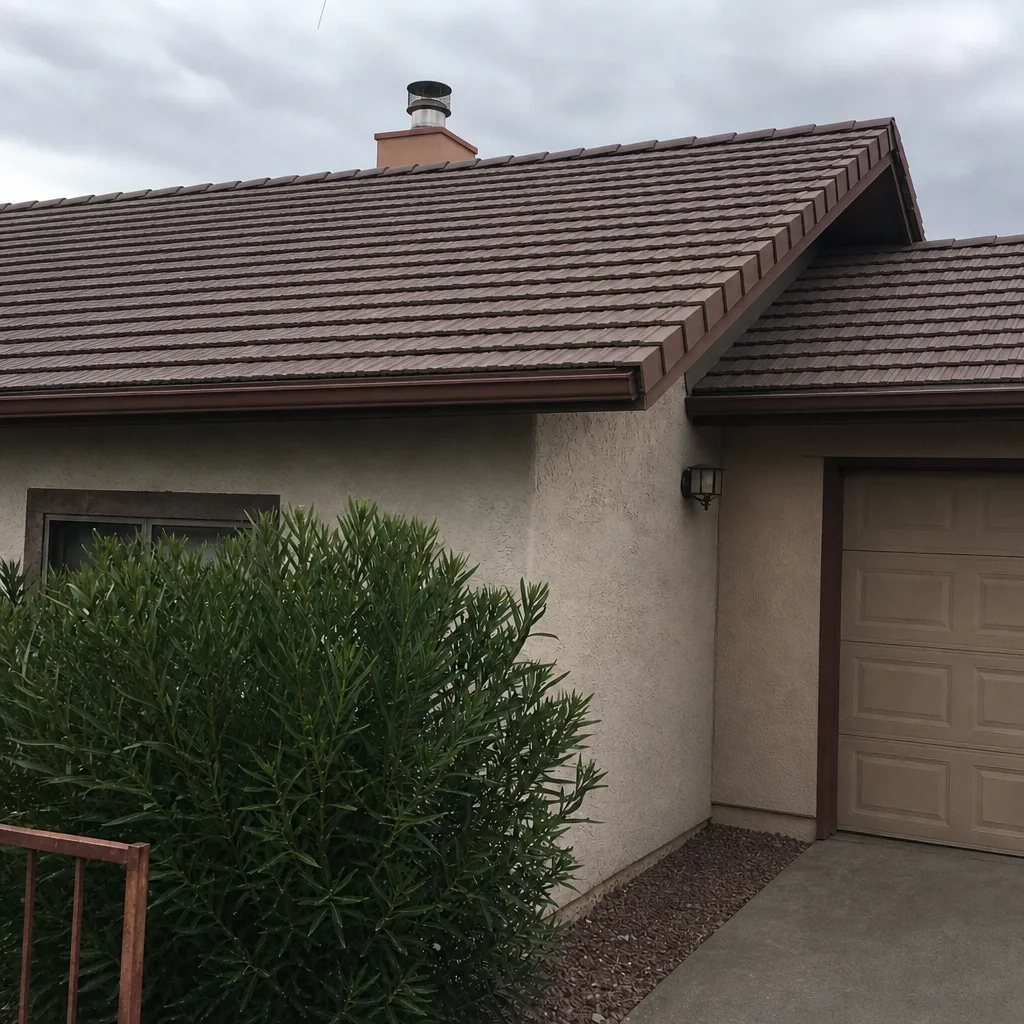
See the difference
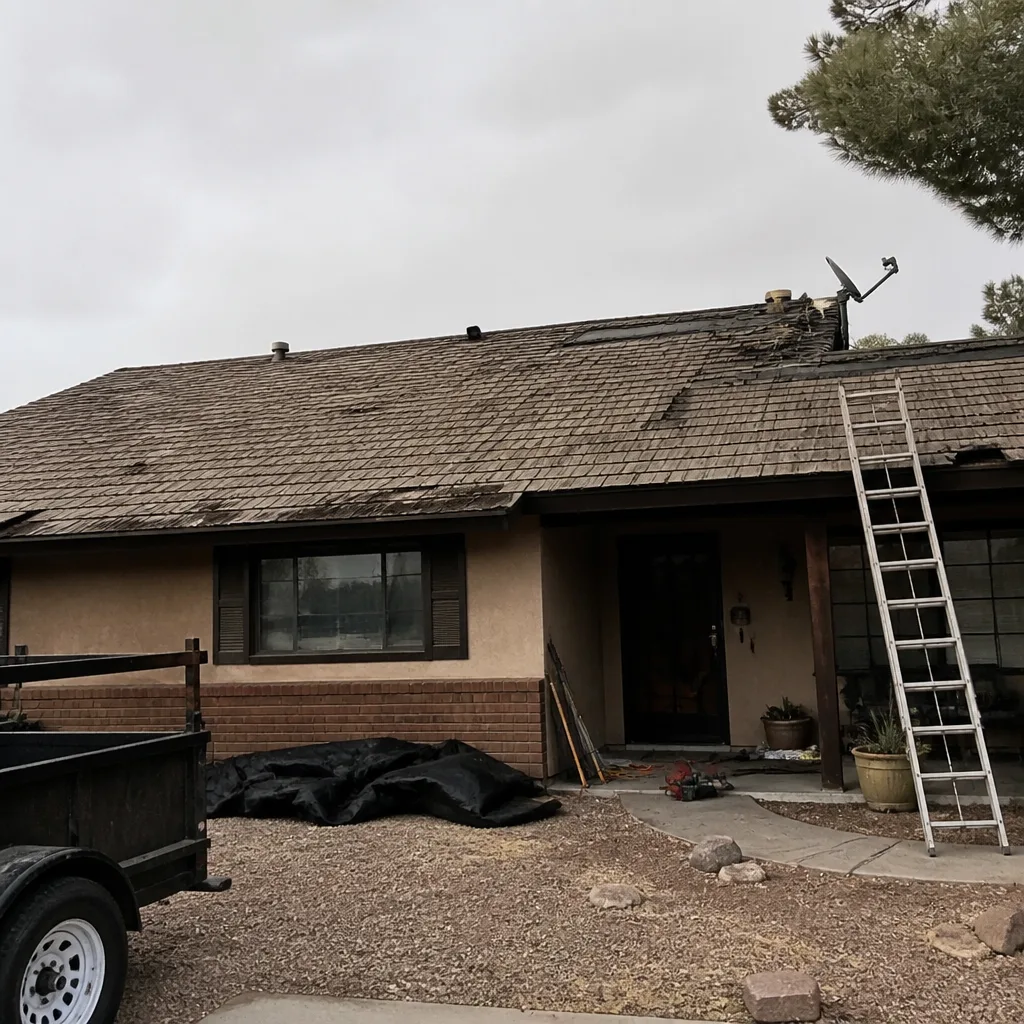 Before
 After
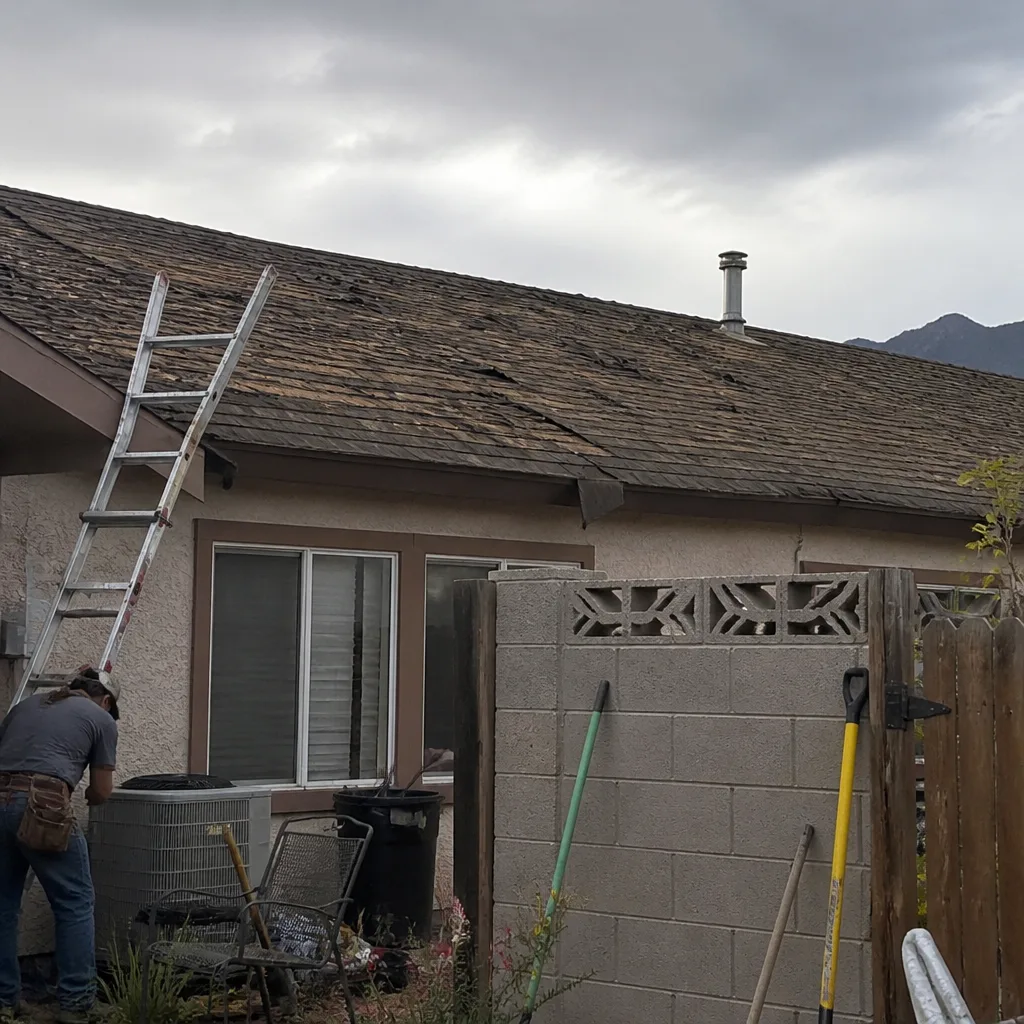 Before
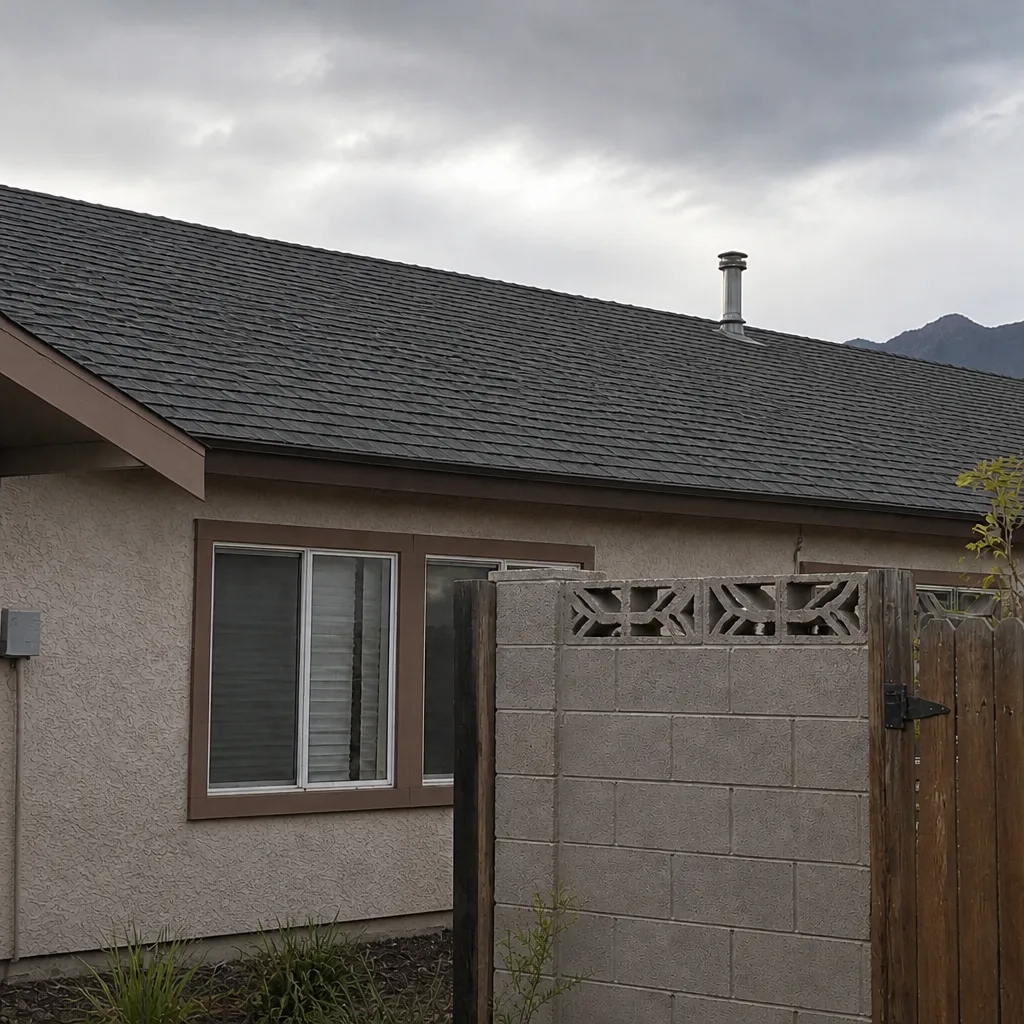 After
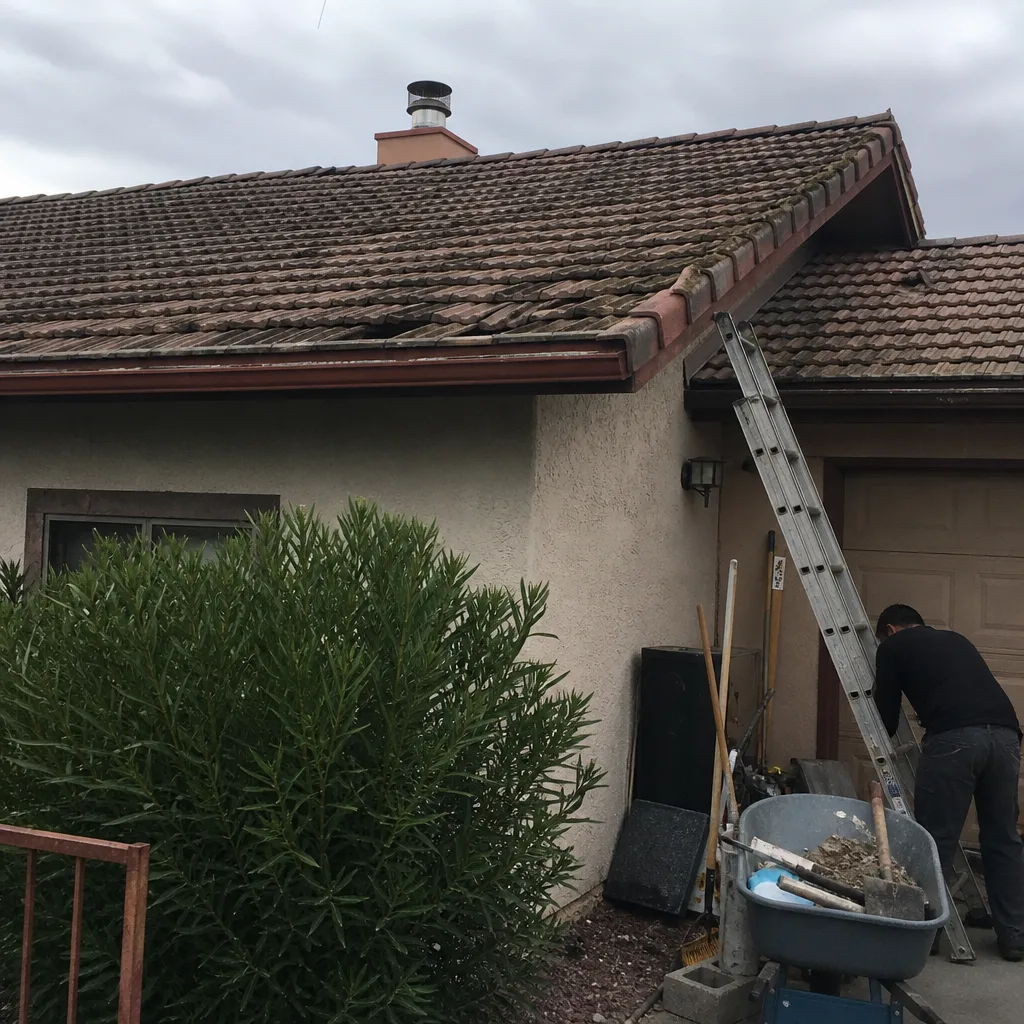 Before
 After
Replacement Cost & What’s Included
Here’s what the range looks like in Boulder City, and what pushes it up or down.
| Item | Typical cost |
|---|---|
| Underlayment replacement, small repair area (100-300 sq ft) | $950 – $1,600 |
| Underlayment replacement, full slope with shingle reset | $1,800 – $3,400 |
| Decking replacement, per sheet of 7/16 OSB or plywood | $65 – $140 installed |
| Deck repair at penetrations (vents, swamp cooler curb, chimney) | $250 – $700 |
| Full tear-off and re-roof with new underlayment (per square) | $475 – $725 |
What drives the number: how much decking is soft, whether the shingles above the repair can be salvaged or have to come up, and how many penetrations need re-flashing. We give you a written line-item quote with the square count on it, so you can see exactly what’s being replaced and what isn’t. No trip charge inside our own county, and a free second opinion on any written estimate you’ve already got. Every job carries our written 90-Day Done Right Promise; if something’s not right, one call brings Bill back.
DIY or Call Us?
You can safely do a few things. From the ground with binoculars, look for wavy edges at the eaves and for shingle areas that are curling in one spot. In the attic with a flashlight, check the decking between rafters for dark staining. Write down what you find and the date. That’s useful information and it costs nothing.
What we’d steer you away from is climbing up and lifting shingles to inspect the underlayment yourself. Roofs here run steep, the surface gets hot enough to blister a hand by mid-morning, and once you start prying shingles you’re committed to a repair whether you found a problem or not. Falls off a single-story roof are the injury we hear about most, and they happen to careful people. Let someone with fall protection and a ladder that’s actually tied off take that look.
Call (844) 761-8186 and we’ll come out, get on the roof, and tell you straight whether it’s a patch or a bigger job.
FAQs
Covered by shingles, a synthetic underlayment like Atlas Summit 180 should last the life of the roof, typically 20-plus years. Exposed to direct southern Nevada sun it degrades much faster, often within 5 to 8 years, so those sections need watching. Call (844) 761-8186 for a free estimate if you’re not sure which you have.
Sometimes. Small punctures and one failed seam can be patched with compatible material and re-flashed. Once the membrane has wrinkled across a whole slope or the decking beneath is soft, patching just delays the inevitable and costs you twice. We’ll show you the deck photos before we talk money so you can decide.
A localized underlayment and deck repair usually takes a day. A full-slope replacement with shingle reset runs two to three days, and a full re-roof takes longer. Weather and how much decking needs replacing both move that number. Call (844) 761-8186 to schedule your free estimate.
We order through roofing supply houses that carry the Atlas line, matched to your roof’s slope and exposure, and we confirm the batch and temperature rating before it goes up. We don’t claim to keep Atlas parts on a truck; the right product gets ordered for your job. A live person answers the phone around the clock, so call (844) 761-8186 anytime.
Written by the team at Shepherd & Sons Roofing Boulder City, serving Boulder City and nearby areas.