
Last updated November 17, 2026
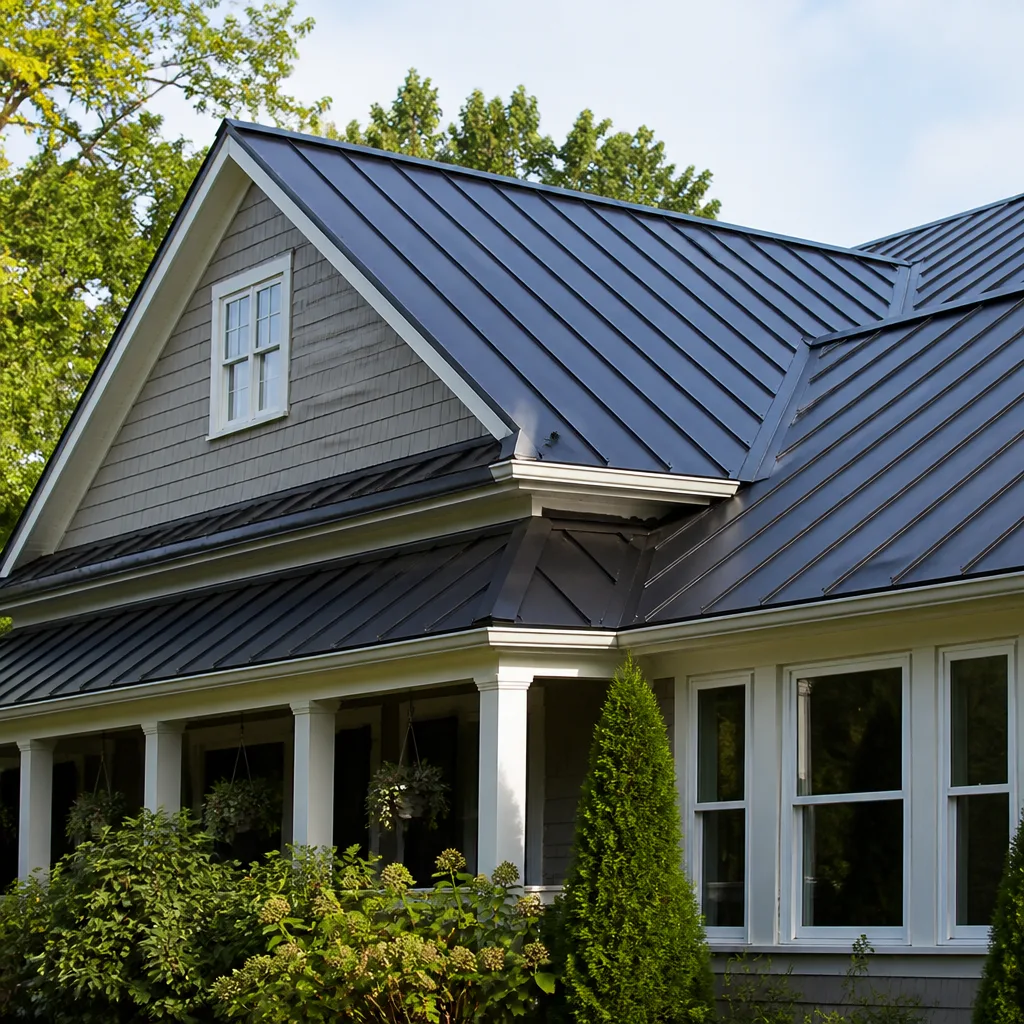 Metal roofing
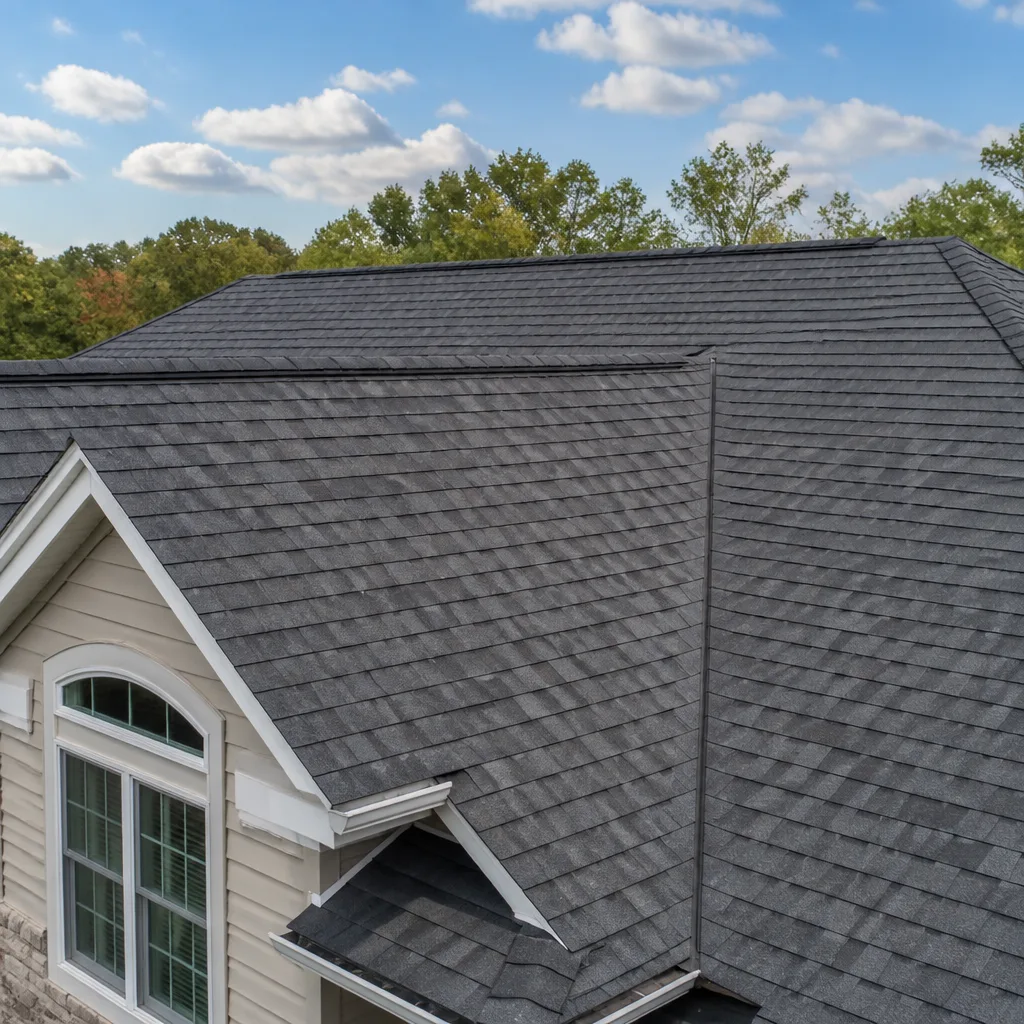
 Architectural shingles
 Tile roofing
 GAF
 Owens Corning
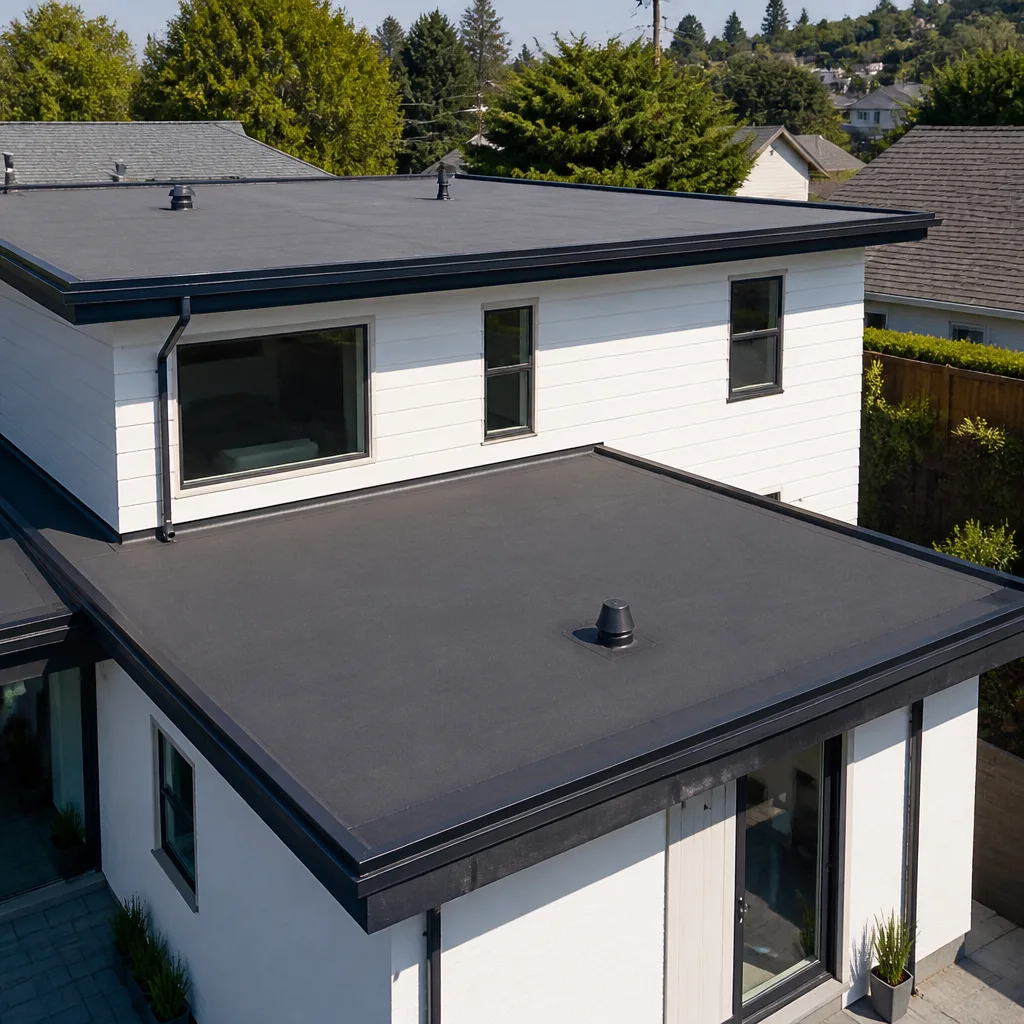 Flat & low-slope
Free roof inspection with deck photos before we talk money - GAF and Owens Corning certified installation
Roofing Permits, Codes & Inspections in NV: What You Need to Know
If a roofer tells you permits aren’t necessary for a full replacement, that’s either ignorance or a signal they don’t want an inspector looking at their work. Either way, it’s your house on the line, not theirs. Here’s the part that surprises most folks: Nevada doesn’t run one single permit system for roofing. The state code sets the baseline, but individual cities layer their own rules on top, and Boulder City is one of them. What that means in plain terms is the answer to “do I need a permit?” depends on your address, the scope of the work, and who’s checking. This guide walks through what actually triggers a permit in Boulder City, what an inspector looks at, and why skipping the paperwork can cost you at insurance-claim time or at the closing table.
Quick Answer
In Boulder City, a straightforward repair (patching a leak, replacing a few shingles or a small section of flashing) generally doesn’t require a permit, but a full roof replacement (new roofing over the entire surface, whether that’s a tear-off or a re-cover) requires a permit and at least one inspection by the city’s building department. Unpermitted replacement work can surface during a home sale title search and, in some cases, can trigger a denial or a fight with your homeowner’s insurance carrier after a future claim. The safest rule: if the job replaces the roof rather than patching it, assume a permit is required and ask your contractor to show you the posted inspection card.
Styles & brands we work with
- Architectural shingles
- Metal roofing
- Tile roofing
- GAF
- Owens Corning
- Flat & low-slope
Table of Contents
- Why Roofing Permits Matter More Than Most Homeowners Realize
- The Boulder City Threshold: When Repair Becomes Replacement
- What a Boulder City Roofing Inspection Actually Checks
- Clark County vs. City of Boulder City Permit Jurisdiction
- Self-Permitting vs. Licensed Contractor Pulls in Nevada
- How Unpermitted Work Shows Up at Resale
- Nevada Code Context: Wind, Heat, and Historic Districts
- Step-by-Step: The Permit Process From Start to Finish
Why Roofing Permits Matter More Than Most Homeowners Realize
A roofing permit is a legal document that says the work being done on your house has been reviewed by a building official and will be checked at key stages. It’s not a tax on your project and it’s not a formality. It’s the paper trail that ties a specific scope of work to a specific address on a specific date, signed off by someone with no financial stake in whether the roofer cut corners.
Skip it, and you don’t just risk a fine. In our experience, the real exposure shows up years later. When a windstorm peels a section of shingles off a Boulder City roof and the homeowner files a claim, the adjuster asks for the install documentation. No permit, no inspection card, no record of who did the work or to what standard. That’s when a claim that should have been straightforward turns into an argument about whether the roof was ever properly attached in the first place.
There’s a second layer most people don’t think about: insurance underwriting. Carriers increasingly ask for proof of permitted, inspected roofing work on homes older than a certain age. A permitted roof signals a documented, code-compliant install. An unpermitted one signals the opposite. Boulder City has a lot of older homes where the original roof is now two or three generations deep, and the paper trail matters more here than it does on a brand-new build.
The permit also protects you against the roofer. If the crew shows up, tears off and disappears, the permit ties the job to a licensed, accountable contractor. The building department knows who pulled it. You know who pulled it. That’s a real form of leverage when something goes wrong.
The Boulder City Threshold: When Repair Becomes Replacement
This is the question we get asked more than any other: do I need a permit for this? The honest answer depends on scope, and the line between repair and replacement isn’t always a full tear-off. Here’s how we think about it in the field.
Generally treated as repair (no permit typically required):
- Replacing a handful of damaged or missing shingles after wind or hail
- Patching a localized leak around a vent pipe, chimney, or skylight
- Replacing a short run of step flashing along a wall or valley
- Re-sealing or re-caulking around penetrations
- Minor fascia or drip-edge repair on a few linear feet
Generally treated as replacement (permit required):
- Any full tear-off down to the deck, even if it’s just one slope
- Re-covering an existing roof with a new layer of shingles or panels
- Replacing more than a small percentage of the roofing surface
- Structural decking replacement beyond a spot repair
- Any change to the roof’s profile, pitch, or material type
Here’s the wrinkle: Boulder City’s rules don’t always track what a homeowner assumes. A “repair” that replaces half the back slope of a roof is, in the building department’s eyes, a replacement of that slope, and it wants a permit and an inspection on it. If a contractor tells you a 1,200-square-foot re-cover doesn’t need a permit, ask them to show you the code section. In our experience, they can’t.
If you’re not sure which side of the line your job falls on, the safe move is to call the Boulder City building department and describe the scope. They’ll tell you. Five minutes on the phone beats a surprise at resale.
What a Boulder City Roofing Inspection Actually Checks
A roofing inspection isn’t a housekeeping walk-through. The inspector is verifying that the work matches the permitted scope and meets the adopted building code. Here’s what gets looked at, in the order most inspections follow.
- Deck condition before cover. If decking was replaced, the inspector wants to see the attachment. Nailing pattern, fastener spacing, and panel condition all get checked before the roof is covered over.
- Underlayment. Type, overlap, and coverage area. In Boulder City’s heat, underlayment failure is a real thing, and inspectors know it.
- Flashing and penetrations. Chimney flashing, valleys, step flashing at walls, vent boots, and skylight curbs. This is where most leaks start, so it’s where most inspection attention lands.
- Nailing pattern. For shingle roofs, the wind rating is earned by the nailing pattern, not by what’s printed on the shingle wrapper. Inspectors check placement and count.
- Final cover and edge metal. Ridge cap, drip edge, and any exposed fasteners.
Most Boulder City roofing inspections are done in stages: a deck/underlayment inspection before the roof is covered, then a final inspection once the roof is complete. The contractor should post the inspection card at the job site (usually near the front door or the meter) so it’s visible to the inspector and to you. If you walk outside and there’s no card, ask why. A legit job always has one.
We’ve watched inspectors in this area zero in on flashing details around chimneys and swamp cooler penetrations, because our climate is hard on both. Heat cycling (Boulder City swings from 105°F summer afternoons to 75°F nights) stresses every seal and every piece of metal. The inspection is the moment where shortcuts show up.
Clark County vs. City of Boulder City Permit Jurisdiction
Here’s a piece of the puzzle that trips people up: Boulder City is not in Clark County’s unincorporated territory. It’s its own incorporated municipality, which means it runs its own building department and issues its own permits. If your address is inside the city limits, your permit is a City of Boulder City permit, not a Clark County one. If your address is just outside the city, it’s Clark County.
Why does this matter? Because a contractor who mostly works in Clark County may pull the wrong permit or assume the county’s rules apply. They don’t. The codes are similar in places and different in others, and the inspection process is run by a different office entirely. A permit pulled from the wrong jurisdiction is functionally the same as no permit: the work hasn’t been inspected by the authority that actually has jurisdiction over your address.
Boulder City’s boundary isn’t a straight line, and there are properties in the rural outskirts where it’s genuinely ambiguous. If you’re not sure which side of the line you’re on, the city’s building department can tell you in a two-minute phone call. So can we, for that matter. It’s a question we answer regularly because it affects which permit gets pulled and whose inspection card ends up on your wall.
If your work is inside the city, everything routes through Boulder City. That’s the answer, and it’s worth confirming before anyone orders materials.
Self-Permitting vs. Licensed Contractor Pulls in Nevada
Nevada allows a homeowner to pull certain permits on their own home, and it’s a real option for some small jobs. But it carries a liability most people don’t think through.
When you pull the permit as the owner, you become the responsible party for the work. That means:
- You’re attesting to the building department that the work complies with code.
- If the work later fails an inspection or causes damage, the responsibility traces back to you, not the contractor.
- Your homeowner’s insurance may treat owner-permitted work differently than contractor-permitted work when a claim comes in.
- If you sell the home and a buyer’s inspector finds a problem, “the homeowner pulled the permit” is a harder defense than “a licensed contractor pulled it and it passed.”
When a licensed contractor pulls the permit, the liability sits with them. They’re the responsible party of record. The building department knows who did the work. If a future claim or inspection issue arises, there’s a licensed party on the hook for it. That’s the arrangement most homeowners want.
Our advice is simple: for anything beyond cosmetic repairs, have the licensed contractor pull the permit. It costs the same in permit fees and it shifts the accountability. It’s also where a Boulder City homeowner gets real value from hiring a local, owner-operated roofer who will still be around to answer a question three years from now. Same address, same name on the license, same person on the roof. If you’ve ever dealt with an out-of-state storm chaser who couldn’t be found six months later, you know why that matters.
How Unpermitted Work Shows Up at Resale
Unpermitted roofing work often sits quietly for years. Then you go to sell, and it surfaces. The most common places it shows up:
- Title search and permit history. A buyer’s title company pulls permit records for the property. A roof that was replaced with no permit shows as an open question, not a fact.
- Home inspection report. A good inspector will note missing permit history when roofing appears newer than the last permitted work on file.
- Insurance underwriting on the buyer’s side. The buyer’s carrier may ask for proof the roof was permitted and inspected. If it can’t be produced, the buyer may face a coverage refusal.
- Appraisal notes. Some appraisers dock value or add a condition to an appraisal when the roof’s permit history is unclear.
What does it cost to fix retroactively? You can’t always fix it. Some jurisdictions allow a homeowner to apply for an after-the-fact permit and pay a penalty plus inspection fees, but the process often requires the roof to be opened up so an inspector can verify what’s underneath. In a Boulder City deal, we’ve seen sellers walk away from tens of thousands of dollars because the buyer wanted the roof brought to a permitted, inspected condition before closing. That’s real money spent to fix paperwork that should have been handled at install.
The cheapest path is always the same: get the permit at the time of work. The second-cheapest is to sort it out before you list. The worst outcome is finding out at the closing table, when the buyer has all the leverage and you have none.
Nevada Code Context: Wind, Heat, and Historic Districts
Nevada’s adopted building code sets the baseline roofing standards, but the local hot-weather and wind variables matter in ways that a generic code summary never captures. Three things in particular affect Boulder City roofs.
Wind. Boulder City sits on the edge of the Mojave with exposure to sustained wind events. The nailing pattern earns the wind rating on a shingle roof, not the shingle itself. An inspector checking nailing is checking whether the roof is likely to stay attached in a 90 mph gust. A crew that shortcuts the pattern can fail that check, which is exactly what a permit is designed to catch.
Heat. Summer surface temperatures on a shingle roof routinely exceed 170°F. Underlayment, sealant, and flashing details that work fine in a mild climate break down faster here. During an inspection, underlayment type and overlap get real attention because the local climate is unforgiving of shortcuts.
Historic districts. Boulder City has neighborhoods with historic character overlays. If your home is in one, the roofing permit process may also require review for material and profile compatibility. Tile, metal, and certain profiles get a closer look. This is where an experienced local roofer earns their keep, because the permitted scope has to match what the neighborhood review will approve.
Your material choice affects the code path too. Different roofing systems (asphalt shingle, metal panels, tile) have different attachment requirements and different inspection points. A GAF or CertainTeed shingle system is inspected one way; a standing-seam metal roof or a Boral tile install is inspected another. Knowing which checklist applies to which system is part of the job.
Step-by-Step: The Permit Process From Start to Finish
- Confirm scope and jurisdiction. Verify the address is inside Boulder City limits and confirm the job crosses the replacement threshold. Both should happen before a contract is signed.
- Contractor prepares the permit application. The application includes the scope, materials, and any required product specs (wind rating, underlayment type, attachment detail).
- Permit issued and fee paid. The permit fee is paid up front and posted to the address. You should be shown the permit number and the inspection card.
- Inspection card posted at the site. It goes near the front door or meter and stays visible for the duration of the job.
- Deck and underlayment inspection. The inspector reviews the decking and underlayment before the roof gets covered. Some jobs skip this stage if no decking is being replaced, but the contractor should ask.
- Final inspection after cover. The inspector confirms the completed roof matches the permitted scope. Only after the final sign-off is the permit closed.
- Permit closes and documentation is kept. A copy of the closed permit and the final inspection card belongs in your home records, not in the contractor’s files alone. Ask for it.
If you want a look at how these steps line up with what we actually do, Shepherd & Sons Roofing Boulder City home has the overview, and for tile or metal systems the inspection path looks slightly different – see Metal Roofing in Boulder City for how those installs are documented. If you’re patching a leak and trying to figure out whether it’s a repair or a replacement trigger, Roof Repair in Boulder City walks through that call.
Common Mistakes to Avoid
- Assuming “no tear-off” means “no permit.” Re-covering a roof is still a replacement in Boulder City’s eyes and needs a permit. A contractor who tells you otherwise is cutting a corner that ends up on your record, not theirs.
- Letting the contractor pull a Clark County permit for a Boulder City address. It happens more than you’d think when the roofer mostly works in the county. A permit from the wrong jurisdiction doesn’t count as an inspection of your roof.
- Self-permitting a full replacement to “save money.” You don’t save the permit fee, and you absorb the liability. The contractor should be the responsible party on the permit.
- Never looking at the inspection card. It’s posted at the site for a reason. If it disappears, ask why. If the inspector never shows, that’s a conversation worth having before the final invoice gets paid.
- Not keeping the closed permit for resale. A closed permit and final inspection card in your home records is worth real money at closing. A missing one is worth real money against you.
- Hiring a storm chaser who’s gone before the inspection. After a Boulder City hail event, out-of-state crews roll through. If the crew who did the work can’t be found when the inspector calls, you’re the one chasing paperwork.
- Ignoring historic-district review. If your home sits in one of Boulder City’s historic overlays, the permit process also runs through a design review. Skipping it stalls the permit and can require the work to be redone with a different material.
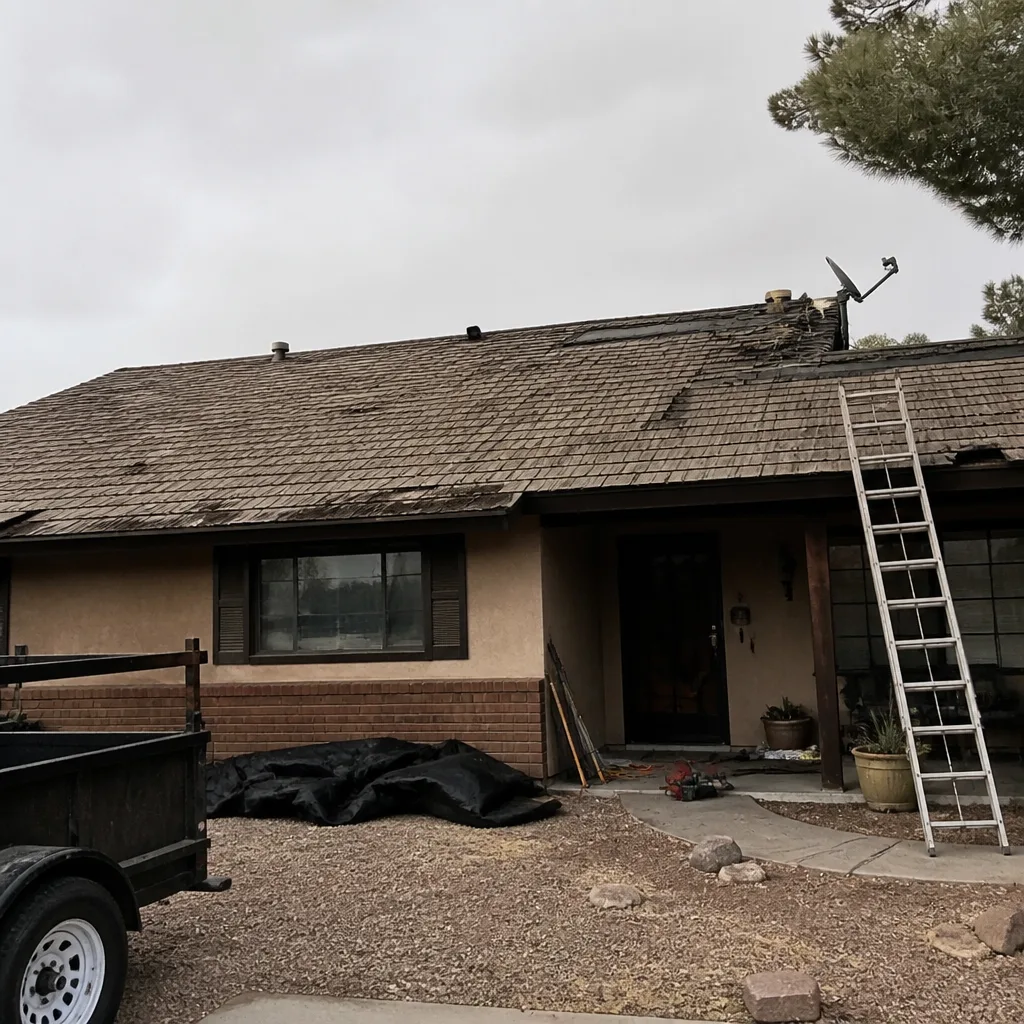
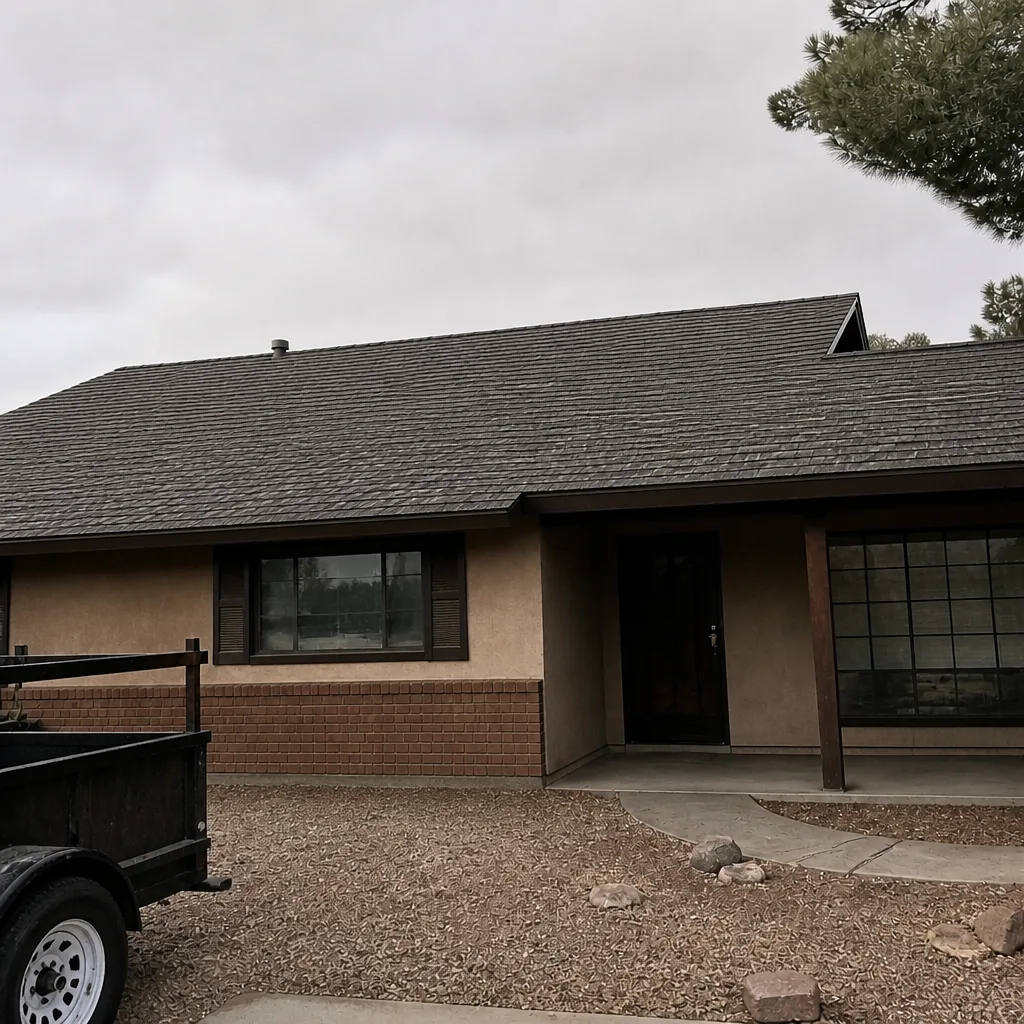
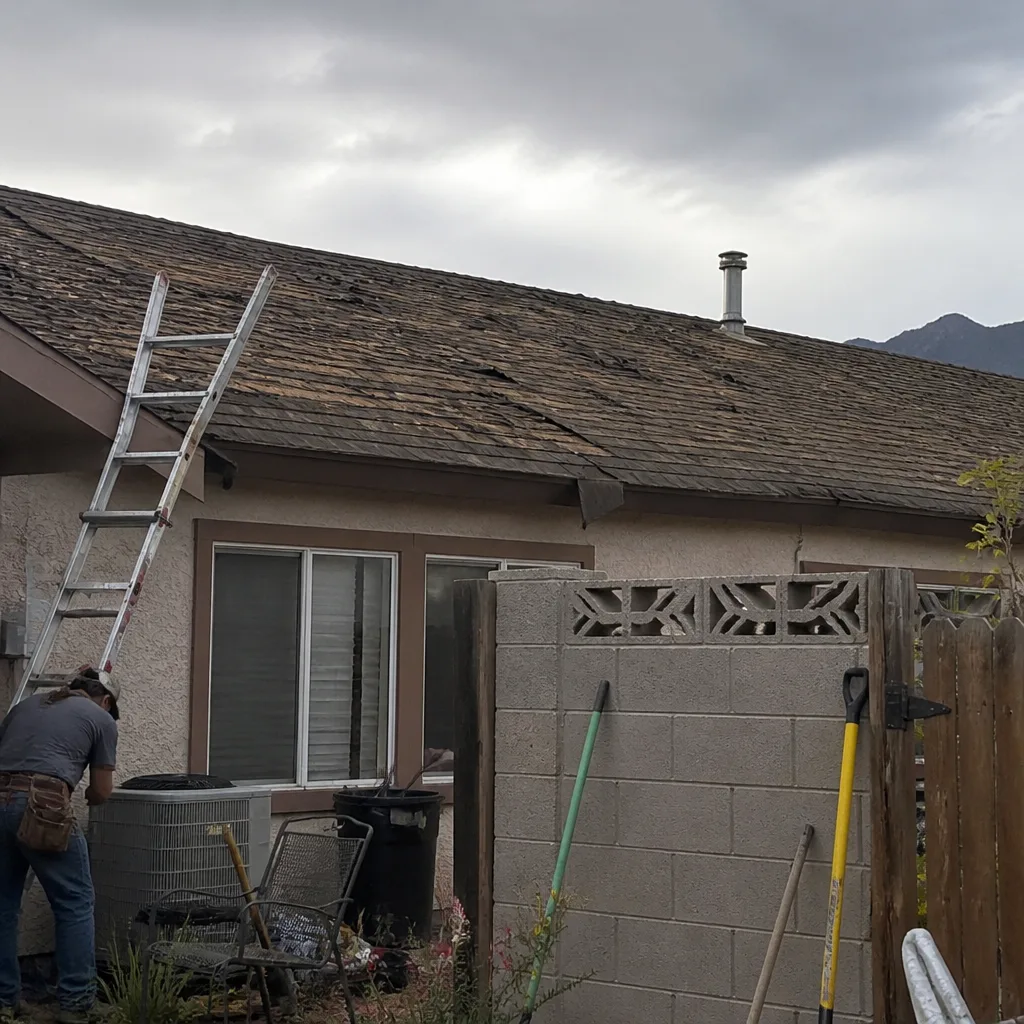
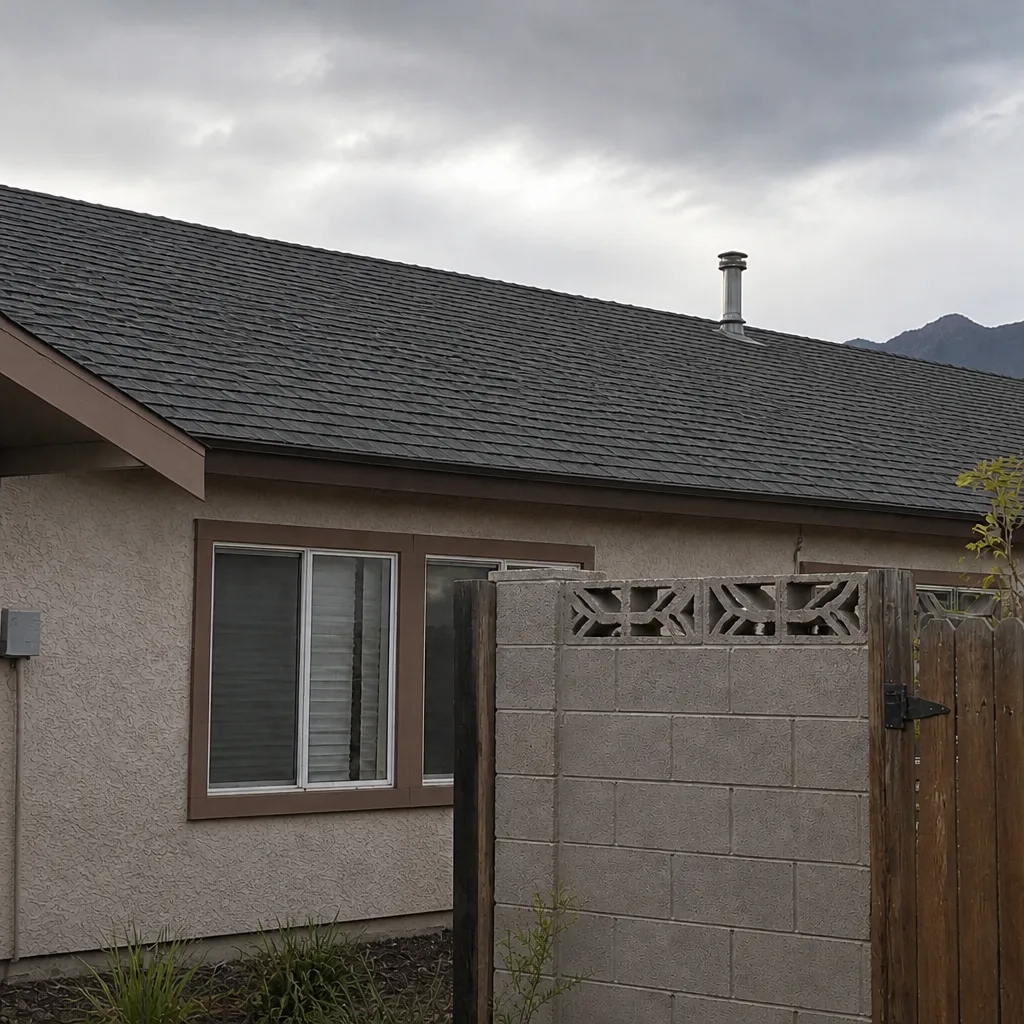
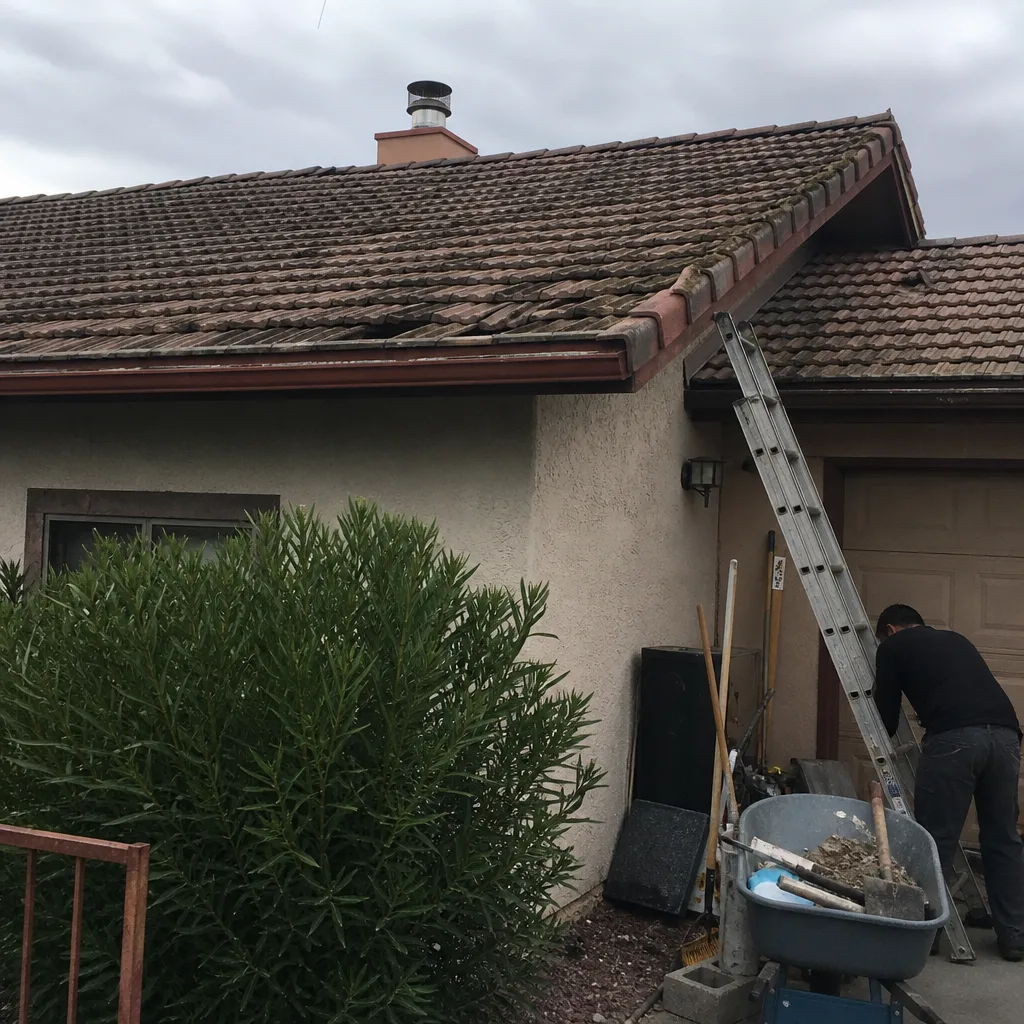
See the difference
 Before
 After
 Before
 After
 Before
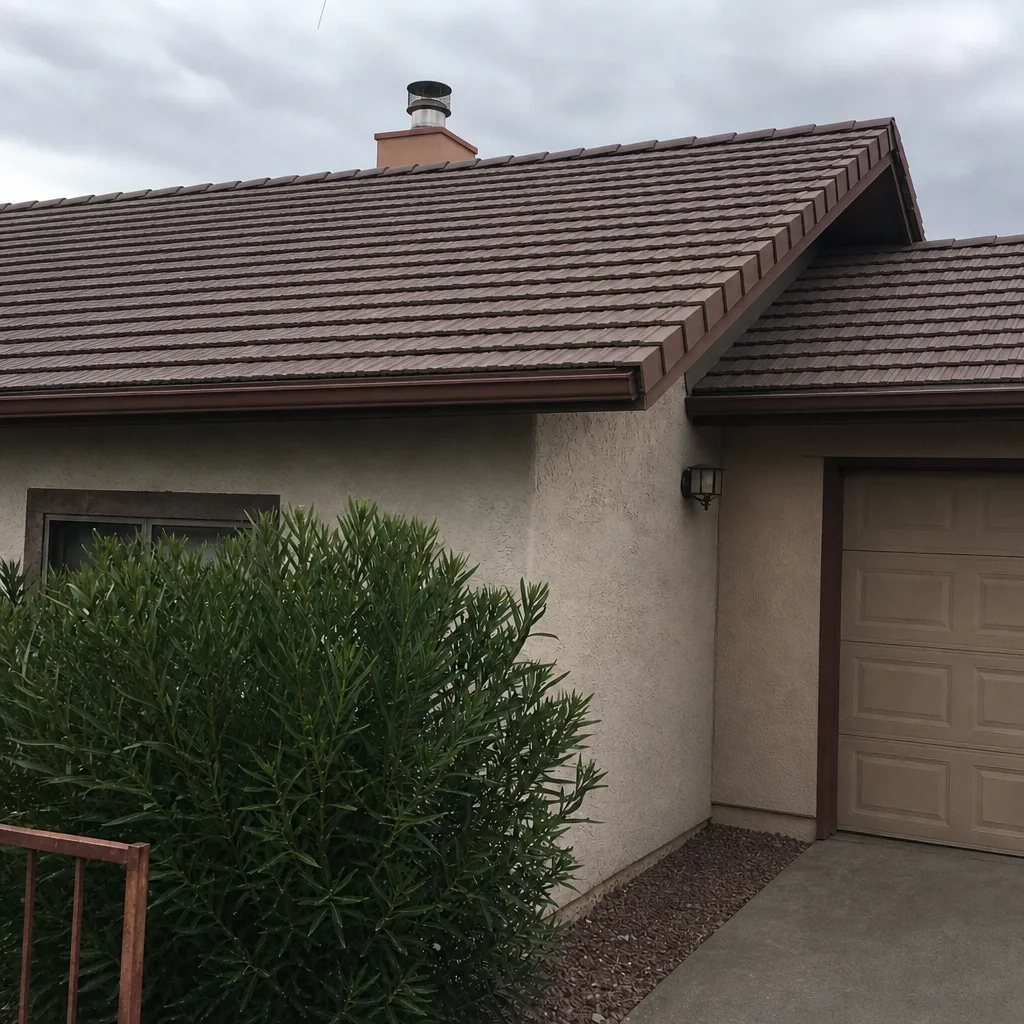 After
When to Call a Professional
Call before you sign anything if any of these apply: a contractor has told you a full replacement doesn’t need a permit; your home is in a Boulder City historic overlay and the material question is unresolved; you’re buying or selling a property with unclear roof permit history; or a storm has hit and a crew you’ve never met is offering a same-week discount if you sign on the spot. These are the moments where a second set of eyes on the paperwork saves real money. A proper walkthrough and written scope of work, plus a check on whether the job crosses the replacement threshold, is the step most homeowners skip. Shepherd & Sons Roofing Boulder City offers free estimates and a free second opinion on any written estimate in Boulder City. Call (844) 761-8186. A live person answers, including after a storm, and we’ll show you the deck before we talk money. If you’re weighing repair against full replacement, Roof Replacement & Installation in Boulder City walks through the decision in plain terms.
Frequently Asked Questions
Yes. A full roof replacement in Boulder City requires a permit and at least one inspection from the city’s building department, even when the job is a re-cover rather than a full tear-off. The permit and inspection card should be posted at the site and closed after final sign-off. Call (844) 761-8186 for a free estimate and we’ll walk you through the permit path for your address.
Usually not. Minor repairs like replacing damaged shingles, patching a leak, or replacing a short run of flashing typically don’t require a permit in most Nevada jurisdictions. The line is scope: if the work replaces the roof surface rather than patching it, a permit is generally required. When in doubt, call the building department and describe the job. Call (844) 761-8186 and we’ll help you sort a repair from a replacement.
Boulder City is its own incorporated municipality with its own building department, so permits for addresses inside the city limits come from the City of Boulder City, not Clark County. If your address is outside the city, it falls under Clark County jurisdiction. Getting this wrong means the work may not be inspected by the authority that actually has jurisdiction over your address, which is functionally the same as no permit. Call (844) 761-8186 if you’re not sure which side of the line your house sits on.
Nevada allows a homeowner to pull certain permits on their own home, but the homeowner becomes the responsible party for compliance and inspection. For anything beyond cosmetic repairs, have the licensed contractor pull the permit so the liability sits with them. It’s the same permit fee either way. Call (844) 761-8186 for a free estimate on a properly permitted job.
Unpermitted roofing work often shows up during the buyer’s title search or home inspection, and it can complicate the buyer’s insurance underwriting. Remediation may require an after-the-fact permit, penalties, and opening the roof up for inspection, which can run into real money at the closing table. The cleanest fix is to have the permit pulled and inspected at install time. Call (844) 761-8186 for a free second opinion on any written estimate you’ve been given.
The brand isn’t the inspection trigger; the attachment system is. The nailing pattern earns the wind rating, not the shingle wrapper, so inspectors check fastener placement, count, and pattern regardless of whether the roof is GAF, CertainTeed, Owens Corning, or another line. Underlayment type and flashing details get equal attention. Call (844) 761-8186 to talk through the install spec before you sign a contract.
The Bottom Line
Nevada’s permit rules aren’t one-size-fits-all, and Boulder City runs its own building department with rules that layer on top of the state baseline. A repair is generally fair game without a permit; a replacement (including a re-cover) is not, even when it’s only part of a slope. A posted inspection card is your proof the work is being watched, and a closed permit in your home records is worth real money at resale. Skip the paperwork and the exposure shows up later, usually at insurance claim time or the closing table. None of this is complicated once you know what to ask. If your roof needs work and you want it done to a documented, permitted standard, call (844) 761-8186 for a free estimate.
Written by the team at Shepherd & Sons Roofing Boulder City.