
Last updated November 17, 2026
 Architectural shingles
 Metal roofing
 Tile roofing
 GAF
 Owens Corning
 Flat & low-slope
Free roof inspection with deck photos before we talk money - GAF and Owens Corning certified installation
How Long Does Roof Repair Take? Timelines and What to Expect
Any roofer who gives you a firm completion time before seeing your decking is either guessing or hoping you won’t notice when they’re wrong. That’s the blunt version, and it holds true across Boulder City. The honest answer to “how long will my repair take” isn’t a single number: it’s a decision tree. The first branch is whether the wood under your shingles is dry or rotted, and nobody can tell you that from the driveway. The second is the permit inspection queue. The third is the weather, which here means desert heat as much as rain. In this guide, we’ll walk through realistic timelines for the five most common repairs, explain what “hidden damage” actually means, and show you how to read a repair timeline so you can tell a prepared contractor from someone making up numbers.
Quick Answer
Most common roof repairs take between 2 hours and a full day, depending on the type. A pipe boot swap runs about 2 hours, a valley re-flash is a half day, and a partial re-shingle under 10 squares takes a full day. If the decking underneath turns out to be rotted, add 1 to 2 days. Flat roof membrane patches land in the 4-to-6-hour range. Permits and Boulder City inspection scheduling can add additional time on top of the physical work.
Styles & brands we work with
- Architectural shingles
- Metal roofing
- Tile roofing
- GAF
- Owens Corning
- Flat & low-slope
Table of Contents
- Timelines for the Five Most Common Repairs
- The Decision Tree: Why There’s No Single Answer
- Decking: The Branch Nobody Can See From the Ground
- Permits and the Boulder City Inspection Queue
- What “Hidden Damage” Really Means
- Weather Windows and the 105°F Rule
- How to Read a Repair Timeline Estimate
- Common Mistakes to Avoid
- When to Call a Professional
- Frequently Asked Questions
Timelines for the Five Most Common Repairs
Here’s the practical breakdown for the repairs we handle most often in Boulder City. These ranges assume no surprise damage once the shingles come up, and they’re for the physical work itself, not counting permit wait time.
- Pipe boot swap: about 2 hours. The rubber boot around a plumbing vent cracks in the sun. Swapping it is quick and cheap, and it’s one of the most common leaks we find here.
- Valley re-flashing: about half a day. Where two roof planes meet, water concentrates. Re-flashing a valley means lifting shingles on both sides, laying new metal, and re-sealing correctly.
- Partial re-shingle under 10 squares: a full day. A “square” is 100 square feet of roof surface. Under 10 squares, one crew can tear off, inspect the deck, and re-shingle in a day if the wood is sound.
- Decking replacement: adds 1 to 2 days. This is the wildcard. If the plywood or plank decking is rotted, it has to come out and be replaced before anything goes back on.
- Flat roof membrane patch: 4 to 6 hours. Patching a low-slope or flat section, common on additions and porches, is a half-day job in most cases.
If you’re comparing this to a full Roof Repair in Boulder City, keep in mind that a full replacement is a different animal entirely and runs several days, not hours.
The Decision Tree: Why There’s No Single Answer
Think of a repair timeline as a series of branches rather than a straight line. Each branch either adds time or doesn’t. A contractor who respects you will walk you through the branches before the work starts, not after.
- Branch one: Is the decking dry? If yes, the repair moves fast. If no, it becomes a wood-replacement job inside a shingle job.
- Branch two: Does the repair need a permit? Structural repairs and decking replacement typically do. A simple boot swap usually doesn’t. Permits add scheduling time for the city inspection.
- Branch three: Is the weather right? Sealing flashing in extreme heat or during a monsoon window changes the schedule.
- Branch four: Is the leak bigger than it looked? Water travels. A stain on your ceiling can trace back to a leak two valleys away.
Every one of these branches can shift a one-day job into a three-day job, or leave it exactly where it was. That’s why a firm number given before anyone climbs a ladder is a red flag, not a sign of efficiency.
Decking: The Branch Nobody Can See From the Ground
Decking is the wood sheathing nailed across your rafters, the surface the shingles sit on. When it’s sound, a repair is quick. When it’s soft, spongy, or stained, it has to be replaced in the affected area or the new shingles will fail within a season or two. In Boulder City, the desert sun does a number on roof materials, but the bigger enemy is trapped moisture from a slow leak that nobody noticed until the ceiling stained. By then, the wood has often been wet for months.
In our experience, decking replacement adds 1 to 2 days to most repairs. The catch is that nobody can price this accurately until the shingles are off. So a good contractor prices the base repair and the contingency separately. That means you get a written number for the visible repair, plus a per-sheet figure for however much decking turns out to be rotted. You see the deck photos before anyone talks money. You aren’t blindsided when the shingles come up and the wood is bad.
This is why we treat the deck as the hinge everything swings on. A roofer who won’t inspect it, or who waves off deck condition, is skipping the step that determines whether your repair lasts.
Permits and the Boulder City Inspection Queue
Permits are one of the most overlooked parts of a repair timeline, and they’re where shortcuts show up. Boulder City handles its own building permits and inspections separately from Clark County, which means scheduling moves on the city’s calendar, not the contractor’s. A decking replacement or structural repair needs a permit and an inspection before the job can be signed off. That adds calendar days even when the physical work is a one-day job.
Some contractors will tell you to skip the permit to save time. That’s not saving you time: that’s cutting corners on the part that protects you if the work is ever questioned or if you sell the house. A permitted repair has a paper trail. An unpermitted one is a liability sitting on your roof.
So when you plan around a repair, budget for the inspection window on top of the crew time. Ask any bidder whether they’ll pull the permit and whether they’ll meet the inspector. The answer tells you what kind of operation you’re dealing with.
What “Hidden Damage” Really Means
“Hidden damage” gets thrown around a lot, and it makes homeowners nervous because it sounds like an open-ended bill. In practice, it means a specific, short list of things that only become visible once the surface layer comes off:
- Rotted decking: soft or crumbling plywood or plank under the shingles.
- Fascia damage: the wood behind your gutter line that rot or water can reach.
- Failed underlayment: the protective layer between deck and shingles that can tear or wear through.
- Damaged flashing at penetrations: where pipes, chimneys, or skylights meet the roof.
- Rafter damage in severe cases: when water has gone deep enough to affect the framing below the deck.
Here’s the practical move: ask your contractor to quote the base repair as a fixed number and the contingency as a separate line with a per-unit rate (per sheet of decking, per linear foot of fascia). That way you know exactly what the base job costs and exactly what each extra looks like before anyone touches your roof. A written line-item quote, agreed to before work starts, is the difference between a repair and a surprise.
Weather Windows and the 105°F Rule
Boulder City weather shapes the schedule in ways that don’t apply to most of the country. Wind is a factor, and so are summer monsoon storms, but the one that surprises most homeowners is heat. Roof sealants and flashing compounds have an ideal application temperature range. When the ambient temperature climbs above 105°F, most sealants cure erratically or fail to adhere properly. The surface of a shingle roof in direct desert sun gets considerably hotter than the air.
What that means for scheduling: smart roofers won’t seal flashing in the hottest part of a summer day. They’ll start early, work a shaded section, or wait for a cooler window. This isn’t a contractor being fussy. A seal done at 110°F can look fine and fail within a month. In our experience, the repairs that come back a season later are often the ones applied outside the correct temperature range.
If you’re booking a repair in July or August, ask the contractor how they handle heat. The answer that says “we start at dawn and finish sealing before it gets too hot” is the right one.
How to Read a Repair Timeline Estimate
A timeline estimate should read like a plan, not a guess. The questions below separate a prepared contractor from someone who saw a YouTube video and bought a ladder.
- How many squares did you measure, and how did you measure them? A roof is measured in squares (100 square feet each). A bidder who can’t tell you the count hasn’t inspected the roof.
- What’s the base repair, and what’s the decking contingency rate? Two separate numbers, both in writing.
- Will you pull the permit, and who meets the inspector? The right answer is the contractor.
- What’s the weather window you’re planning around? A prepared contractor has a heat and storm plan.
- What happens if the scope changes mid-job? The fair answer is a call before more work, with the new line-item price.
- Will the crew be on site the whole day, or will the job site sit open overnight? Tear-off and re-shingle should be back-to-back.
If a contractor answers these squarely, you’ve got someone who plans. If they hedge or bristle, keep looking. For a bigger project, the same rules apply to Roof Replacement & Installation in Boulder City, and the questions get even more important.
Common Mistakes to Avoid
- Accepting a firm completion time before the decking is inspected. If someone names a day and hour before they’re on the roof, they’re guessing or planning to argue with you later. Get a written base number plus a written contingency.
- Skipping the permit. A decking replacement or structural repair needs a Boulder City permit and inspection. A contractor who tells you to skip it is cutting corners on the part that protects your investment.
- Scheduling sealant work in the heat of the day. Above 105°F ambient, flashing and sealants can fail to adhere properly. Plan around the heat, not through it.
- Assuming a stain on the ceiling maps to a spot directly above. Water travels along rafters. A leak two valleys over can show up in the middle of a room.
- Paying a deposit before you’ve seen a written estimate and a license number. A real local operation is accountable, published, and lookable-up. No deposit before the paperwork.
- Choosing a storm chaser over the neighbor’s roofer. Out-of-state crews blow into Boulder City after hailstorms and leave. The roofer with a real local address and a face you’ll see at the hardware store is the one to call.
- Letting the job site sit open overnight. If the shingles are off, the deck is exposed. A repair that gets torn off one day and re-covered a week later is a water-damage job waiting to happen.
When to Call a Professional
Some roof problems are just annoying. Others are risky to touch. High-tension components and height work are where things get dangerous. Roof springs, cables, and anything on a steep slope belong to a trained professional, no exceptions. And while a small repair might look like a weekend project, a shingle roof in desert sun gets dangerously slick, and a fall from a two-story roofline is a life-altering event. The repair bill is the cheap part.
Call a professional when the leak has moved past an obvious penetration, when there’s any structural wood involved, when the roof pitch is anything steeper than you’re comfortable walking on wet, or when the leak has been present long enough to soften the ceiling. For a straightforward repair, a licensed roofer will show you the deck photos, give you a written line-item estimate, and tell you what the timeline actually depends on. We offer free estimates in Boulder City. Call (844) 761-8186 to schedule yours.
Frequently Asked Questions
Most common repairs in Boulder City take 2 hours to a full day, depending on type. A pipe boot swap is about 2 hours, a valley re-flash is a half day, and a partial re-shingle under 10 squares is a full day. If decking is rotted, add 1 to 2 days. Permits and inspection scheduling can add calendar time. Call (844) 761-8186 for an exact quote for your roof. Estimates are free.
Yes, usually. Permits themselves don’t take long to pull, but the Boulder City inspection scheduling adds calendar days on top of the crew time. The physical work may still be a one-day job; the inspection window is what extends the total timeline. A contractor who skips the permit to save you time is skipping the part that protects you.
Then the repair becomes a decking-replacement job inside a shingle job, which typically adds 1 to 2 days. The right way to price this is a written base repair plus a written per-sheet contingency rate, agreed before work starts. That way you aren’t blindsided by a new number mid-job. Ask any bidder for both figures in writing.
Yes, but sealant work happens early or waits for a cooler window. Above 105°F ambient temperature, many roof sealants and flashing compounds cure erratically or fail to adhere, which is why a smart roofer won’t seal flashing in the heat of a summer day in Boulder City. The repair gets done; it just gets done on a heat-aware schedule.
A realistic estimate answers a short list of questions in writing: how many squares were measured, what the base repair costs, what the decking contingency rate is, whether the contractor pulls the permit, and what the weather plan is. If a contractor can answer all five, the timeline is probably honest. If they can’t, it’s a guess.
A pipe boot swap typically runs around $150 to $300. A valley re-flash or partial re-shingle runs several hundred to a few thousand dollars depending on squares. Decking replacement adds a per-sheet cost on top. Every job gets a written line-item quote before work starts, and there’s a $40 off any repair over $200 standing offer. Call (844) 761-8186 for a free estimate on your repair.
The Bottom Line
Roof repair timelines come down to a decision tree, and the first branch is decking. Most common repairs in Boulder City run 2 hours to a full day, and the two things that stretch that window most often are hidden deck damage and the city permit inspection queue. Any contractor who’ll quote you a firm date before inspecting the deck is guessing. Ask for a written base repair plus a written contingency rate, ask who’s pulling the permit, and ask how they plan around summer heat. That’s how you know a timeline is honest. For a roof with more age on it, the same rules apply to Metal Roofing in Boulder City if you’re weighing a longer-lived material. Shepherd & Sons Roofing is your locally owned, licensed and insured roofer, and you can always start at our Shepherd & Sons Roofing Boulder City home to see how we work.
Call (844) 761-8186 for a free estimate. We’ll show you the deck photos before we talk money, give you a written line-item quote, and tell you exactly what your repair timeline depends on.
Written by the team at Shepherd & Sons Roofing Boulder City.
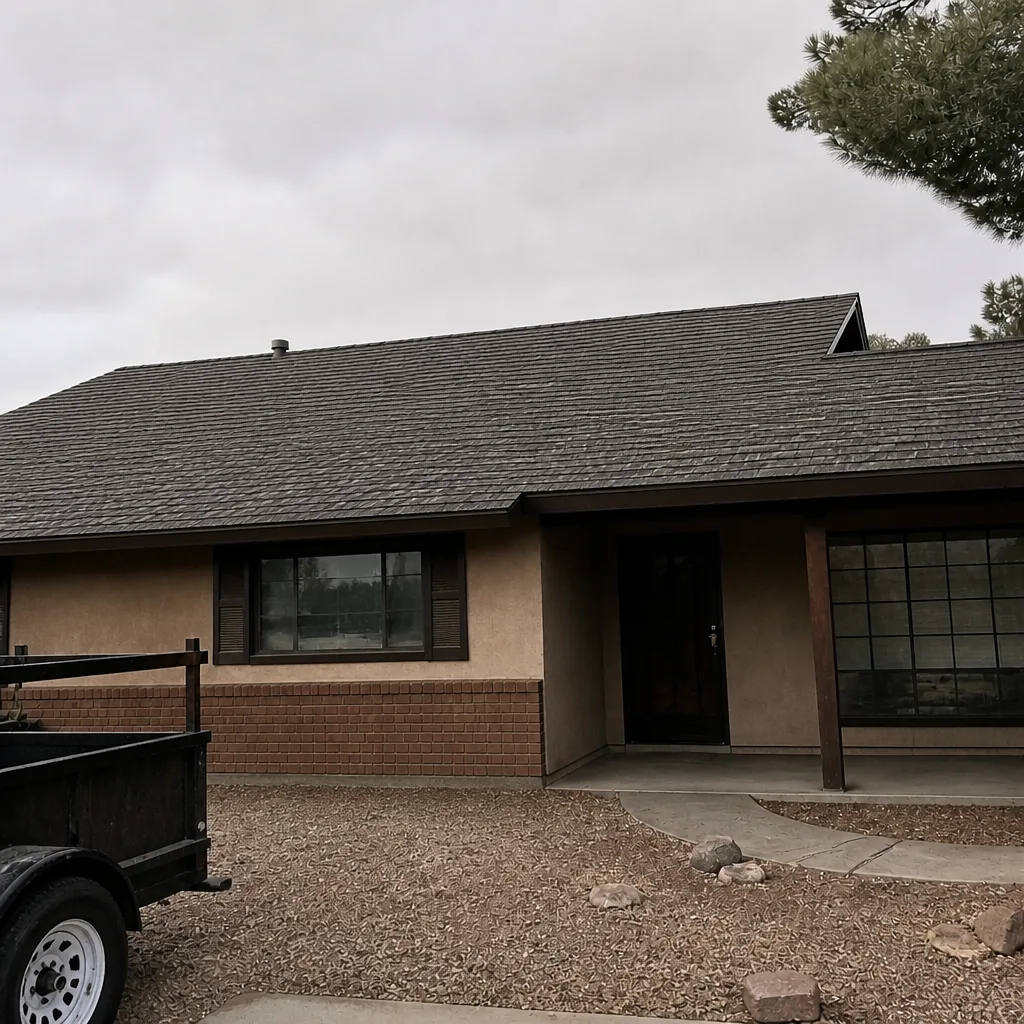
See the difference
 Before
 After
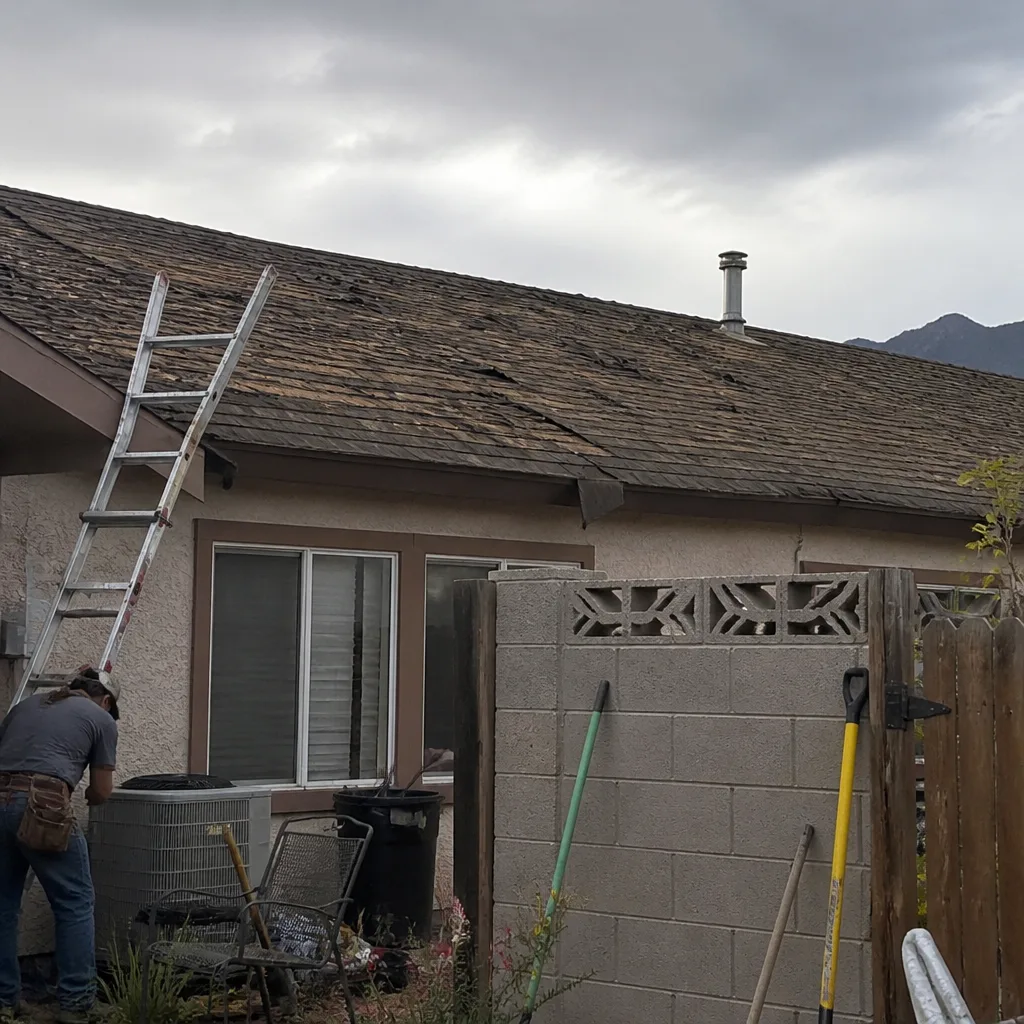 Before
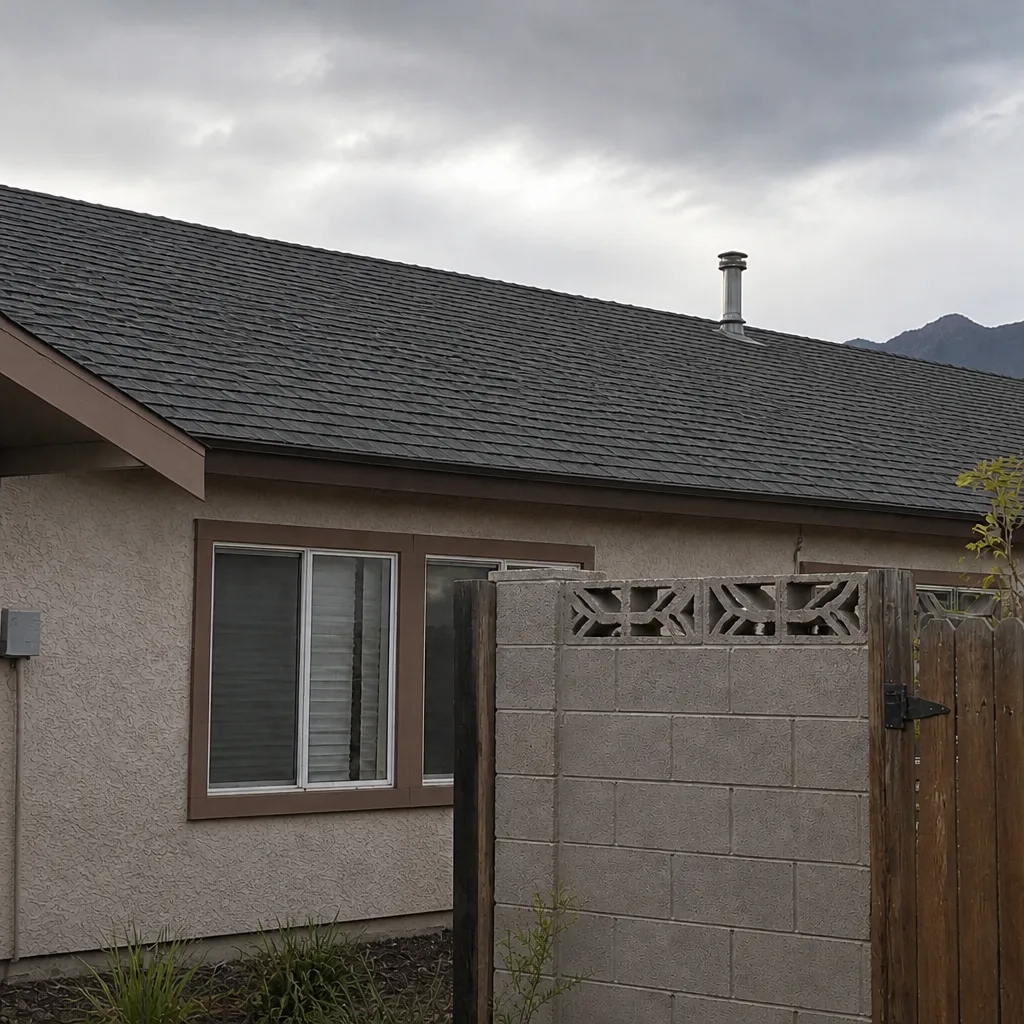 After
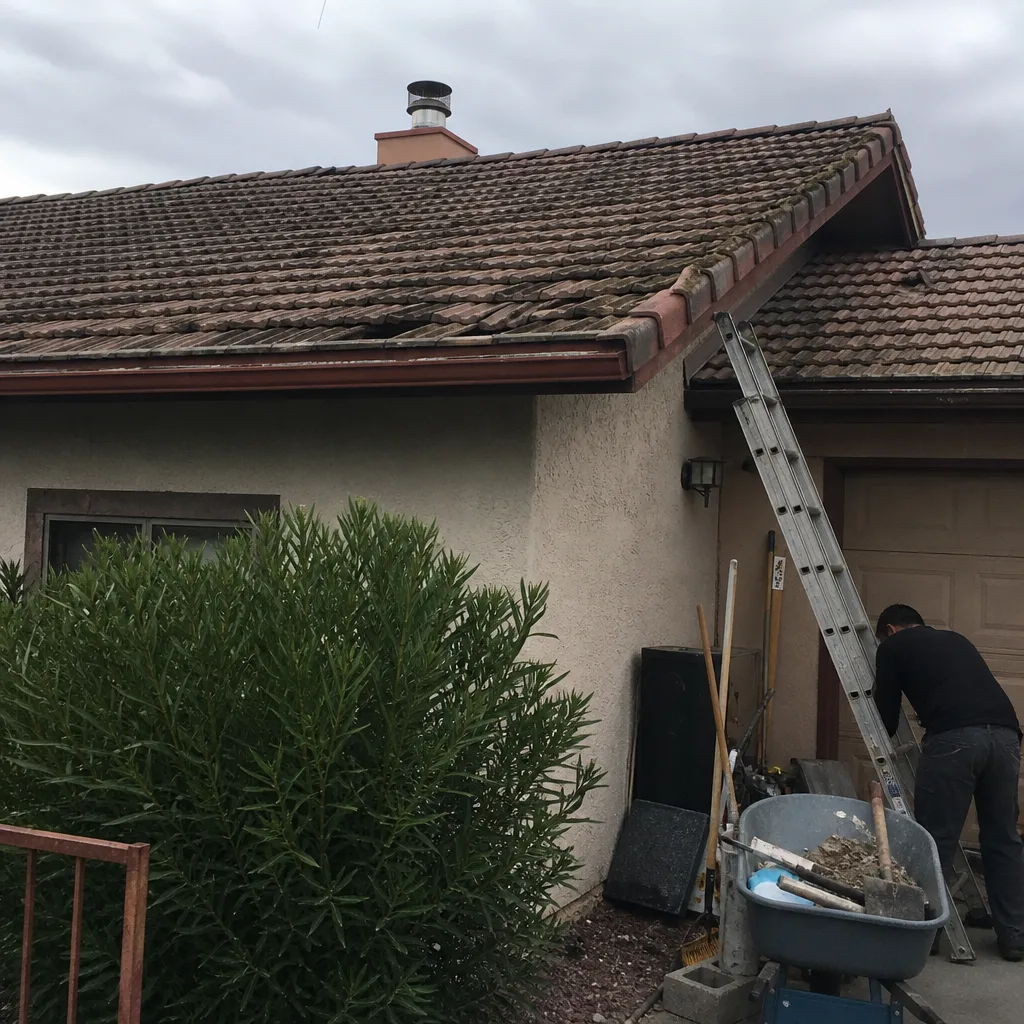 Before
 After