
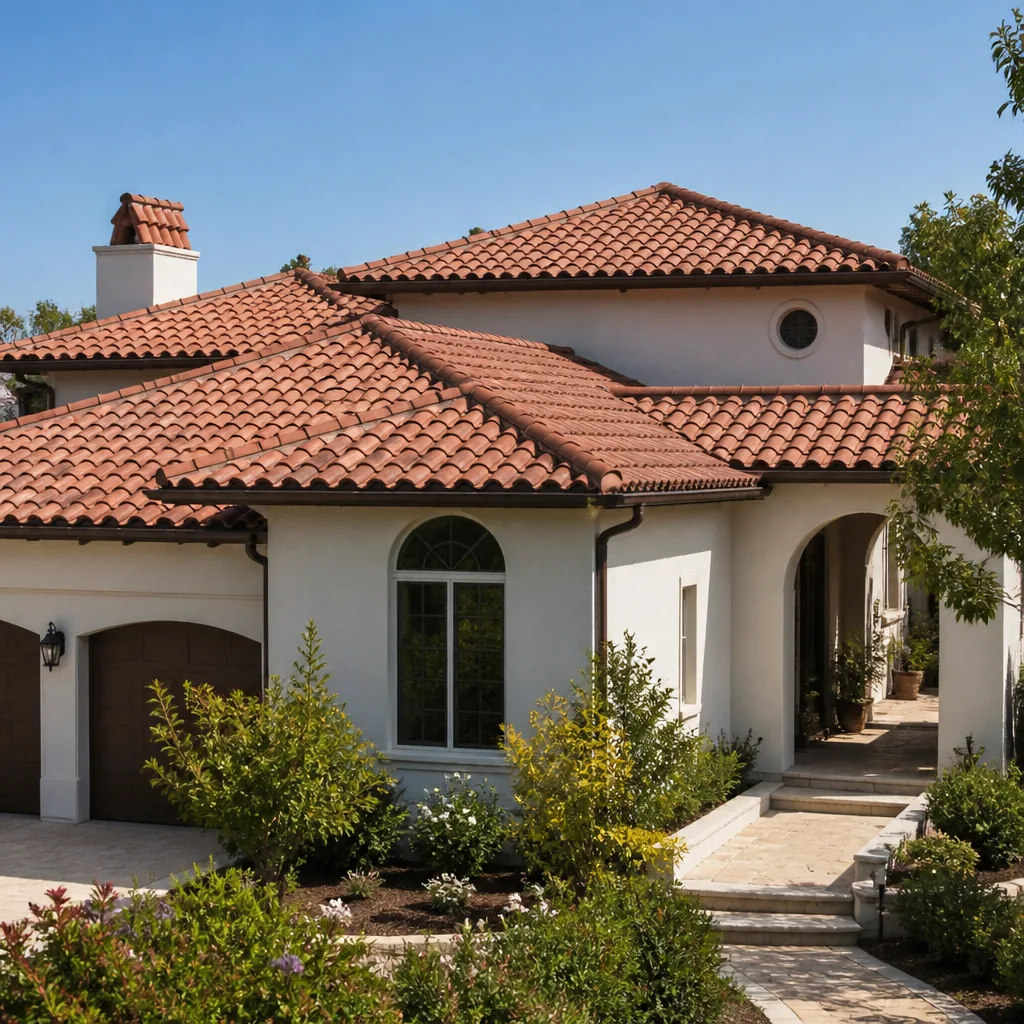
 Tile roofing
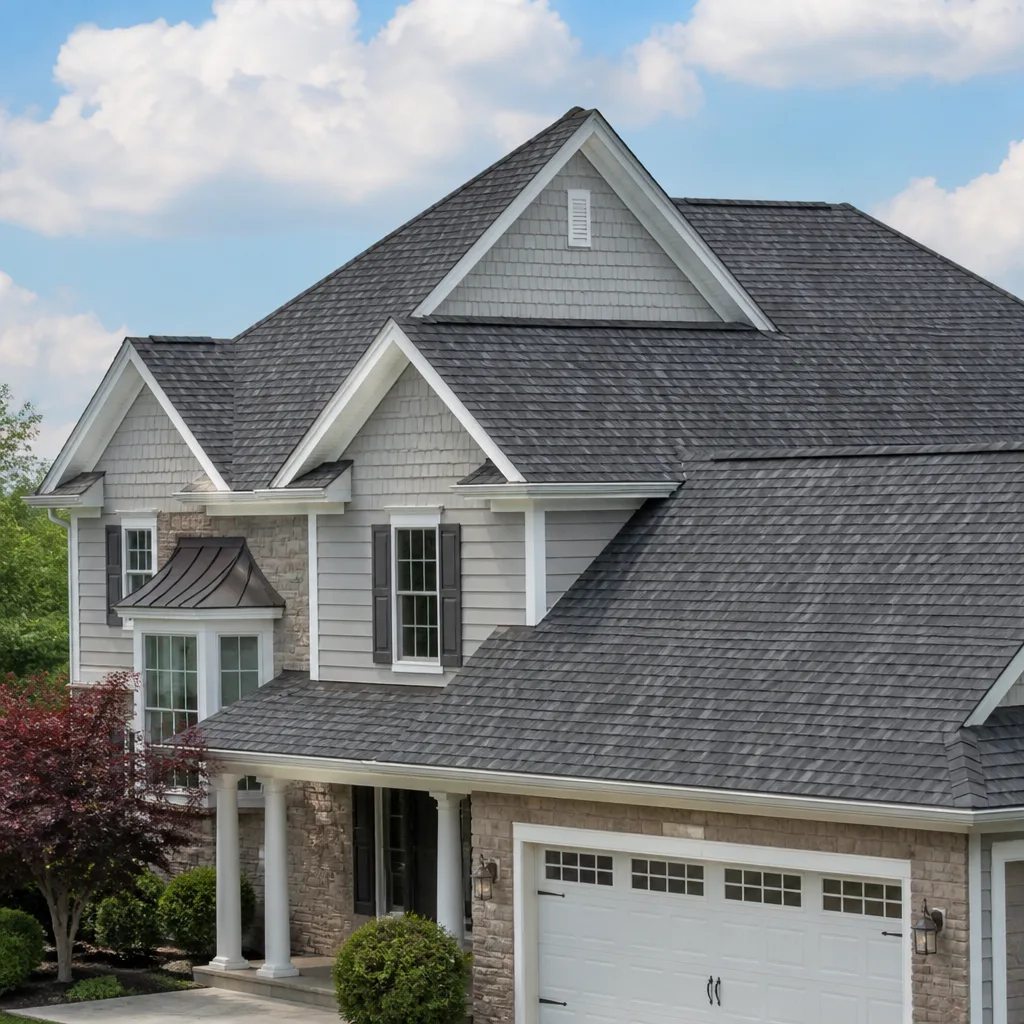 Architectural shingles
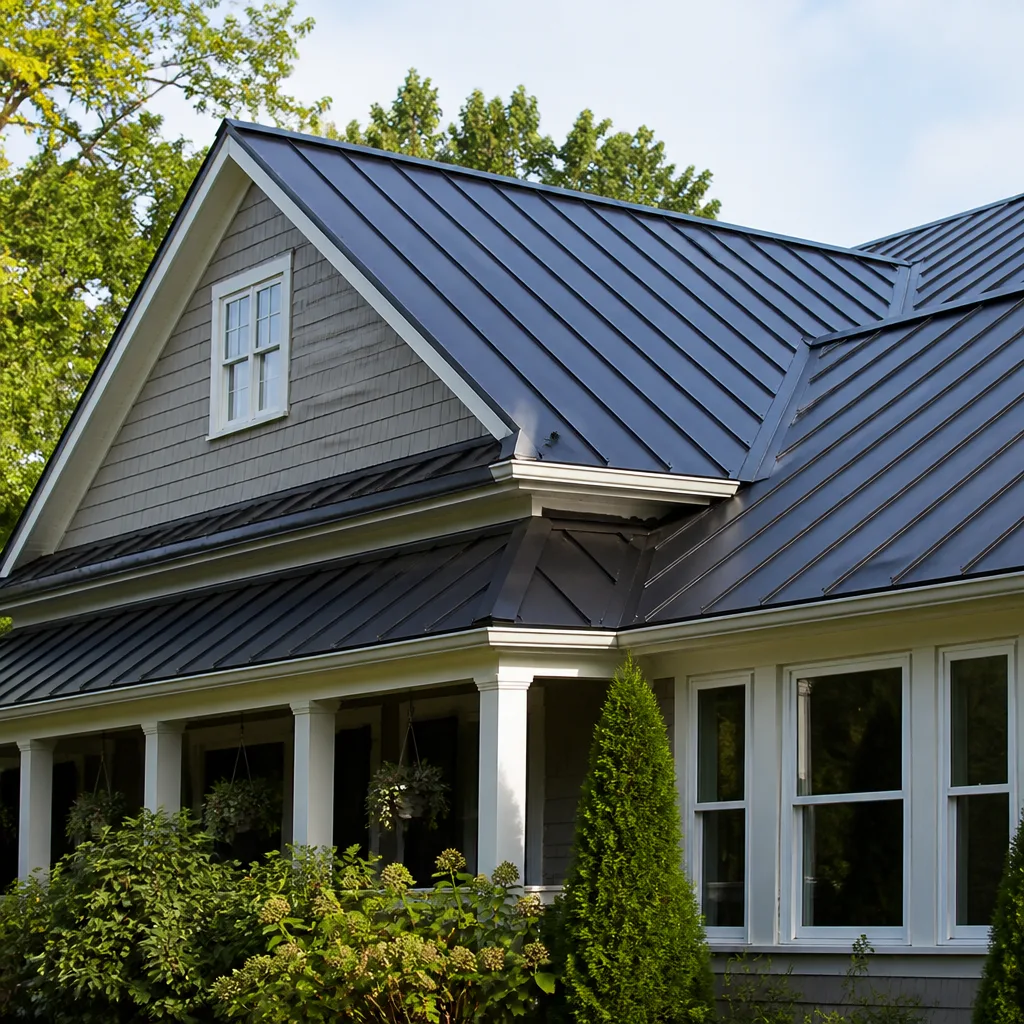 Metal roofing
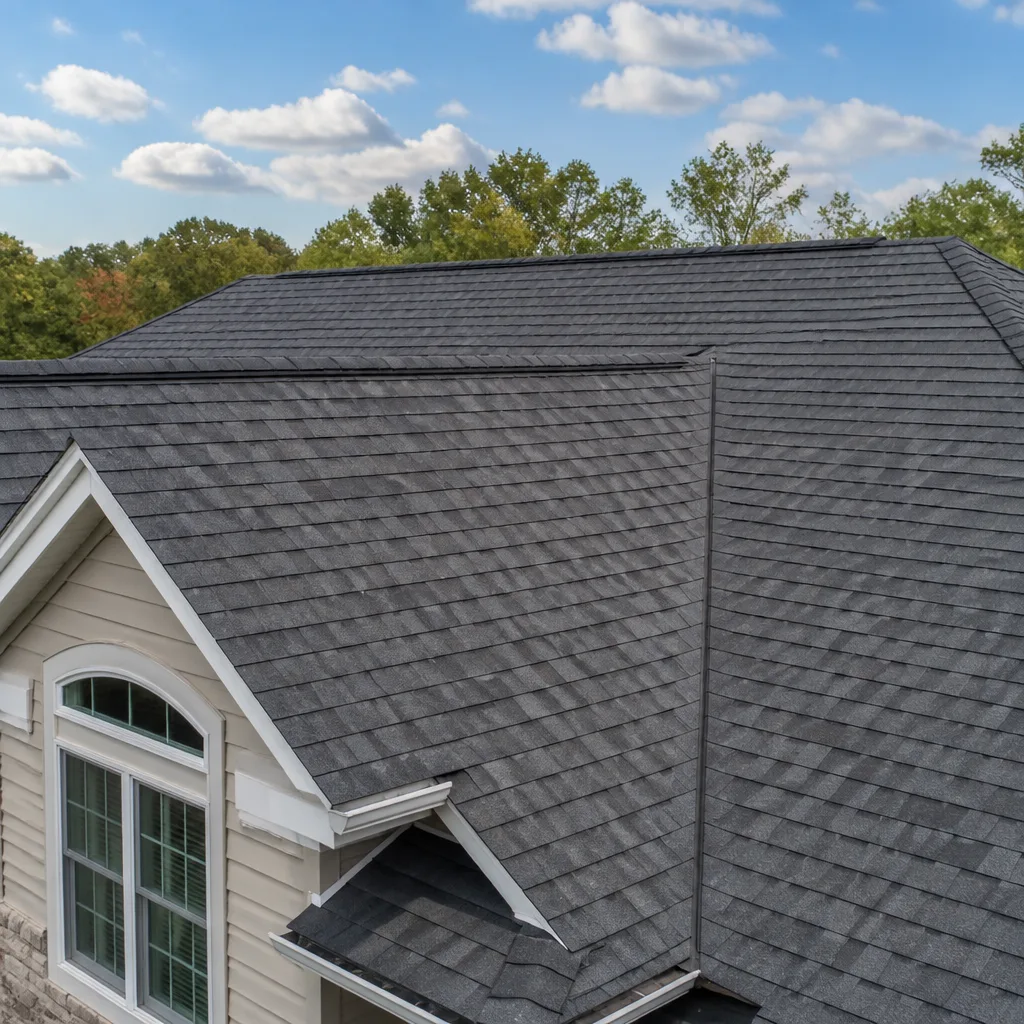 GAF
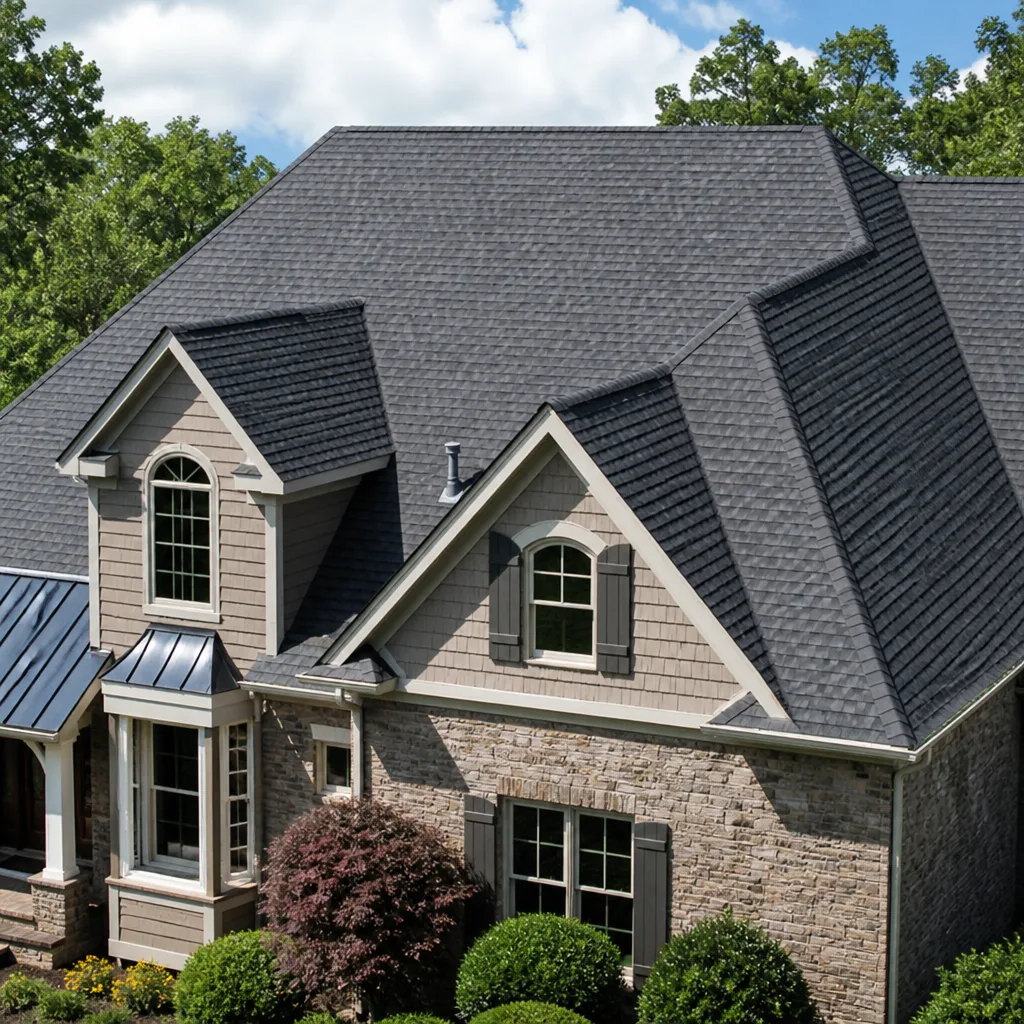 Owens Corning
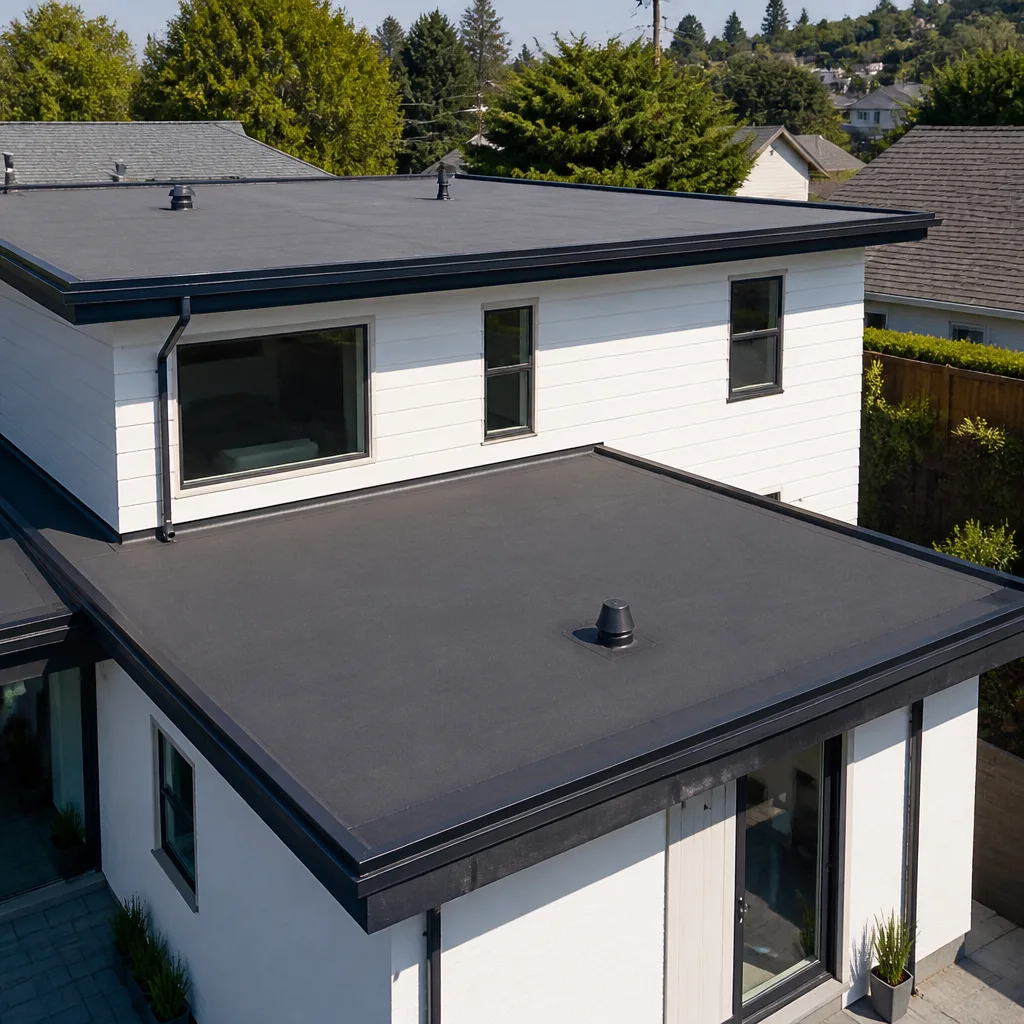 Flat & low-slope
Free roof inspection with deck photos before we talk money - GAF and Owens Corning certified installation
Styles & brands we work with
- Architectural shingles
- Metal roofing
- Tile roofing
- GAF
- Owens Corning
- Flat & low-slope
See the difference
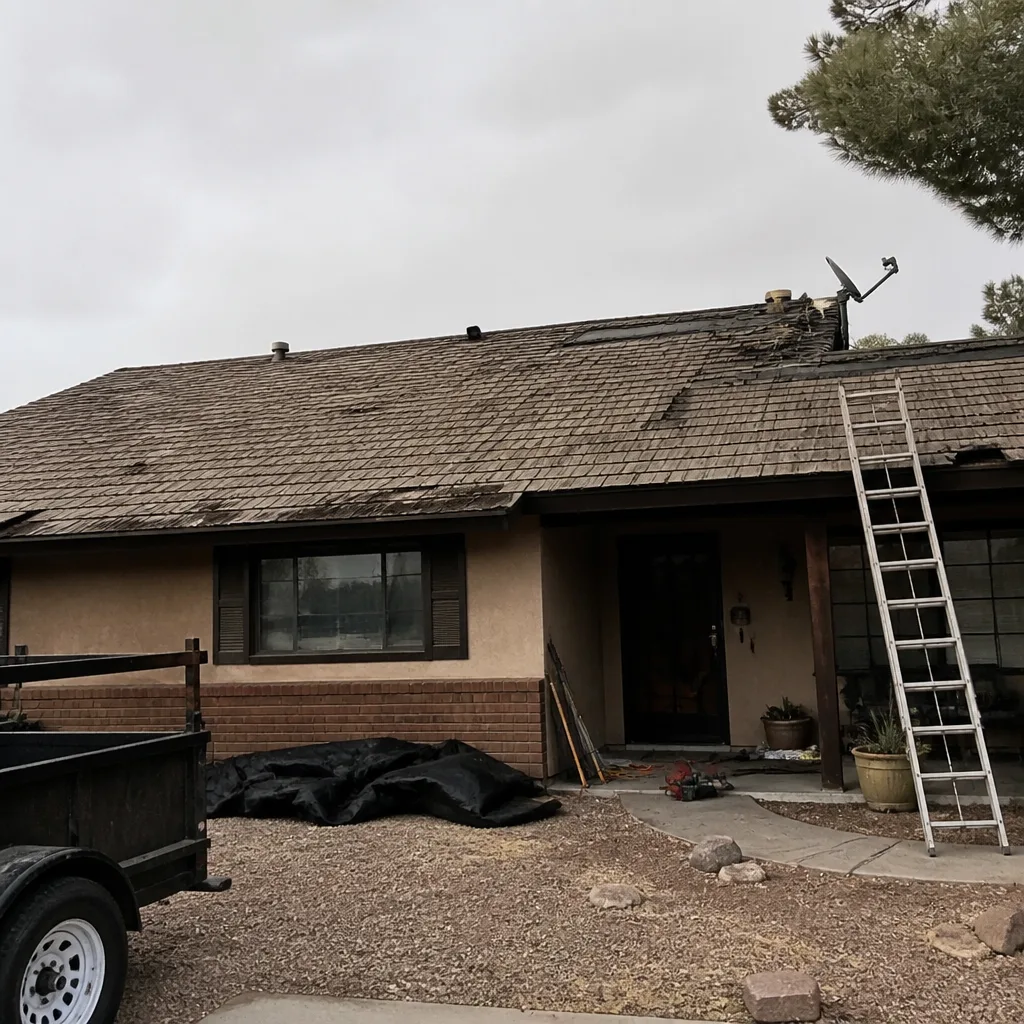 Before
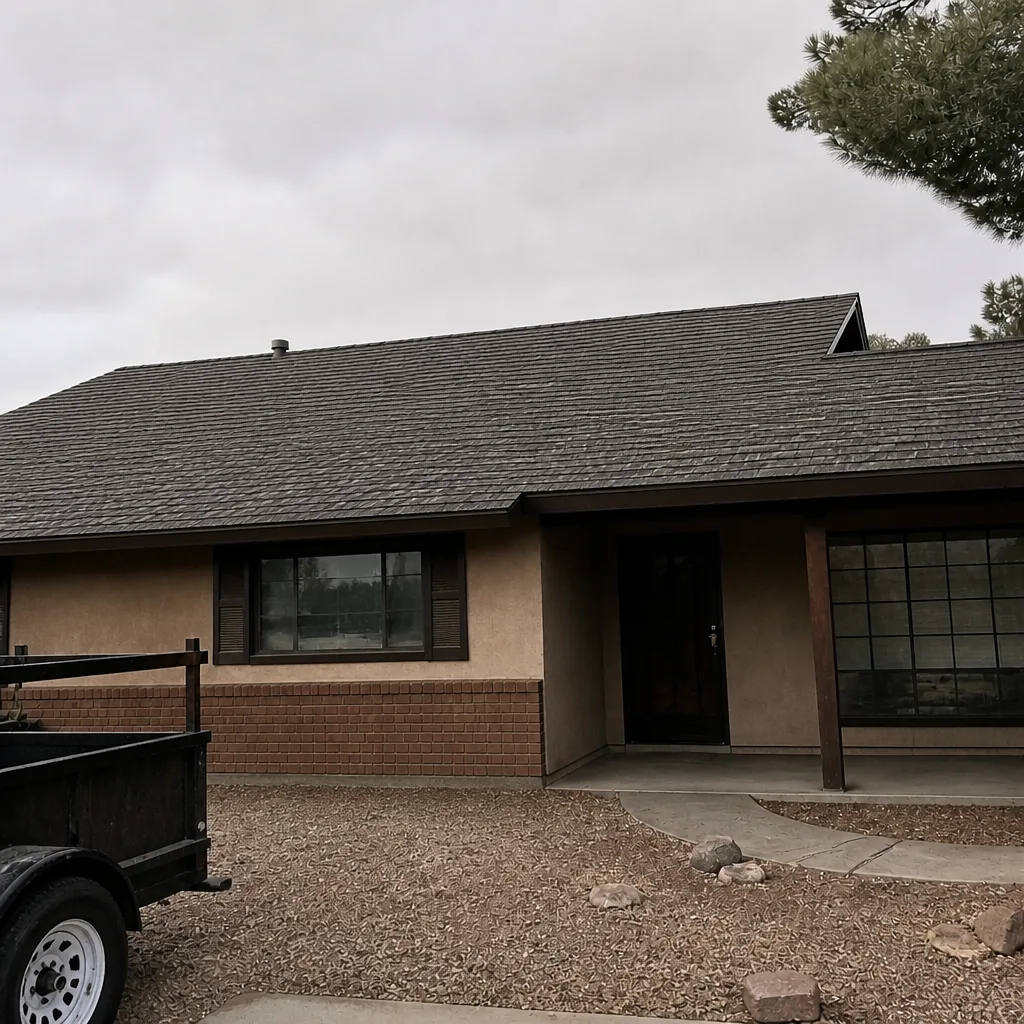 After
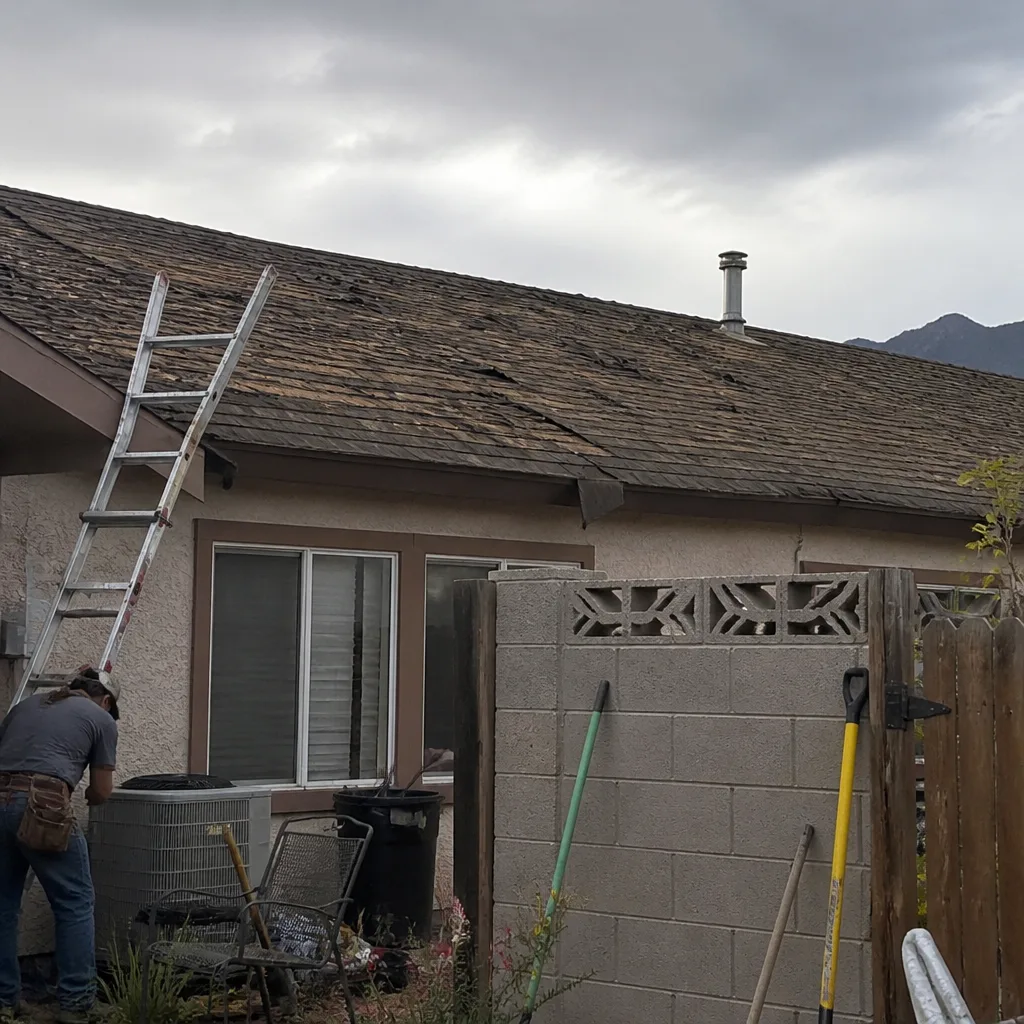 Before
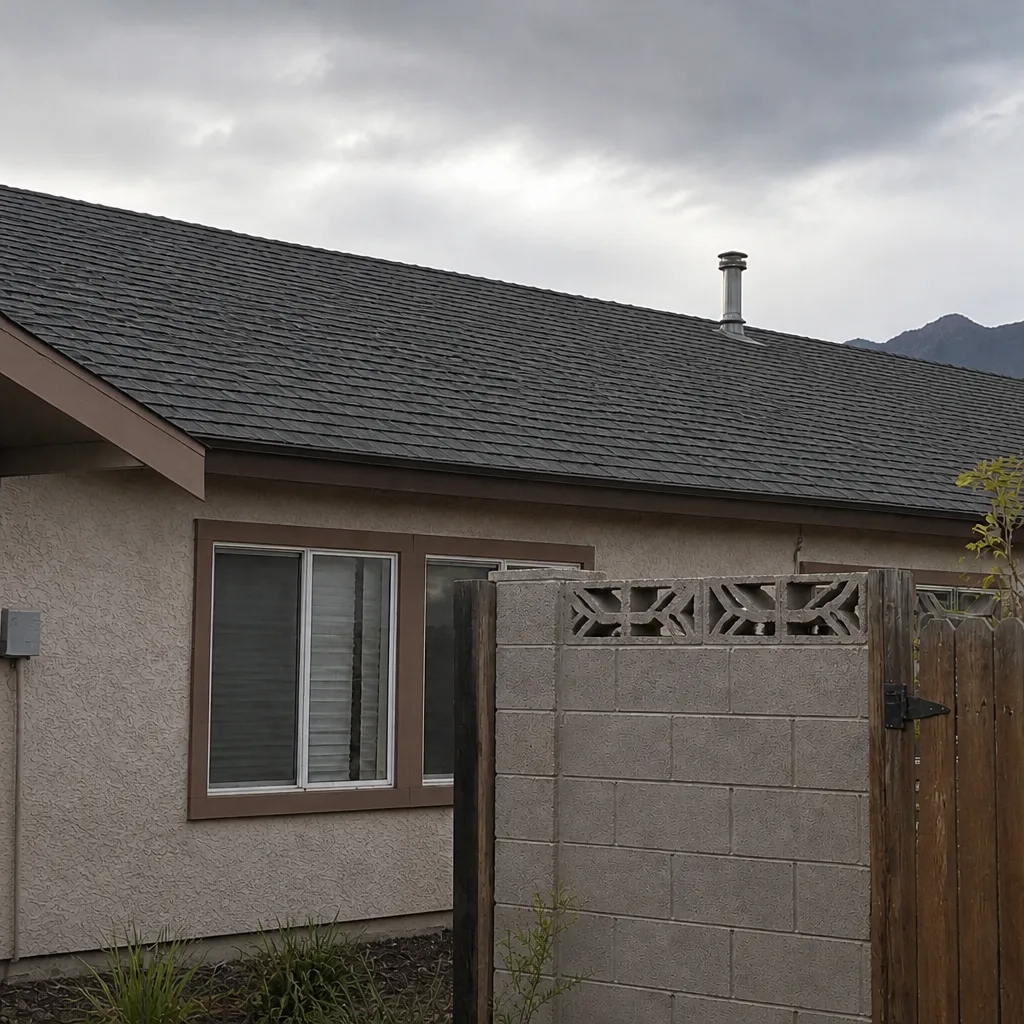 After
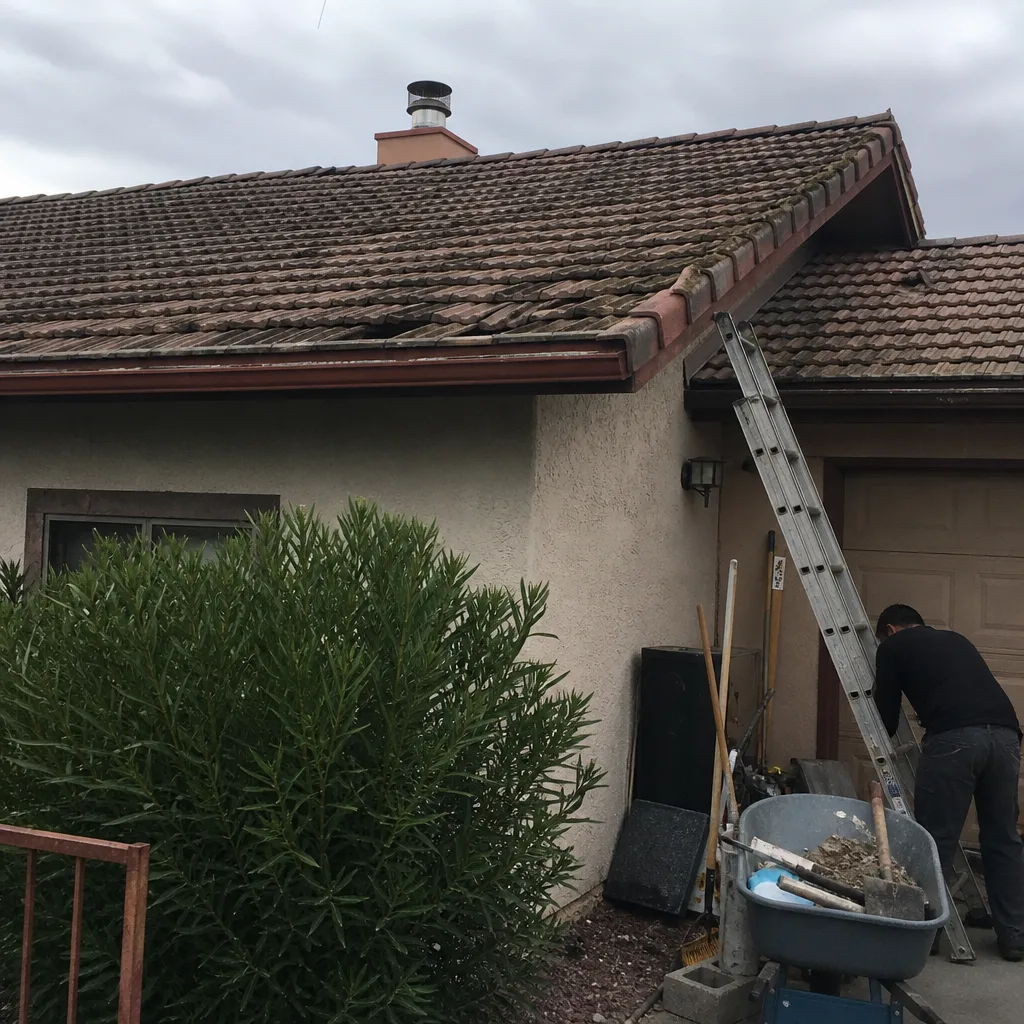 Before
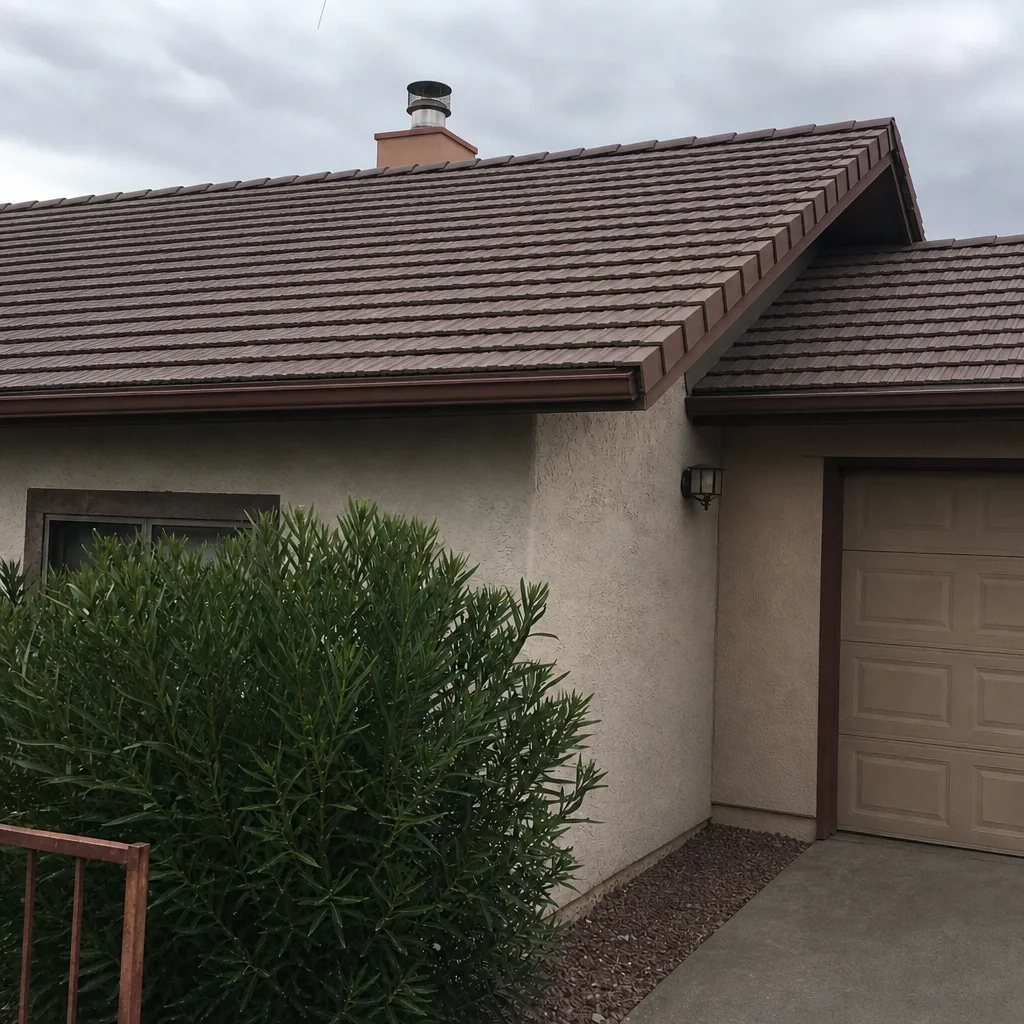 After
Clay vs Concrete Roof Tiles in Boulder City, NV: Pick Clay Unless Your Rafters Can Carry Concrete
Choose clay tile unless a structural check confirms your rafters can handle the extra weight of concrete. Concrete tile runs 9-12 lbs per square foot; clay runs 6-8. On a 1,500 sq ft Boulder City roof that gap is 4,500-6,000 lbs of added dead load, and on a 1950s ranch built to pre-1980 Nevada code, that’s the conversation that has to happen first. Call (844) 761-8186 and we’ll look at the deck before anyone talks material.
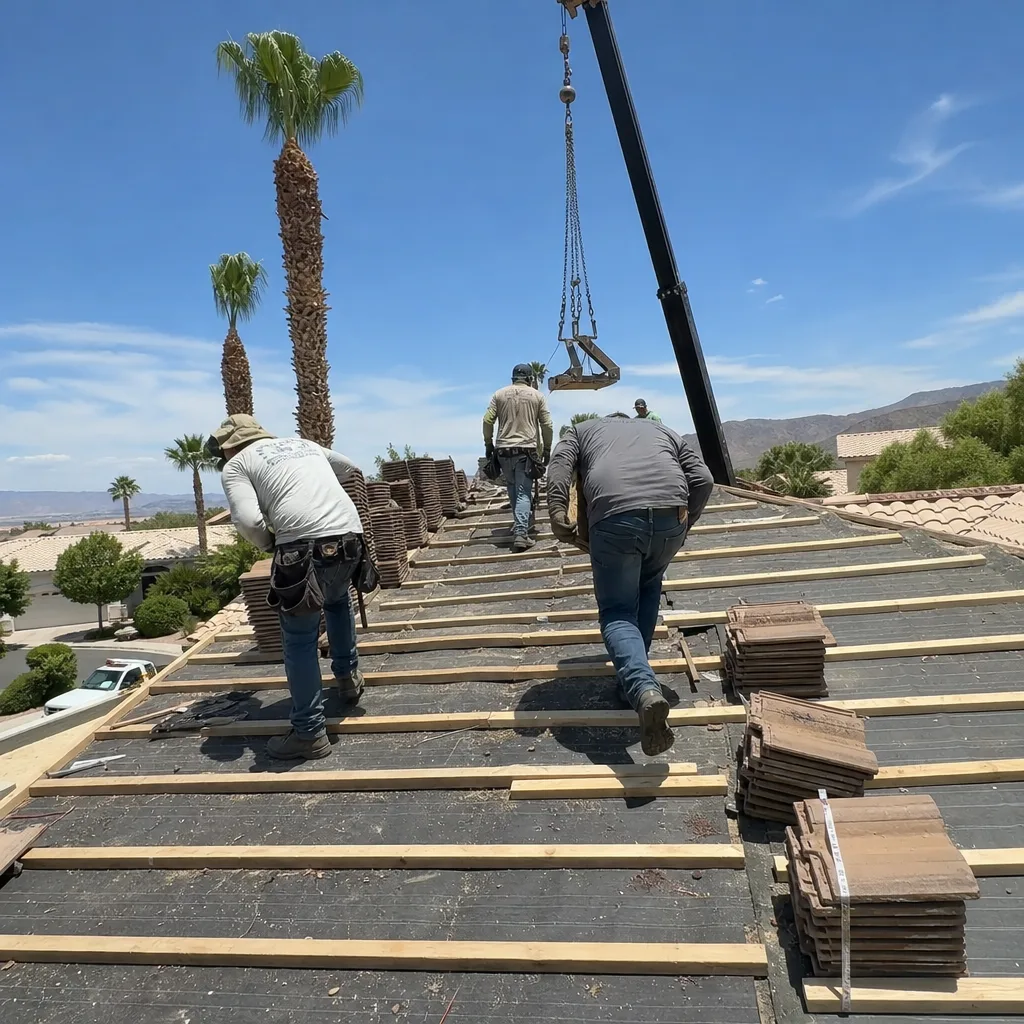
Shepherd & Sons Roofing Boulder City has been at the same address since 1996, and our technicians bring up to 30 years of experience to a question most comparison articles skip entirely: what is your roof actually framed to hold?
Key Takeaways
- Concrete tile weighs roughly 40% more than clay per square foot.
- The load differential, not longevity, is the deciding factor on older Boulder City homes.
- Freeze-thaw resistance barely matters here; UV and thermal mass do.
- Historic District design review can require a material and profile match.
Why the Weight Question Comes Before the Material Question
Most clay-versus-concrete write-ups compare lifespan and price per square and stop there. That works in a subdivision engineered for tile from the start. It doesn’t work on a Reclamation-era house in the Historic District, or on mid-century infill where the original roof was lighter than what a homeowner is now considering.
Run the numbers on a typical 1,500 sq ft Boulder City roof:
| Material | Weight per sq ft | Total dead load on 1,500 sq ft |
|---|---|---|
| Clay tile | 6-8 lbs | 9,000-12,000 lbs |
| Concrete tile | 9-12 lbs | 13,500-18,000 lbs |
| Additional load with concrete | – | +4,500-6,000 lbs |
That extra tonnage lands on rafter spans that were sized decades ago. Swapping clay for concrete without checking the framing isn’t an upgrade; it’s a liability you inherit. On homes built before 1980, the deck and rafters get inspected first, and if the framing needs work, you’ll know that before we quote tile.
What Actually Matters in Boulder City’s Climate
The standard argument for clay leans hard on freeze-thaw resistance. Boulder City gets the occasional winter cold snap, but nothing that makes freeze-thaw the deciding factor. What matters here is 115°F direct sun and what it does to everything under the tile.
Tile’s thermal mass slows heat transfer into the attic, and both clay and concrete do that job. The real difference is what happens at the weak points: open laps at ridge caps, hip cuts, and anywhere the underlayment sees daylight. Intense UV degrades underlayment fast, and monsoon wind-driven rain finds every exposed seam. When we tear off a failed tile roof here, the tile usually looks fine and the underlayment underneath is shot. That’s the layer that actually protects your house, and it’s why we photograph the deck and battens before recommending any material.
The Historic District Matching Problem
If your home is one of the 1930s Bureau of Reclamation-era houses in the Historic District, you’re not starting with a blank slate. Original profiles are often a Spanish “S” or a flat mission in a specific terra cotta tone, and the design review expectation is material and profile match. Clay is easier to source in those profiles than concrete.
That’s also why we check the historic guidelines before ordering anything. A material or color change can trip review, and the last thing you want is a pallet of tile sitting in the driveway waiting on approval. For a broader look at the material itself, see our page on Tile Roofing.
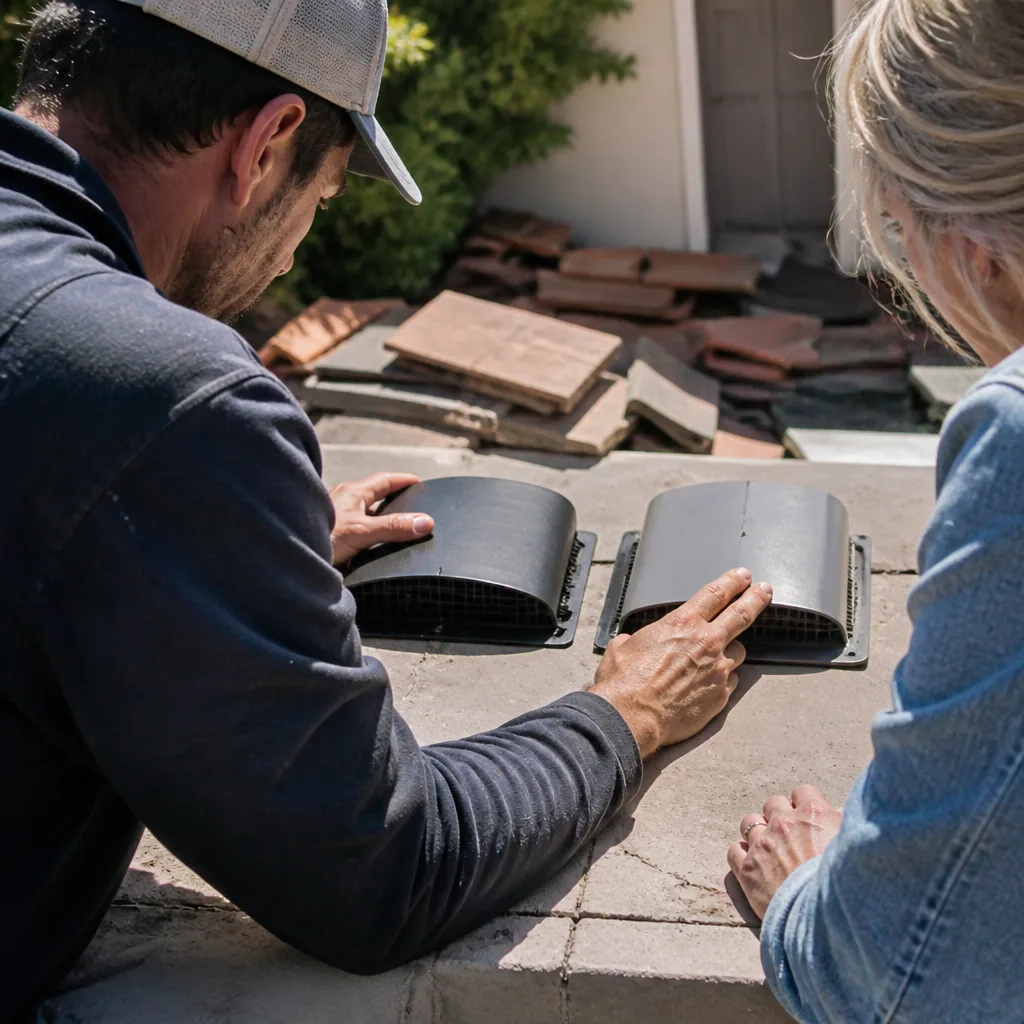
Repairs: Where Concrete and Clay Diverge Over Time
A single broken concrete tile costs less to replace than a clay one. That’s true, and it’s the argument you’ll hear for concrete. The catch shows up years later.
Concrete tile is produced in batches, and the color fades with UV exposure. Replace one tile on a 15-year-old concrete roof and the patch is visible from the street. Clay’s color is fired in, not applied, so it holds far more stable, and a repair blends in over time instead of standing out. On a roof you plan to keep, that matters more than the per-unit price. Ask us for the load numbers and the profile options and we’ll put both side by side.
Common Local Scenarios We See
- A 1950s ranch with original clay tile and cracked units. The framing was engineered for clay. Replacing like-for-like avoids a structural question entirely.
- A mid-century infill house with a patched low-slope section. These often need careful tear-off and matching, not a wholesale material switch.
- A homeowner quoted concrete by an out-of-town crew after a storm. No load check, no profile match, and nobody to call next year. We offer a free second opinion on any written estimate.
- A Historic District home facing design review. We pull the guidelines and photograph the existing profile before a single tile gets ordered.
How Shepherd & Sons Handles a Tile Decision
Bill and his crew photograph the existing tile profile and the deck condition before any material conversation starts. Recommending a tile type without knowing what’s underneath the battens is exactly the shortcut a roofer who won’t be around next year takes. We install from Boral and IKO among others, and we name the profile and the shingle before we quote.
A roof is measured in squares, and the nailing pattern earns the wind rating, not the tile wrapper. Every job carries the written 90-Day Done Right Promise, and a live person answers the phone 24/7, including nights and weekends after a storm. There’s no trip charge inside our own county, and we offer $40 off any repair over $200. If you’d rather start at the top, our home page lays out the full range of what we do.
FAQs
Concrete tile generally costs less per square than clay, and the gap widens on the load side: if your framing needs reinforcement to carry concrete, that adds cost clay wouldn’t require. On an older Boulder City home, the honest total depends on the deck and rafters, not just the tile. Call (844) 761-8186 for an exact quote; estimates are free.
No. Concrete adds roughly 4,500-6,000 lbs of dead load on a 1,500 sq ft roof compared to clay, and pre-1980 framing wasn’t sized for that. A structural check before the material goes on is a code and safety issue, not a sales tactic. Call us and we’ll inspect the deck first.
Barely. The desert sun, monsoon wind-driven rain, and UV degradation of the underlayment are the real failure modes here, not snow or ice. Both clay and concrete handle the heat; the underlayment beneath them is what you should be asking about. Call (844) 761-8186 to have yours inspected.
Often yes, and clay is usually the easier match for the 1930s Spanish “S” and flat mission profiles. We check the design review guidelines and photograph the existing tile before ordering. Call (844) 761-8186 and we’ll walk your roof with you.
Have It Looked At Before You Decide
If you’d rather have it looked at, Shepherd & Sons Roofing Boulder City offers a no-pressure assessment in Boulder City. We’ll photograph the deck, check the framing, and give you the load numbers before anyone talks material. Call (844) 761-8186 for a free estimate.
Written by the team at Shepherd & Sons Roofing Boulder City, serving Boulder City, NV.