
Last updated November 17, 2026
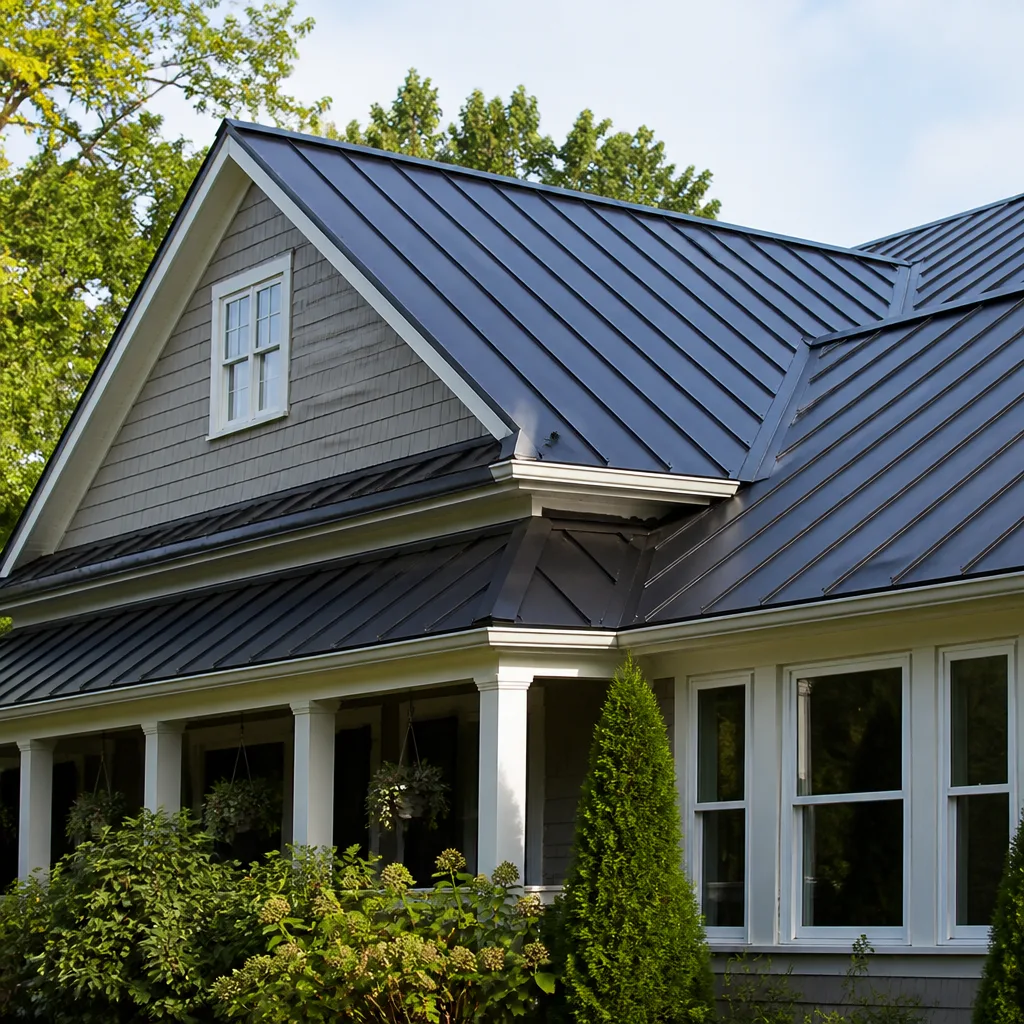 Metal roofing
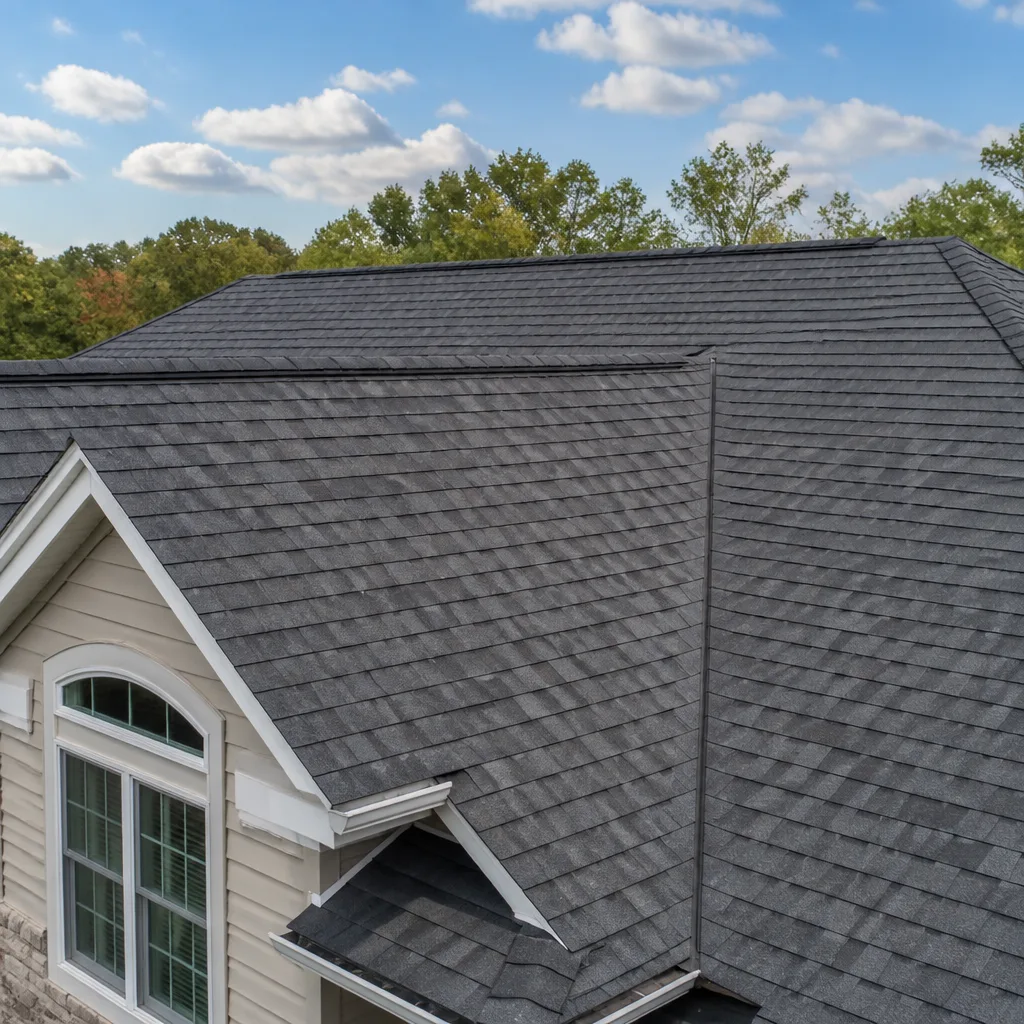
 Architectural shingles
 Tile roofing
 GAF
 Owens Corning
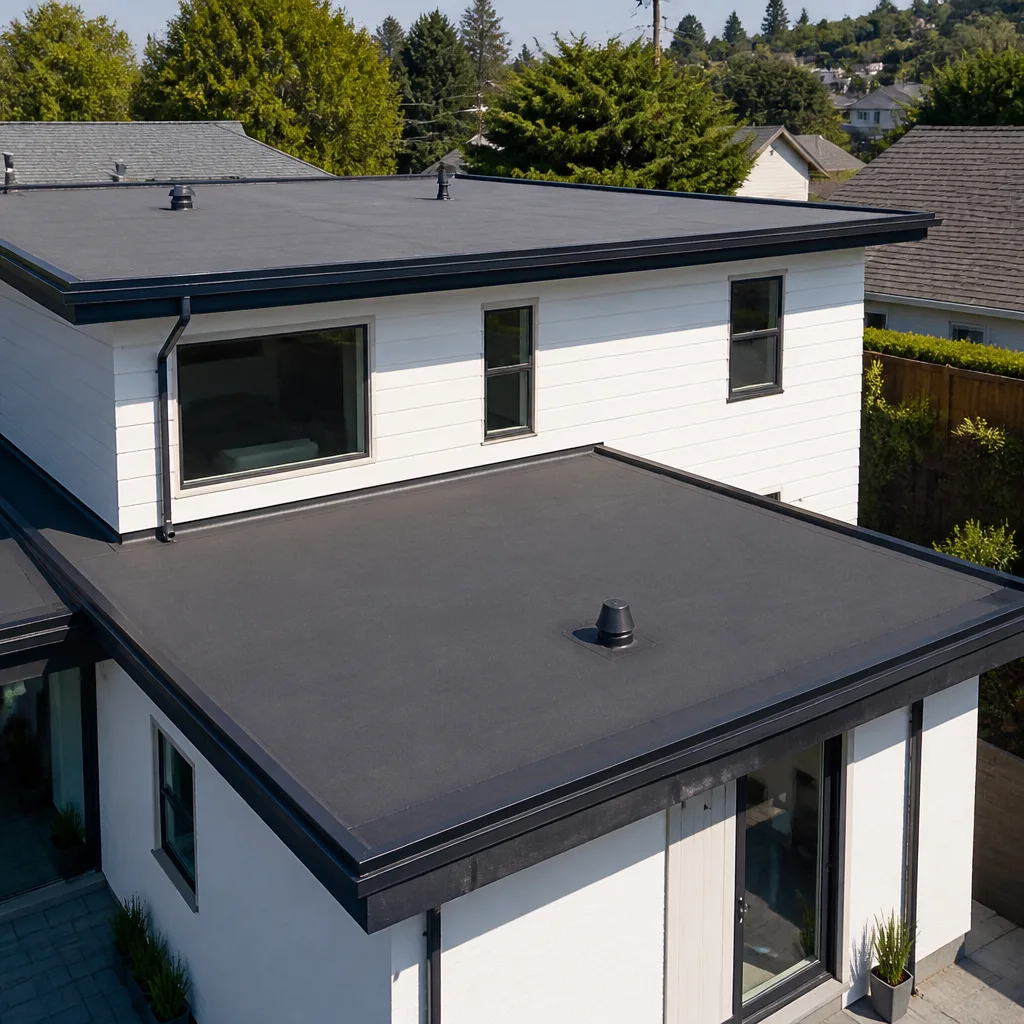 Flat & low-slope
Free roof inspection with deck photos before we talk money - GAF and Owens Corning certified installation
Specialty Roofing Troubleshooting: Common Problems and How to Fix Them
The most expensive specialty roofing mistake isn’t a failed repair. It’s patching the wrong layer because nobody figured out whether the leak started at a seam, a penetration, or a flashing before they started cutting. In our experience, homeowners in Boulder City spend good money chasing ceiling stains that reappear because the actual entry point was three feet away and completely untouched. Specialty roofs – metal, flat, foam, tile – each fail in their own specific ways, and the fix that works on shingles usually makes these systems worse. This guide walks through how to identify what’s on your roof, what failure patterns belong to it, and which temporary fixes are legitimate versus destructive.
Quick Answer
Specialty roofing problems are fixed by first identifying the system (metal, flat/EPDM, SPF foam, or tile), then tracing the leak from the ceiling stain backward to its actual entry point, and finally repairing with the original or compatible materials. Generic patches and the wrong sealants are the most common cause of repeat failures on Boulder City specialty roofs, especially after the summer monsoon season.
Styles & brands we work with
- Architectural shingles
- Metal roofing
- Tile roofing
- GAF
- Owens Corning
- Flat & low-slope
Table of Contents
- How do you figure out which roofing system you have?
- SPF foam roof problems and how they fail
- Standing seam metal roofing problems
- Flat EPDM and TPO problems in the desert
- How to trace a leak backward to the real entry point
- Temporary fixes that help vs. temporary fixes that trap moisture
- Why specialty repairs need original or compatible materials
- What to gather before we visit
How do you figure out which roofing system you have?
Before anything else, you need to know what you’re standing on. On a Boulder City house, that means getting up close to a few square feet of the roof surface and answering a handful of sensory questions. It sounds obvious, but we’ve seen homeowners bring us photos of a repair that clearly started on the wrong layer because nobody confirmed the system first. The cost of a Boulder City specialty repair is often set by the diagnosis more than the square footage.
Here’s a simple identification flow:
- Look at the seams. Long raised vertical ribs mean standing seam metal. Rolled horizontal seams usually mean a flat membrane roof. Wide overlapping rows mean tile or shingle.
- Press the surface with a thumb. Spongy give with a rubbery surface is usually SPF foam. Firm and cool to the touch with a uniform color is typically a single-ply membrane like EPDM or TPO.
- Check the underside of a seam. If fasteners are visible, it’s an exposed-fastener or through-fastened metal – a different animal from standing seam and repaired differently.
- Look at a penetration boot. Vent pipes, swamp cooler stands, and HVAC curbs tell you a lot about assembly age and whether the previous roofer used the right boot.
- Note what’s underneath. If you can see the deck or underlayment at an edge, snap a photo. It saves a diagnostic trip.
If you can’t safely peek, don’t climb. Weathered specialty roofs are slick, and Boulder City afternoons hit 105°F on a heat-rejecting surface that can burn skin. Call us with what you can see from the ground and a few photos of your ceiling stain. Our technicians have up to 30 years of experience matching system types from images alone in many cases.
SPF foam roof problems and how they fail
Spray polyurethane foam roofs are the most commonly misunderstood specialty system in the desert Southwest, and in Boulder City that misunderstanding gets expensive. Foam is a protective coating over a closed-cell foam core. It isn’t a thick slab. When the coating wears thin, UV exposure eats into the foam underneath, and once that core opens up, it soaks water like a sponge instead of shedding it. The typical failure pattern in Boulder City looks like this:
- Chalking and fading: the elastomeric coating wears away in the sun. Harmless if recoated in time.
- Alligatoring: surface cracks that start as hairline and widen toward foam.
- Ponding and blistering: trapped water lifts the coating from the core.
- Pinholes that become craters: once water reaches the core, a small hole can hollow out a section of foam over a season.
Where foam repairs go wrong is when a handyman or a general roofer puts a shingle patch over a crater. That traps moisture inside the foam, and the whole area needs to come off later instead of just being recoated. Legitimate foam repair means cutting back to sound foam, drying the cavity, re-foaming, feathering it in, and re-coating with a compatible elastomeric product matched to the original. Boulder City’s monsoon season beats foam roofs up in July and August, so an annual look at the coating – before the first storm – saves real money. Recoating a Boulder City foam roof on schedule is a fraction of what core replacement costs.
Standing seam metal roofing problems
Standing seam metal is the longest-lived specialty roof option when it’s installed correctly, and the failure mode is almost never the panel itself. It’s what got done to the panel around a penetration. The raising ribs that make the roof beautiful and thermal-movement-friendly also make them fussy for repairs. Here’s the failure map we walk through:
- Fastener backout: screws back out over thermal cycling and leave open holes. Common in Boulder City’s 50°+ daily temperature swings.
- Seam gasket wear: the rubber washer under a screw or in a clip ages and loses seal, then water tracks sideways under the panel.
- Improper penetrations: a vent, solar standoff, or swamp cooler pipe sealed with silicone instead of a proper boot or a manufactured flashing is the single most common leak source.
- Roof-to-wall and chimney flashing: original construction flashing ages out, or gets covered up by a roof addition with the wrong gauge and different metal.
- Galvanic corrosion: the wrong fastener or a copper pipe against an aluminum panel causes pitting where the two metals meet.
Standing seam repairs need the correct gauge, profile, and finish matched to the original. When we repair standing seam in Boulder City, we use Boral or a panel profile matched to the existing roof and we color-match the Kynar finish. Bolting on silver panels from a big-box aisle and sealing with silicone is what turns a $400 repair into a $4,000 panel replacement two winters later. If you’re deciding between repairing and replacing, our Metal Roofing in Boulder City page walks through both paths.
Flat EPDM and TPO problems in the desert
Flat roofs like EPDM rubber and TPO are common on the low-slope additions, patios, and garages of Boulder City homes. In most climates, flat roofing leaks due to ponding water. Here, the failure order is different: UV and heat kill the membrane before ponding has a chance. A black EPDM membrane facing full Boulder City sun gets hot enough to cook an egg on and doesn’t last as long as in cooler climates. Failure signs:
- Chalky surface and color fade: protective pigment is gone, membrane is now degrading fast.
- Shrinkage and pulling: EPDM pulls back from edges and terminations as it ages, opening laps.
- Seam separation: adhesive laps lift, especially at corners and outside turns.
- Puncture and foot traffic damage: one careless service call can leave a hole that the next monsoon finds.
- Ponding at low points: flat roofs without adequate slope trap water against a hot membrane, aging it fast.
In our experience, EPDM in Boulder City has a real lifespan of about 12 to 15 years when it isn’t coated with a UV-reflective layer, and TPO is closer to 18 to 22. Neither of those numbers is fixed – a coat of reflective white coating adds years. Repairs should be lap-patched with the same membrane family and primer, not caulked. If a contractor shows up with a tube of roof cement and a bucket of patching fabric, ask what system he’s working on before he starts. The Roof Repair in Boulder City page covers how we handle low-slope systems.
How to trace a leak backward to the real entry point
This is the single biggest skill in specialty roofing troubleshooting, and the one most DIY attempts skip. A ceiling stain is almost never directly under the entry point. Water travels along deck seams, panel overlaps, underlayment channels, and truss bottoms before it drips through a ceiling joist. In a Boulder City attic, we’ve traced a water stain three rooms away from its actual entry on a standing seam roof.
Here’s the sequence we use:
- Photograph the stain with a ruler for scale and a note of its orientation in the room. Peak-side marks help.
- Look for the slope direction the water had to travel. Flat and low-slope roofs follow deck pitch. Steep metal follows panel ribs.
- Check the attic at the same time of day as the stain appears. Most active leaks show a wet trail on the underside of the deck within 24 hours of a rain.
- Trace uphill from the stain to the nearest penetration. Vents, plumbing stacks, swamp cooler stands, and chimney flashing are prime suspects.
- Look for a seam or a lap directly uphill of the penetration. If the seam is opened, the penetration might be a decoy.
- Hose-test in sections – one section at a time, 5 to 10 minutes each – on a dry day with someone in the attic watching.
Most of the leaks we see on Boulder City specialty roofs trace back to three things: an aged penetration boot, a flashing detail that was never right, or a seam that failed. If you can photograph the attic ceiling from below, that alone cuts a diagnostic visit down to one trip. Our technicians have up to 30 years of experience tracing Arizona and Southern Nevada leaks – good photos get us halfway there before we’ve turned a wrench.
Temporary fixes that help vs. temporary fixes that trap moisture
There are legitimate temporary fixes and there are traps. The difference is whether the fix keeps water out while allowing the assembly to dry, or locks water in and rots the layer underneath. On a specialty roof in Boulder City, getting this wrong is what turns a small repair into a full system replacement.
Legitimate temporary fixes:
- A proper tarp tied off over a large breach, kept dry underneath and removed within a few weeks.
- Roof cement or asphalt mastic on a true flat-elastomeric seep where the surface has been cleaned and primed first.
- A manufactured pipe boot replacement on a shingle or metal penetration – that’s a real repair, not a patch.
- Recoating a worn SPF coating with an elastomeric product made for foam.
Temporary fixes that make things worse:
- Silicone caulk on standing seam, foam, or EPDM. Silicone won’t bond to a properly aged elastomeric and will peel within one season.
- Shingle patches on a foam roof. They trap moisture and rot the foam core.
- Roof cement over a seam that hasn’t been cleaned. It lifts, then fails worse than the original.
- Tar patches on a metal roof. Tar against the wrong metal accelerates galvanic corrosion.
- Sealing a “soft” spot with paint or coating instead of drying and re-foaming.
If you’re not sure whether a temporary fix on your roof is helping or hurting, call us before the next rain. Estimates are free and you’ll know within the hour. The Shepherd & Sons Roofing Boulder City home page has the full list of what we do.
Why specialty repairs need original or compatible materials
Every specialty roofing system is engineered as a set of materials that work together. The membrane, the fasteners, the sealant, and the flashing all have to be in the same family or they fail fast. Mismatched chemistry is the number one reason we get called back behind another roofer in Boulder City.
What we check before picking up a repair material:
- Membrane brand and family. EPDM needs EPDM-compatible primer and lap sealant. TPO needs TPO. Cross-contamination causes seam failure.
- Fastener type. Zinc-plated screws against copper or aluminum panels cause pitting. Use the correct stainless or coated fastener for the panel metal.
- Panel gauge and profile. A close-but-wrong profile on standing seam leaves a step and a leak.
- Coating chemistry on foam. Acrylic over urethane or the reverse can lift when the two shrink differently.
- Color match. Not cosmetic – finish colors identify the base coating system on metal and help you source a real replacement later.
If you don’t know what’s up there, look for a manufacturer mark. GAF, CertainTeed, Owens Corning, and Boral products carry identification we can read. If there’s no visible mark, order a sample test kit or call us with photos – mismatched materials cost more to fix than a proper repair would have cost the first time. Our Roof Replacement & Installation in Boulder City page covers when a compatible repair is no longer the right call.
What to gather before we visit
Boulder City specialty repairs go faster when we walk in with information. Here’s what we ask homeowners to have ready before we see the roof. Most of it is on your phone already.
- Photos of the ceiling stain – one wide, one close, with a ruler for scale.
- The stain’s location in the house – which room, and which direction is uphill on the roof exterior.
- Photos of the exterior roof from the ground – all four elevations if you can, especially the penetrated wall.
- Roof age and any paperwork from a previous install or major repair. Receipts, warranty cards, material packaging labels.
- Any prior leak history – including which storm and which direction the water came from.
- A list of rooftop equipment – swamp coolers, solar, HVAC stands, satellite dishes, chimney caps.
- The written estimate you already have if you’ve had another bidder out. We’re happy to give a free second opinion on any written estimate – it’s a standing offer, not a promotion.
We’ve seen half of these cut a diagnostic visit by a full day. Expect to answer a few questions when you call too – a live person answers the phone 24/7, including nights and weekends after a storm, and they can tell you what to have ready for the actual visit.
Common Mistakes to Avoid
- Assuming the ceiling stain is under the leak. In Boulder City, water travels under panel ribs and along deck seams. Trace it up the slope before anyone reaches for a tool.
- Caulking a metal seam or foam crater with silicone. It won’t bond, it will peel by the next summer, and it will have to be scraped off before a real repair.
- Putting a shingle over a foam roof. This is the most expensive patch mistake we see in Boulder City – it traps moisture and hollows out a section of the core.
- Using the wrong fastener metal. Zinc-plated screws against a copper or aluminum panel pit and corrode within a season of Boulder City’s temperature swings.
- Skipping the attic look. Half of Boulder City’s specialty roof leaks show the actual water trail on the underside of the deck within 24 hours of a rain. Photos from below save a diagnostic visit.
- Letting a general roofer “take a look” at a specialty system. A roofer who mostly sets shingles is not a specialty roofer. Ask what system they’re working on and what material will go back. If they can’t answer both, don’t hire them.
- Not getting the original estimate in writing. Every repair at Shepherd & Sons Roofing Boulder City comes with a written, line-item estimate and the 90-Day Done Right Promise – if it’s not done right, we make it right, in writing.
See the difference
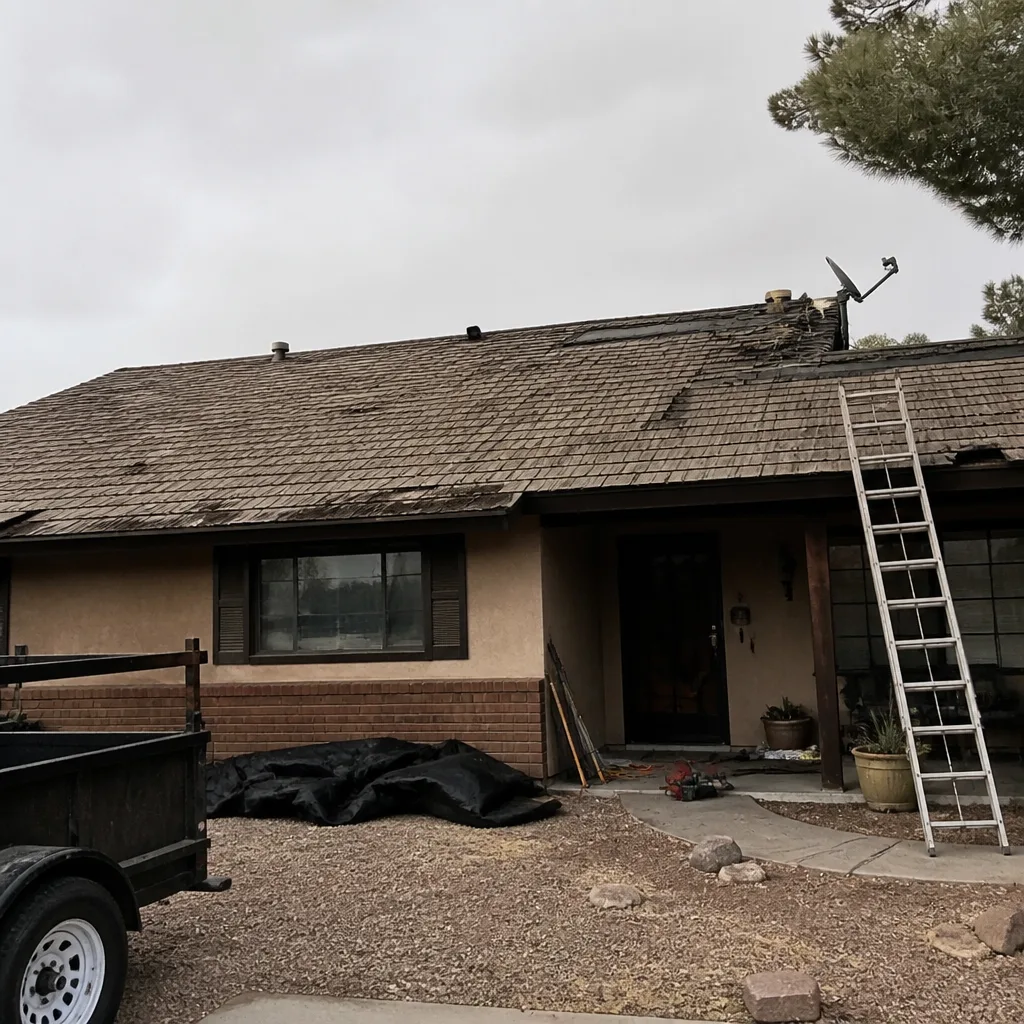 Before
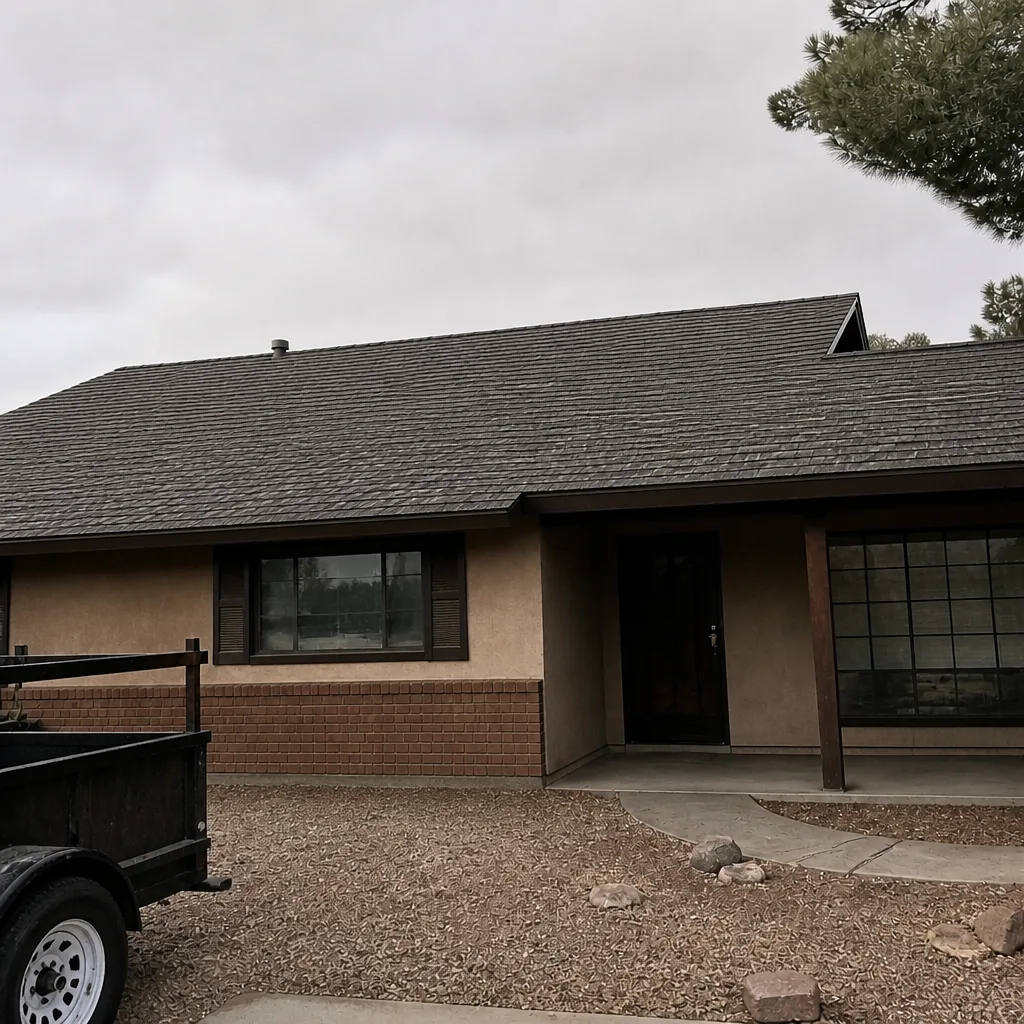 After
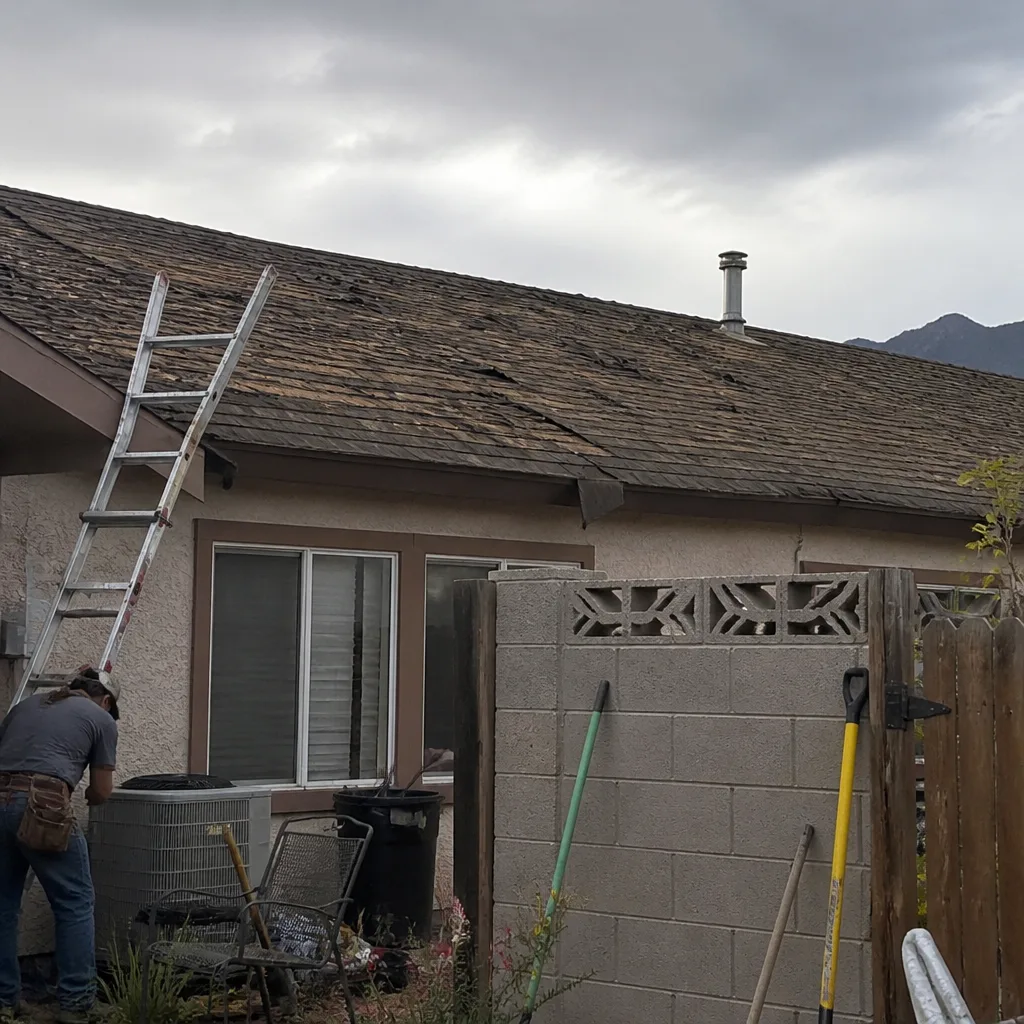 Before
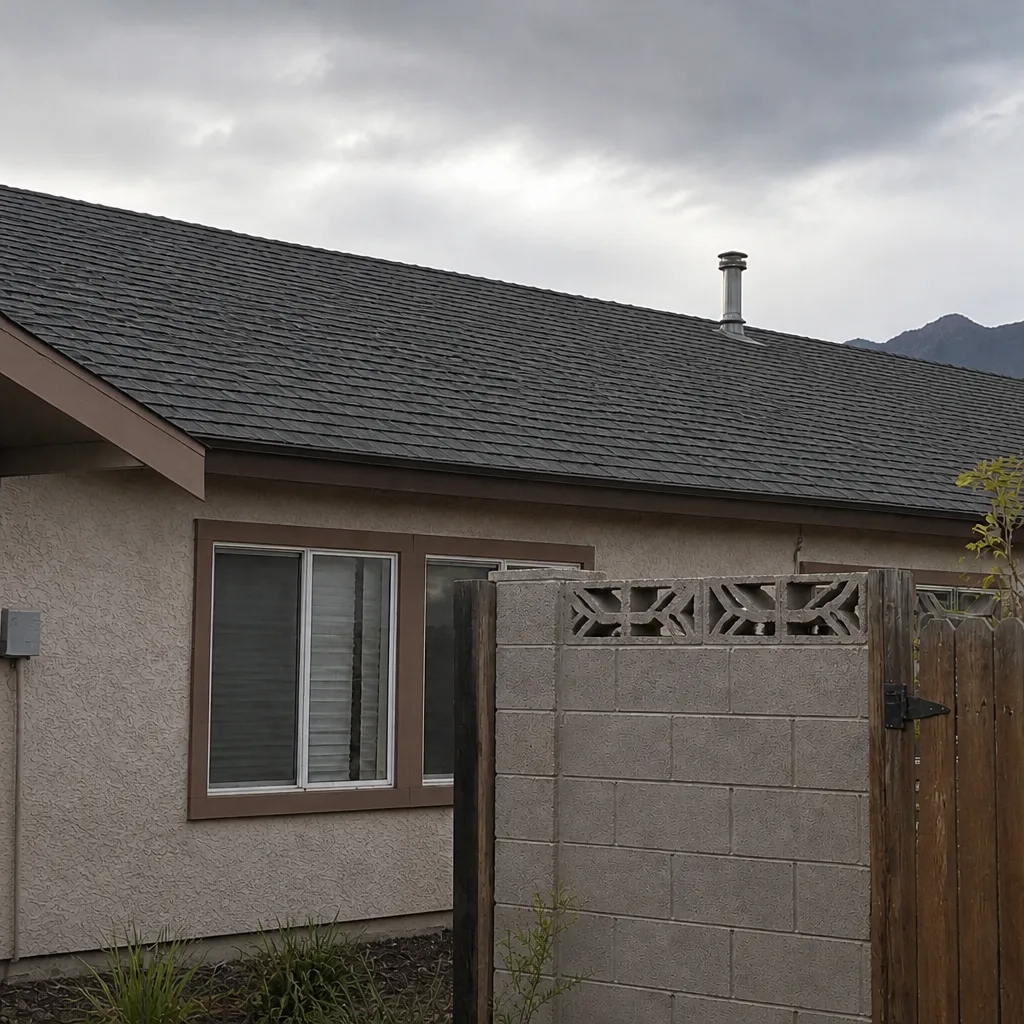 After
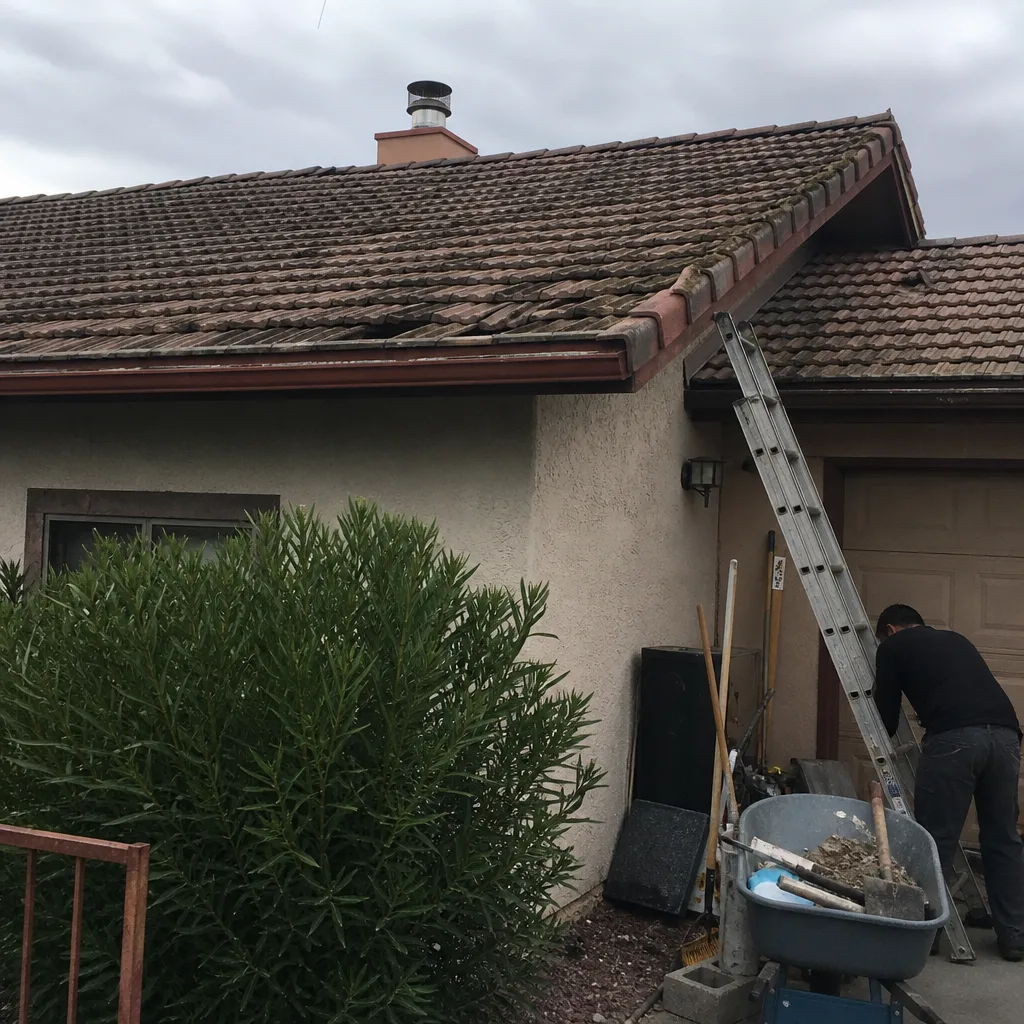 Before
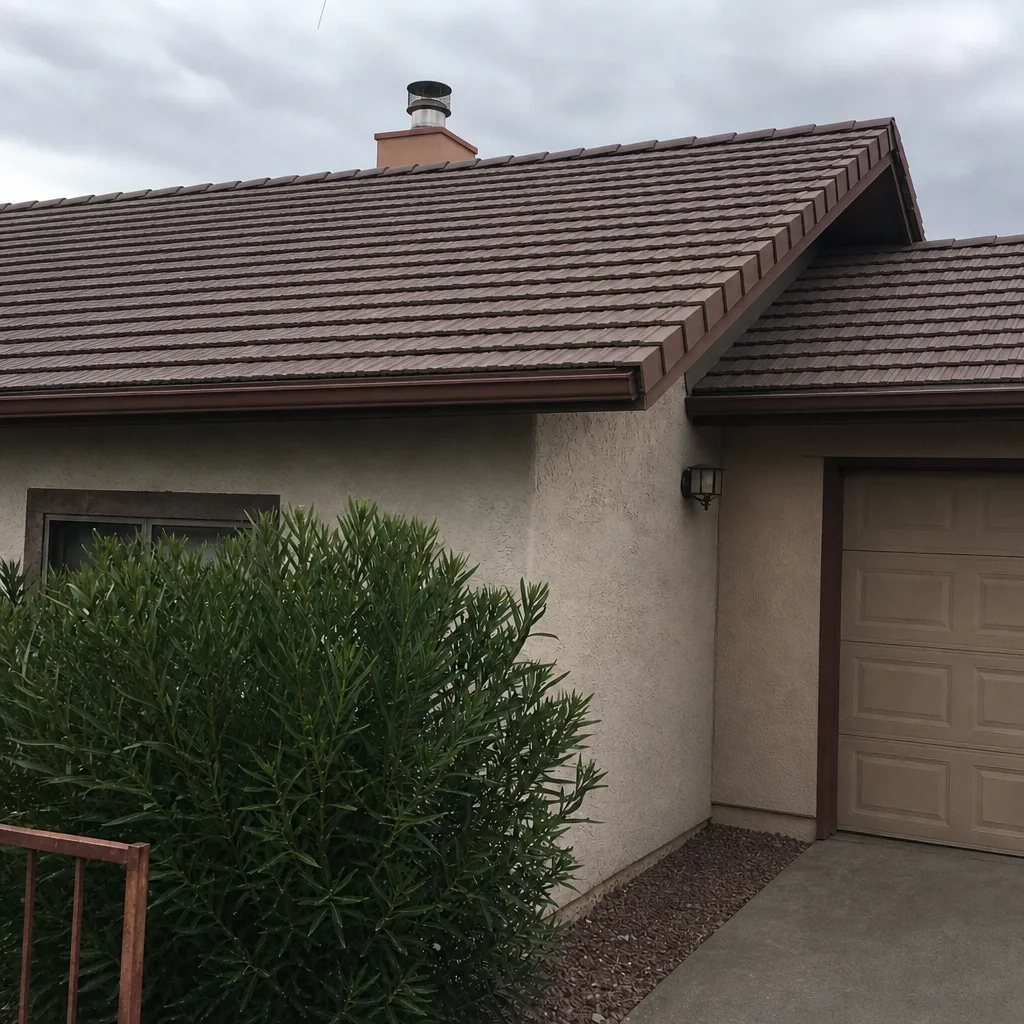 After
When to Call a Professional
There are certain situations on a specialty roof in Boulder City that no homeowner should handle. If the leak is active during a storm, if a metal panel is lifting more than a finger width, if foam has softened anywhere foot traffic goes, or if the ceiling stain has grown after two dry days, that’s a call. Specialty repair on a standing seam, foam, or low-slope membrane needs the correct material on hand and a diagnostic sequence that most homeowners don’t have – and the cost of getting it wrong is usually a full system replacement instead of a repair. We offer free estimates in Boulder City, no trip charge inside our own county, and a live person answers the phone day or night. If you’re not sure whether your situation warrants a visit, call (844) 761-8186 – a real person will tell you straight.
Frequently Asked Questions
Look at the seams first: long raised vertical ribs are standing seam metal, wide overlapping rows are tile or shingle, and rolled horizontal seams are flat membrane. Press with a thumb – spongy and rubbery is likely SPF foam, firm and uniform with a cool surface is likely EPDM or TPO. If you can’t tell, take photos from ground level and a good local roofer can usually identify the system from images. Call (844) 761-8186 and we’ll walk through what you’re seeing.
Because water rarely drops straight down. It travels along deck seams, panel overlaps, underlayment channels, and truss bottoms before it drips through a ceiling joist – and on a Boulder City specialty roof it can travel three rooms away before showing up. The way to find the real spot is to trace uphill from the stain to the nearest penetration, seam, or flashing, then hose-test in sections. Call (844) 761-8186 for a diagnostic visit; estimates are free.
Caulk is a bad idea on most specialty roofs. Silicone won’t bond to aged standing seam or EPDM surfaces, and it peels within a season. On a foam roof, caulk over a crater traps moisture and rots the core. The right temporary fix depends on the system – a proper tarp is usually safer than a tube. Call (844) 761-8186 and we’ll tell you what’s safe for your specific roof before you touch it.
Most Boulder City specialty repairs fall in the $350 to $1,800 range depending on system type and how much needs to come off. Foam recoating is on the low end, standing seam penetration repairs with color-matched panels land in the middle, and any repair that requires an attic diagnostic or a partial panel replacement sits at the top. We give written, line-item estimates so you see the price before we touch the roof. Call (844) 761-8186 for an exact quote.
Not usually on a specialty roof – a proper tarp is the only temporary fix we recommend for Boulder City’s July and August storms. Roof cement, silicone, and shingle patches tend to fail within a couple of months and often make the eventual repair more expensive. If you have an active leak before a rainy stretch, call (844) 761-8186 – we’re available for storm-damage response, calls are answered by a live person around the clock, and we can tell you what to do in the meantime.
Yes, whenever the work requires it. Structural repairs, full panel replacements, and low-slope membrane re-roofs on Boulder City homes typically require a permit depending on scope, and we pull it and get the inspection. Small repairs like a pipe boot or a localized foam recoating usually don’t need one. We’ll tell you in the written estimate what’s permitted and what isn’t. Call (844) 761-8186 for a free estimate.
The Bottom Line
Specialty roofing troubleshooting starts with a single question: what system is actually on the roof? From there, foam, standing seam metal, and low-slope EPDM each have their own failure map, and using the wrong fix on the wrong system is what turns a $400 repair into a full replacement. Trace the leak from the stain backward, gather photos and paperwork before we visit, and pick up the phone before the next storm cycle if anything is active. If you’re in Boulder City and want a straight second opinion on another roofer’s estimate, we’re happy to give one for free.
Contact
If you’re looking at a specialty roof problem in Boulder City and want to know what’s actually going on before anyone cuts into it, call Shepherd & Sons Roofing Boulder City at (844) 761-8186 to schedule your free estimate. Every roofing job is backed by the written 90-Day Done Right Promise, we offer no-hassle upfront pricing, a Free Second Opinion on any written estimate, $40 Off Any Repair Over $200, no trip charge inside our own county, and a Seniors and Veterans 10% discount. We install products from GAF, CertainTeed, Owens Corning, Boral, and more – if you can name the shingle or panel, we’ve likely set it. A live person answers the phone around the clock, day or night.
Written by the team at Shepherd & Sons Roofing Boulder City.