
Last updated November 17, 2026
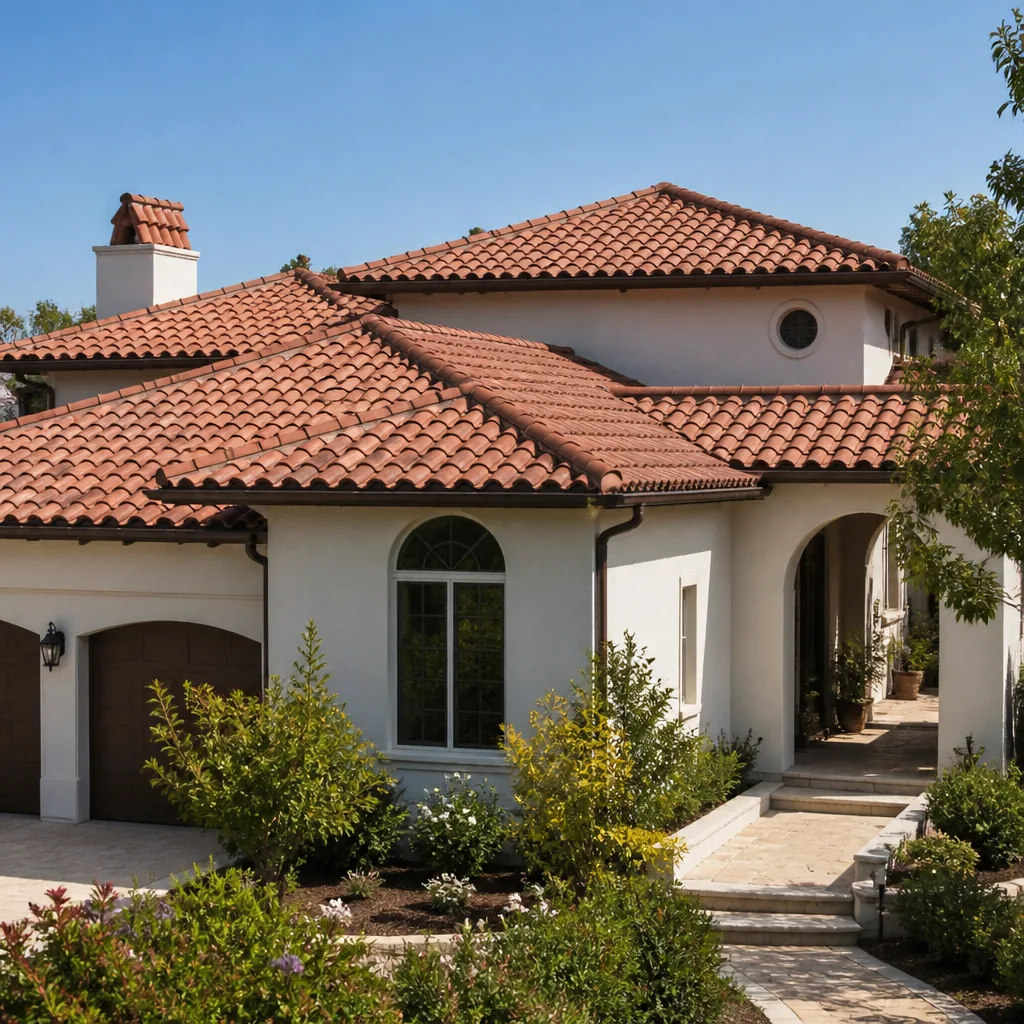 Tile roofing
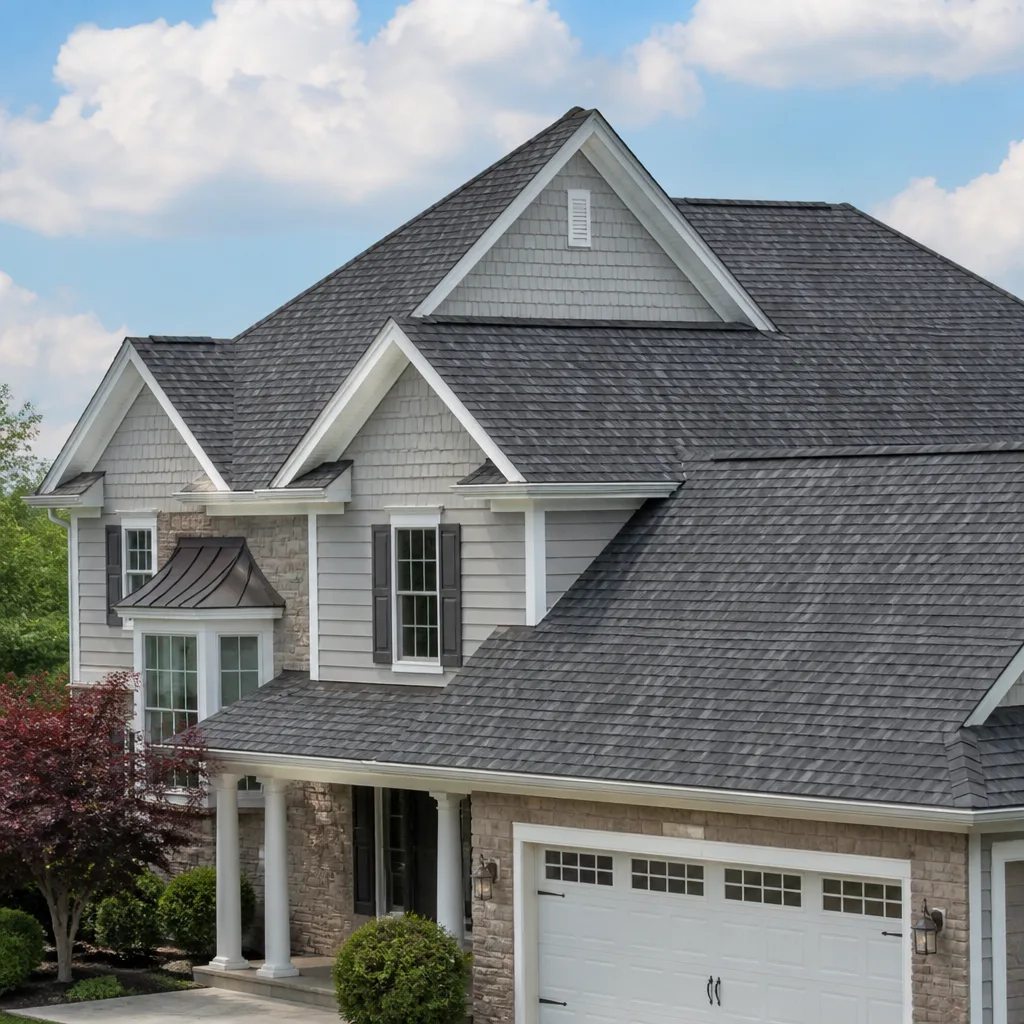 Architectural shingles
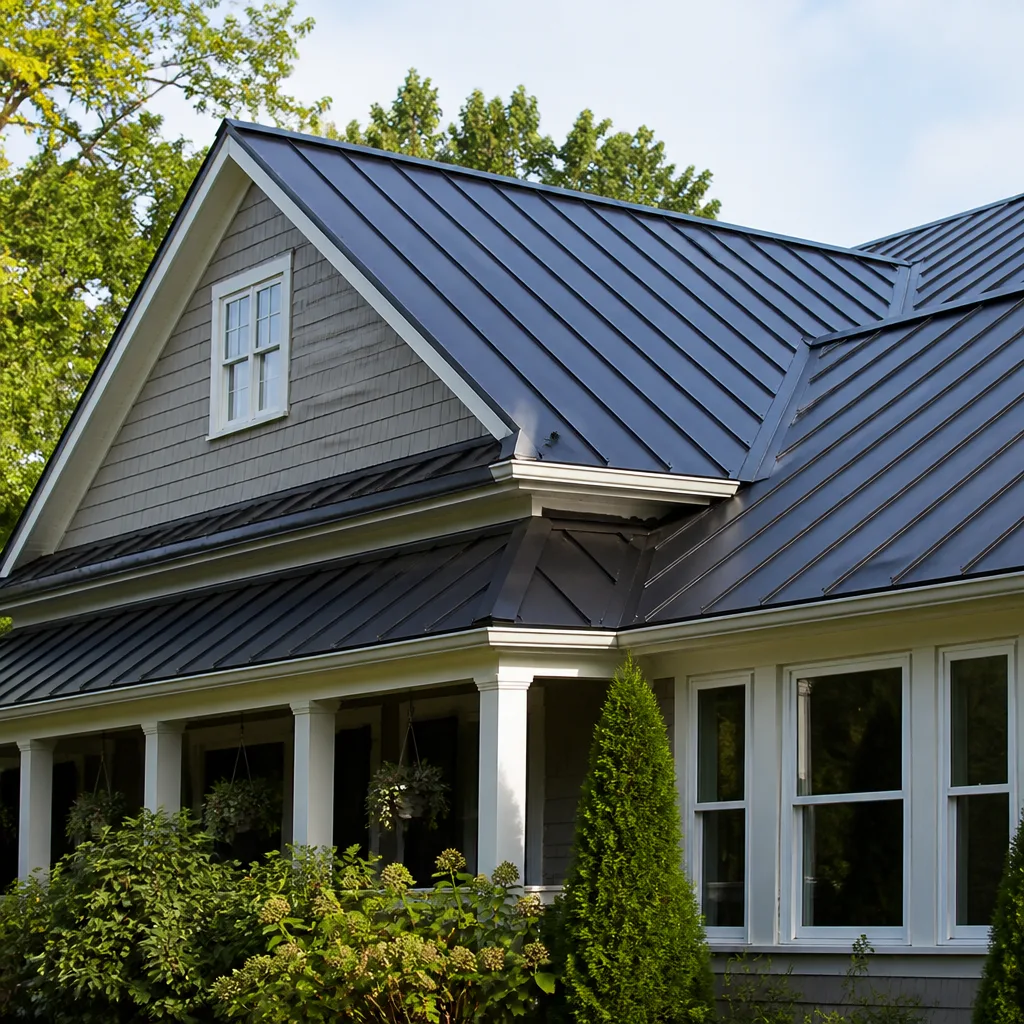 Metal roofing
 GAF
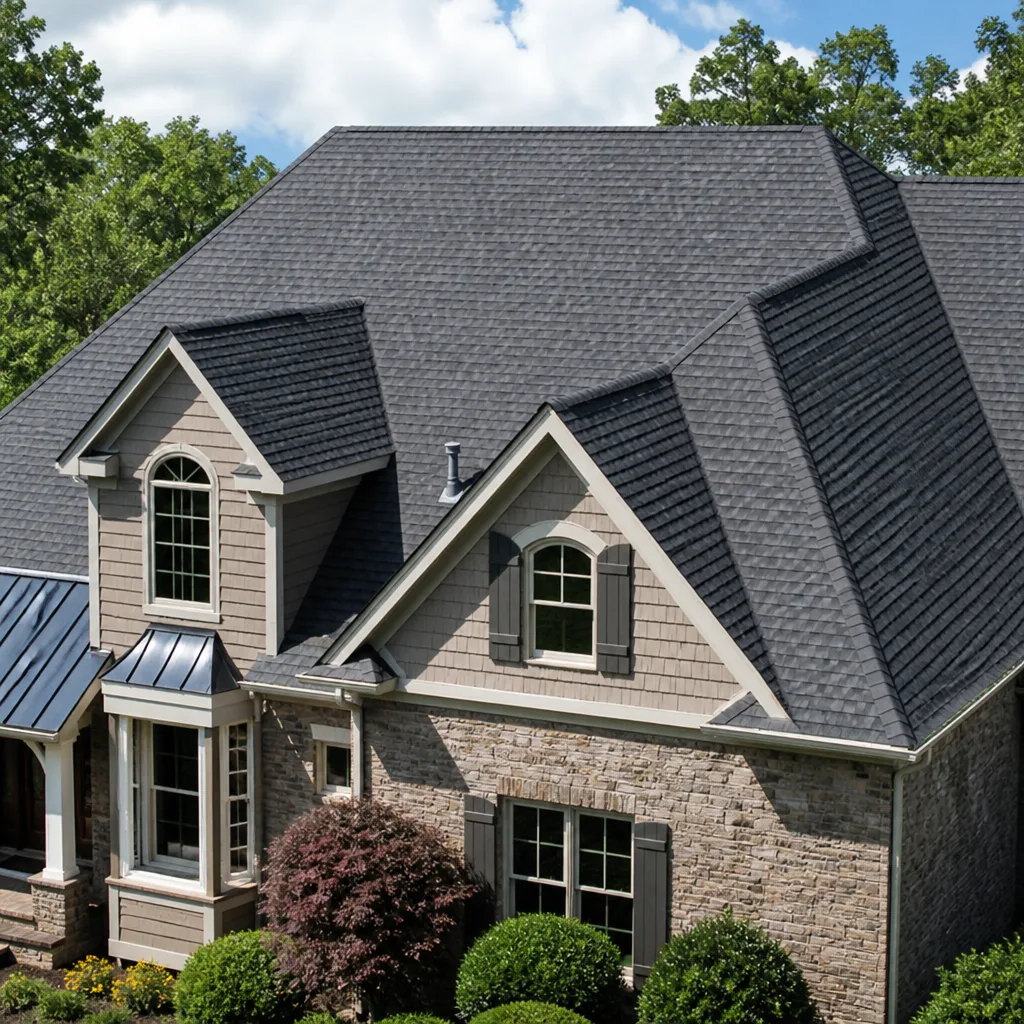 Owens Corning
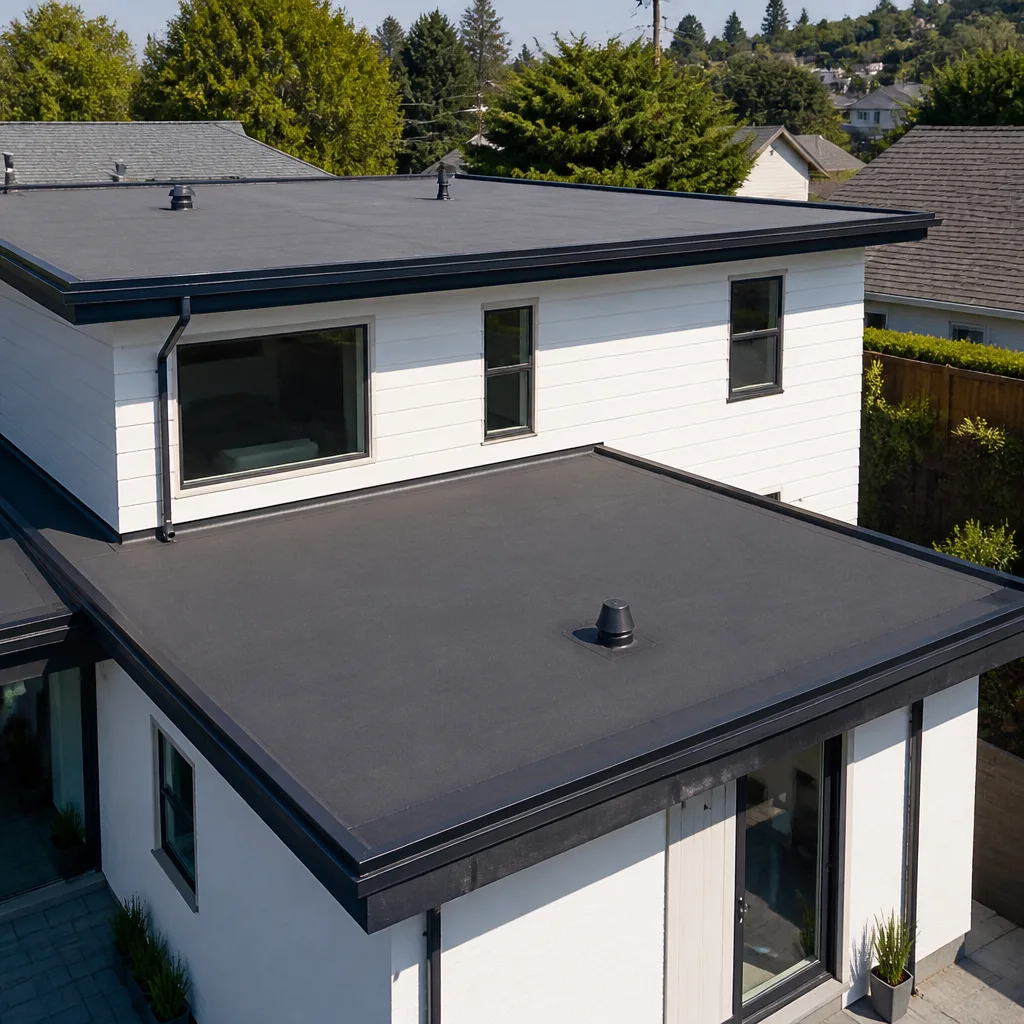 Flat & low-slope
Free roof inspection with deck photos before we talk money - GAF and Owens Corning certified installation
The Complete Tile Roofing Guide for Boulder City Homeowners
Bill has had homeowners tell him they want tile because “it lasts forever.” He doesn’t argue. He does make them walk out to the edge of the roof and look at the deck underneath first. Because a tile roof sitting on an undersized structure doesn’t last forever – it fails the structure underneath it, and the tiles go along for the ride. Boulder City has more tile roofs per block than almost anywhere in Southern Nevada, and a lot of them were installed on decks that were never spec’d for the weight. This guide covers what the showroom doesn’t: concrete versus clay in Mojave heat, the load math, the underlayment reality, HOA approvals, and what a cracked tile really costs you.
Quick Answer
Tile roofing in Boulder City typically costs $1,200 to $2,400 per square installed (a square is 100 square feet), runs $400 to $900 to replace a single cracked field tile including the trip, and needs its underlayment replaced every 20 to 25 years regardless of how good the tiles still look. Concrete tile handles Boulder City’s UV and thermal swing better than clay over a 20-year window, but only if the roof deck was built to carry the weight – and that’s the question to settle before anyone quotes you a number.
Styles & brands we work with
- Architectural shingles
- Metal roofing
- Tile roofing
- GAF
- Owens Corning
- Flat & low-slope
Table of Contents
- Why Tile Dominates Boulder City Rooflines
- Concrete vs. Clay Tile in the Mojave Heat
- The Structural Load Reality Nobody Quotes You On
- The Underlayment Is Doing the Actual Work
- HOA Color and Profile Rules in Boulder City
- True Cost of Ownership: Install, Repair, Budget
- Repair or Replace? How to Decide
- Common Mistakes to Avoid
Why Tile Dominates Boulder City Rooflines
Drive through the older blocks near the historic district or the tracts off Buchanan and you’ll see tile on most of the pitched roofs. That isn’t an accident of fashion. Boulder City sits at roughly 2,500 feet with summers that push past 110°F and winters that drop into the 20s – a thermal swing of 80 to 90 degrees across a single year, repeated hundreds of times over a roof’s life. Tile handles that swing. Asphalt shingles soften and stiffen with it, and the granules wear off faster here than they do in a milder climate.
Tile also shrugs off the desert’s two other pressures. UV at this elevation is relentless, and tile doesn’t chalk or fade the way a shingle does – the color is fired into the material. Hail, when it comes, tends to bounce off a curved profile rather than bruise it the way it bruises asphalt. And tile is genuinely fire-resistant, which matters more in a county with dry brush on every ridgeline.
The trade-off is weight and fragility. A tile roof runs several times the weight of an asphalt roof, and a single footfall in the wrong spot can crack a field tile. That’s the whole story in one sentence: tile is the best material for this climate and the most demanding one to install on an older house. If you’re weighing materials from scratch, our Shepherd & Sons Roofing Boulder City home page lays out how tile compares to shingle and metal side by side.
Concrete vs. Clay Tile in the Mojave Heat
Most Boulder City tile roofs are concrete, not clay. Concrete tile is the workhorse: molded, colored, and priced within reach of a normal household. Clay is the traditional choice, and it’s beautiful, but it behaves differently under 20 years of desert sun.
Here’s the honest breakdown of how each one ages in this specific climate:
- Concrete tile, 20-year outlook: The body of the tile holds up well. What fades is the surface color coat, and in full sun at this elevation you can expect visible fading by year 12 to 15 on a south- or west-facing slope. Hairline crazing (fine surface cracks) is normal and cosmetic. Frost in winter is a bigger factor than most people realize – concrete absorbs a little moisture and the occasional hard freeze can spall an edge.
- Clay tile, 20-year outlook: The color doesn’t fade because it’s fired through the body. Clay is also the more brittle of the two, and it’s the one that cracks when a ladder gets leaned on it or a kid lands on it chasing a ball. Freeze-thaw cycles are harder on clay than on concrete. Clay also weighs more per square, which pushes the deck question harder.
Realistic lifespans in Boulder City: a well-installed concrete tile roof will serve 40 to 50 years before the tiles themselves need replacing, and clay can go longer. The catch, and it’s the one almost nobody explains up front, is that neither number tells you when the roof stops waterproofing. That’s the underlayment’s job, and we’ll get to it.
The Structural Load Reality Nobody Quotes You On
This is the part Bill makes people look at before money comes up. Tile is heavy – a concrete tile roof can weigh four to six times what an asphalt shingle roof weighs on the same footprint, and clay is heavier still. Nevada’s residential code follows the International Residential Code, which means the roof deck and the rafters under it have to be sized and spaced to carry that dead load plus a live load for wind and maintenance. On a house built for shingles, they often aren’t.
What that inspection actually looks like:
- Pull a section of tile and look at the sheathing. We check the thickness and condition of the deck – is it solid, is it delaminating, is it the right thickness for the span?
- Measure the rafters or trusses. Dimension, species, spacing, and span. A 2×6 at 24 inches on center carrying tile over a long span is a different conversation than a 2×8 at 16.
- Check the connections. Hurricane ties, ridge connections, and how the roof ties into the walls. Adding weight to a roof changes how it needs to be held down.
- Get a licensed structural opinion when it’s borderline. If the numbers are close, we’d rather have an engineer sign off than guess. A reinforcing job under the deck is cheaper than a sagging ridge line in ten years.
- Quote the reinforcement separately from the roof. You should see the deck work and the tile work as two line items, not one blended number.
Our technicians have up to 30 years of experience, and the ones who’ve been at it the longest will tell you the same thing: the deck question is the one that separates a real bidder from a guy with a clipboard. When it’s time to change materials or re-deck, our Roof Replacement & Installation in Boulder City page walks through what a full tear-off and rebuild involves.
The Underlayment Is Doing the Actual Work
Here’s the counterintuitive truth about tile: the tiles shed most of the water, but the layer that keeps your ceiling dry is the underlayment underneath them – a sheet of felt or synthetic membrane laid over the deck. Tile isn’t watertight on its own. It’s a rainscreen. The underlayment is the waterproofing. And the underlayment doesn’t last as long as the tile does.
That mismatch is where Boulder City homeowners get surprised. You look at your roof, the tiles look fine, so you assume the roof is fine. The tiles could be 45 years old and still serviceable while the underlayment under them has been brittle and failing for a decade. You can’t see that from the driveway, and you can’t see it from the ridge either without lifting tile.
When do Boulder City homes typically hit the window? Original underlayment on a mid-century or 1970s-80s tile roof is usually at or past its service life, and we regularly find it cracked, torn at the laps, and letting water through at the valleys and penetrations before the tile shows a single problem. The practical rule: if you don’t know the age of the underlayment, it’s worth a look, especially before the monsoon season.
- Underlayment replacement with tile lifted and re-laid: lower cost than a full replacement, and it buys you another 20-plus years.
- Full tear-off with new underlayment and new tile: the reset, and the right call when the tile itself is cracking or the deck needs work.
- What to ask any roofer: “How old is my underlayment, and how did you check?” A real answer means they pulled tile.
HOA Color and Profile Rules in Boulder City
Boulder City is particular about its look. The city has a long history of protecting its historic character, and a good number of neighborhoods, both the older blocks and the newer tracts, run under HOA architectural review. If you’re replacing tile, the color and profile you want may need approval before a single tile comes off the pallet. Getting this wrong means tearing off brand-new tile, which is an expensive way to learn a lesson.
What the approval process usually looks like:
- Get your current tile identified. Profile, color name, and manufacturer if we can find it. Matching existing tile is easier than starting over.
- Submit a color and profile request to your architectural committee. Most want the manufacturer’s spec sheet and a photo or sample.
- Wait for written approval before ordering. Verbal “go ahead” from a board member isn’t approval. Get it in writing.
- Confirm with the city if you’re in a historic overlay. Some properties have an extra layer of review beyond the HOA.
Which profiles get rejected most often? High-contrast colors – bright reds, deep blues, and anything glossy – get bounced regularly in neighborhoods built around muted desert tones. Flat profiles that clash with the surrounding barrel or S-tile also draw objections. When in doubt, match the neighbor’s roof and the committee’s mood. We install tile from manufacturers including Boral, GAF, and CertainTeed, so we can usually find a profile that satisfies both the committee and your taste.
True Cost of Ownership: Install, Repair, Budget
Tile costs more to install than shingle and more than most metal. That’s the headline. The part that gets left out is the repair profile, which looks completely different over 30 years. Here’s what Boulder City homeowners actually pay, line by line:
- New tile roof install: $1,200 to $2,400 per square, product and complexity dependent.
- Underlayment replacement only, tile lifted and re-laid: $500 to $900 per square – a fraction of a full replacement.
- Single cracked field tile replacement: $400 to $900, including the trip, matching the tile, and re-securing the surrounding field.
- Flashing or valley repair: $300 to $800 depending on access.
- Deck reinforcement if required: quoted separately and up front, never a surprise mid-job.
Here’s the comparison that matters. Shingle has the lowest install cost but the shortest life and the most frequent repairs. Metal has a high install cost and very few repairs. Tile sits in the middle on install and has a distinctive repair pattern: individual tile breaks are cheap-ish and local, but they do happen, and they don’t stop happening. Budget $200 to $400 a year for the occasional cracked tile and a flashing check, and you’ll rarely be blindsided. If you want to see how metal pencils out against tile over the long haul, our Metal Roofing in Boulder City page runs the same math.
One more thing worth knowing: hail and wind damage on tile often look like nothing from the ground. A cracked tile lets water into the underlayment, and by the time you see a stain on the ceiling, the damage has been working for a while. That’s why we tell people to get a second set of eyes after any real storm.
Repair or Replace? How to Decide
The decision comes down to four questions, and a straight answer to each one usually settles it:
- Is the underlayment serviceable? If it’s near or past its life, repairing tile alone is patching a roof that’s still leaking somewhere you can’t see.
- How much tile is cracked or broken? A handful of tiles is a repair. Widespread cracking and slippage suggests the deck or the fastening is failing, and that’s a bigger job.
- Is the deck sound? Soft spots, sagging, or delamination mean the roof has to come apart anyway.
- How long are you staying? If you’re selling in two years, a targeted repair may be the honest call. If this is your forever house, you want the underlayment and deck right.
If you’re only seeing one problem – a few cracked tiles, a stain at a valley – repair usually wins. When the underlayment is old and the deck needs work, replacement is the cheaper path over ten years. Our Roof Repair in Boulder City page goes deeper on when a repair is the right answer and when it’s throwing good money after bad.
Common Mistakes to Avoid
- Choosing tile on looks alone. The profile and color are the last decision, not the first. The deck and underlayment come first, and skipping that step is how a beautiful roof ends up on a structure that can’t carry it.
- Assuming good-looking tile means a good roof. Tile condition tells you nothing about underlayment condition. Lift a tile or have someone lift one before you decide the roof is fine.
- Skipping the underlayment replacement to save money. Re-laying old tile on new underlayment is the smart savings. Re-laying new tile on old underlayment is a countdown to a leak.
- Ordering tile before HOA approval. In Boulder City, that’s how homeowners end up paying twice for tile they can’t keep.
- Letting anyone walk the tile without protecting it. Tile cracks under foot traffic. A roofer who stomps across the field without care is already costing you money.
- Hiring a storm chaser with a shiny truck and no local address. After a hail event, out-of-town crews appear. Ask for a published address you can drive past in six months, and ask where the phone gets answered.
- Ignoring the deck quote. If a bidder won’t talk about rafters and sheathing, they haven’t looked, and the number is guesswork.
See the difference
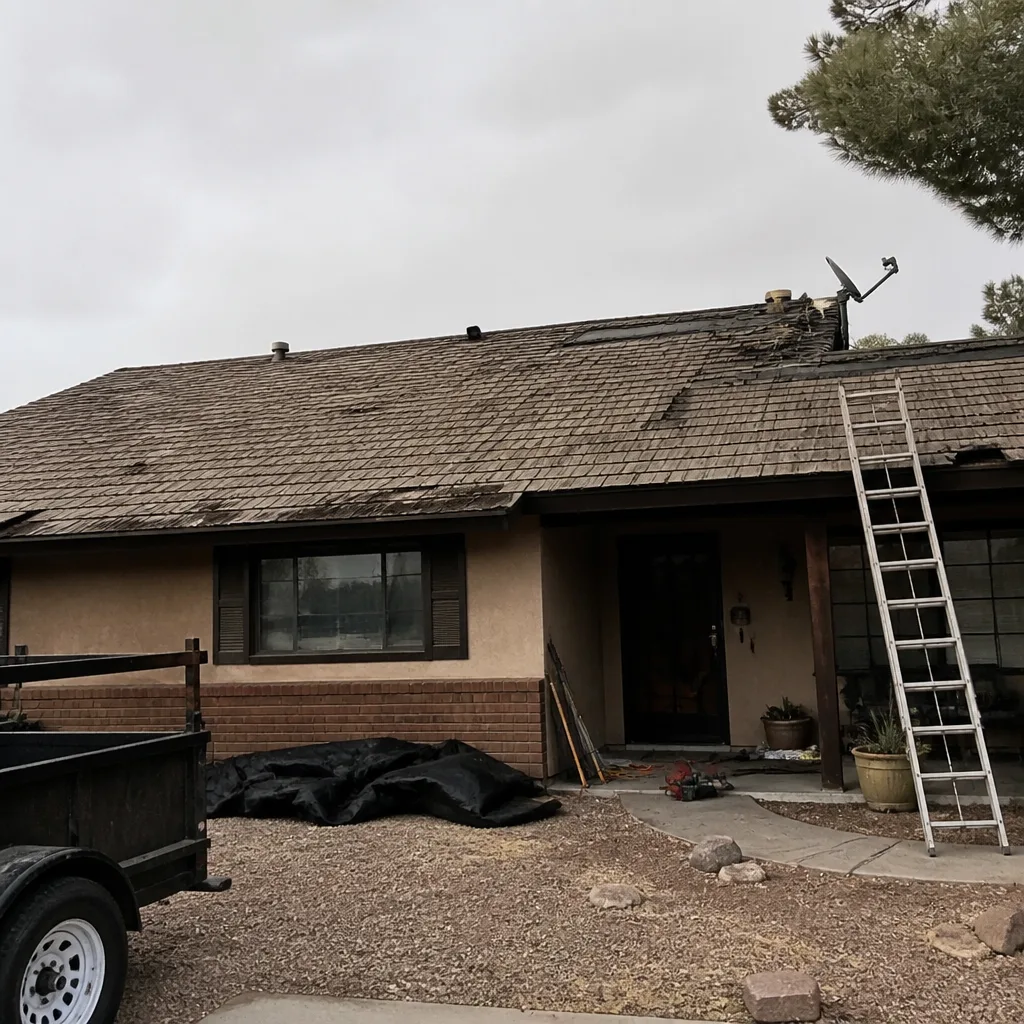 Before
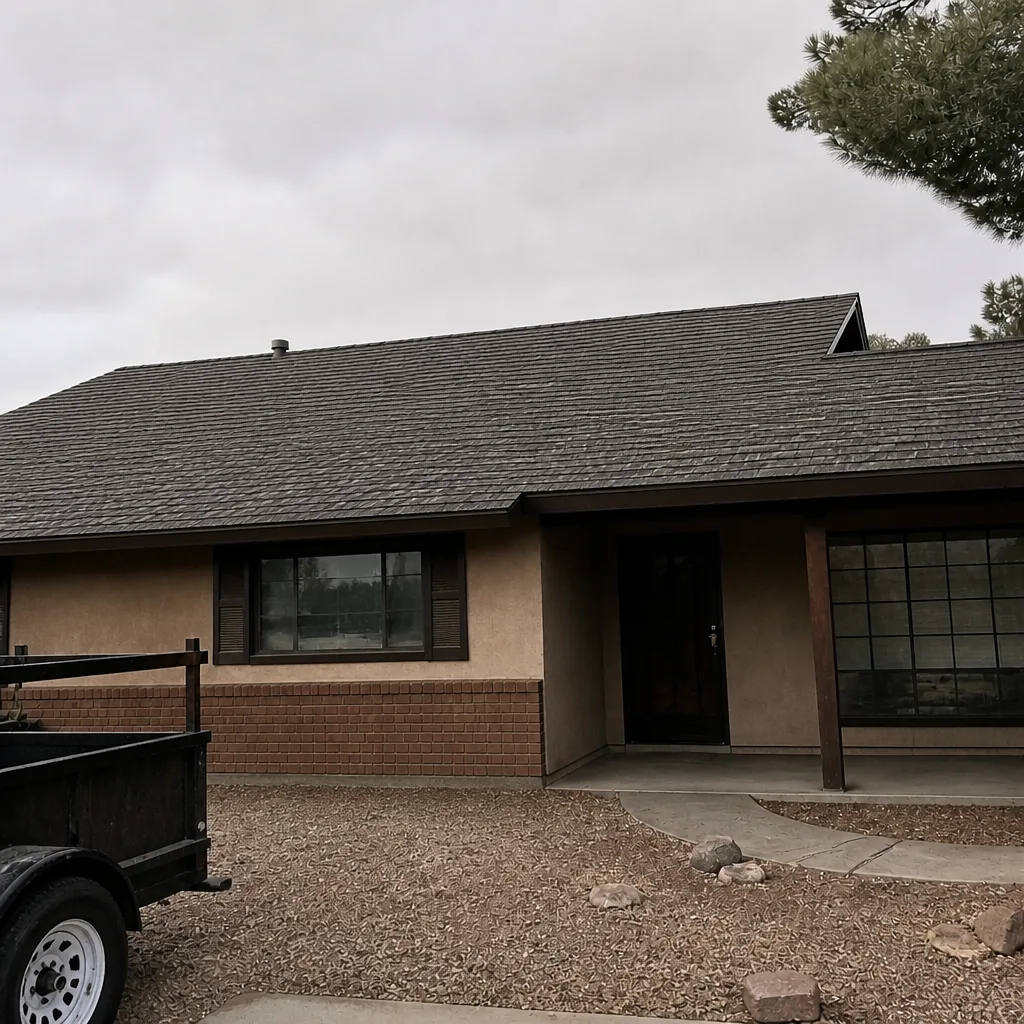 After
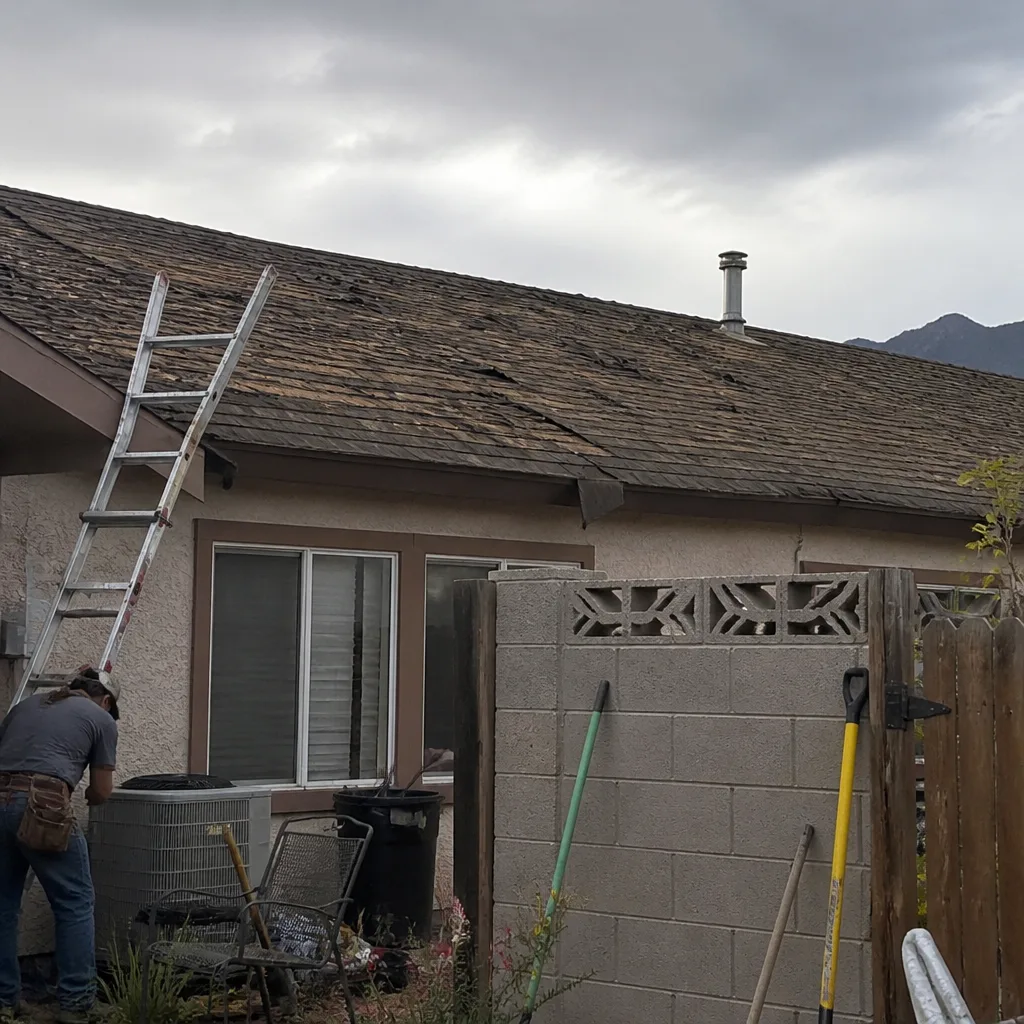 Before
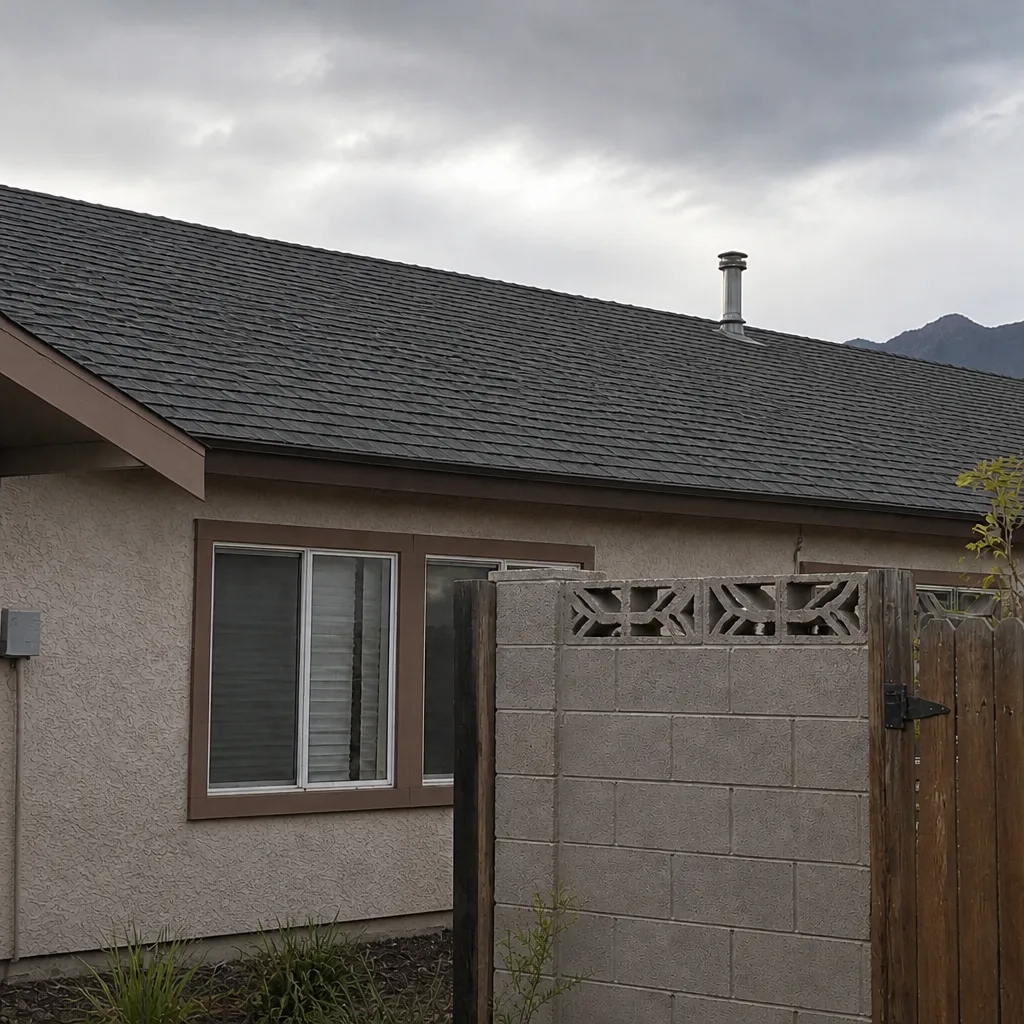 After
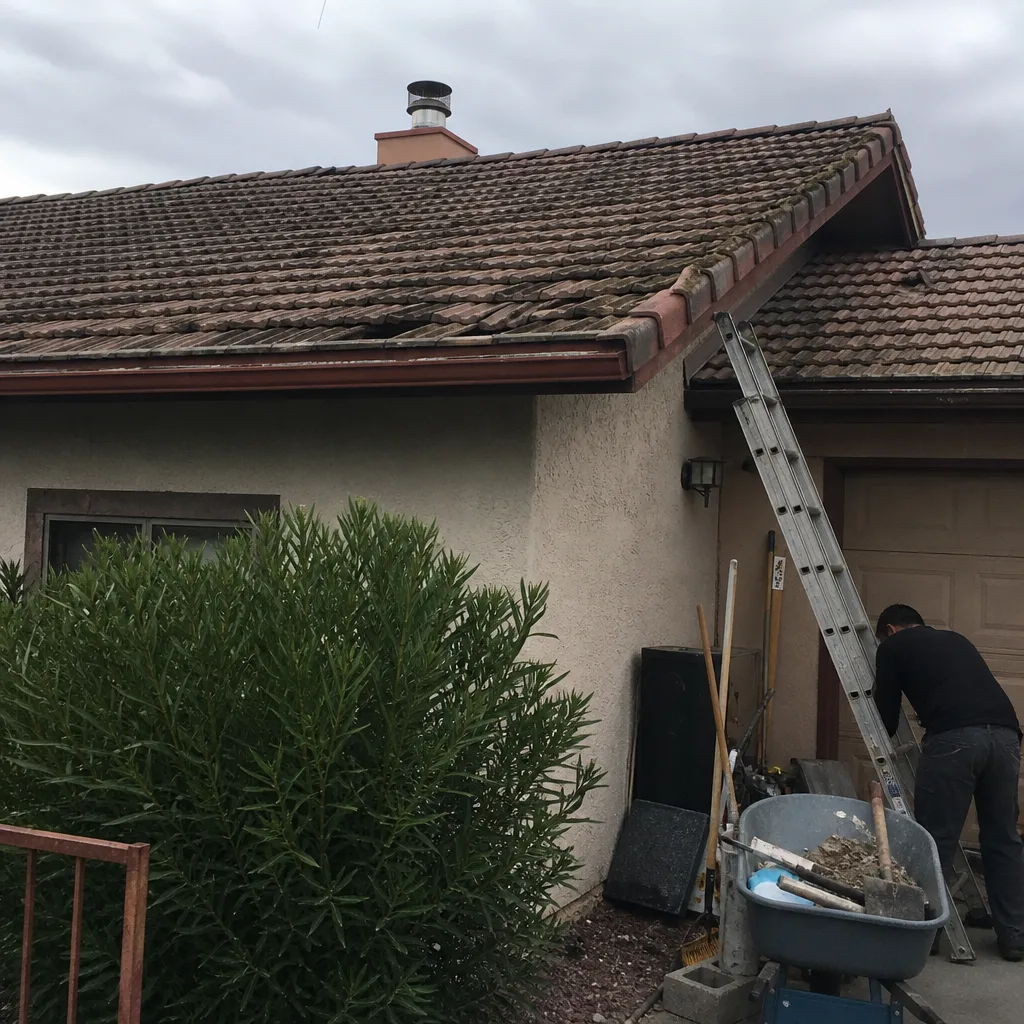 Before
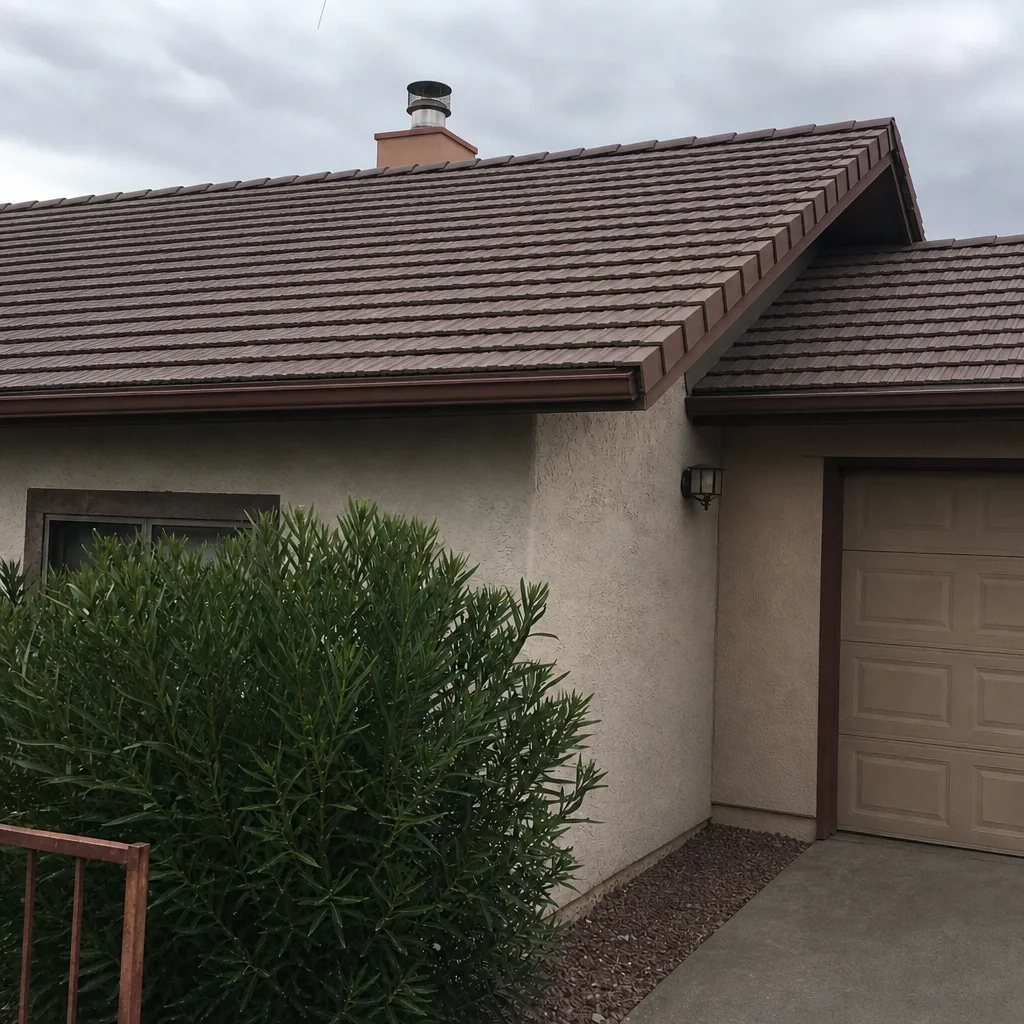 After
When to Call a Professional
Call us when you’ve found cracked or missing tiles after a wind event, when you see a ceiling stain under a tile roof, when you don’t know how old the underlayment is and the roof is past 20 years, or when you’re planning a replacement and need the deck and load question answered before you pick a color. Call when your HOA needs documentation or a spec sheet. And call when you’ve got a written bid in hand from someone else and want a second set of eyes before you sign – a free second opinion on a written estimate costs you nothing and has saved plenty of Boulder City homeowners from a bad number. Shepherd & Sons Roofing Boulder City offers free estimates in Boulder City – call (844) 761-8186.
Frequently Asked Questions
Tile roofing in Boulder City typically runs $1,200 to $2,400 per square installed, so a typical 25-square roof lands roughly between $30,000 and $60,000 depending on tile type, deck condition, and roof complexity. Underlayment-only replacement is far cheaper, usually $500 to $900 per square. Call (844) 761-8186 for an exact quote – estimates are free and we’ll show you the deck photos before we talk money.
Concrete tile typically lasts 40 to 50 years and clay can go longer, but the underlayment underneath needs replacing every 20 to 25 years regardless of how good the tile looks. That’s the number to plan around in Boulder City’s heat and freeze-thaw cycles.
Sometimes. Tile weighs several times what asphalt shingles weigh, and older Boulder City homes built for shingles often need the rafters or sheathing checked, and occasionally reinforced, before tile goes on. A proper inspection measures the rafter size, spacing, and deck condition; if it’s borderline, we bring in a licensed structural opinion rather than guess.
Yes. A single field tile replacement typically costs $400 to $900 including the trip and matching material. It’s a small repair, and it’s worth doing quickly – a cracked tile lets water reach the underlayment, and the damage underneath is the expensive part. Call (844) 761-8186 to get one looked at.
In most Boulder City neighborhoods with an HOA, yes, and some properties in historic areas have an extra layer of city review. Get written approval before ordering tile. High-contrast and glossy colors and profiles that clash with the surrounding roofline are the ones most often rejected.
It shouldn’t, and with us it won’t – we quote line by line, including any deck or reinforcement work, before anything starts. No change orders mid-job. That’s the whole point of the free second opinion on a written estimate: you know the number before anyone touches your roof.
The Bottom Line
Tile is the right roof for Boulder City more often than not, but only when the deck can carry it and the underlayment is treated as the real waterproofing layer, not an afterthought. Concrete handles this climate better than clay over a 20-year window; both need their underlayment replaced long before the tile wears out; HOA approval comes before the order, not after. Budget for the occasional cracked tile, get the deck inspected before you pick a color, and hire someone whose address you can drive past next year. That’s the whole guide.
Call (844) 761-8186 for a free estimate. A live person answers, every time – including nights and weekends after a storm. Ask about the $40 off any repair over $200, the free second opinion on any written estimate, no trip charge inside our own county, and the senior and veteran discount. Same address since 1996, name on the truck, license on the paperwork.
Written by the team at Shepherd & Sons Roofing Boulder City.