
Last updated November 17, 2026
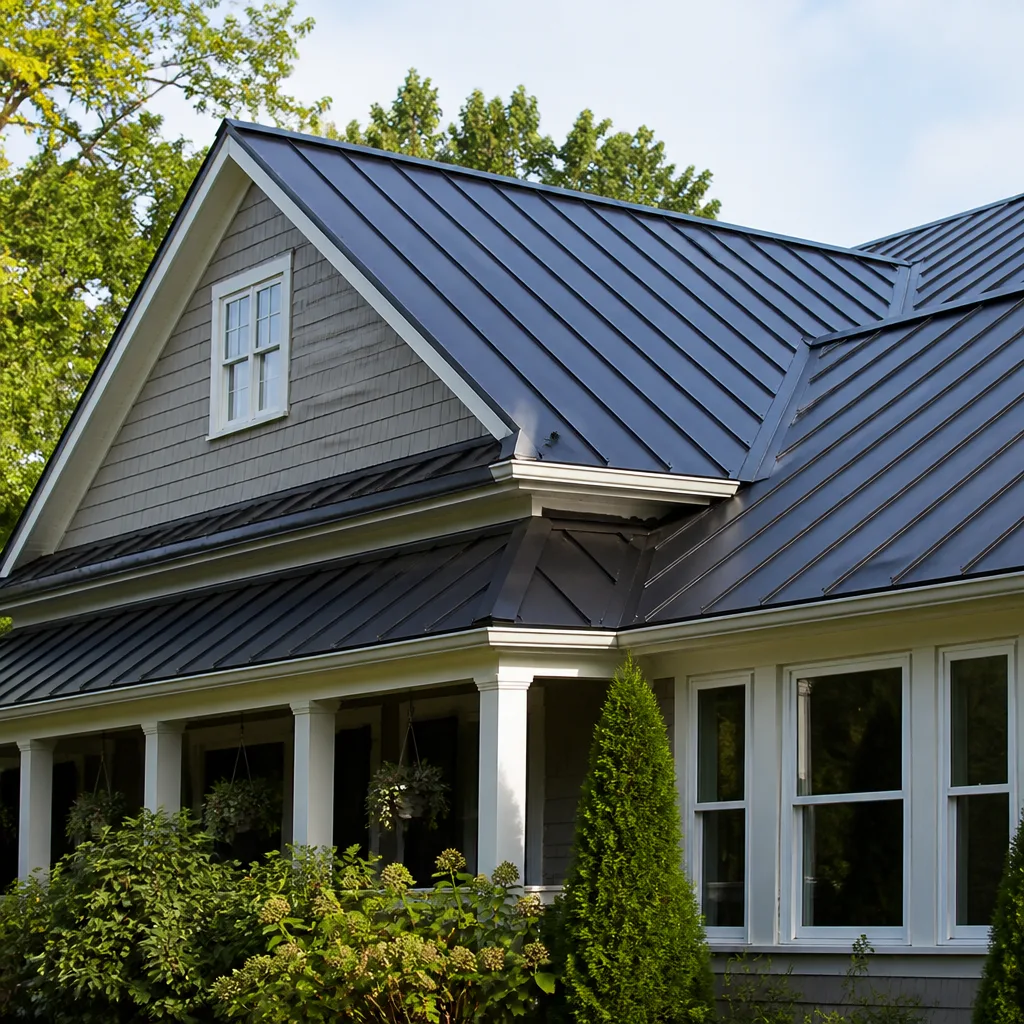 Metal roofing
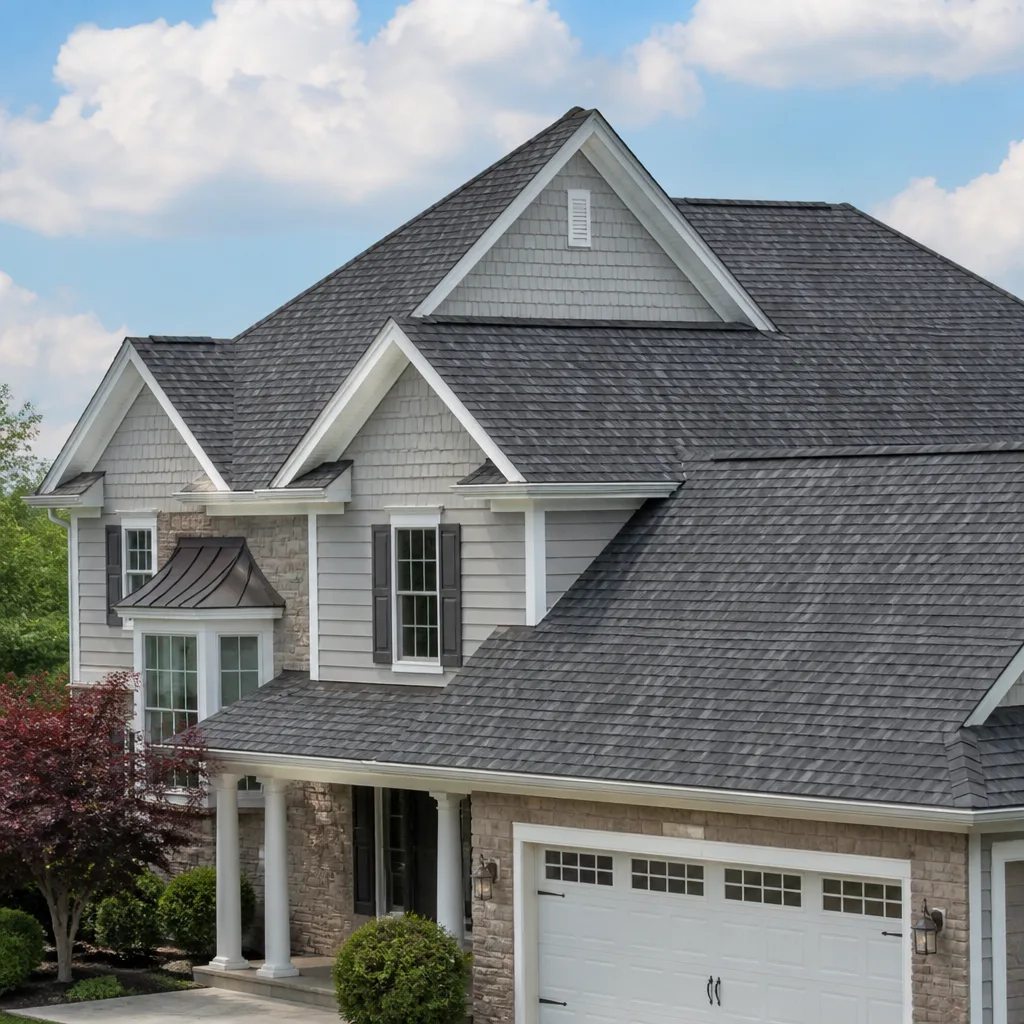 Architectural shingles
 Tile roofing
 GAF
 Owens Corning
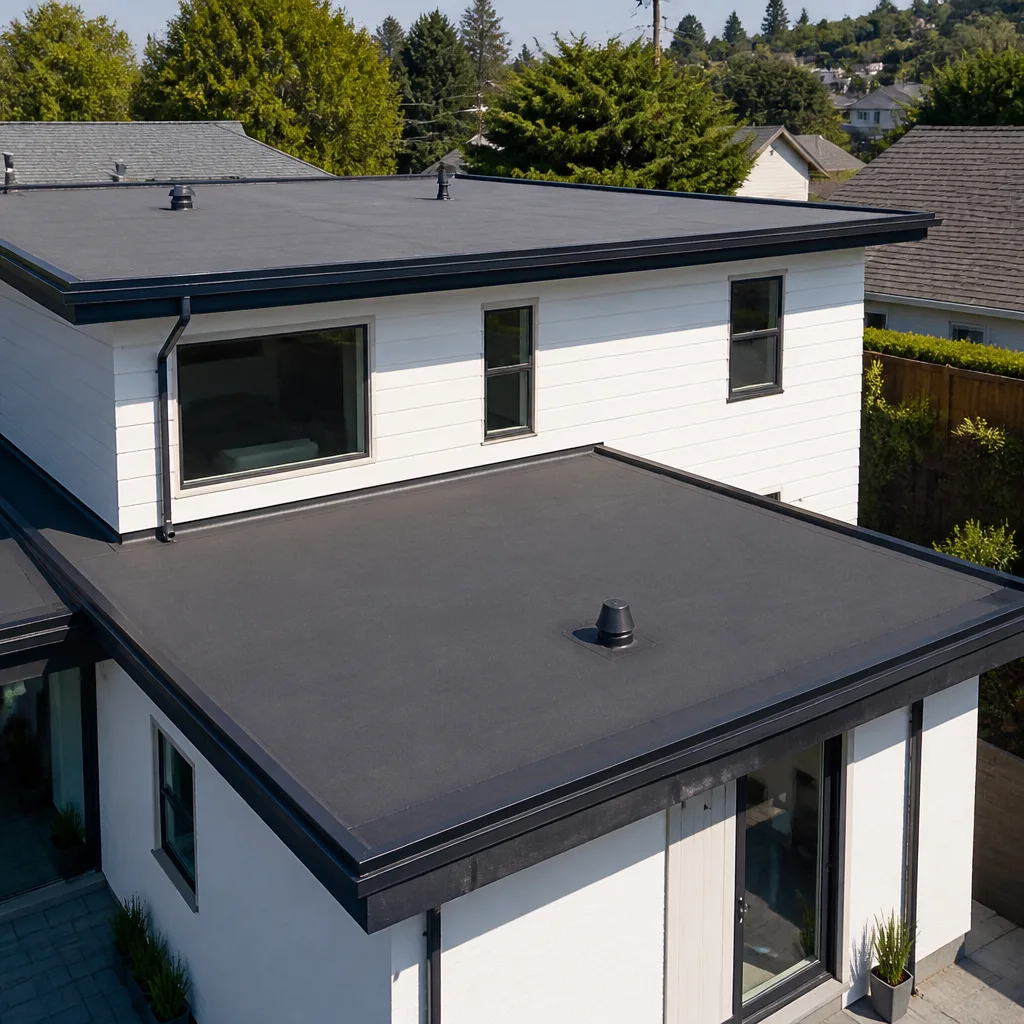 Flat & low-slope
Free roof inspection with deck photos before we talk money - GAF and Owens Corning certified installation
DIY vs Professional Roofing: The Boulder City Homeowner’s Decision Guide
I’ll tell you straight: I’ve had homeowners call me to fix DIY repairs that cost them more than the original professional job would have – not because they weren’t capable people, but because they didn’t know what was under the layer they replaced. That’s the part nobody talks about in the YouTube tutorials. This guide is an honest look at which roofing work a handy Boulder City homeowner can legitimately pull off, which work the Nevada code and the desert heat simply won’t let you do safely, and how to run the real numbers so you’re not trading a weekend for a bill twice as large. We’ll cover the summer work window, the warranty mechanics that bite, and the actual decision criteria. No pitch.
Quick Answer
In Boulder City, DIY roofing is genuinely viable only for small, low-risk maintenance like resealing minor flashing, patching a single-layer cap sheet, or clearing gutters – NOT for full installations, tear-offs, or anything touching penetrations and structural decking, which require licensed work under Nevada code and will void most manufacturer warranties. For any real repair or replacement, the professional cost is almost always lower over time once you count material waste, dumpster rental, tool rental, and lost warranty coverage.
Styles & brands we work with
- Architectural shingles
- Metal roofing
- Tile roofing
- GAF
- Owens Corning
- Flat & low-slope
Table of Contents
- What DIY Roofing in Boulder City Really Looks Like
- What Nevada Code Actually Requires (and What It Doesn’t)
- The Tasks a Handy Homeowner Can Legitimately Do
- The Tasks That Require a Licensed Roofer
- The Heat Window: Why Summer Limits Your Workday
- Materials-Only vs Professional Cost, Honestly Compared
- How DIY Work Voids Your Manufacturer Warranty
- The One DIY Scenario vs the Three That Rarely Pay Off
What DIY Roofing in Boulder City Really Looks Like
Most DIY roofing advice on the internet was written for a temperate climate with an eight-month building season and forgiving sun. Boulder City isn’t that place. You’re working in the Mojave at roughly 2,400 feet, where July surface temperatures on a dark shingle roof can climb past 160 degrees, and where the afternoon wind gusts off the McCullough Range will grab a loose bundle or a piece of underlayment and send it into the neighbor’s yard.
What does that mean practically? It means your realistic working window on a summer Saturday is a couple of hours in the early morning, not a full day. It means the asphalt shingles that install fine on a cool morning become brittle and easy to crack by 11 a.m. It means the sealant strips on architectural shingles won’t bond until evening, and if a gust lifts a tab before it seals you’ve created a leak path the next storm will find.
We’ve seen plenty of Boulder City homes where the previous owner took a crack at a repair and the fix held just long enough to close the sale. Two monsoon seasons later there’s a soft spot in the sheathing and a stain on the ceiling drywall. The homeowner wasn’t careless – they just didn’t know what the deck looked like under the layer they were covering back up. That’s the recurring lesson across this whole guide: the invisible parts are what get you.
If you’re unsure whether your roof has a problem worth touching at all, our Roof Repair in Boulder City page walks through the warning signs we check first. Worth a read before you buy a single tube of sealant.
What Nevada Code Actually Requires (and What It Doesn’t)
This is where a lot of DIY plans quietly fall apart. Nevada, like most states, requires that permits be pulled by a licensed contractor for structural roofing work – full replacements, tear-offs that expose the deck, and any work involving roof penetrations like skylights, vents, or chimney flashing ties. You can’t legally pull that permit as the homeowner in most jurisdictions, and Boulder City follows suit with permit-and-inspection requirements on replacements.
Here’s the practical consequence: if a future buyer’s inspector finds a replacement that was never permitted and never inspected, that’s a negotiated price reduction, a stalled sale, or a full re-do. We’ve watched it happen on Boulder City homes near the historic district where buyers are already cautious.
What the code does not stop you from doing:
- Cleaning gutters and downspouts
- Resealing minor flashing with approved sealant (as maintenance, not as a fix for active leaks)
- Repairing isolated damage to a single-layer roll roofing surface on a shed or detached garage
- Replacing missing or cracked shingles on a small, accessible area, if you know what you’re doing
- Removing debris and trimming tree limbs away from the roof
What it does require licensed work for:
- Any full roof replacement or major tear-off
- Installation of new underlayment or decking
- Structural repairs to sheathing, rafters, or fascia
- Any work around skylights, vents, or chimney penetrations
- Anything that will need to pass a permit inspection
The line is real, and it’s enforced at the point of resale even when nobody checks during the work. If your plan involves exposing the deck, stop and get a licensed roofer involved. Tour Roof Replacement & Installation in Boulder City to understand what a code-compliant install actually includes.
The Tasks a Handy Homeowner Can Legitimately Do
Let’s give credit where it’s due. There are jobs a competent Boulder City homeowner can genuinely handle, and we’ll happily say so. When we show up on a call and the homeowner has already done the sensible small maintenance themselves, that’s a good sign, not a problem.
- Single-layer cap sheet patches on flat sections. A small tear on a low-slope section – over a porch, a shed, or a garage – can be patched with a properly sized piece of cap sheet and roofing cement. The catch: it’s temporary, and you need to know the existing layers before you go over the top.
- Resealing flashing around vents and pipes. If a gasket is cracked or a sealant bead has pulled away, a fresh application of polyurethane roof sealant is legitimate maintenance. It buys time, not final resolution.
- Gutter cleaning and tightening. The most underrated roofing task. In Boulder City, our spring wind pushes pine needles and gravel from the ranges onto roofs and into gutters. Keeping them flowing prevents fascia rot and ice-damming-free pooling that the winter sun bakes into the wood.
- Replacing a couple of cracked shingles on an accessible slope. If you can reach the area safely from a ladder on stable footing and the roof is gentle, a shingle swap is fair game. The catch: matching the color and exposing the old nailing pattern correctly matters more than most people realize.
- Trimming tree limbs and clearing debris. Cheap, safe, and it doubles the working life of the roof surface underneath those limbs.
Notice what’s on that list: temporary, accessible, non-structural, and honest about its limits. That’s the DIY ceiling. If your project doesn’t fit those adjectives, move it to the professional column.
The Tasks That Require a Licensed Roofer
Some of this is legal, some of it is physical, and some of it is just arithmetic – the cost of getting it wrong exceeds the cost of getting it done. Here’s the work we never recommend a homeowner take on.
- Full replacements and tear-offs. Permits, decking inspection, and code compliance all require a licensed contractor. There’s no path around it in Boulder City.
- Anything that exposes the deck. Once the underlayment is off, your house is open to the sky and the schedule, the weather, and the warranty all turn against you.
- Steep-pitch work on the older ranch homes. Many of Boulder City’s mid-century homes sit on 6/12 to 8/12 pitches that become genuinely dangerous under summer heat. Falls are the leading cause of roofing injury, and heat fatigue is real. This is a safety line, not a sales line.
- Metal roofing installation. Panel layout, thermal expansion, and fastener placement all have to be engineered for desert temperature swings. Get it wrong and panels oilcan or back out. Our Metal Roofing in Boulder City page explains why this one is not a DIY candidate.
- Tile and specialty systems. Tile breakage runs high for first-timers, and the underlayment beneath is the part that actually keeps water out.
- Skylights, chimneys, and vents. Penetrations are the number one leak source on every roof we’ve ever inspected. Do not attempt these without proper flashing experience.
If your roof has any of these on the list, the honest answer is that the money you’d save isn’t real. Call the pros, get a written estimate, and move on.
The Heat Window: Why Summer Limits Your Workday
This is the part most DIY guides ignore, and it’s the part that changes your whole weekend math. In Boulder City, from roughly June through early September, the safe window for roofing work outdoors is about 6 to 9 a.m. By 10 or 11 in the morning, the sun is intense, the shingles are hot to the touch, and your coordination on a slope is degraded.
Say you’re planning a small shingle repair on a Saturday. Realistically you have three usable working hours in the morning. Then you stop and wait until evening, when things cool enough to touch – but you’ve lost your light and your energy. If the project is more than a couple of hours of actual work, it doesn’t fit into one weekend. It fits into six or eight weekends, or it gets rushed, or it gets abandoned half-finished while a monsoon arrives in August.
We’ve come out to more than one Boulder City home where a half-installed repair sat for weeks because the homeowner couldn’t finish in the heat. In the meantime, every afternoon thunderstorm pushed water into the exposed area. That half-finished job turned a small patch into a sheathing replacement. The heat window isn’t a scheduling inconvenience – it’s the variable that makes DIY timelines look optimistic on paper and impossible in reality.
If you’re on the fence about which projects are worth starting at all, our Shepherd & Sons Roofing Boulder City home page is a good place to size up what your roof needs.
Materials-Only vs Professional Cost, Honestly Compared
Here’s where the DIY math usually falls apart. On paper, a materials-only comparison looks like a savings of 60 – 70%. Add the invisible costs and the gap narrows fast – sometimes to nothing.
The Hidden Costs Nobody Budgets
- Dumpster rental: A tear-off produces several tons of debris. A roll-off dumpster runs a few hundred dollars for the short rental, and you’ll pay extra for shingle weight. Restaurants and neighbors will notice it sitting in your driveway.
- Tool purchase or rental: Nail gun, compressor, shingle removal tools, safety harness, and roofing ladder stabilizers. Most homeowners don’t own these, and the rental cost alone can run into the hundreds.
- Material waste for first-timers: An experienced crew carries 10 – 15% overage. A first-time installer typically needs 25 – 35% because of miscuts, damaged shingles in handling, and rejected pieces. On desert tile, breakage runs higher still.
- Disposal fees: Beyond the dumpster rental, there may be a landfill or transfer-station charge for the tonnage.
- Time: If you’re taking unpaid leave to do the work, add that to the ledger. It’s real money.
When the dust settles, the “savings” a homeowner expected from a weekend replacement often turns into a wash once all the invisible line items are counted – before you even factor in the risk of a mistake.
We put written line-item estimates in front of every customer so they can see where every dollar goes. If you’ve already collected a bid elsewhere, we’ll give you a free second opinion on any written estimate. That offer exists exactly for the homeowner staring at a number and trying to figure out whether it’s fair.
For context on what a professional install actually includes and how materials like GAF and Atlas shingle systems are chosen for a desert climate, see Roof Replacement & Installation in Boulder City.
How DIY Work Voids Your Manufacturer Warranty
This is the quiet killer of DIY roofing plans, and it surprises almost everyone we talk to. Most major shingle manufacturer warranties – including the systems from GAF, Atlas, and Tamko – require installation by a qualified or licensed roofing contractor for the labor warranty to apply. Some require that the installer be certified with the manufacturer to offer the enhanced warranties. Either way, the moment you install the shingles yourself, you’re typically down to a materials-only warranty that covers defects in the bundle, not the labor or the failure of the roof as a system.
What that means in practice:
- If your DIY install leaks in year three due to a nailing pattern error, the manufacturer isn’t paying to fix the leak or replace the decking.
- If your shingles fail prematurely due to improper ventilation (a very common DIY mistake in our climate), the labor warranty wouldn’t have covered it anyway, but you’ve also voided the material coverage in many cases.
- The resale inspection will often flag unpermitted, unlicensed installation, and buyers will ask for concessions.
Ask any bidder how the warranty works and who stands behind the labor side. A licensed roofer will show you the certificate, the coverage terms, and the length of the labor warranty in writing. That paper trail is worth more than the paper savings.
The One DIY Scenario vs the Three That Rarely Pay Off
Here are the decision criteria, plainly stated. Use these on your own roof this weekend.
DIY Makes Sense When:
You’re doing small, non-structural, accessible maintenance – resealing a vent boot, patching a small tear on an exposed low-slope section, cleaning gutters, or replacing one or two damaged shingles on a gentle slope. The job fits comfortably into a couple of hours, the deck doesn’t need to be exposed, and you’re confident on a ladder. If all four of those are true, go for it. That’s the case where DIY is genuinely sensible.
DIY Rarely Pays Off When:
- The job requires a permit. Full replacement, major tear-off, anything needing inspection. Skip the DIY math entirely – you can’t do it legally.
- The cause of your problem is hidden. A stain on the ceiling, a soft spot when you walk the roof, or a persistent leak during monsoon season usually points to decking or underlayment damage you can’t see. Without a professional diagnosis, DIY just moves the problem.
- Your roof is on a steep pitch, near power lines, or aging. The risk of a fall or a compounding mistake is too high. This is where we see the largest repair bills – fixing what a DIY attempt left behind.
We’ve been the backstop on all three of those scenarios more times than we can count. If any of them describe your situation, the smart money is on calling us before you buy a single bundle.
Common Mistakes to Avoid
- Going over an existing layer without checking what’s underneath. In Boulder City’s older ranch homes, we routinely find a hidden second layer or rotted sheathing under what looks like a clean repair. You can’t know until it’s exposed.
- Nailing high on the shingle. A shingle nailed above the nail line loses wind uplift resistance. That’s the difference between a roof that survives a 70 mph gust and one that peels off.
- Skipping the drip edge or reusing old underlayment. Both are common in DIY work and both are leak paths the next monsoon finds.
- Working alone on a slope with no harness. Roofing falls are the leading injury on residential projects. Don’t skip the safety equipment just because it’s “a small job.”
- Using roofing cement as a permanent fix. Cement is a temporary patch. On a Boulder City roof, the heat will fail it within a season, sometimes less.
- Ignoring attic ventilation. Desert heat and a poorly ventilated attic cook the shingles from underneath. Premature failure is almost always a ventilation story, not a shingle story.
- Not photographing the work. Even if you do a legitimate DIY patch, take photos. Future you (or a future buyer) will want to see what’s under the surface.
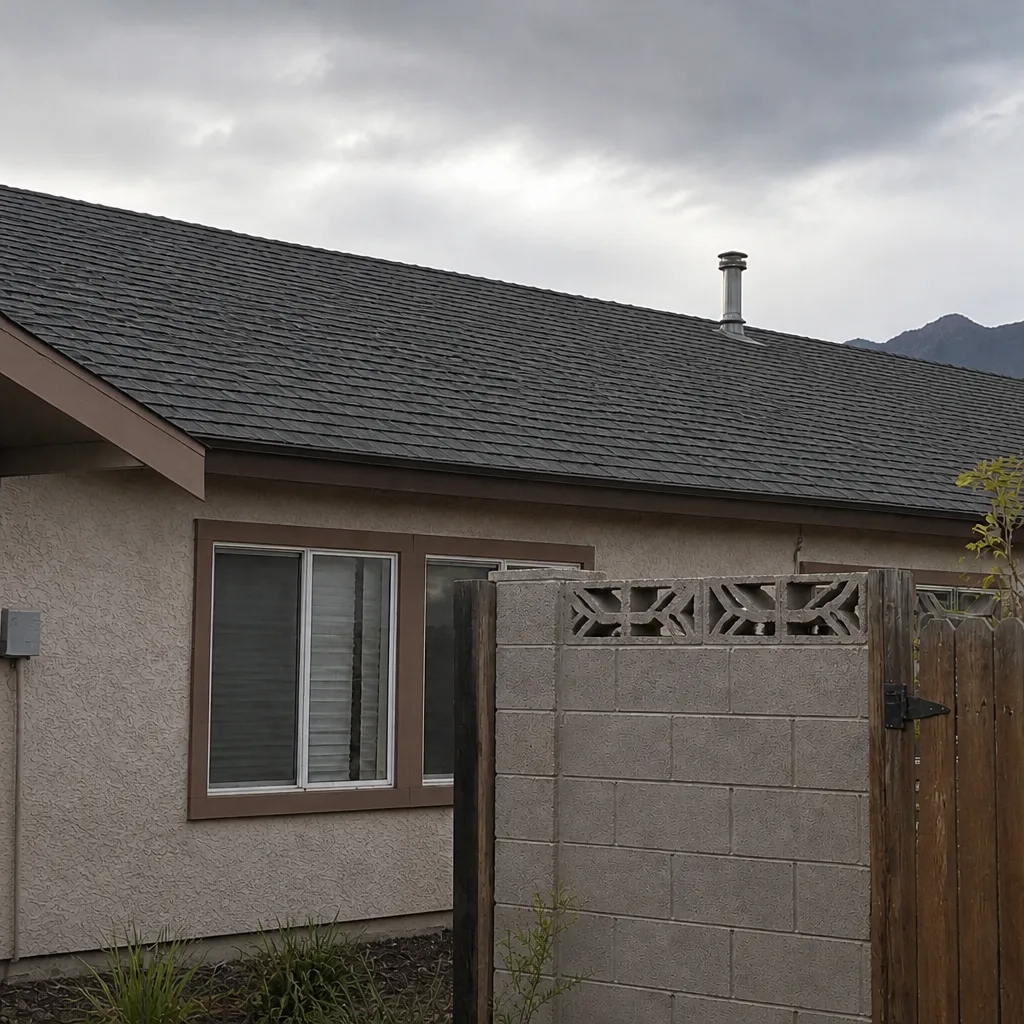
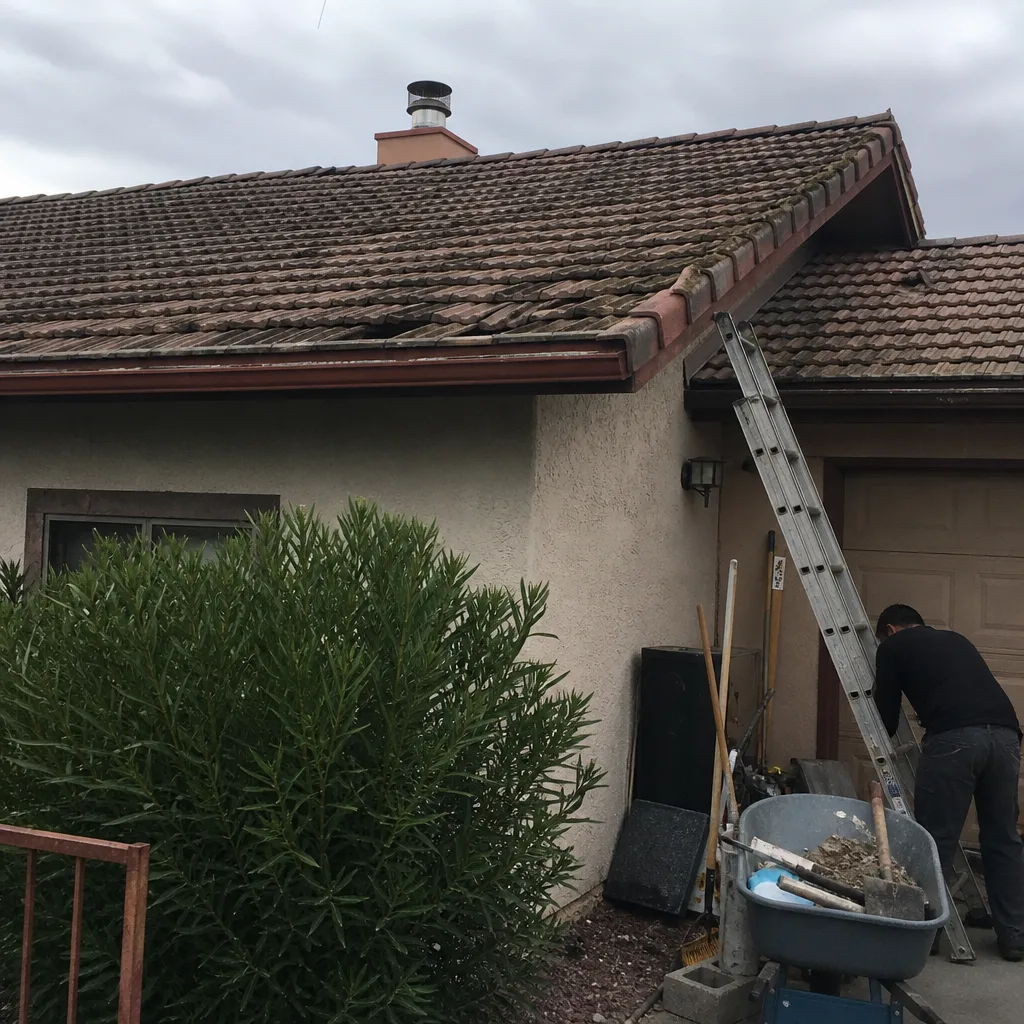
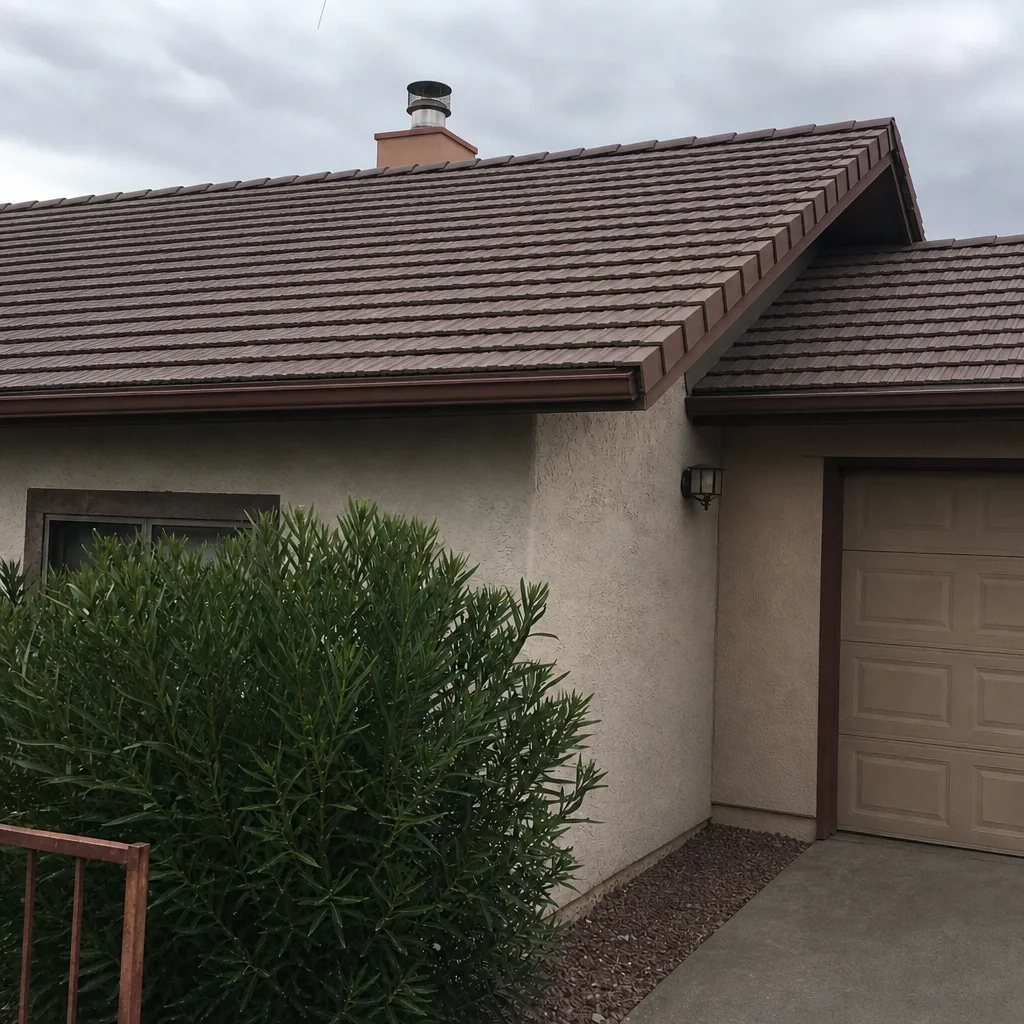
See the difference
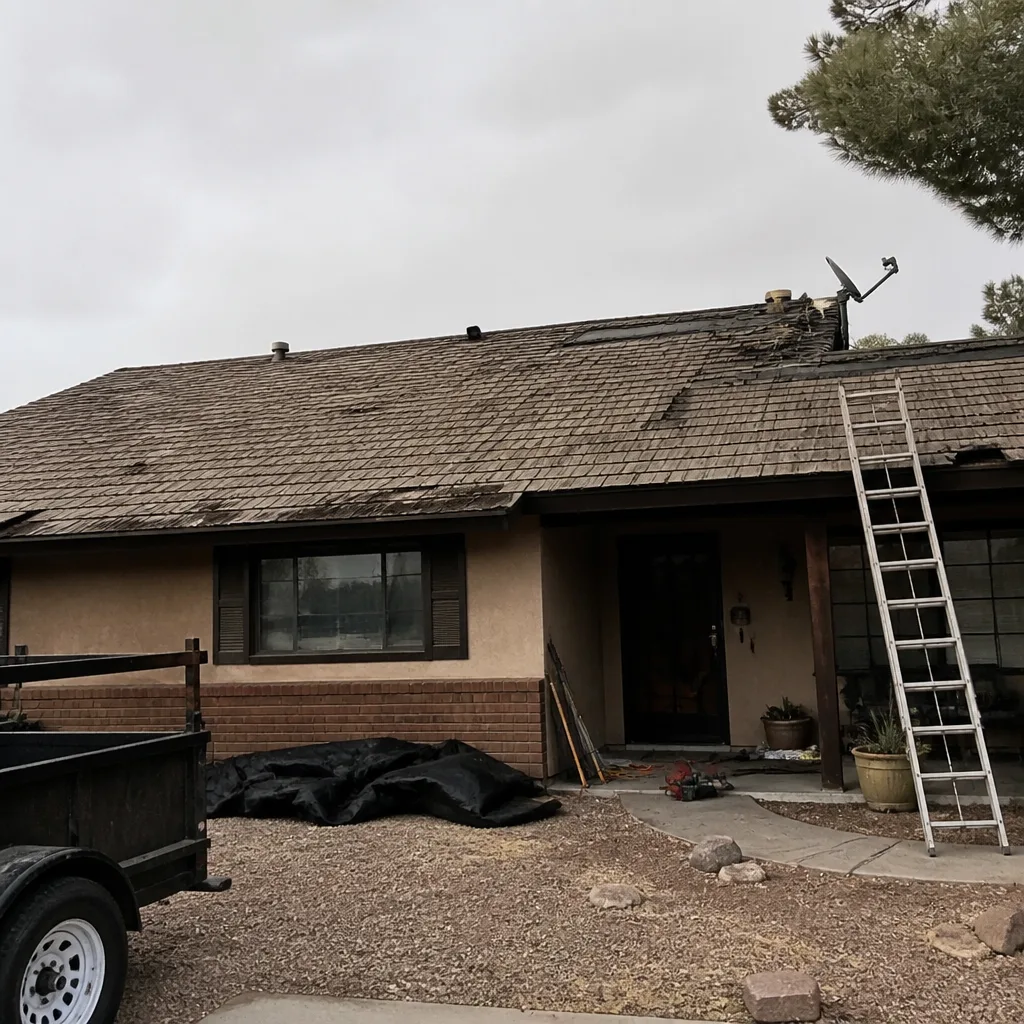 Before
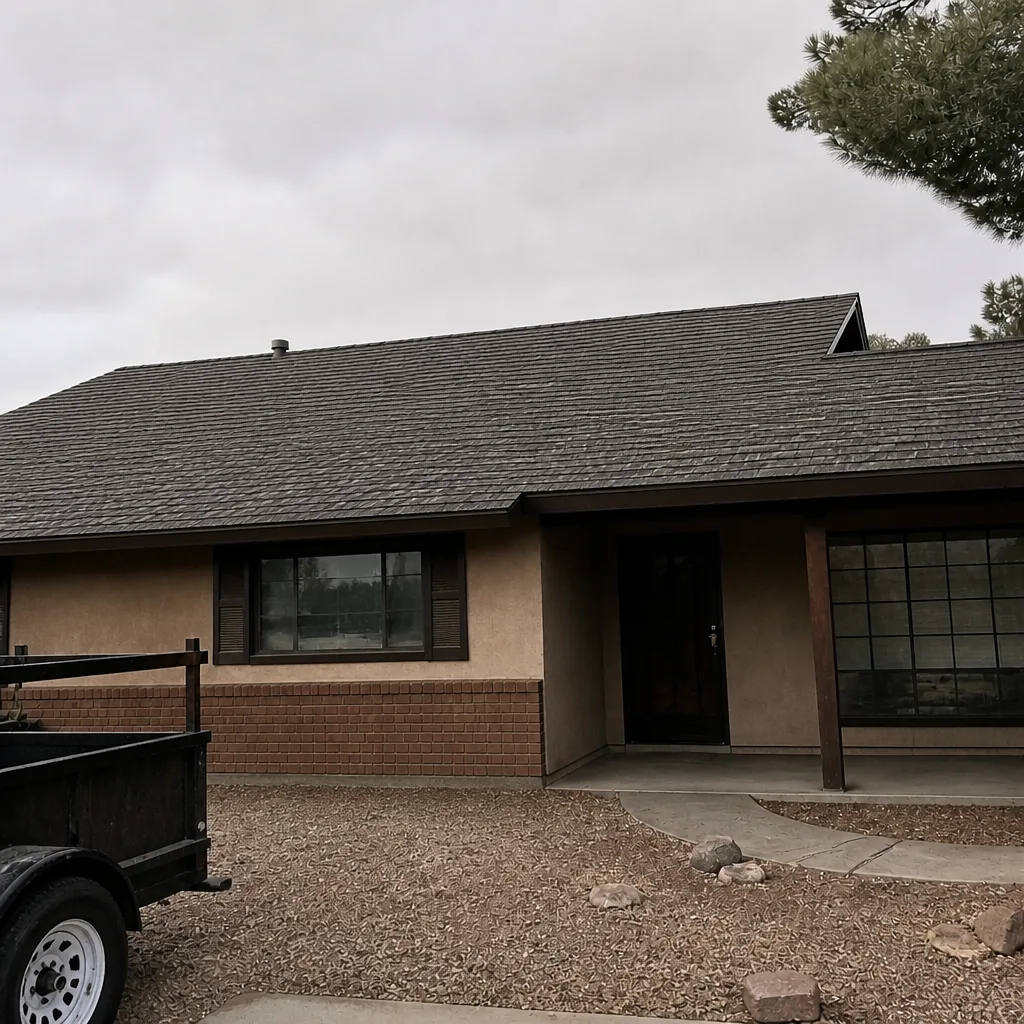 After
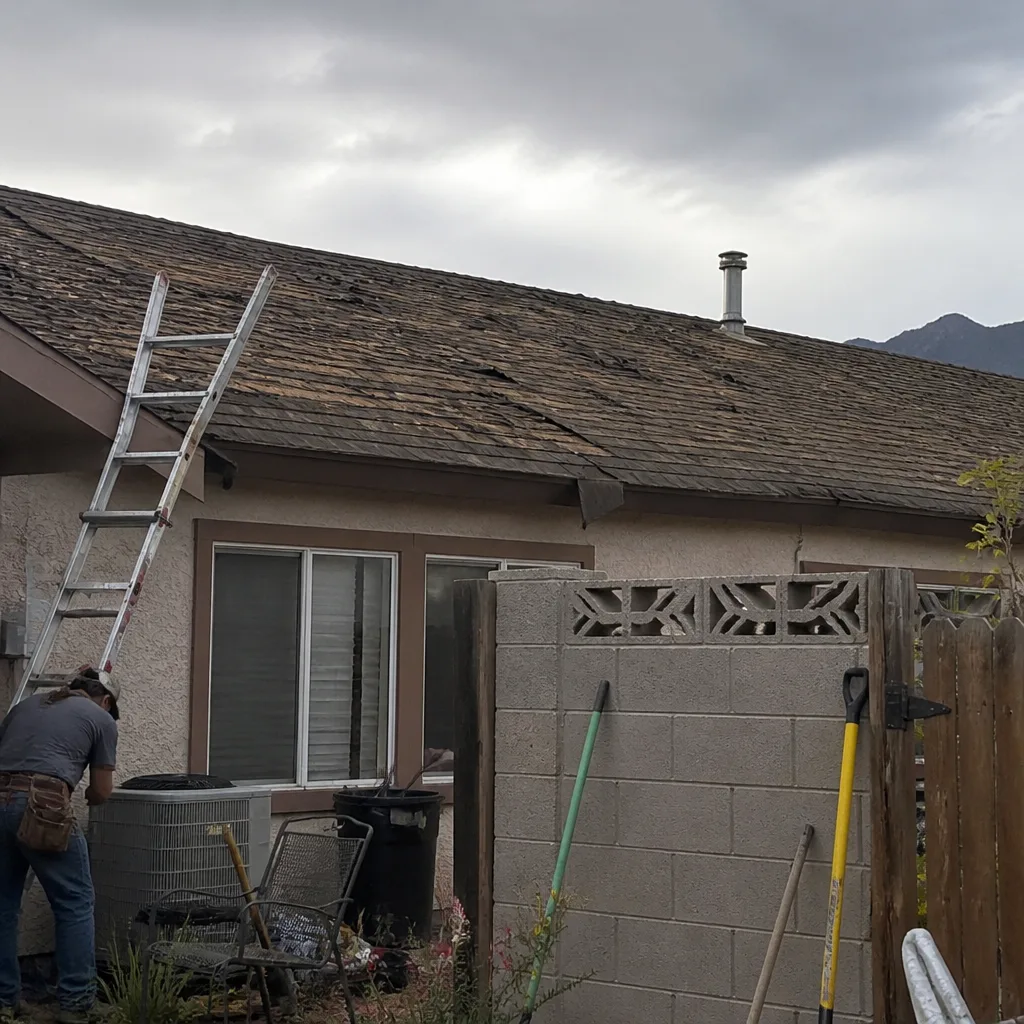 Before
 After
 Before
 After
When to Call a Professional
Call a professional roofer the moment any of these are true: the job needs a permit, the roof has a soft spot or an active leak, you see daylight in the attic, the pitch is steep or the access is tricky, the damage is on a penetration like a skylight or chimney, or you’re simply not sure what you’re looking at under the surface. Shepherd & Sons Roofing Boulder City offers free estimates in Boulder City – call (844) 761-8186. We’ll show you the deck photos before we talk money, and if a small repair is all you need, we’ll tell you that straight. Every roofing job we do comes with a free second opinion on any written estimate you’ve already got, plus our 90-Day Done Right Promise in writing.
Frequently Asked Questions
No – full roof replacements and tear-offs in Boulder City require a permit, and permits must be pulled by a licensed contractor, not the homeowner. Any replacement that skips the permit and inspection process can create problems at resale, and it voids most manufacturer labor warranties. For anything that involves exposing the deck, plan on a licensed roofer.
Replacement costs in Boulder City depend heavily on square footage, pitch, material, and how many layers need to come off – there’s no honest single number without an inspection. What we will do is provide a written line-item estimate so you can see the breakdown before you commit. Call (844) 761-8186 for a free estimate and a real number for your roof.
Yes, in most cases. GAF, Atlas, Tamko, and other major manufacturers typically require installation by a licensed or qualified contractor for the labor warranty to apply. DIY installation usually limits you to a materials-only warranty, if anything, and covers defects in the bundle rather than a roof failure caused by installation.
Small, non-structural maintenance: cleaning gutters, resealing vent flashing with approved sealant, replacing one or two damaged shingles on a gentle accessible slope, and patching a minor tear on a low-slope cap sheet. Anything requiring a harness, a permit, or exposure of the deck belongs to a licensed roofer. And even small jobs in Boulder City work best in the 6 – 9 a.m. window during summer.
Yes. Every project that requires a permit gets one pulled by us before work starts, and it passes inspection before we close the job. We’ll show you the permit and the inspection sign-off. Unpermitted work is one of the biggest problems we get called out to correct.
No. We price the job from what we find during the estimate, including the deck inspection, and we don’t send change orders for surprises we should have caught. If something genuinely unexpected is revealed once the layers come off – like a rotted section that wasn’t visible – we show you photos and talk it through before any additional work begins. No surprise invoices.
The Bottom Line
DIY roofing in Boulder City is a real option for a narrow set of small maintenance tasks – gutter cleaning, minor flashing resealing, a small cap sheet patch, a shingle swap on a gentle accessible slope. For anything that touches the deck, requires a permit, sits on a steep pitch, or represents a full replacement, the honest math says the professional cost is lower over time once you count material waste, dumpster rental, tool rental, and the voided warranty. The house is doing its job. Don’t let the visible layer hide what’s underneath.
If you’re not sure which column your project belongs in, call Shepherd & Sons Roofing Boulder City at (844) 761-8186 for a free estimate. We’ll show you the deck photos before we talk money, and if a small repair is all you need, we’ll tell you that. Written line-item quotes, no trip charge inside our county, free second opinion on any written estimate, and the 90-Day Done Right Promise on every roofing job.
Written by the team at Shepherd & Sons Roofing Boulder City.