
Last updated November 17, 2026
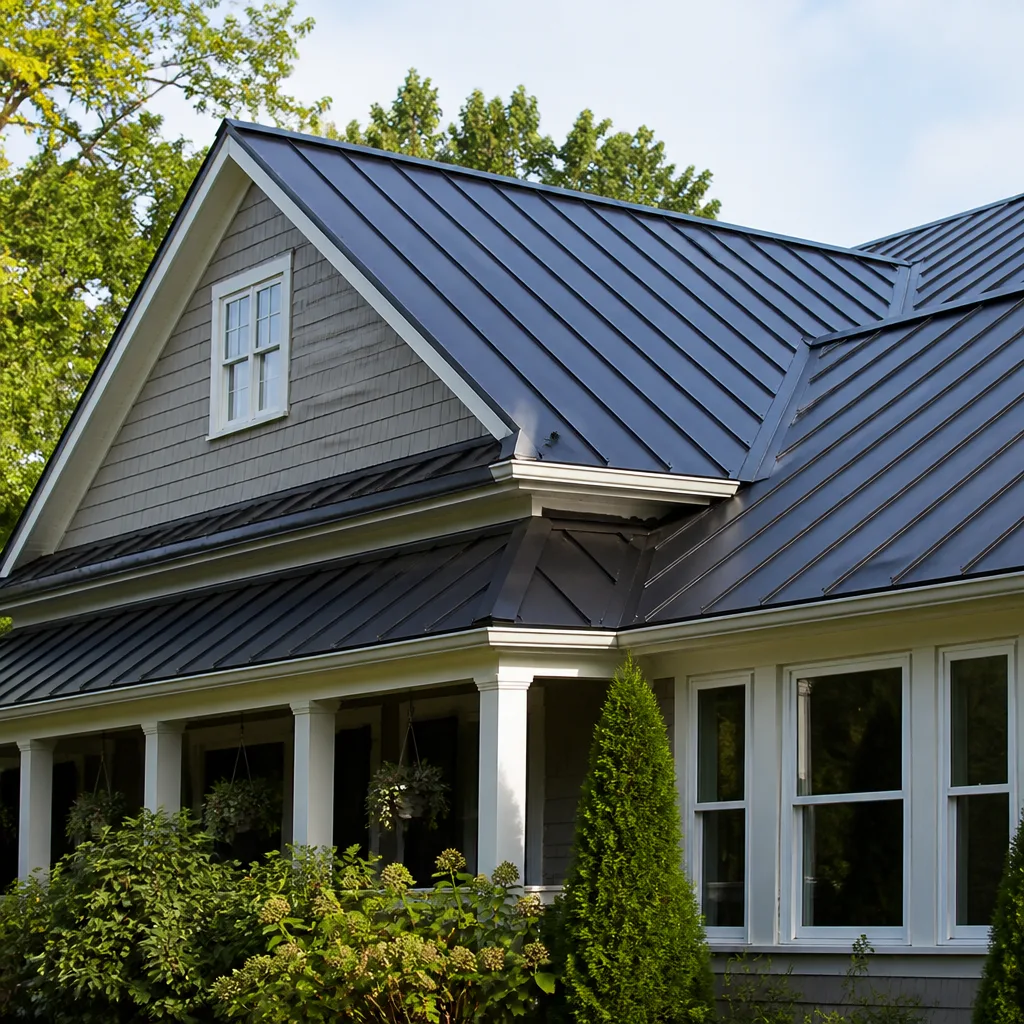 Metal roofing
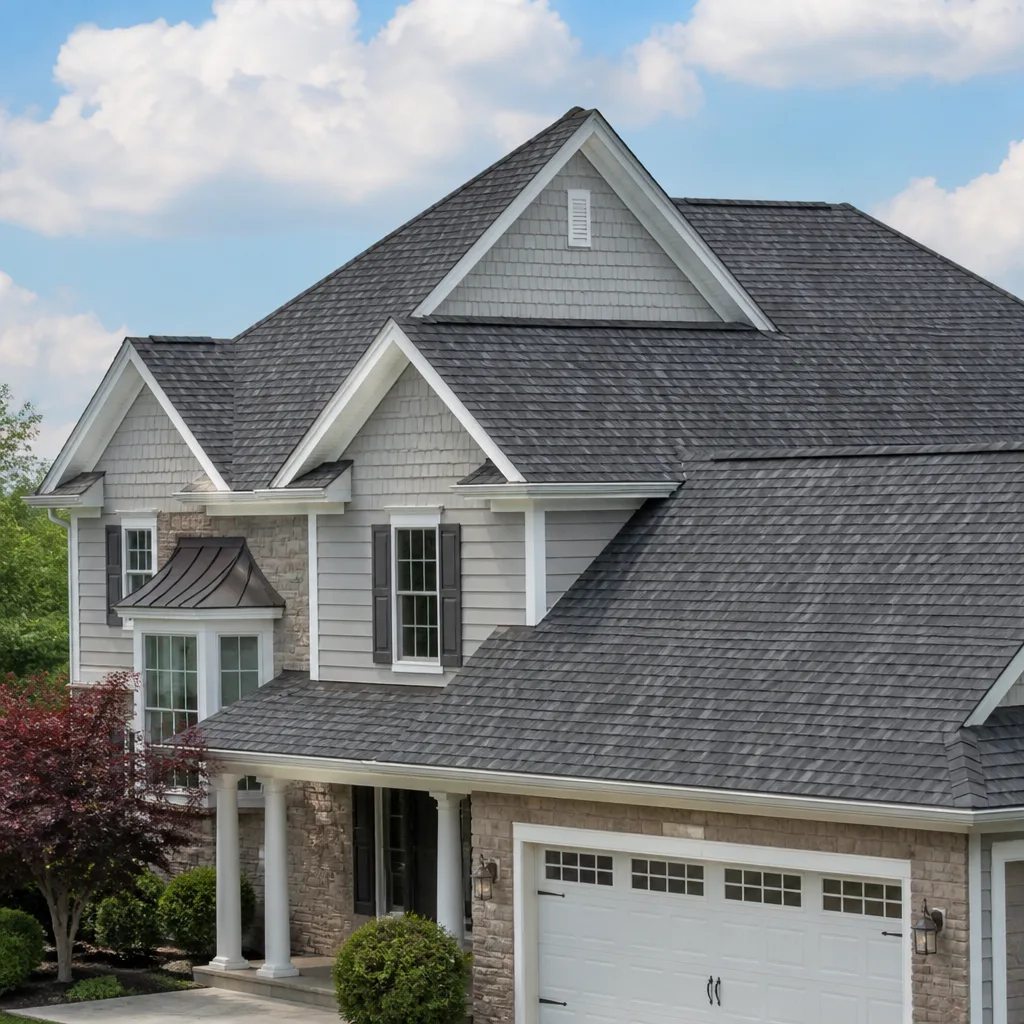 Architectural shingles
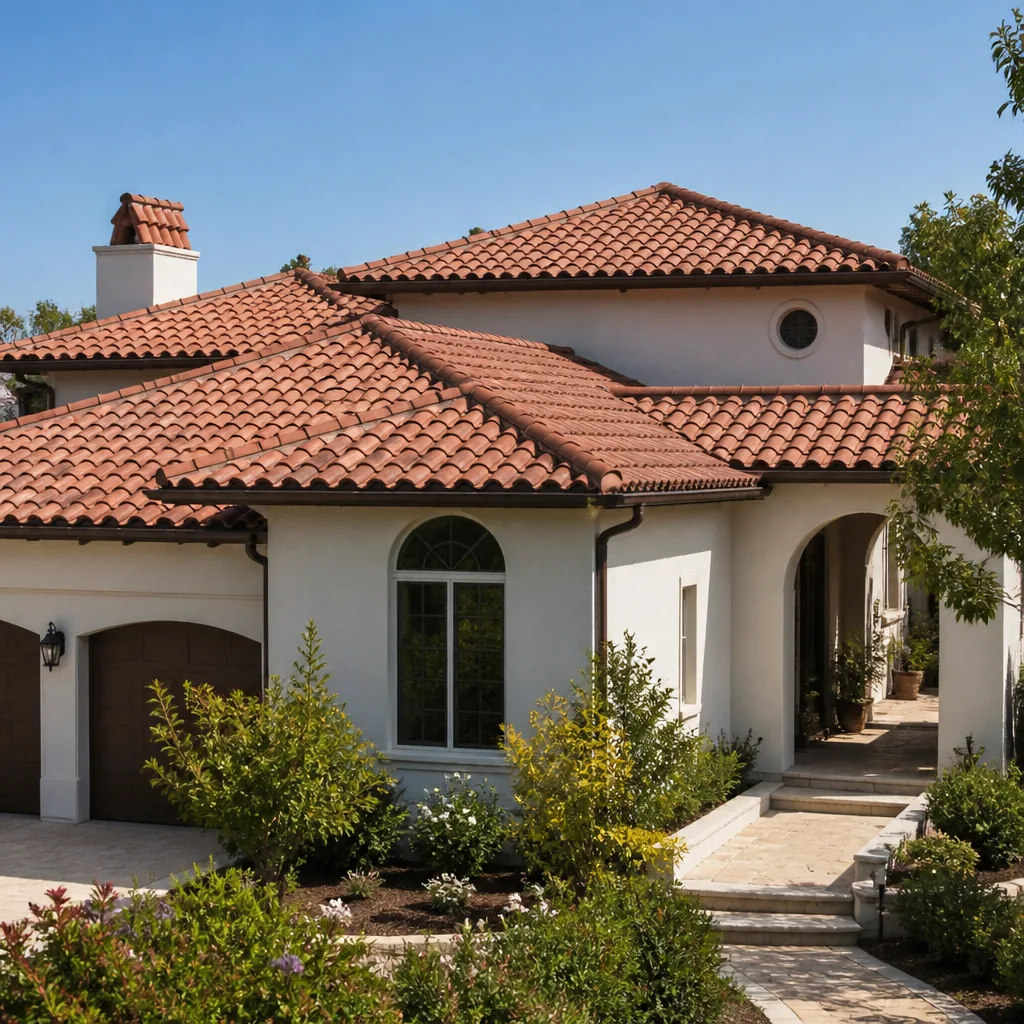 Tile roofing
 GAF
 Owens Corning
 Flat & low-slope
Free roof inspection with deck photos before we talk money - GAF and Owens Corning certified installation
Metal Roofing Warning Signs Every Homeowner Should Know
Most homeowners who call us about a metal roof leak have been living with the warning sign for two or three seasons without recognizing it. It looked like just a little rust streak above the gutter. Or that one panel that always made a noise in the wind. Metal doesn’t fail like asphalt, so the signals are different. There are no missing granules, no curling tabs, no bald patches staring back at you from the driveway. This guide retrains your eye for the signals that matter in Boulder City: rust at fasteners, oil-can waviness, attic clues, noise changes, and hail damage that looks nothing like shingle damage.
Quick Answer
The warning signs of metal roof trouble are rust streaks at fasteners, panels that flex or wave underfoot, pinhole light in the attic, moisture and staining on the underlayment, new or repeated noises during temperature swings, and dents or open seams after hail. None of these show up the way shingle failure does, which is why metal problems often go unnoticed until water is already inside. If you see more than one of these signals on a Boulder City roof, get a roofer on it before the next monsoon season.
Styles & brands we work with
- Architectural shingles
- Metal roofing
- Tile roofing
- GAF
- Owens Corning
- Flat & low-slope
Table of Contents
- Rust Streaks: The Fastener Signal Most Homeowners Misread
- The Oil-Can Progression: Cosmetic Waviness vs. a Loose Panel
- Attic Warning Signs You Can Only See From Inside
- Noise Changes: Normal Pops vs. Failed Clips and Seams
- After Hail in Boulder City: Why Metal Damage Gets Missed
- Age and Finish: What Fading and Chalking Really Tell You
- How to Inspect Your Metal Roof in Six Steps
- Common Mistakes to Avoid
Rust Streaks: The Fastener Signal Most Homeowners Misread
A rust-colored streak running down the fascia or the exterior wall is the most common metal roof warning sign we see, and it’s also the most misread. Homeowners assume the panel itself is rusting through. Most of the time it isn’t the panel. It’s the fasteners.
Metal roofs on Boulder City homes use thousands of screws or clips to hold panels down. Each screw has a rubber or neoprene washer under the head that seals the hole it made. Those washers dry out and crack under our UV load. Once a washer fails, water gets a straight path past the fastener, and the steel shank begins to corrode. The runoff carries rust pigment down the panel and onto whatever is below it. You’ll see the streak before you ever see the hole.
Here’s how to tell which problem you have:
- Rust streaks running down from a single point on the roof: almost always fastener corrosion. Look closely at the screw head or clip at the top of the streak. A dried, cracked washer is the tell.
- Rust blooming in patches across the flat of a panel: this points to a scratched or chipped finish where bare steel is exposed. Scratches happen from foot traffic, dropped tools, tree limbs, and ladder contact.
- Rust concentrated along cut edges and lap lines: those edges were never painted or sealed after cutting. Cheap aftermarket panels and cut-rate installs show this within a few years.
- Rust on the underside of the panel only: that’s usually condensation, not a leak. We cover that in the attic section below.
Fastener corrosion is fixable. Often it’s a matter of replacing failed screws with the correct fastener for the panel and resealing. A panel that’s rusted through at the cut edges may need replacing rather than repairing. Either way, the earlier you catch it, the cheaper the fix. Our Roof Repair in Boulder City service exists for exactly these calls. A rust streak is not a cosmetic issue you should paint over.
The Oil-Can Progression: Cosmetic Waviness vs. a Loose Panel
Every metal roof moves. Panels expand in the heat and contract at night, and over a roof’s life that movement is measured in inches, not fractions of an inch. That motion is normal. What matters is whether the panels are still held down the way they were designed to be.
Some waviness is cosmetic. A slightly wavy panel on a low-slope porch roof, one that’s been wavy since installation day, usually reflects how the panel was formed and tensioned. It looked like that the day it went on. It doesn’t get worse.
The oil-can progression is different. Here’s what we watch for:
- New waviness where the panel used to be flat. A panel that was tight ten years ago and now flexes between fasteners is working loose. That flexing is called oil-canning because the panel pops in and out like an old oil can.
- Waviness in a line, not randomly. If the ripples follow one panel run in a straight line from eave to ridge, that panel run has lost its fasteners or clips.
- Waviness that gets worse in summer. Thermal movement is highest in July and August in Boulder City. If the panel flattens out in winter and waves again in summer, it’s moving more than it should, which means it’s holding on by fewer fasteners than it needs.
- Waviness that lifts the panel edge. A panel edge that has lifted off the substrate lets wind underneath it. Once wind gets under a metal panel, more of them lift than you’d think.
The nailing pattern earns the wind rating, not the shingle wrapper. Same holds for metal. The clip and fastener pattern is what holds the panel to the deck, and a panel that’s lost half its fasteners is now rated for a much lighter wind than the sticker claims. Get it checked.
Attic Warning Signs You Can Only See From Inside
Metal roofs send interior signals that asphalt roofs don’t. If you can get into the attic safely, look up. Here’s what to check:
- Pinhole light at fastener points. Go up on a sunny day and look for tiny points of daylight at the roof deck. Each one is a hole where a fastener has lost its seal or the metal has been breached. A pinprick of light today is a drip tomorrow.
- Moisture or staining on the underlayment. Metal panels sit over a layer of underlayment. Dark streaks, soft spots, or visible dampness on the underlayment under a specific panel means water is getting past the panels and the underlayment is the only thing between it and your ceiling.
- Rust stains on the top of the rafters. Leaks track along wood. Look where the rafters meet the deck. Rust-colored staining there means water is running wood.
- Condensation on the underside of a panel. This is the one that fools people. A metal roof without proper attic ventilation will sweat on the underside on cold mornings, and that condensation drips onto the insulation and the ceiling below. It looks exactly like a leak. It isn’t. It’s an attic ventilation problem, and it needs to be fixed at the ventilation, not the panel.
If you’re not comfortable in the attic, don’t force it. Older homes in Boulder City sometimes have attic access that hasn’t been opened in years, and the ladder work isn’t always safe. A roofer will look.
Noise Changes: Normal Pops vs. Failed Clips and Seams
A metal roof talks. As the roof heats and cools, it pops and creaks, and those normal sounds are loudest on clear mornings after a cool night. Our region’s temperature swings are big enough that a well-installed metal roof will usually make some noise at every season change.
The sounds that tell us something is wrong are the ones that change. If the roof has always made a pop on the north side at sunrise and one day it makes a new sound, or the pop becomes a bang, or you hear rattling in the wind, that’s the roof telling you a clip or seam has failed. Failed seams in particular can be minor or major depending on the panel profile. A continuous seam panel that has opened a seam at the ridge is a leak in waiting. A snap-lock panel with a loose seam is one hailstorm away from letting water under.
A good habit is to stand in the house on a windy evening and listen. Metal roofs should not rattle. If they’re rattling, the panels are moving in a wind that should not move them.
After Hail in Boulder City: Why Metal Damage Gets Missed
Hail events in Boulder City leave very specific marks. On shingles, hail knocks granules off in splatter patterns, hard to miss once you know what you’re looking for. Metal behaves differently. Hail that hits a metal roof dents the panel, creases the flat, or catches the seam. Then the dent is all you see. What matters to the roof is under the dent.
When we look at a metal roof after a hail event, we check four things:
- Dents in the flat of the panel. Under a dent, the panel can be pushed into the underlayment. The underlayment can be pinched or torn. That’s a future leak point even if the dent looks harmless.
- Hail damage on the seam. A seam that has been hit will sometimes open. Water doesn’t have to punch a hole in metal. It only has to get under an edge.
- Dinged fasteners. A hailstone that hits the head of a screw can crack the washer. The screw still looks fine from the ground. The seal is what matters.
- Scuffed finish. Where hailstone fractures the paint film, bare steel is exposed. Bare steel rusts. A scratch today is a rust streak next season.
Adjusters do their job, but many of them are not looking at the underside of a panel or at individual washer heads. They’re looking at the general condition of the roof from the ridge and the ground. If you believe you have hail damage on a metal roof, the smart move is to get an independent opinion from someone who looks at metal, not asphalt, and do it before the adjuster’s report becomes the ceiling on what insurance will pay. Metal Roofing in Boulder City covers the panel systems and finishes we install and service.
Age and Finish: What Fading and Chalking Really Tell You
Faded paint on a metal roof isn’t automatically a problem. Keeping the real warning signs straight on an older roof matters, because an honest read saves a homeowner from an unnecessary replacement just as often as it catches a needed one.
Every painted metal panel fades over time. Chalking, that white powder that wipes off the panel on a tissue, is normal for Kynar and similar finishes. It’s not failure. Fading isn’t failure either. So when does finish become failure?
- When the paint is flaking clean off in sheets, not fading. That’s adhesion failure, and it exposes raw metal.
- When chalking has progressed to exposed bare metal on a large area. Bare metal rusts fast in high-UV, dry, dust-blown climates.
- When an older paint system, usually a lower-grade SMP or polyester, has worn away on the sunward roof face and left the north face intact. That’s a real failure pattern, and it’s why finish grade matters at installation time.
- When the panels have no more serviceable life under the finish, even if the metal is technically still sound. At that point, repainting may be a better answer than replacing. A roofer who installs panels from CertainTeed, Owens Corning, or IKO can tell you which category your roof is in.
In Boulder City, sun exposure is the main driver of finish wear. A south-facing roof will fade faster than a north-facing roof on the same house. That’s a real pattern, and it’s worth knowing before someone tells you to replace the whole roof based on the condition of one face.
How to Inspect Your Metal Roof in Six Steps
You can do most of this from the ground and from inside your house. Do not walk a metal roof yourself. Panels are slick, flex underfoot, and fasteners can cut through boots. Work your way to answer questions, not to perform the repair.
- Walk the perimeter of the house at mid-morning. Sun on the roof exposes finish problems. Rust streaks, faded panels, and loose flashings all read clear at that hour.
- Look up from the downwind side of the house. Wind pushes storms from one side. That side of the roof takes the hit first.
- Check the fascia, soffit, and walls after rain. Rust streaks and water stains say “the water got here” even if you can’t see where it came in.
- Look for light in the attic on a sunny day. Pinholes at fasteners, daylight at a seam, and daylight at a penetration. Three separate things, three separate fixes.
- Listen to the roof at temperature swing. New pops, new bangs, or rattling in the wind are all reportable.
- Walk the yard after a storm. Look for dented vents, a dented piece of trim, or debris that hit the roof and left a mark. Note the time and date. Insurance paperwork runs on dates.
If you can’t safely do this, that’s not a reason to skip it. It’s a reason to call someone who’ll do it for you. A free look from a roofer with up to 30 years of experience on these systems is a cheap day’s work.
Common Mistakes to Avoid
- Assuming rust means replace. Fastener corrosion is often a screw-by-screw fix, not a new roof. Painting over a rust streak hides the problem and lets the fastener keep corroding underneath.
- Ignoring minor attic daylight. A pinhole of light at a fastener today is a drip into your insulation by monsoon season. The fix is small now and larger later.
- Confusing attic condensation with a leak. Homeowners in Boulder City sometimes pay for panel repair only to find the drips were condensation from poor attic ventilation. Fix the ventilation, not the panel.
- Letting a storm chaser talk you into a full replacement the week after a hailstorm. Faster isn’t smarter. A published address, a license number, and an independent second opinion are cheaper than regret.
- Skipping the adjuster walk. Your insurance adjuster may not climb a metal roof. An independent inspection you can hand to the adjuster is a real asset.
- Losing track of the roof’s age and finish. Keep the install date and finish grade on the panel. Every future conversation about repair vs. replace depends on it.
- Trying to seal seams or replace screws yourself on a steep or second-story metal roof. Panels are slick and fasteners can cut through a boot. This is not the ladder for a weekend project.
See the difference
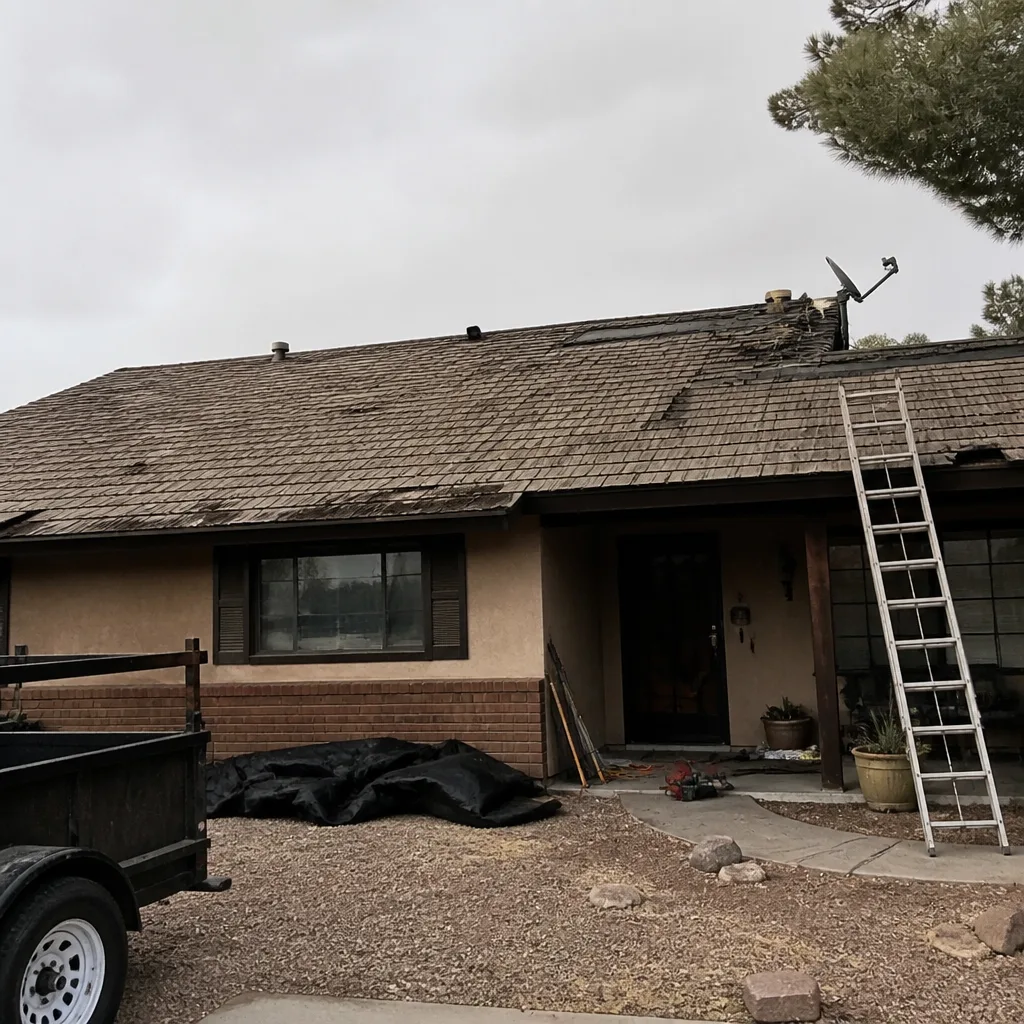 Before
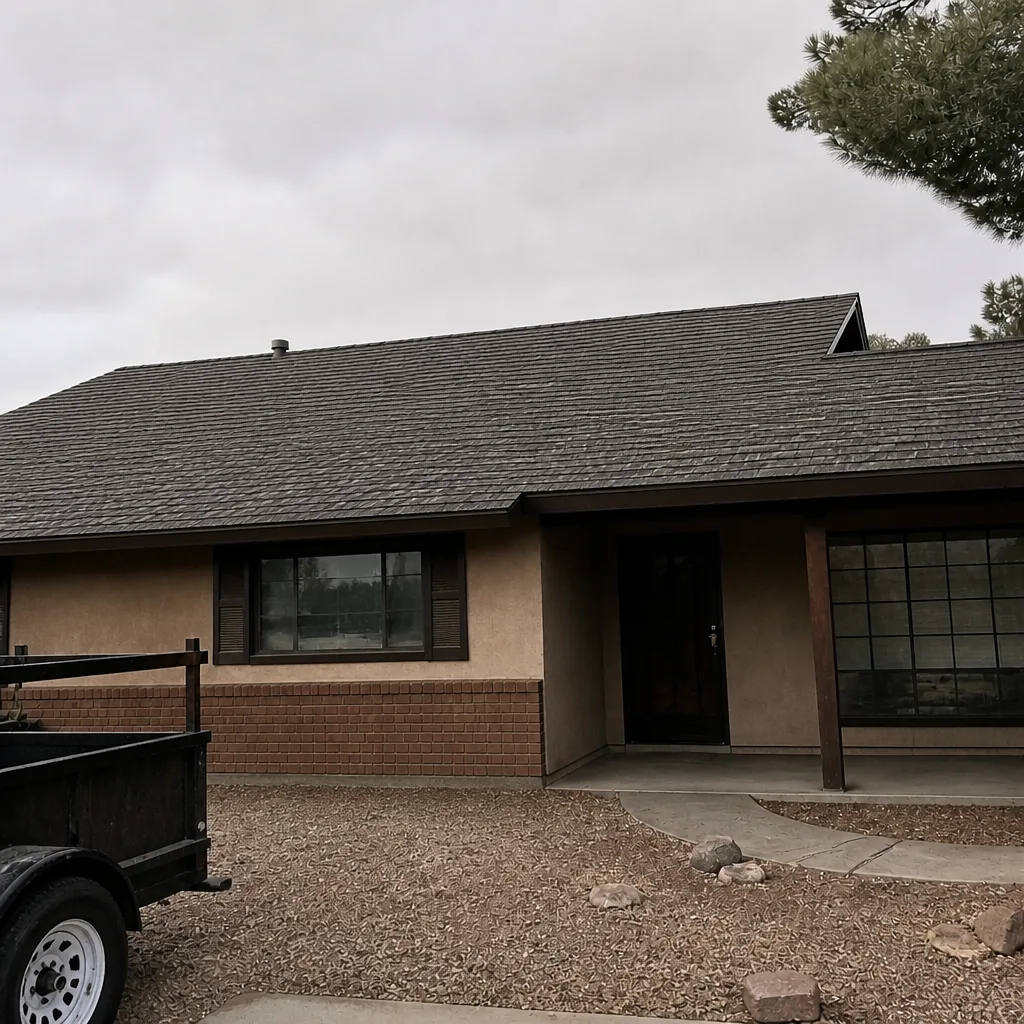 After
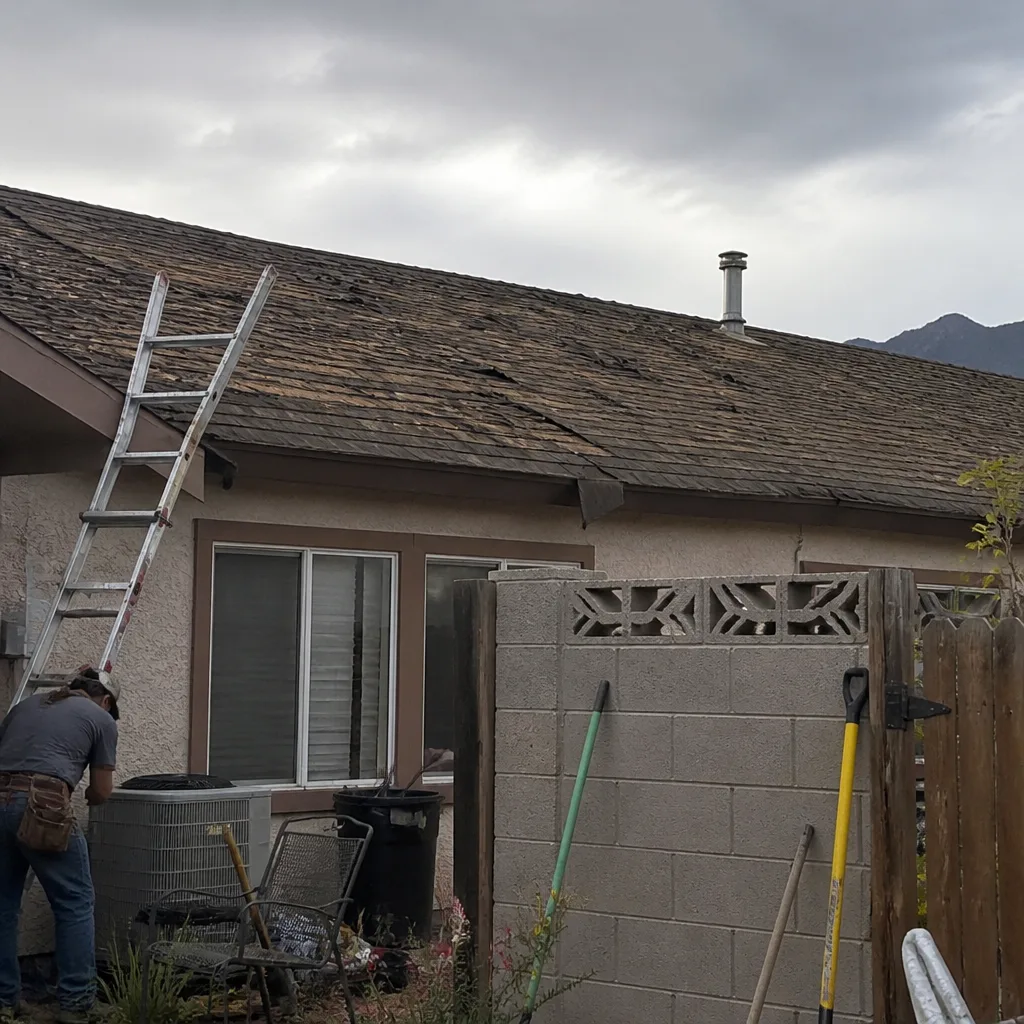 Before
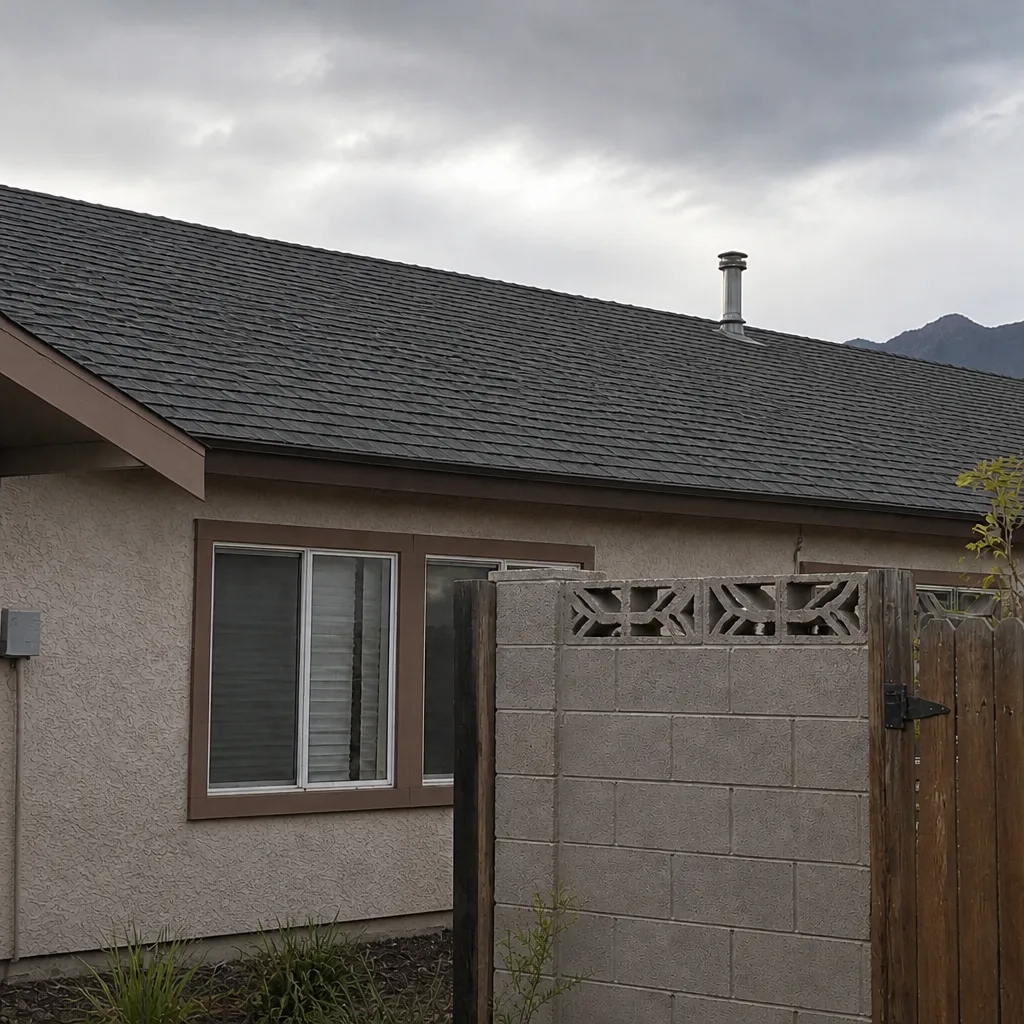 After
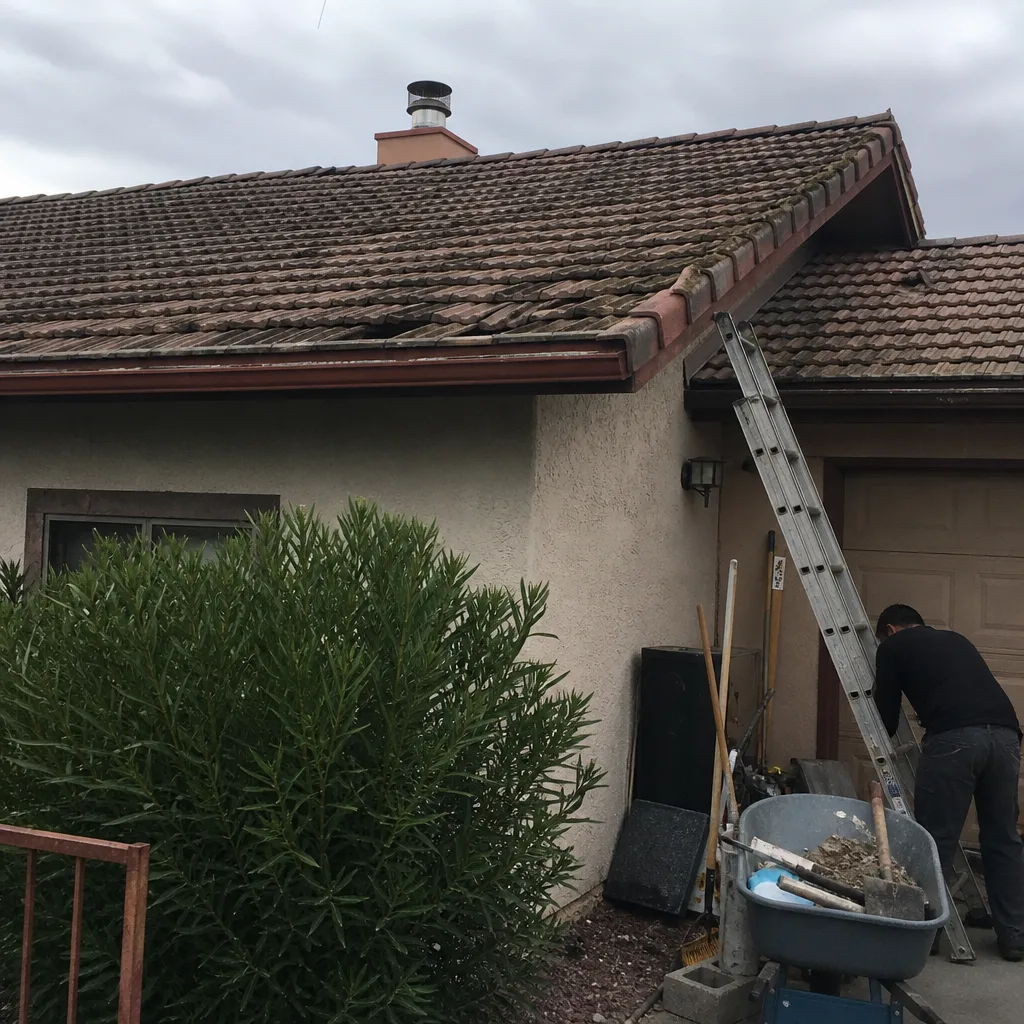 Before
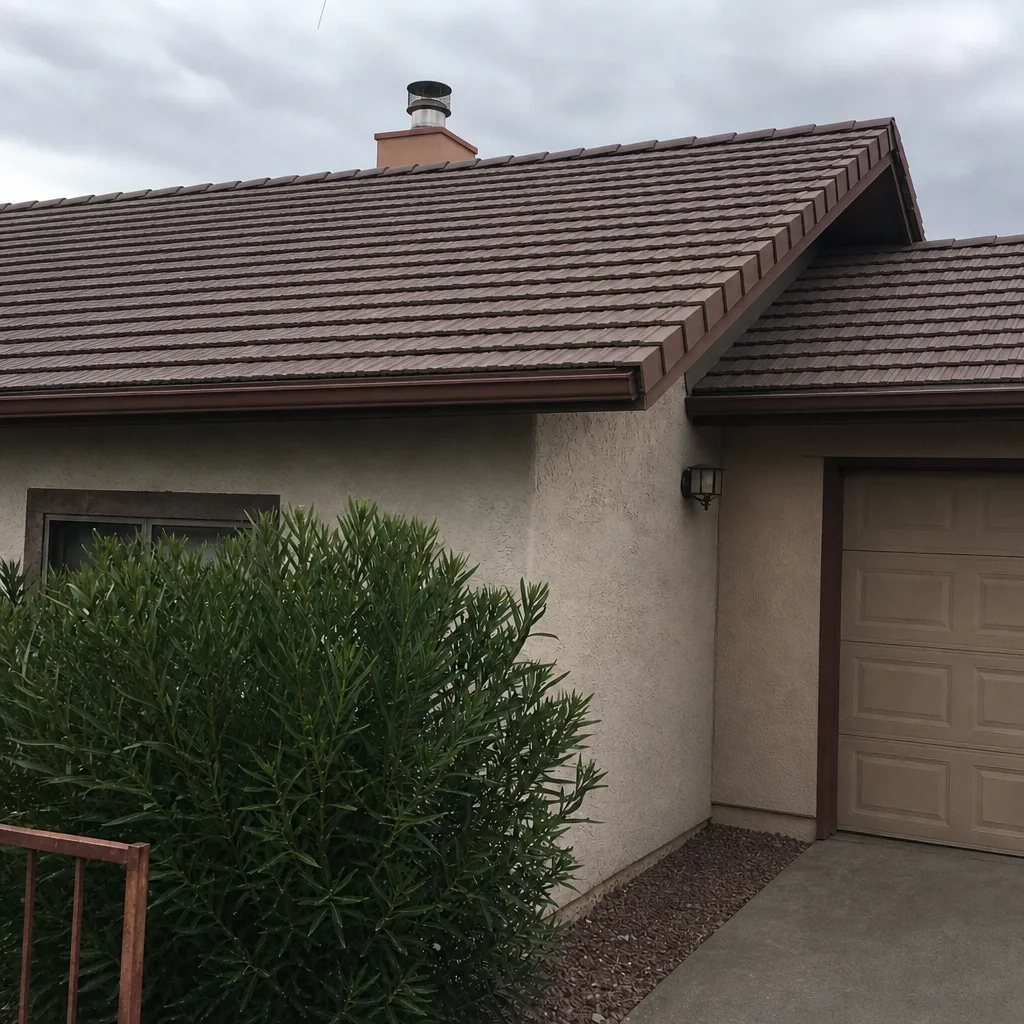 After
When to Call a Professional
Call us when you see rust tracking from a fastener, when panels you’ve never noticed wavy have started to wave, when the attic shows new daylight or damp underlayment, when the roof starts a new sound, or when hail has passed and you suspect damage. Call even if you aren’t sure what you’re looking at. A trained eye on a metal roof catches things a homeowner can’t, and the difference between a reseal and a replacement is usually decided by what’s found in that first hour. Shepherd & Sons Roofing Boulder City offers free estimates in Boulder City – call (844) 761-8186. We’ll come out, get on the roof, show you the photos, and tell you what we see. Free Second Opinion on any written estimate. No trip charge inside our own county. Every roofing job gets our 90-Day Done Right Promise in writing.
Frequently Asked Questions
The earliest signs are rust streaks running down from a fastener point, new waviness in a panel that used to be flat, and pinhole daylight in the attic. These show up before a leak does, and catching them early is the difference between a repair and a replacement. If you see any of them on a Boulder City roof, call (844) 761-8186 for a free look.
Not an emergency, but not something to ignore either. A rust streak usually means a fastener has lost its seal, and that’s a straightforward reseal-and-resecure job if it’s caught early. Left alone, the same fastener can corrode the panel around it and turn a small fix into a bigger one. Get an exact quote – estimates are free.
Metal expands and contracts with temperature change, and a pop on a cool night after a hot day is normal. What’s not normal is a new sound, a bang, or rattling in the wind. Those point to a loose clip or an open seam and need a professional eye. Call (844) 761-8186 to have it checked.
Most metal roofs can be repaired. Fastener replacement, panel repair, seam resecuring, and flashing work cover the majority of the calls we handle. Replacement comes into play when the panel face is breached at cut edges, when finish failure is extensive, or when the roof has aged out. A roofer needs to walk the roof to tell you which. See our Roof Replacement & Installation in Boulder City page for that side of the conversation.
Yes, and the damage often looks minor. Hail dents the panel, cracks washer heads, opens seams, and fractures the paint film. The dent itself doesn’t always leak, but the seal and the seam do. We check metal roofs after hailstorms in Boulder City with the panel, the fastener, and the underlayment all in view.
Yes. Free Second Opinion on any written estimate, no hassle. Storm chasers come through hard after every hailstorm, and a second set of eyes on that bid is worth the phone call. Start at our Shepherd & Sons Roofing Boulder City home page, or just call (844) 761-8186 and a real person picks up.
The Bottom Line
Metal roofs don’t fail the way asphalt does, which is why the signs get missed for seasons. Watch for rust tracking from fasteners, panels that wave where they used to be flat, attic daylight and damp underlayment, new sounds, and hail damage that skipped past the adjuster’s walk. Catch them early and most are a repair. Catch them late and you’re talking replacement. In Boulder City, our sun, dust, and monsoon rhythm put every one of these on a faster clock than they’d run somewhere wetter and cooler. Same address since 1996. Ask the storm chasers where theirs is.
Call Shepherd & Sons Roofing Boulder City at (844) 761-8186 for a free estimate. A live person answers the phone, including nights and weekends after a storm. We’ll show you the deck photos before we talk money.
Written by the team at Shepherd & Sons Roofing Boulder City.