
Last updated November 17, 2026
 Architectural shingles
 Metal roofing
 Tile roofing
 GAF
 Owens Corning
 Flat & low-slope
Free roof inspection with deck photos before we talk money - GAF and Owens Corning certified installation
Roof Replacement & Installation Maintenance Schedule: What to Do and When
Most roofing warranties aren’t voided by hail or wind. They’re voided by paperwork. Manufacturers expect a maintenance record, and when a homeowner can’t produce one, storm damage gets reclassified as neglect. That’s the part nobody tells you at the signing table. Here’s what we’ve learned after decades on roofs around Boulder City: a new roof needs more attention in its first two years than at any point afterward. The fasteners are seating, the sealants are curing, and the first hard summer tells you whether the install was sound. This guide walks you through what to check at 30 days, 90 days, and every year after.
Quick Answer
Schedule your first inspection 30 days after installation, a follow-up at 90 days, a full one-year walkthrough before the first full monsoon season, then once a year in spring and once after any significant wind or hail event. Keep a written maintenance file with dated photos, receipts, and inspection notes, because both manufacturers and insurers will ask for it. Tile roofs need annual ridge cap mortar checks; shingle roofs need annual flashing and granule checks; flat TPO roofs need seam and drain checks twice a year.
Styles & brands we work with
- Architectural shingles
- Metal roofing
- Tile roofing
- GAF
- Owens Corning
- Flat & low-slope
Table of Contents
- The First-Year Inspection Schedule: 30, 90, and 365 Days
- How to Build a Maintenance File That Satisfies Warranty and Insurance
- Tile Roof Maintenance in Boulder City’s Freeze-Thaw Shoulder Seasons
- Shingle Roof Maintenance: What to Check and When
- TPO and Flat Roof Maintenance: A Different Checklist Entirely
- When to Call a Roofer vs. When to Call Your Insurance Agent
- The Annual Calendar for Boulder City Roofs
- Common Mistakes to Avoid
The First-Year Inspection Schedule: 30, 90, and 365 Days
The first year after installation is when the roof tells the truth. Shingles flex under the first heat cycle. Fasteners finish seating. Flashing sealants cure and either hold or crack. In Boulder City, where summer surface temperatures on a dark shingle roof can push past 160°F, that first season is a stress test. These are the three inspections we recommend to every homeowner, and we’ve watched them catch problems that later became insurance disputes.
Day 30:
- Walk the perimeter and check gutters for loose granules. Some is normal on a new shingle roof; a steady stream at every downspout is not.
- Look up at the ridge line and the valleys for visible lifting or cupping.
- Check the attic for daylight around vents, chimney collars, and pipe boots.
- Ask the installer for the deck photos they promised before you paid, then file them.
Day 90:
- Inspect flashing at every penetration: skylights, chimney, plumbing vents, and the wall-to-roof intersections.
- Verify that sealant is still pliable, not cracked. In Boulder City’s dry heat, cheap sealant fails within a single summer.
- Check that gutters still slope and aren’t sagging where the new fascia sits.
Day 365:
- A full walkthrough, ideally by the company that installed it. Ask for it in writing.
- A moisture check in the attic after the first good rain.
- A photo record of every elevation, dated.
The one-year inspection is your warranty checkpoint. If your Roof Replacement & Installation in Boulder City was done right, this is a boring visit. If something’s off, it’s far cheaper to catch it now than after year three.
How to Build a Maintenance File That Satisfies Warranty and Insurance
Manufacturers don’t void warranties because of weather. They void them because a homeowner can’t prove maintenance. When a GAF or CertainTeed rep evaluates a claim, they want to see a documented history: dates, findings, and photos. Your insurance adjuster may ask for the same thing, especially if they suspect a maintenance failure rather than a storm event.
Here’s what belongs in the file, paper or digital:
- The installation contract and warranty registration. Register the warranty. Manufacturers often require it within 60 days of install.
- Pre-installation and post-installation photos. Decking, underlayment, flashing, and finished roof. Labeled with dates.
- Receipts for every maintenance visit. A handwritten note from a repair tech counts. An oral promise over the phone doesn’t.
- Dated photos of anything that ever felt off. A stain, a loose shingle, a drip. Timestamp matters more than quality.
- A short log of local storm events. Hail date, wind event, or heavy rain, with a photo of anything you noticed afterward. This is what an adjuster uses to link damage to a covered event rather than wear.
One more habit that pays off: keep a copy of your written estimate and warranty in the same folder as your homeowner’s insurance declarations page. When you do have to call, you’ll have everything in one place, and the process moves faster. That habit has saved more than one Boulder City homeowner a hassle after a monsoon storm rolled through.
Tile Roof Maintenance in Boulder City’s Freeze-Thaw Shoulder Seasons
Here’s a fact that catches people from out of state: it freezes in Boulder City. Not often, and rarely hard, but our shoulder seasons bring those freeze-thaw cycles, and the desert sun then bakes the roof all summer. That combination is harder on tile mortar than most people realize. It’s not the cold that breaks a tile roof. It’s the thaw, then the heat, then the cold again.
Tiles themselves can last half a century. The mortar at the ridge cap and the hip lines doesn’t. When a freeze-thaw cycle expands a hairline crack in the mortar and then the sun bakes it out, you get a loose ridge tile sitting on a slope, waiting for wind. We’ve found ridge caps barely hanging on after a March cold snap in this area.
Our annual tile checklist:
- Inspect every ridge and hip for cracked or missing mortar, ideally in early spring and again in late fall.
- Look for cracked or slipped tiles after any wind event, and check the underlayment where tiles are missing.
- Clear debris from valleys and behind chimneys.
- Check the flashing seals at penetrations, which take a beating from thermal movement.
- Have the roof walked by someone who knows tile, not a general handyman. One foot in the wrong place snaps a tile that costs more than the inspection.
Tile is a specialty, and it’s not a job to hand off casually. Our Shepherd & Sons Roofing Boulder City home page covers the products we set, including tile lines from Boral, and we’d tell you upfront that tile maintenance is different work from shingle maintenance in almost every way.
Shingle Roof Maintenance: What to Check and When
A modern architectural shingle from GAF, Owens Corning, or CertainTeed will serve 25 to 30 years, but only if the details around it stay tight. The shingle is usually the last thing to fail. The flashing around it, the caulking at penetrations, and the ventilation underneath are what give out first.
Twice a year, in spring and fall:
- Look at the granule loss. Some in the gutter is normal. A pile after every rain is a sign of wear.
- Check the flashing. Chimney, skylights, and wall junctions are the usual suspects. Any sealant that looks chalky or cracked needs attention.
- Inspect pipe boots. Rubber boots around plumbing vents dry-rot in desert heat long before the shingles do. A boot replacement is cheap; the water damage it prevents isn’t.
- Walk the attic after a rain. Any daylight or dampness is worth documenting.
- Look for curling, cracking, or lifted edges on the shingle faces, especially on south-facing planes that take the most sun.
The best time to schedule this is March and again in October, before the summer heat and the fall winds. Don’t walk a shingle roof yourself if it’s steep or pitched near the ridges, and never get on a roof after rain. A trained eye on the ground with binoculars beats a homeowner on a 10/12 pitch every time.
TPO and Flat Roof Maintenance: A Different Checklist Entirely
Flat roofs, and TPO in particular, fail at the seams and the drains, not in the field. The membrane itself is tough. It’s the welds and the penetration boots that need watching. On a Boulder City flat roof, the summer heat cycles the material constantly, and a pinhole leak at a seam can go unnoticed for months because there’s no slope pushing the water out.
Here’s what we check twice a year:
- Seams and welds. Run a hand along them. Any lifting or bubbling is a repair.
- Drains and scuppers. Clear them of debris before every monsoon season. A clogged drain turns a flat roof into a swimming pool and stress-tests the seams.
- Penetrations. HVAC curbs, vent stacks, and conduit are where water finds a way in.
- Ponding water. If water sits more than 48 hours after rain, the roof needs a slope evaluation.
- Membrane condition. Check for punctures, scuffs, or UV wear around edges and traffic paths.
Call a professional for anything involving seam welding or drain repair. A DIY patch on TPO can hold water underneath and turn a small fix into a full membrane replacement. If you’re considering a flat roof install, our Metal Roofing in Boulder City page also covers the metal alternative, which handles heat and wind differently and sometimes fits the building better.
When to Call a Roofer vs. When to Call Your Insurance Agent
Not every roof event is an insurance claim, and treating every drip like a payout is a fast way to a denied claim. The distinction is simple. Maintenance problems get fixed by a roofer and paid out of pocket. Sudden, storm-caused damage gets documented by a roofer and then handed to your insurer.
Call a roofer first for:
- A leak at a flashing or seal that has been slowly developing.
- Loosened ridge mortar after a freeze-thaw cycle.
- A worn pipe boot, cracked sealant, or missing shingle.
- Any drainage problem on a flat roof.
Call your insurance agent (with roofer documentation in hand) for:
- Hail damage: granule loss, bruised shingles, dented metal.
- Wind damage: missing shingles or tiles, lifted planes.
- Fallen limbs, impacts, or sudden structural damage.
The key to a successful claim is a roofer’s written report and dated photos that clearly show a storm event, not slow wear. Insurers need that documentation to approve a claim. Without it, they can classify the loss as neglect and close the file. That’s why the maintenance file matters so much. The homeowner with a dated record and a narrative of the storm event gets the claim approved. The homeowner with a leak and no history often doesn’t.
If you’ve already had damage and want a second set of eyes on the adjuster’s scope, a free second opinion on any written estimate tells you whether the scope is fair before you sign anything.
The Annual Calendar for Boulder City Roofs
Put these dates in the calendar and stop guessing:
- Late February or early March: Spring inspection. Check flashing, tiles, and ridge mortar after the winter freeze-thaw cycles.
- April: Clear gutters and downspouts before the summer storms. Check the attic after any early rain.
- June: Pre-monsoon check. Clear flat roof drains. Confirm vent boots are intact.
- September: Post-monsoon walkthrough. Document any wind or hail damage. File the report.
- October: Fall inspection. Check the ridge mortar again before the cold snaps.
- Anytime after a storm: Take photos, note the date, and call for a professional inspection.
Then add one annual walkthrough from a professional on top of the routine checks. In our experience, one solid inspection a year catches almost everything before it becomes an emergency.
Common Mistakes to Avoid
- Forgetting the warranty registration. Manufacturers often require registration within 60 days, and many homeowners miss the window. Your warranty may not be what you think until it’s registered.
- Skipping the 30-day inspection. Owners think a new roof needs no attention. The first month is when a good installer expects a call for something minor, and it’s the cheapest time to fix it.
- Using the wrong sealant. Boulder City heat destroys basic caulk within a summer. Use a product rated for your roof type and this climate, or it won’t last.
- Letting a handyman walk a tile roof. Tiles crack underfoot, and a cracked tile is a leak waiting for the next rain. Tile work goes to a tile roofer.
- Not documenting storm events. A missed photo matters more than a missed gutter. Adjacent photos with no date can’t support an insurance claim.
- Climbing on a steep or wet roof. Most roof injuries come from homeowners checking the roof themselves. Call it in.
- Assuming every flat roof leak is the membrane. Most flat roof failures are at drains and seams. The right fix starts with the right diagnosis, and the wrong diagnosis gets expensive.
See the difference
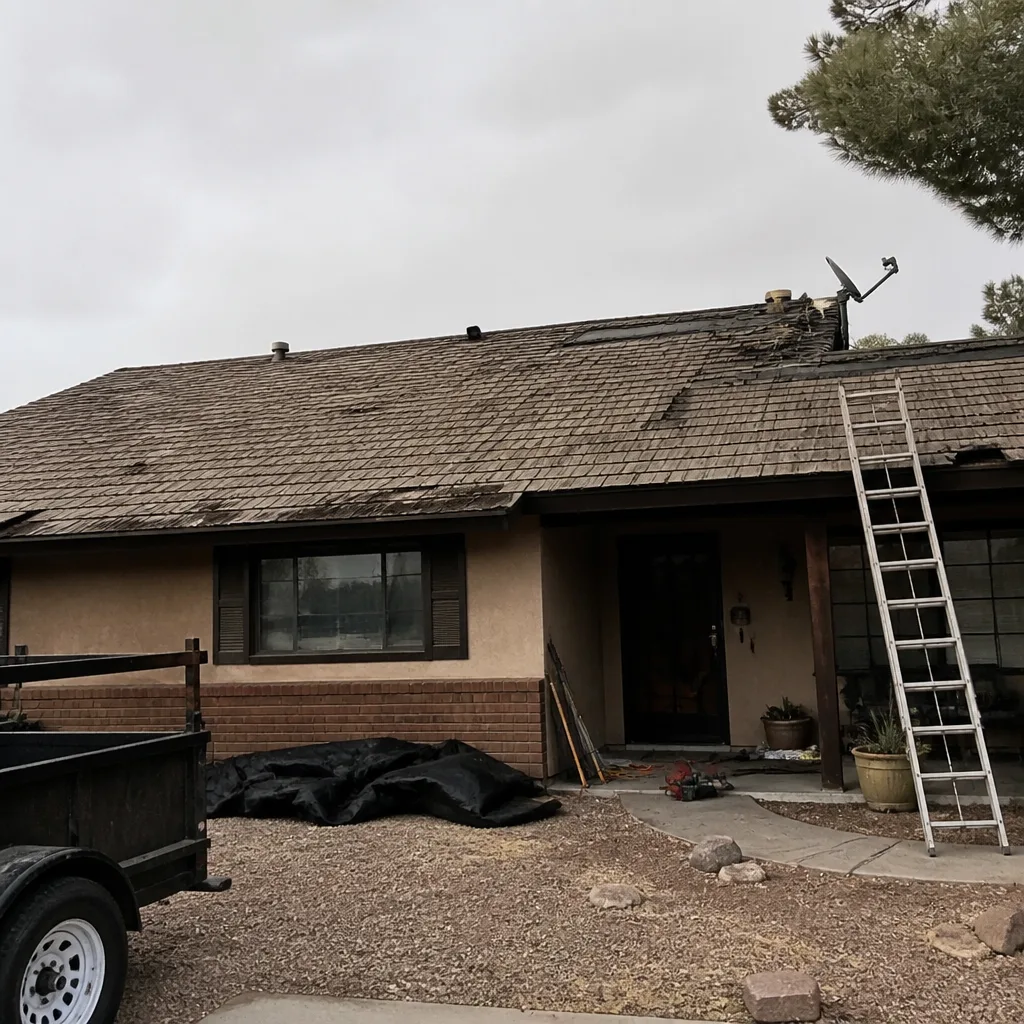 Before
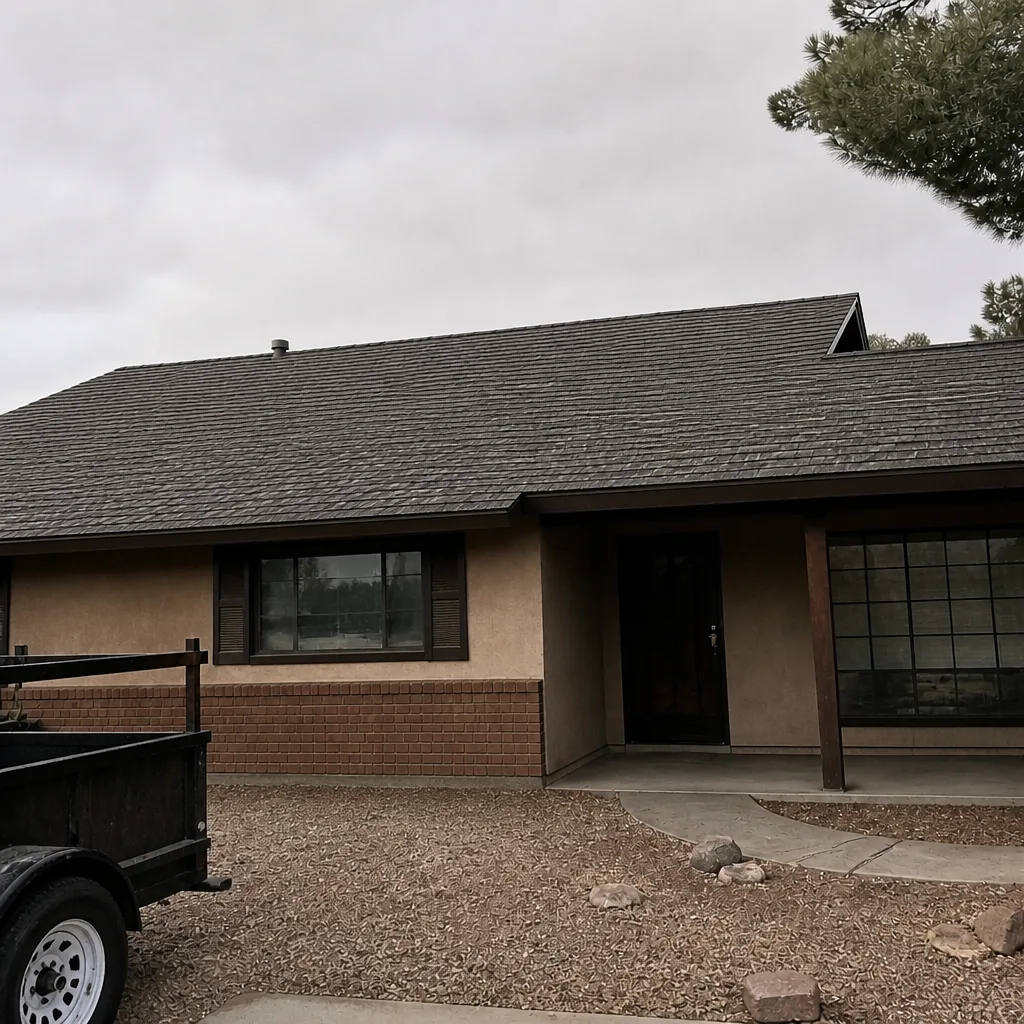 After
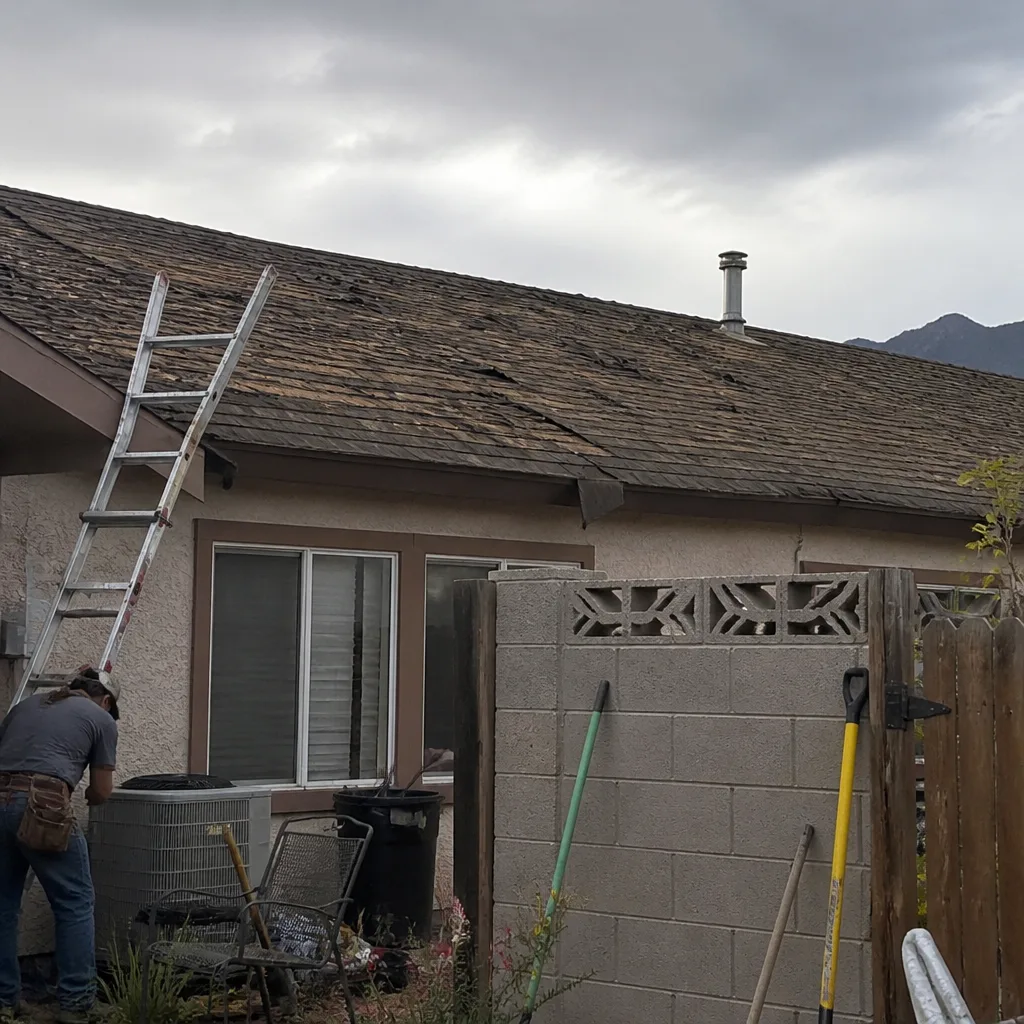 Before
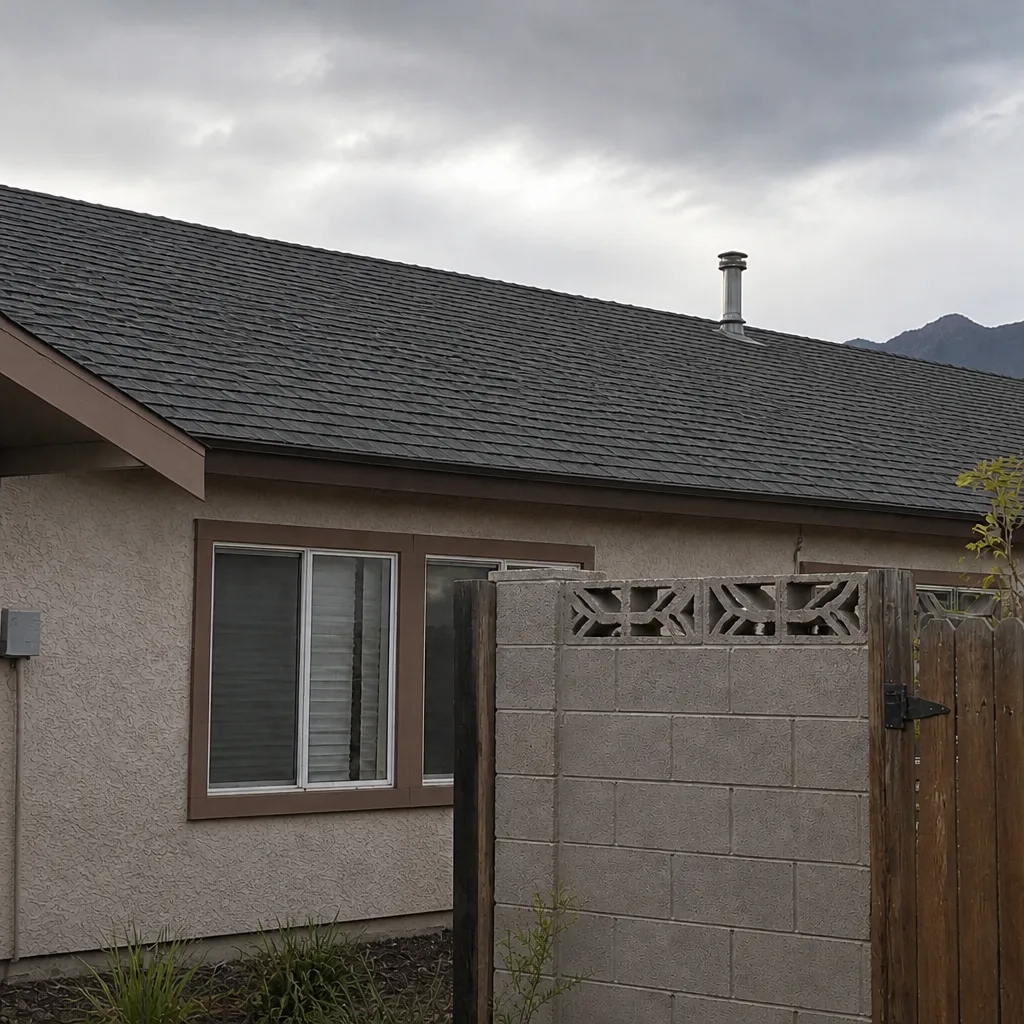 After
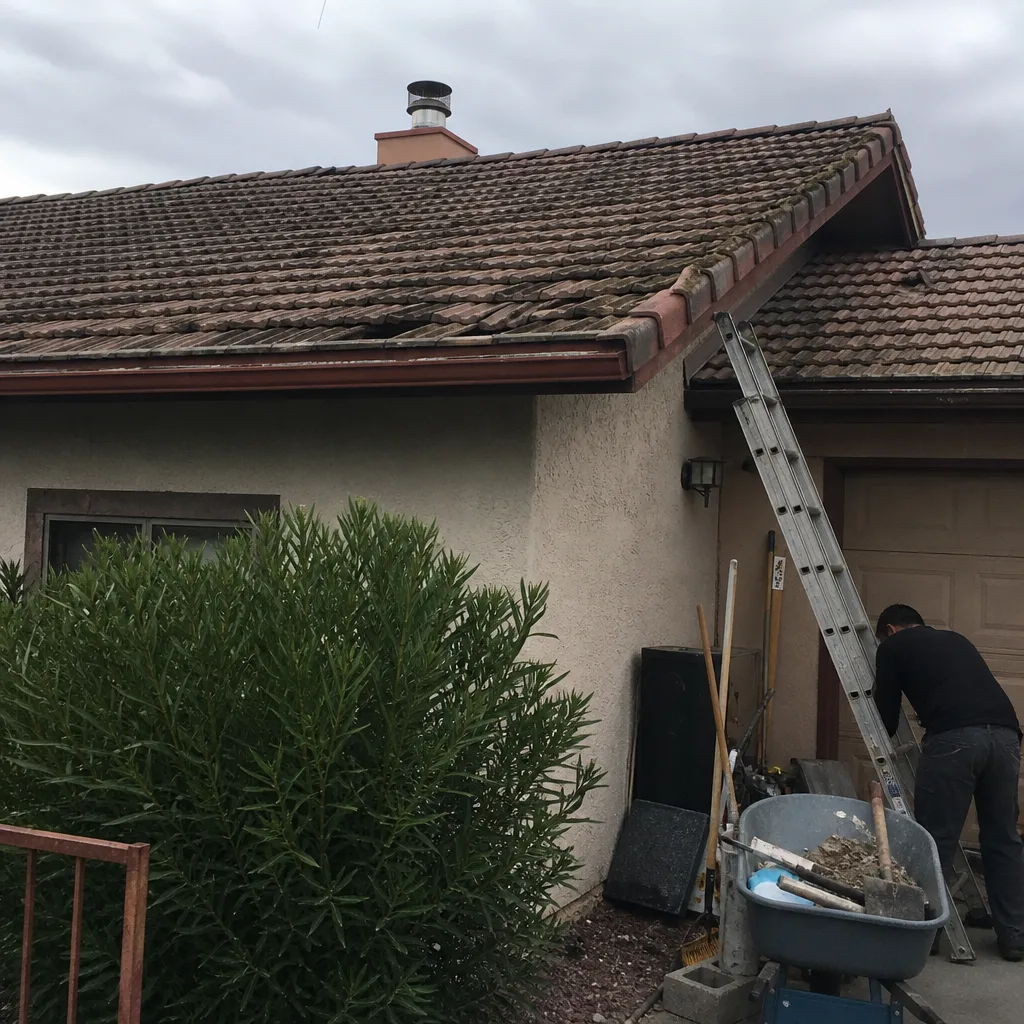 Before
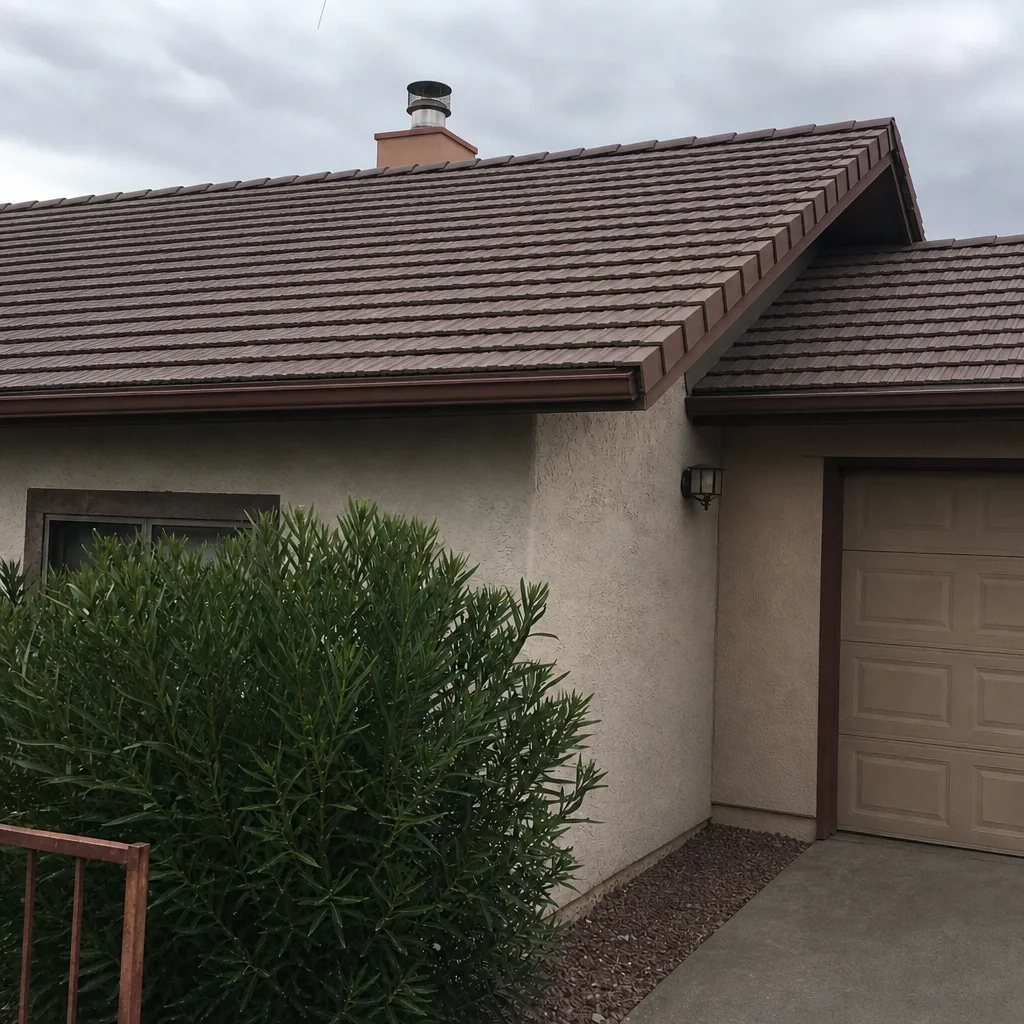 After
When to Call a Professional
Call a professional for anything involving roof walking on a steep or tile roof, for any seam or drain repair on a flat roof, for a leak you can’t trace, and for any storm damage you plan to hand to your insurer. Call us first when the issue is a maintenance item and we’ll tell you honestly whether it’s a repair or an insurance event. If the flashing or tile issue is beyond your skill, that’s the whole point of having someone to call. We’ve fixed roofs on many of the homes around Boulder City and we’d rather see a small repair now than a major claim later. Roof Repair in Boulder City is the page to start with for anything small. Estimates are free, and if there’s no work to do, we’ll tell you that too.
Shepherd & Sons Roofing Boulder City offers free estimates in Boulder City. Call (844) 761-8186 to schedule yours.
Frequently Asked Questions
Inspect at 30 days, 90 days, and one year after installation, then twice a year in spring and fall after that. Boulder City’s freeze-thaw shoulder seasons and intense summer sun make twice-yearly checks worthwhile. Call (844) 761-8186 to schedule one – estimates are free.
Yes, in most cases. Manufacturers can void coverage for neglect, and their main test is whether you can show a maintenance record. A dated file with photos and receipts is what keeps a warranty viable.
Because our freeze-thaw cycles crack ridge cap mortar even though the temperature doesn’t drop far, and the summer heat then bakes it out. A loose ridge tile is a wind hazard and a leak source. One spring inspection catches it. Call (844) 761-8186 for a free estimate if it’s been more than a year.
Call a roofer first for anything that looks gradual: a worn pipe boot, cracked sealant, a flat roof seam, loose ridge mortar. Call your agent for sudden storm damage, but only after a roofer has documented it in writing.
Keep a dated note of who inspected the roof, what was found, and what was done, plus two or three dated photos. It doesn’t need to be formal. A dated text to yourself with a photo counts, and it’s what adjusters and warranty reps actually use.
Yes. Flat TPO roofs need seam and drain checks twice a year, especially before monsoon season. The membrane itself is durable, but seams and penetrations are where the water gets in. Call (844) 761-8186 for a free inspection if yours hasn’t been checked this year.
The Bottom Line
Your roof’s most vulnerable year is its first. Inspect at 30 days, 90 days, and 12 months, then twice a year, and keep a written file with photos and receipts that can follow a warranty claim or an insurance evaluation. Tile roofs need the ridge cap mortar checked in the shoulder seasons. Shingle roofs need flashing and pipe boots checked in spring and fall. Flat roofs need seams and drains checked before every monsoon. Most warranty claims that get denied aren’t denied because of bad weather. They’re denied for missing paperwork. Keep the paperwork and you keep the roof covered.
If you want a written second opinion on any estimate, or you’d like to book a maintenance inspection in Boulder City, call Shepherd & Sons Roofing at (844) 761-8186. We’ll show you what we found before we talk money.
Written by the team at Shepherd & Sons Roofing Boulder City.