
Last updated November 17, 2026
 Architectural shingles
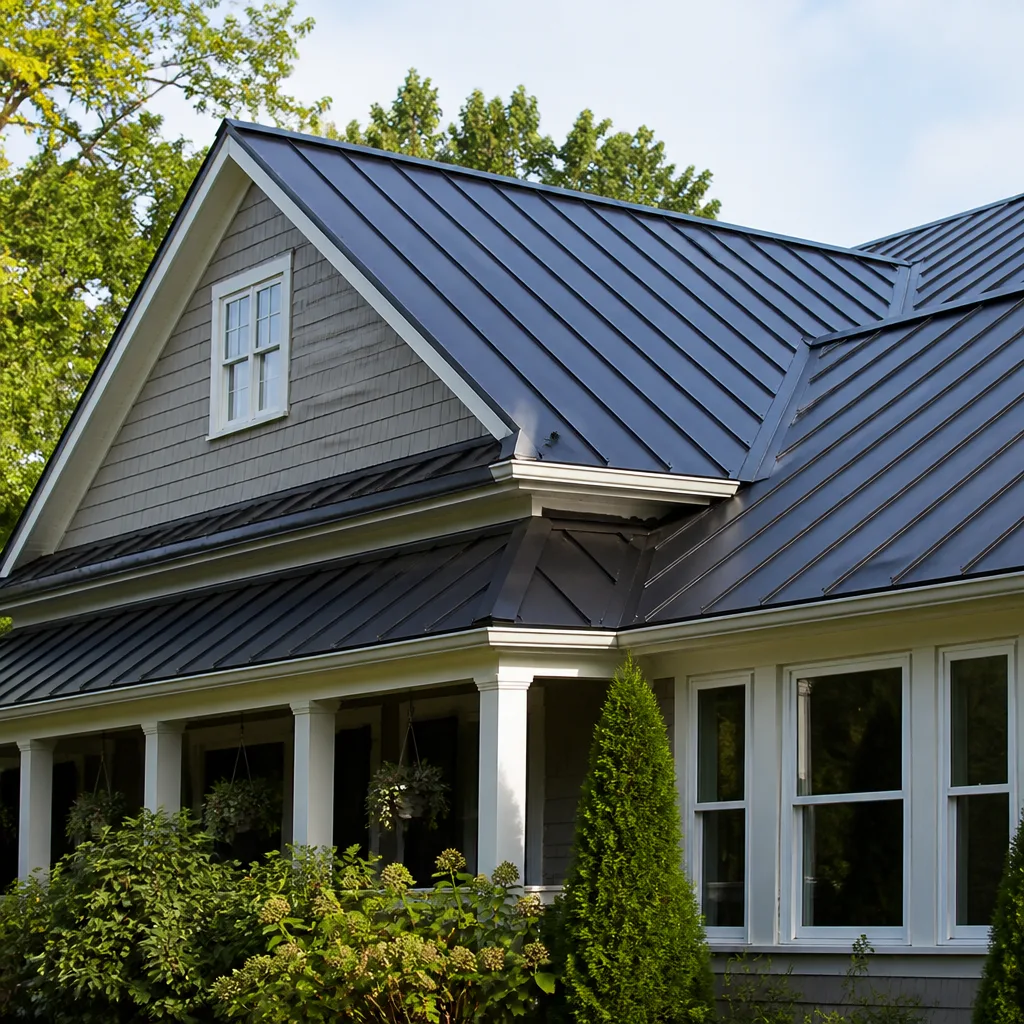 Metal roofing
 Tile roofing
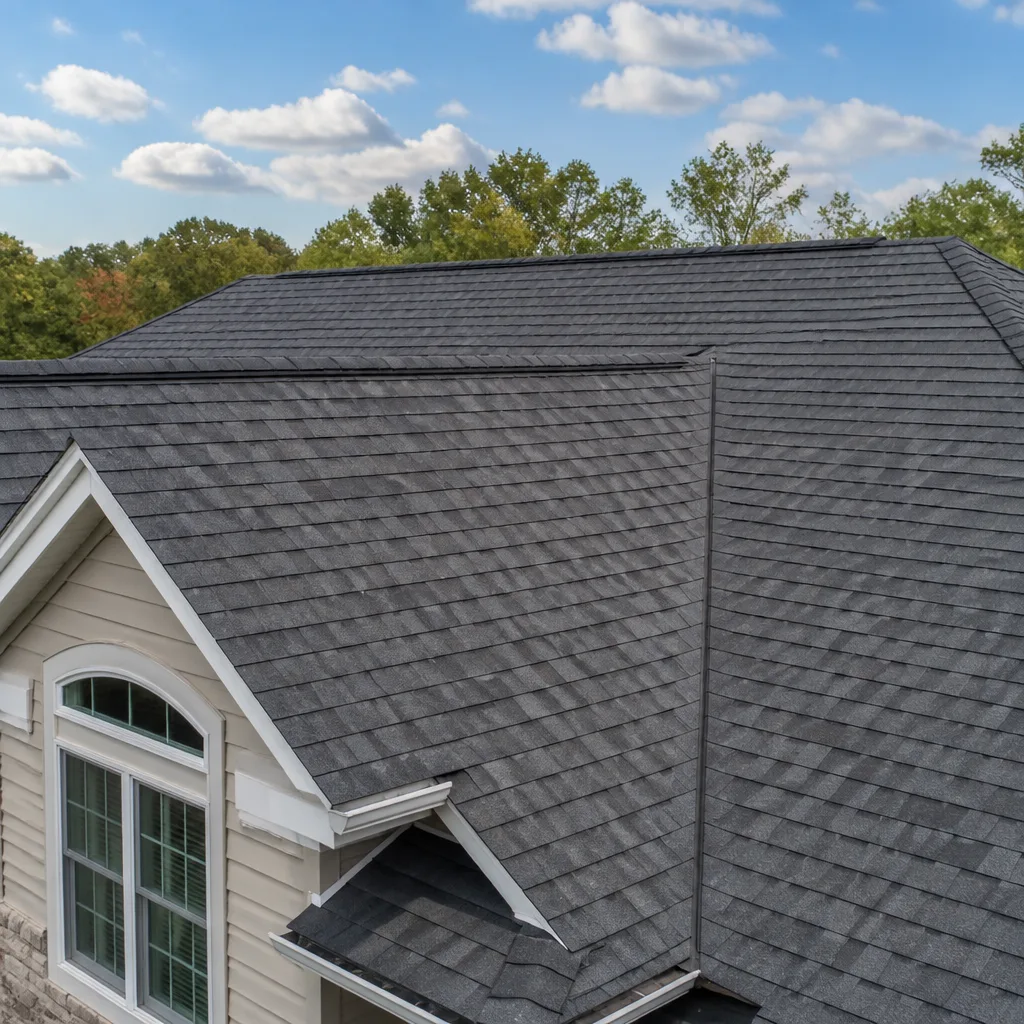 GAF
 Owens Corning
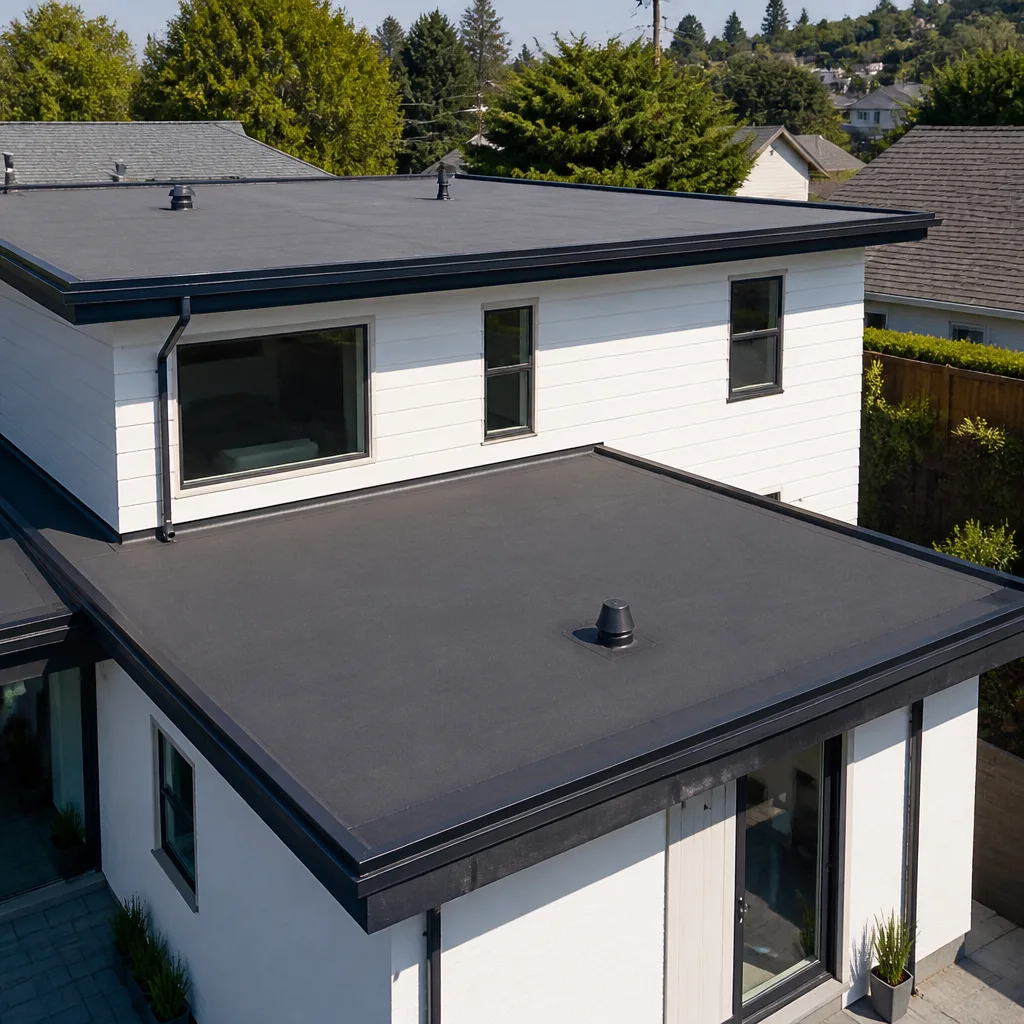 Flat & low-slope
Free roof inspection with deck photos before we talk money - GAF and Owens Corning certified installation
Roof Replacement & Installation Troubleshooting: Common Problems and How to Fix Them
If your brand-new roof is leaking within the first year, the shingles are almost never the culprit. It’s almost always a flashing detail that someone rushed on the last hour of the last day. We’ve climbed behind more failed installations than we can count, and the pattern holds: the material was fine, the workmanship wasn’t. This guide covers the seven installation defects we see most often in Boulder City, how to inspect a new roof before the crew leaves, what thermal buckling looks like compared to a bad product, and how to spot a storm chaser before they take your deposit.
Quick Answer
Most new-roof problems in Boulder City trace back to installation shortcuts, not defective shingles. The usual suspects are rushed flashing at walls and valleys, missing or misplaced nails, and ridge cap work done in a hurry at the end of the day. If you catch these within the first few months, you’re dealing with a warranty fix. If you wait until the first monsoon peels a valley open, you may be dealing with a “we can’t cover that” conversation instead.
Styles & brands we work with
- Architectural shingles
- Metal roofing
- Tile roofing
- GAF
- Owens Corning
- Flat & low-slope
Table of Contents
- The 7 Most Common Installation Defects (Ranked by Frequency)
- How to Inspect a New Installation Before the Crew Leaves
- Thermal Buckling vs. a Defective Shingle: Which One Gets Covered
- Storm Chaser Red Flags Specific to Boulder City
- How the 90-Day Done Right Promise Works in Practice
- Why Desert Climate Punishes Shortcuts
- Repair or Replace? Reading the Deck Photos
The 7 Most Common Installation Defects (Ranked by Frequency)
We rank these by how often they show up when a homeowner calls us after another crew’s work failed. In Boulder City’s heat and wind, the order shifts a little from what you’d see in a wetter climate, and we’ve noted where that matters.
- Valley flashing done too fast. The valley is where water concentrates, and it’s the detail most often rushed. When the metal isn’t set to the correct width or the underlayment isn’t layered right, the first hard rain finds it. This is the number-one cause of leaks we see on roofs under two years old.
- Improperly seated nails. Nails driven too deep punch through the shingle; nails driven too high miss the nailing strip entirely. Both leave the shingle free to lift in wind. The nailing pattern earns the wind rating, not the shingle wrapper.
- Wall and step flashing shortcuts. Where the roof meets a wall or chimney, the flashing has to be woven in with the shingle courses. When a crew lays the shingles first and slides flashing in after, it looks fine from the ground and fails the first time water backs up.
- Ridge cap rushed at the end of the day. Ridge caps are the last thing on the roof and the first thing done tired. Under-nailed caps peel off in our spring winds, and once one goes, the row follows.
- Missing or short drip edge. The drip edge should overhang the fascia by a measured amount, not “about right.” When it’s short, water wicks back under the shingles and rots the fascia board from the top down.
- Insufficient or wrong underlayment. Desert sun is brutal on underlayment. A single layer where the spec calls for two, or the wrong product for a hot roof deck, means the shingles are the only thing standing between your house and the sun.
- Poor attic ventilation at the install. When a new roof goes on over an old ventilation setup, heat builds under the deck and cooks the shingles from below. This one doesn’t show up as a leak. It shows up as a shingle life cut in half.
Notice a pattern? Six of the seven are things a careful crew controls, not things the manufacturer controls. That’s the whole point of this guide, and it’s the reason we treat installation as the product around here. You can read more about how we approach a full tear-off and rebuild on our Roof Replacement & Installation in Boulder City page.
How to Inspect a New Installation Before the Crew Leaves
You don’t need a ladder and you don’t need to climb anything. Do these three checks from the ground with a pair of binoculars on the day the crew finishes, while they’re still on site. If something’s off, you want to point at it while their truck is still in the driveway, not three weeks later.
1. The ridge cap check
Stand at the end of the driveway and look straight at the ridge line. The caps should run in a straight, even row with no gaps and no caps lifting at the corners. Run your binoculars along the whole ridge. If you see any cap that’s cupped up or looks loose, flag it before the crew leaves. This is a ten-minute fix while they’re there and a return trip later.
2. The flashing nail pattern check
Look at where the roof meets any wall or chimney. The flashing should be covered by the shingle courses, not sitting on top of them, and you should see no exposed nail heads in the flashing itself. Exposed nails in flashing are a slow leak waiting for rain. If the flashing is nailed on the face instead of hidden under the course above, ask about it.
3. The drip edge overhang measurement
At the eave (the bottom edge of the roof), the metal drip edge should extend past the fascia board by a consistent amount. It should look the same all the way along the edge. Anywhere it’s flush or tucked back, water will wick under and start working on the fascia. This is one of the easiest things to check and one of the easiest things for a fast crew to get wrong.
If a crew won’t walk the roof with you and answer these three checks on the day they finish, that tells you more than any brochure. We always do this walk with the homeowner. It’s part of the Shepherd & Sons Roofing Boulder City home way of doing it: you see what we see.
Thermal Buckling vs. a Defective Shingle: Which One Gets Covered
Thermal buckling looks like a wrinkle running across several shingles in a line, or a shingle that’s lifted in the middle with the edges still flat. It shows up most often on the south and west facing slopes after the first really hot stretch. It can look exactly like a manufacturing defect, and homeowners often call the manufacturer first. That’s usually the wrong call.
Here’s the distinction that matters:
- Thermal buckling is almost always an installation or ventilation problem, not a product problem. It happens when the deck isn’t flat, when the shingles were laid too tight against each other, or when attic heat has nowhere to go. The manufacturer will look at the ventilation and the deck, find the cause, and decline the claim. This is the “we can’t cover that” conversation.
- A true product defect usually shows up as a consistent pattern across the whole roof, or as granule loss that starts right after installation and doesn’t stop. Those are the claims that get covered, and they’re the rarer case.
On a roof we install, we check deck flatness and attic ventilation before the first shingle goes down, so we’re not setting up a buckling problem the homeowner will inherit. When it comes to shingles, we set products from IKO and Tamko, among others, but the brand doesn’t save you if the deck and ventilation underneath are wrong. If you’re weighing material choices, our Metal Roofing in Boulder City page explains how metal handles desert heat differently.
Storm Chaser Red Flags Specific to Boulder City
Boulder City sees its share of out-of-state crews who show up after a weather event, hand out bids, and are gone before the first rain. The warning signs are specific and they’re worth memorizing, because the money you save on a storm-chaser bid is usually money you’ll spend twice.
- Out-of-state plates. A crew with out-of-state plates and no local address is here for the storm, not for you. Ask where their shop is and whether you can see it.
- No posted license number. A legitimate roofer publishes a license number you can look up. If the bid doesn’t have one, that’s the whole answer.
- Bids that arrive the day after a weather event and expire in 24 hours. Urgency is the oldest tool in the book. A real bidder gives you time to think and to get a second opinion.
- They won’t let you see the deck photos before you sign. Any crew that won’t show you what’s under your shingles before you agree to a number is hiding something.
- They ask for a large deposit up front. Real local roofers don’t need a big chunk of the job in cash before the truck shows up.
Ask the storm chasers where their local address is. Ours has been the same since 1996. That’s the difference between a company you can call back and a company you can’t find.
How the 90-Day Done Right Promise Works in Practice
The 90-Day Done Right Promise is simple: if it’s not done right, we make it right, in writing, on every roofing job. One call brings Bill back. Here’s what that actually means for you.
What it covers: any installation defect we created, including the seven above. Leaks at flashing we set, nails we drove, ridge caps we ran, drip edges we hung. If it’s our work and it’s wrong, we come back and fix it. That’s the whole promise.
What it doesn’t cover: storm damage to a sound roof, damage from something falling on the roof, and problems caused by someone else’s work after we left. We’ll still come look, and we’ll tell you straight what happened.
Why it’s in writing: because a verbal promise is worth what you paid for it. The promise is on every job, in writing, so there’s no argument later about whether it applies. That’s the point of a 90-day window: it’s long enough to get through a season of weather, short enough that a real defect shows up while we can still fix it.
Every roofing job we do is backed by that written promise, and you can ask any neighbor on your street who’s used us. For repair-only work on an existing roof, see our Roof Repair in Boulder City page.
Why Desert Climate Punishes Shortcuts
Boulder City isn’t a wet climate, and that changes the failure timeline. In a wet climate, a rushed flashing detail shows up with the next rain. Here, it can sit quiet for months. Then the summer heat cooks the roof deck, the spring winds test every nail, and the first hard monsoon finds every shortcut at once.
That’s why our inspections here focus on three things a wetter climate doesn’t stress: attic ventilation (heat is the real enemy of a desert roof), nailing depth and placement (wind is the second enemy), and shingle sealing at the edges where the sun breaks down adhesion fastest. We’ve also seen Boulder City’s dry air make one new shingle defect obvious early: granule loss that starts right after install and doesn’t slow down. That’s worth a call, because a material problem needs to be documented early for a claim.
The desert doesn’t invent new problems. It just makes the shortcuts show up faster. That’s good news, because it means if you catch them in the first 90 days, you’re ahead.
Repair or Replace? Reading the Deck Photos
When a roof is failing, the first question isn’t “what’s wrong” but “is this a repair or a replacement.” The answer almost always lives in the deck photos, not in the shingle count. Any bidder should show you what’s under the shingles before they quote a number. If they won’t, ask why.
What to look at in the deck photos:
- Soft or delaminated decking. If the plywood is soft or delaminating, you need decking replaced, not just shingles re-laid. That changes the price and it changes the job.
- Signs of old leaks staining the deck. Water stains in the decking tell you where the last leak went and how long it’s been there.
- Ventilation setup. If the attic ventilation is wrong, a new roof on top of it will fail the same way the old one did.
We’ll show you the deck photos before we talk money. A roof is measured in squares, so ask any bidder how many they counted. A bid without a square count and a deck photo is a guess. For the full process, our Roof Replacement & Installation in Boulder City page walks through what a tear-off and rebuild looks like from the inside.
Common Mistakes to Avoid
- Signing a bid with no license number on it. In Boulder City, a bid without a license number you can look up is a bid from someone you can’t hold accountable later.
- Getting a verbal promise instead of a written one. A verbal promise disappears with the truck. Get the 90-day promise in writing or get a different bidder.
- Skipping the deck photos. A bid that doesn’t show you the deck is a bid you can’t compare to any other. Photos are how you compare apples to apples.
- Letting a storm chaser rush you. A 24-hour expiration on a bid is a red flag, not a deal. Real roofers let you think.
- Ignoring attic ventilation. A new roof over bad ventilation will cook itself from the inside. Fix the ventilation with the roof, not after.
- Waiting until the first monsoon to test the new roof. Do the three-check walk before the crew leaves. It’s ten minutes and it catches most of what goes wrong.
- Calling the manufacturer before you’ve called the installer. On thermal buckling, the manufacturer usually declines the claim. The installer is who you need to talk to first.
See the difference
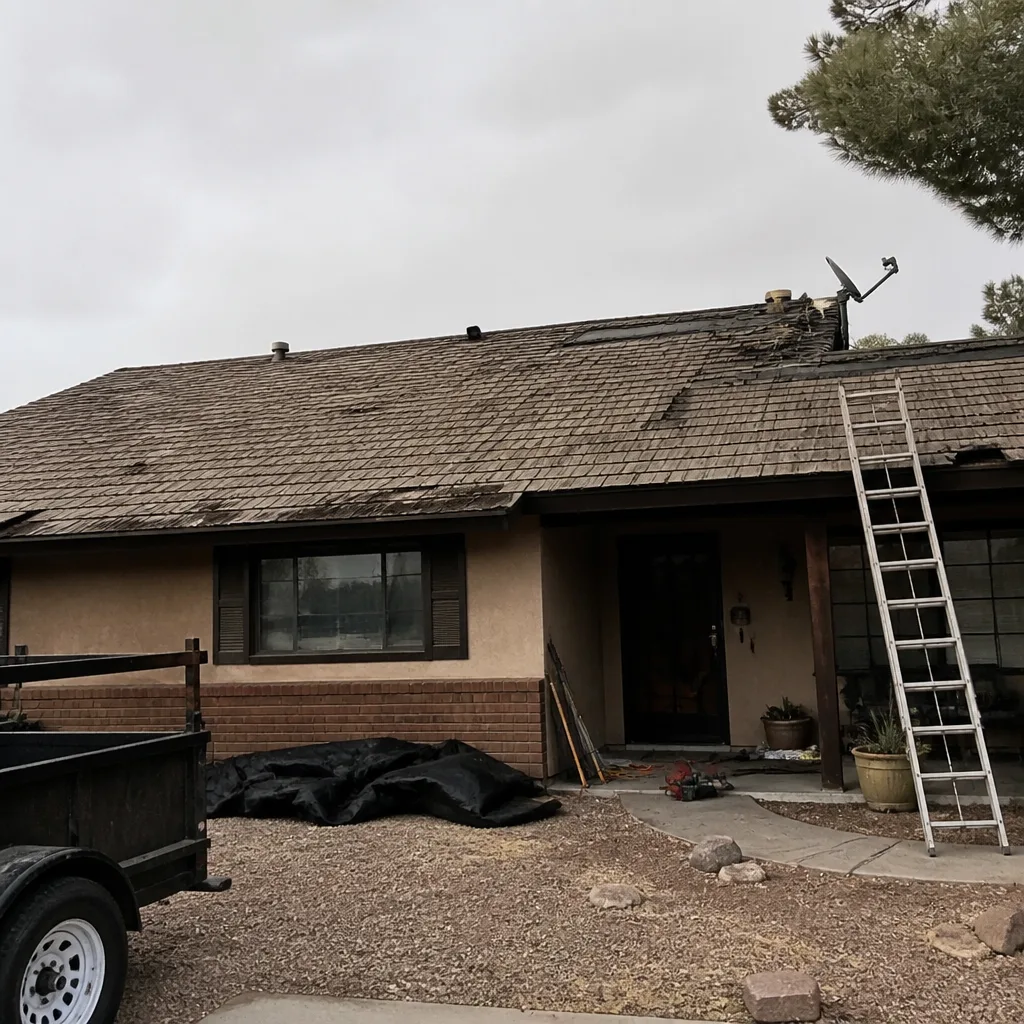 Before
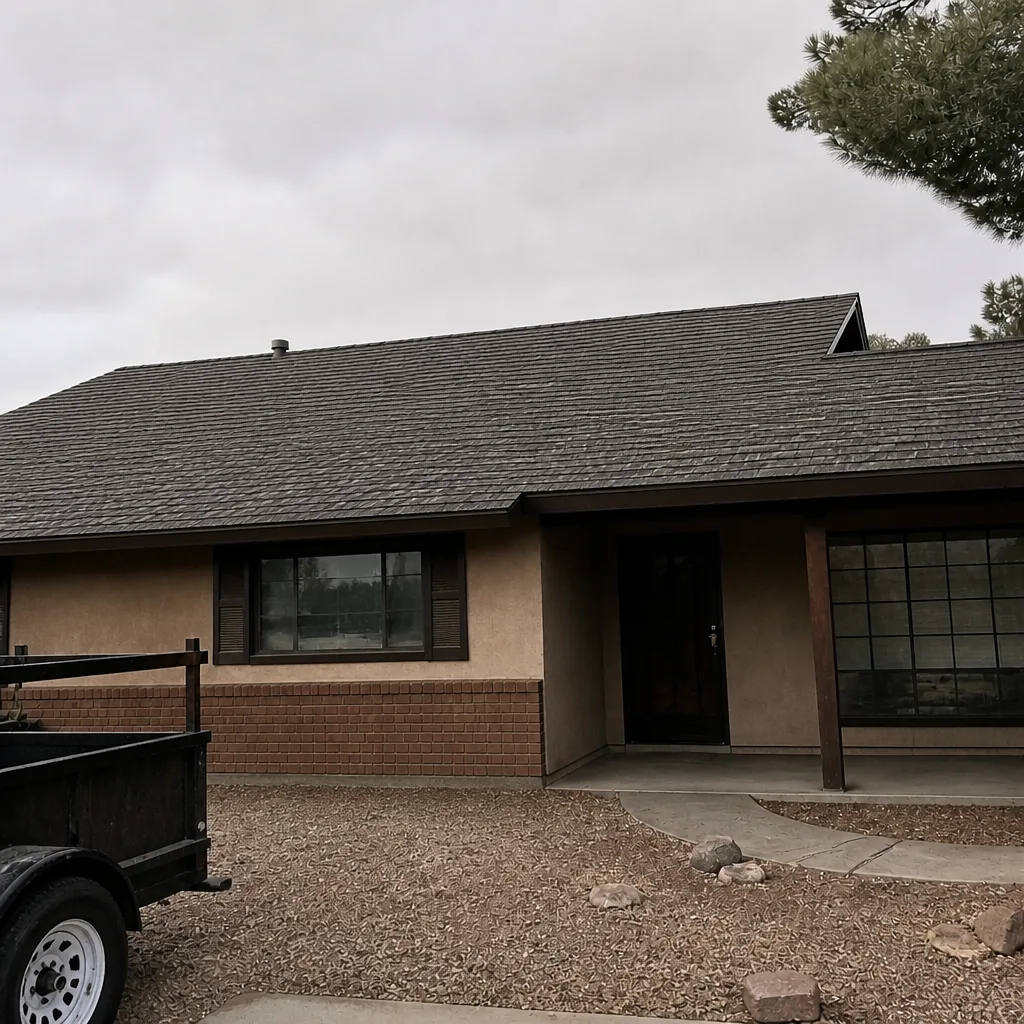 After
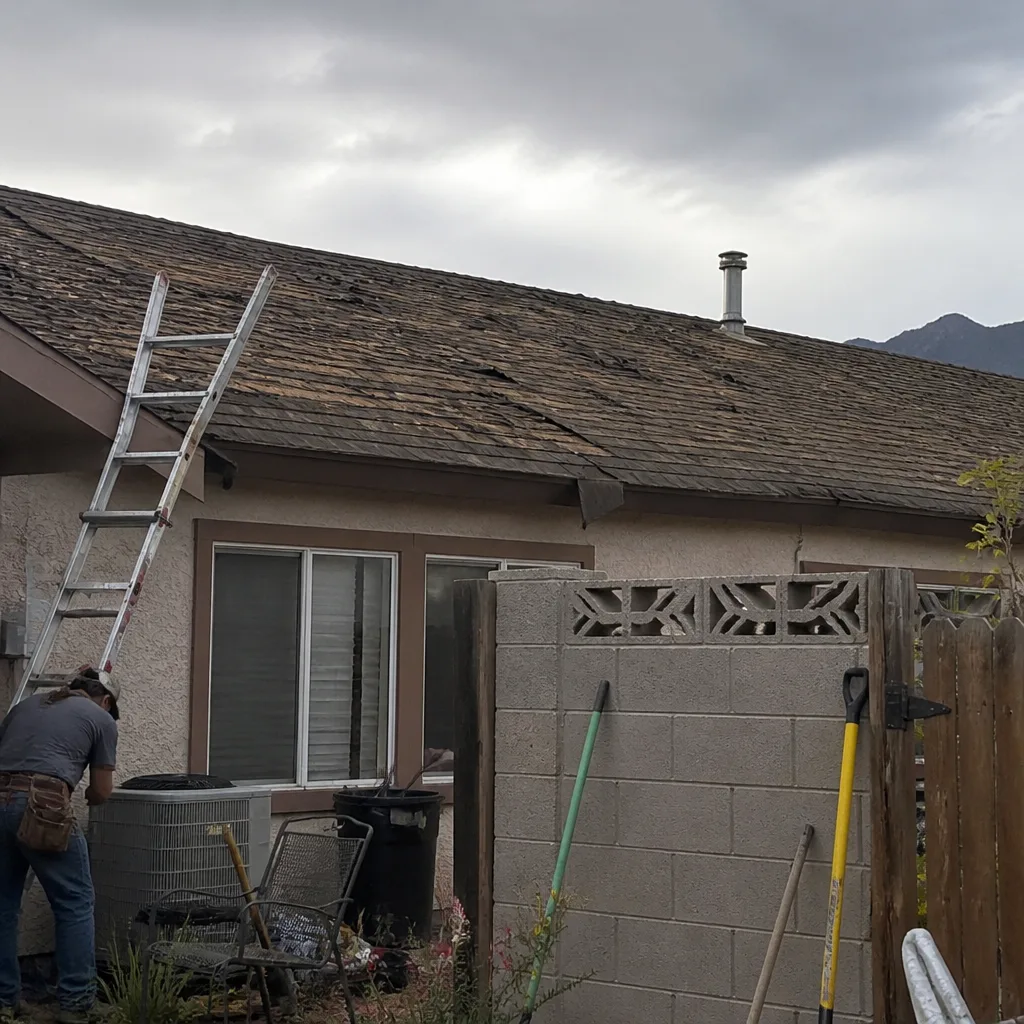 Before
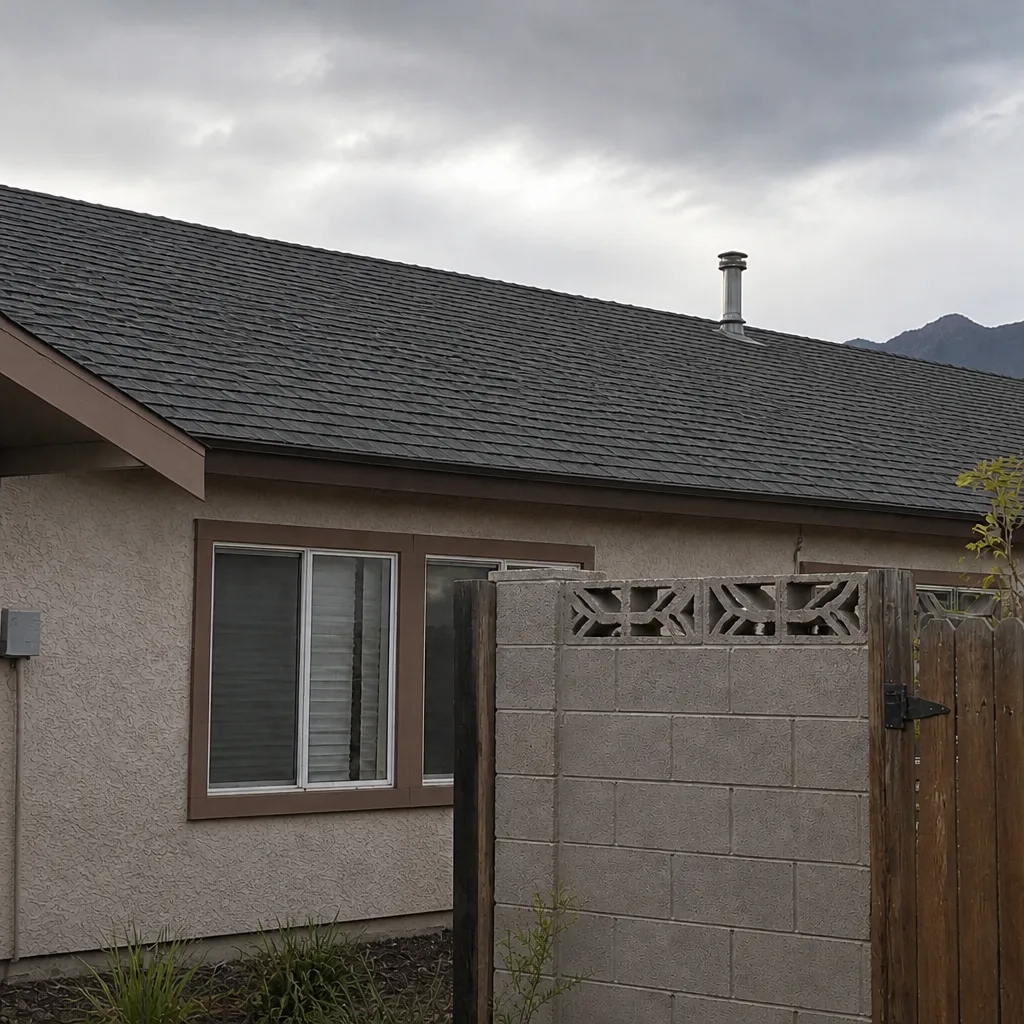 After
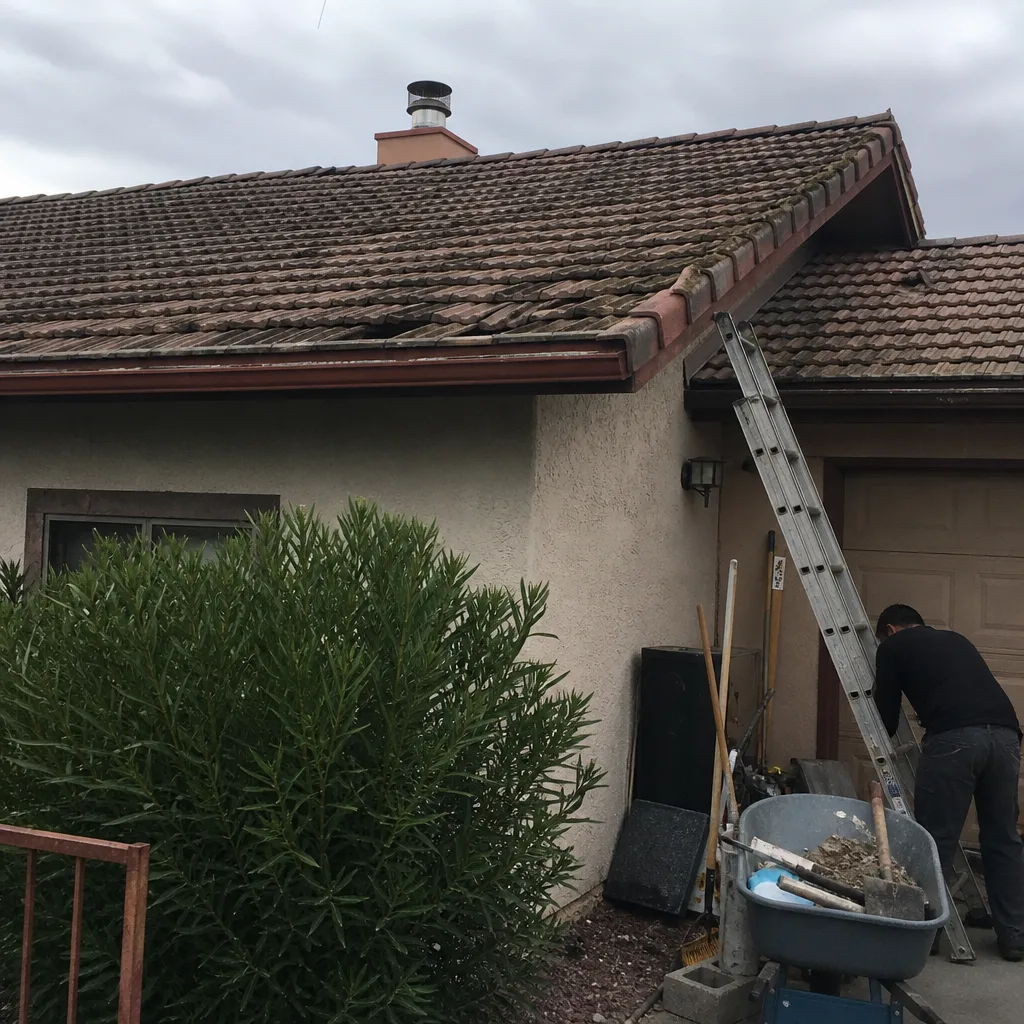 Before
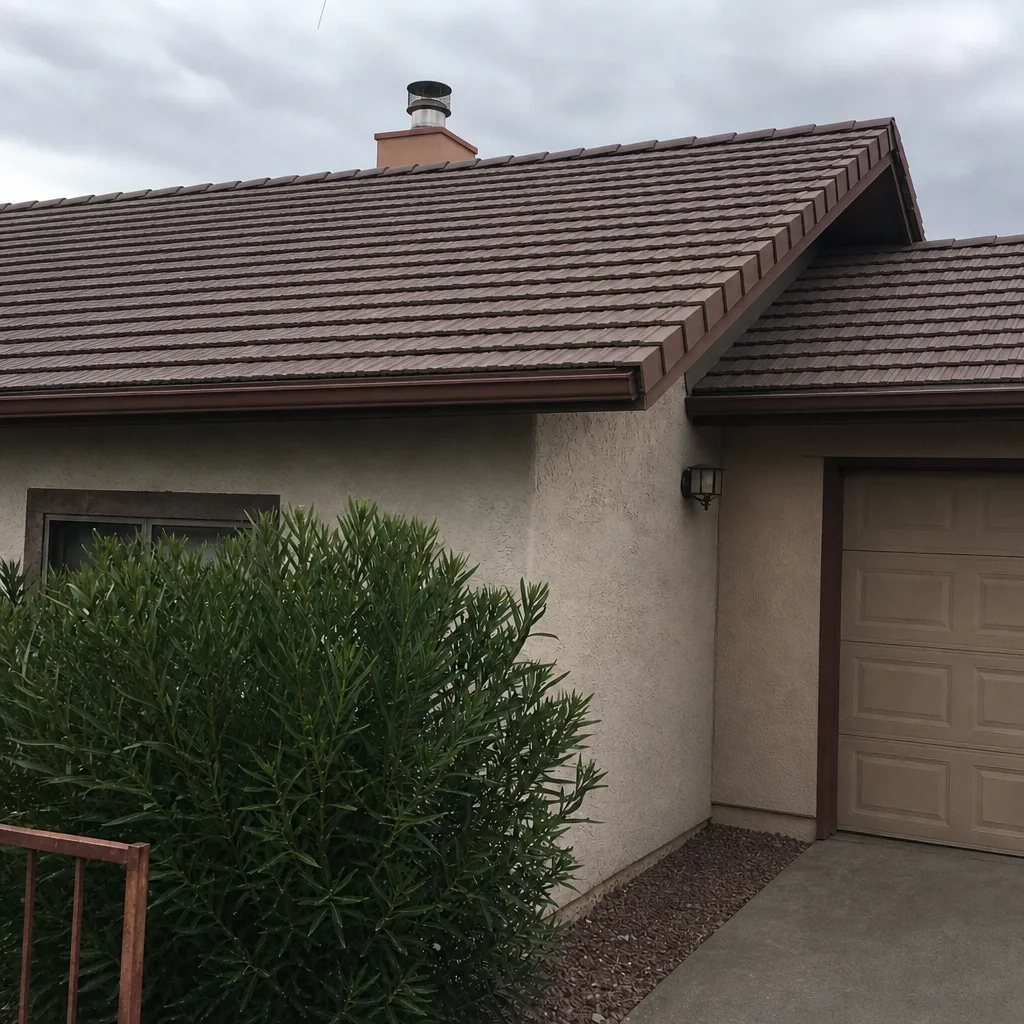 After
When to Call a Professional
Call us if you see any of the following: a leak within the first year of a new roof, shingles buckling in a line across the south or west slope, ridge caps lifting after wind, exposed nail heads in flashing, or a storm-chaser bid sitting on your table with a 24-hour clock on it. Also call if you’re not sure what you’re looking at. A second set of eyes on a new installation is cheap; a valley that opens up in the first monsoon is not.
Shepherd & Sons Roofing Boulder City offers free estimates in Boulder City – call (844) 761-8186 for yours. A live person answers the phone 24/7, including after a storm. We also offer a free second opinion on any written estimate, no trip charge inside our own county, and our senior and veteran 10% discount.
Frequently Asked Questions
Most repair-level fixes on a new installation run a few hundred to a couple thousand dollars depending on what’s wrong, and many are covered by the installer’s warranty if you catch them early. Fixing a valley or flashing that was rushed is usually cheaper than the leak damage it would cause if left for a season. Call (844) 761-8186 for an exact quote, estimates are free.
No. Thermal buckling almost always traces back to a deck flatness or ventilation problem under the shingles, and fixing it means getting under the shingles. That’s a job for a roofer, and it’s often something the original installer should be fixing under their warranty. Call us for a look before you touch anything.
Pattern is the tell. A product defect usually shows across the whole roof consistently, while an installation problem shows in a specific place, like one slope, a valley, or a wall line. If it looks like one spot with a problem, it’s usually installation. Call us for a second opinion and we’ll tell you which one you’re looking at.
Check the posted license number, the local address, and whether they’ll show you deck photos before quoting. Ask how many squares they counted on your roof. A bidder who can’t answer those three questions clearly is a bidder to pass on. A bid with no license number and no address isn’t a bid, it’s a hope.
No. It’s included in writing on every roofing job, no upcharge. If something we did isn’t right, we come back and fix it within the window. That’s the standard we hold on every job, whether it’s a repair or a full replacement.
Most ridge cap lift after installation comes from under-nailing or caps set too close to the end of the day when the crew is tired. Desert wind is unforgiving, and one lifted cap takes the row with it. If you see it, call within the warranty window and we’ll come look. (844) 761-8186, live person, day or night.
The Bottom Line
The roof material is rarely the problem. The workmanship is. On a new roof in Boulder City, the failures you’ll actually see are rushed valleys, high or deep nails, flashing that got slid in after the shingles, and ridge caps done tired at the end of the day. Catch them with a three-check walk before the crew leaves, keep your written warranty, ask for deck photos before you sign, and don’t let a 24-hour storm-chaser bid rush you into a decision. The roof you can call back is worth more than the one you got cheap. Call (844) 761-8186 for a free estimate and a straight look at your roof.
Written by the team at Shepherd & Sons Roofing Boulder City.