
Last updated November 17, 2026
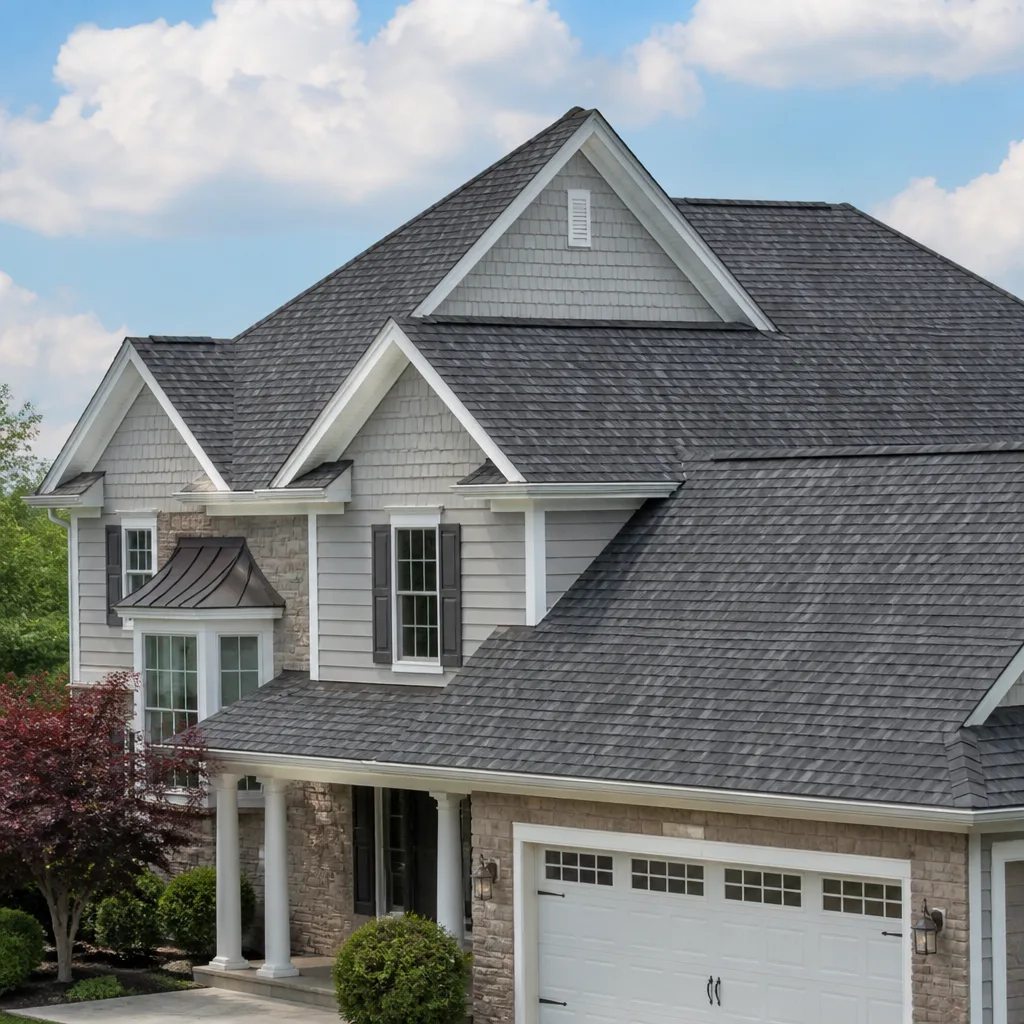 Architectural shingles
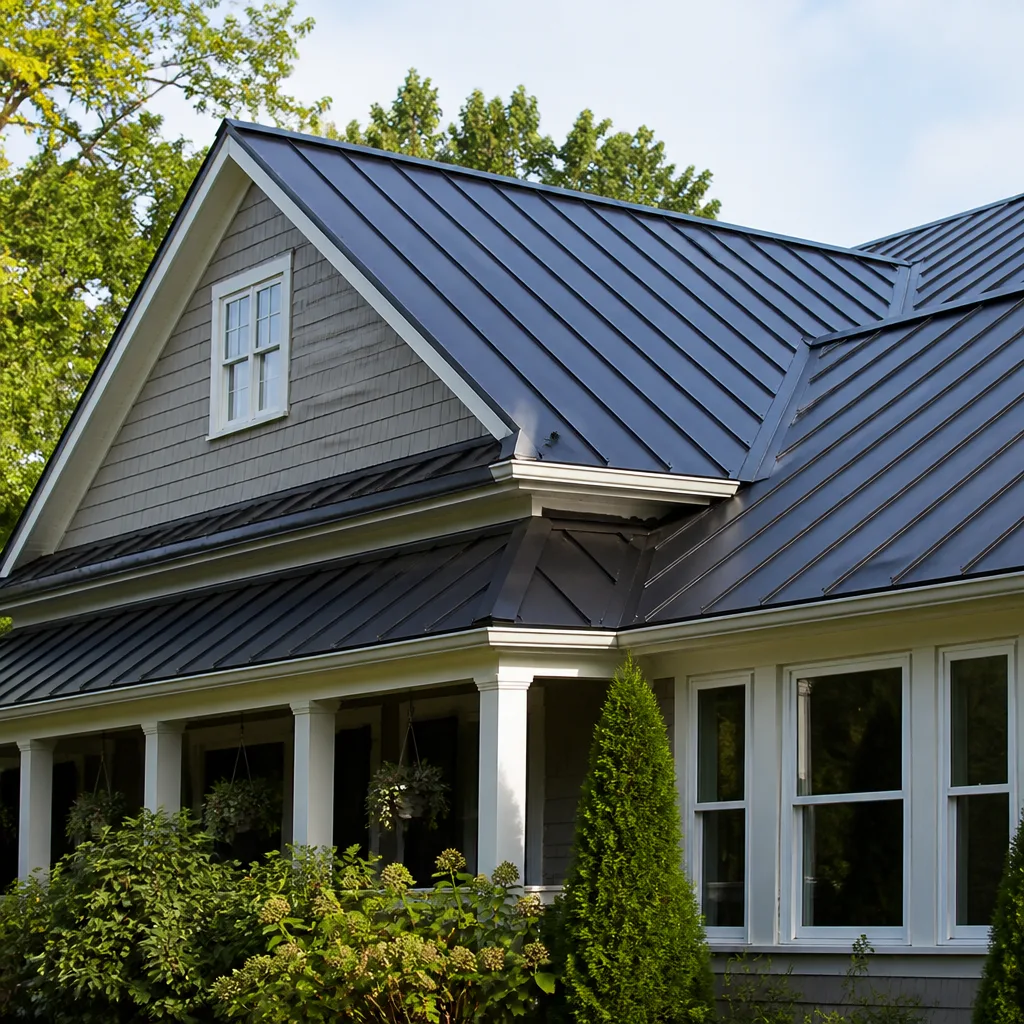 Metal roofing
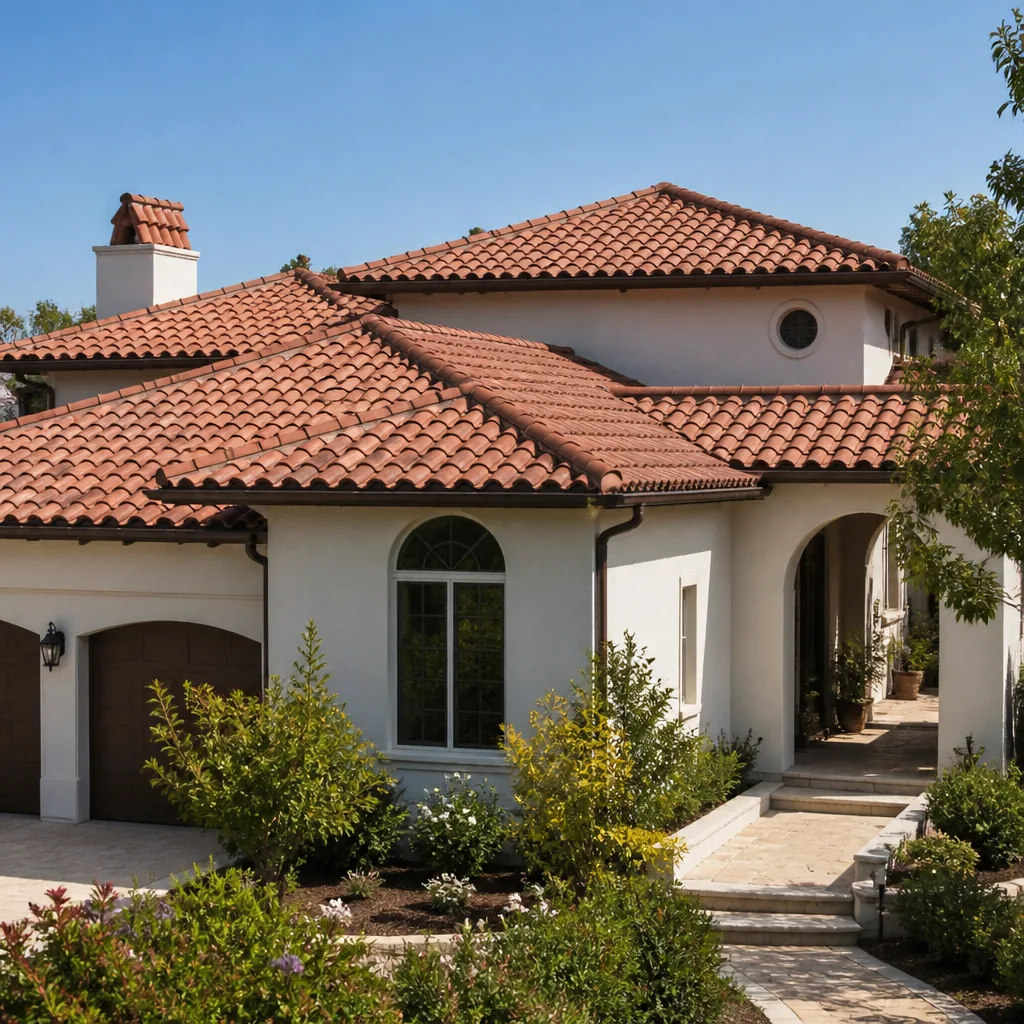 Tile roofing
 GAF
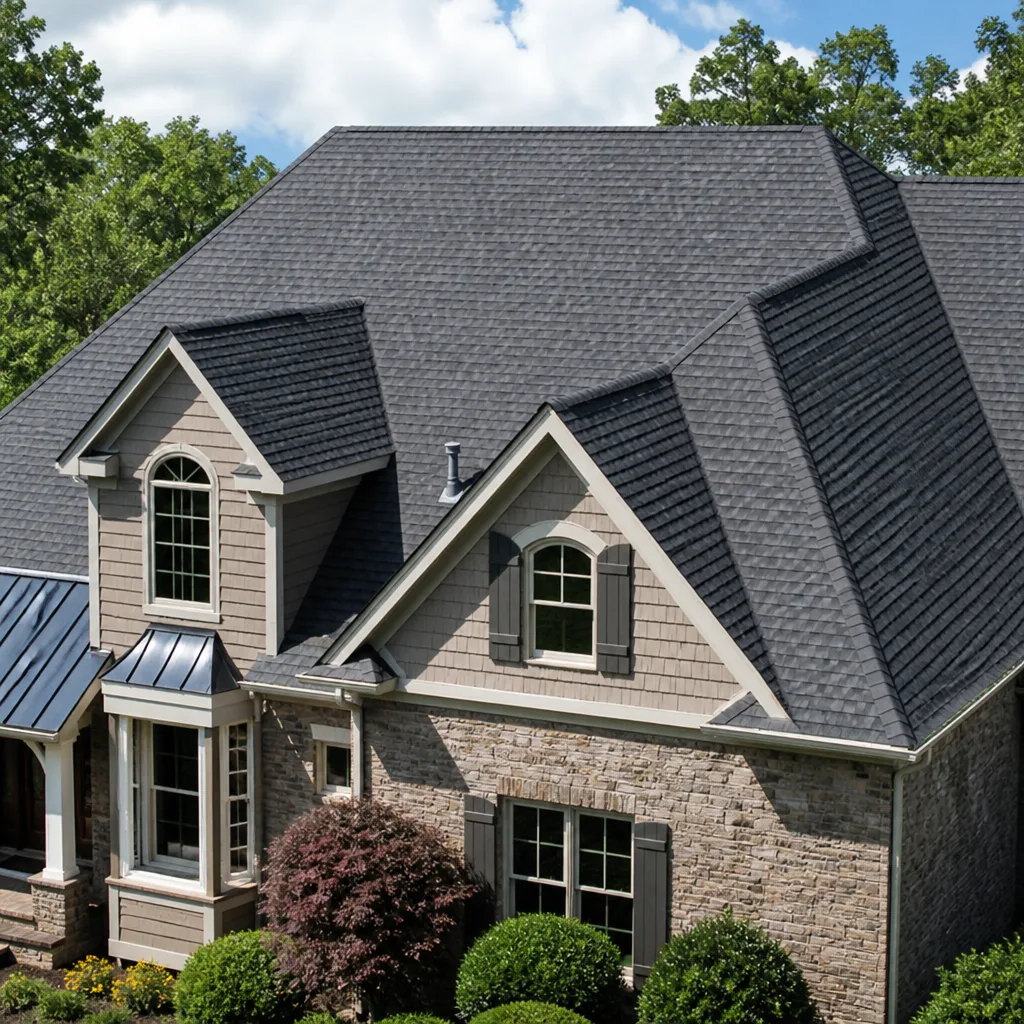 Owens Corning
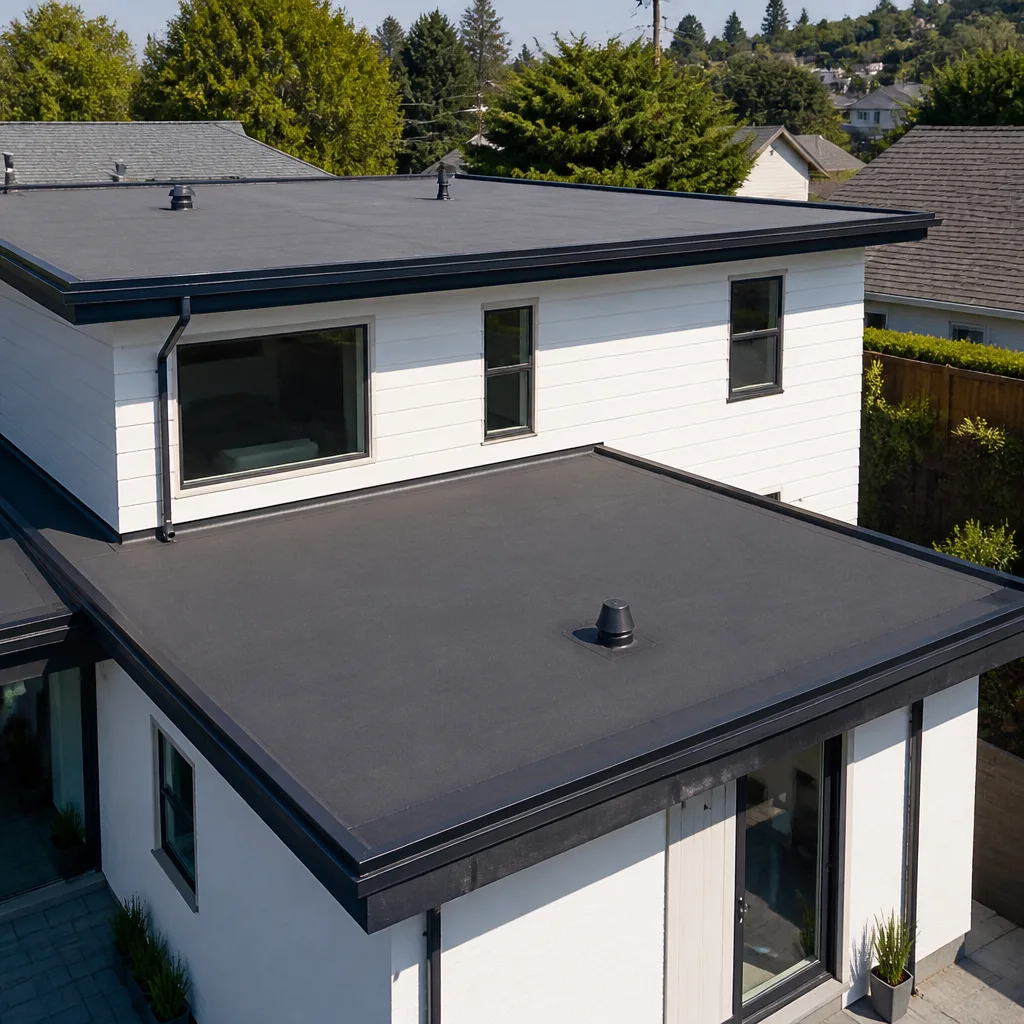 Flat & low-slope
Free roof inspection with deck photos before we talk money - GAF and Owens Corning certified installation
The Complete Roof Repair Guide for Boulder City Homeowners
Boulder City averages roughly 294 sunny days a year, and every one of them is quietly cooking the asphalt binders out of your shingles. Most roof repair guides are written for a Midwest climate with four seasons and steady rain. You don’t live there. Here the sun does the damage, caliche clay pushes from below, and hard water leaves mineral crust that traps moisture against your decking. This guide covers how roofs actually fail in Boulder City, what repair really costs, which permits you need through the Building & Safety Division, and how to document damage before anyone touches your roof.
Quick Answer
Roof repair in Boulder City typically runs $350 to $1,800 for common problems like lifted flashing, cracked pipe boots, or localized shingle failure, and most jobs are done in a single visit. The big exceptions are UV-driven granule loss across whole slopes and caliche-related fascia separation, which can push a repair past $2,500. The right first step is a free written estimate that shows you photos of the actual deck, not a phone number quoted sight unseen.
Styles & brands we work with
- Architectural shingles
- Metal roofing
- Tile roofing
- GAF
- Owens Corning
- Flat & low-slope
Table of Contents
- How UV Degradation Ages Boulder City Roofs Faster Than You Think
- Caliche Soil and the Fascia Problem That Isn’t a Roof Problem
- Hard Water Deposits on Low-Slope Roofs
- The Boulder City Permit Process and Your Insurance Claim
- What Roof Repair Costs in Boulder City
- How to Document Damage Before the Crew Arrives
- Choosing Materials for a Mojave Climate
- The Best Time of Year to Repair a Roof in Boulder City
How UV Degradation Ages Boulder City Roofs Faster Than You Think
Shingle manufacturers build their warranties around national averages for sun exposure. Boulder City sits at roughly 2,200 feet above sea level in the Mojave, and that combination of altitude and clear skies means more intense ultraviolet radiation than a shingle rated for “25 years” expects to absorb. What happens is gradual and easy to miss: the asphalt binder that holds the granules in place dries out and oxidizes, and the granules start shedding into your gutters and downspouts.
Once the granules are gone, the exposed asphalt underneath takes direct sun, cracks, and lets water into the mat. That’s when a $400 flashing repair becomes a $4,000 decking replacement if you wait.
Here’s what we check on older Boulder City roofs, and what you can look for from the ground with binoculars:
- Bare patches and dark streaks where granules have worn through to the asphalt layer.
- Granule piles at the base of downspouts, or gritty black sediment in your gutters after a light rain.
- Brittle, curling tabs along south- and west-facing slopes, which take the most afternoon sun.
- Shingle edges that lift in the slightest breeze, a sign the sealant strip has dried out.
A shingle rated by GAF or CertainTeed for 25 years in a national climate model may look worn well before that in Boulder City. That doesn’t mean the product failed. It means your sun is harder than the average. If you’re seeing widespread granule loss rather than one bad patch, it’s worth having a conversation about whether repair still makes sense versus planning for a full replacement. Our Roof Replacement & Installation in Boulder City page walks through the timeline and options.
Caliche Soil and the Fascia Problem That Isn’t a Roof Problem
This is the failure point most guides never mention, and it trips up a lot of Boulder City homeowners. Caliche is the calcium carbonate hardpan that sits under much of the soil here. It expands and contracts with moisture in a way that shifts the ground under your slab and foundation. When the ground moves, your fascia boards and soffits can separate from the wall or the roofline, and that gap looks exactly like a roofing failure: water stains, daylight in the attic, a visible seam along the eave.
Painting over it or caulking the seam doesn’t fix anything. The gap comes back, because the cause is underneath the house, not at the roofline.
How to tell the difference:
- Walk the perimeter and look for stair-step cracks in the stucco near the eaves, not just at the roofline.
- Check interior corners and door frames for cracks that run diagonally. Foundation movement usually shows up inside too.
- Look at whether soil has settled away from the foundation slab. Visible gaps along the edge are a sign of caliche movement.
- Bring a level or a straight edge to the fascia board. If it’s out of plane with the wall, the cause is below, not above.
When we see this on an estimate, we tell people straight: roof repair won’t fix it. You may need a foundation inspection before we touch the fascia. That’s not us walking away from a job. It’s us not selling you a roof repair that won’t hold. If you’re not sure which problem you have, a Roof Repair in Boulder City inspection will tell you which it is in about an hour.
Hard Water Deposits on Low-Slope Roofs
Boulder City’s water is hard, rich in calcium and magnesium, and if you have a low-slope or flat section on your roof fed by an evaporative cooler or a swamp cooler line, you’ve probably seen the white crust that builds up around the drain or the ponding area. That white ring is calcium carbonate, and it does two things: it looks like a stain, and it slowly seals the surface of the membrane or the modified bitumen so moisture can’t get out from underneath.
Once water is trapped against the decking, the plywood starts to soften. A roof that sounds solid from the attic can have a mushy corner you’d only find by stepping on it.
What to look for:
- White or gray chalky rings around drains, scuppers, or cooler lines on flat sections.
- Soft spots you can feel underfoot on the roof, or a sag in the ceiling below.
- Persistent dampness in an area that hasn’t seen rain, especially near an evaporative cooler.
The fix isn’t to scrub the crust off and call it done. It’s to find where the water is pooling behind it, correct the drainage, and replace any decking that’s gone soft. If there’s a mineral deposit on your flat roof, have it looked at before the next monsoon season.
The Boulder City Permit Process and Your Insurance Claim
Boulder City has its own Building & Safety Division, separate from Clark County, and the rules for roof repair are specific to what the city requires. Most minor repairs and replacements that don’t change the roof’s footprint or structure fall under the general permit-and-inspection framework, but the details matter, especially when an insurance claim is involved. Skipping the permit can void a claim, because an insurer can point to unpermitted work as a reason not to pay for the related damage.
Here’s the order we recommend for any repair tied to an insurance claim:
- Get the damage documented first, before the adjuster visits, with photographs and measurements (see the next section).
- Confirm whether a permit is required for the scope of work with the Building & Safety Division.
- Get a written, line-item estimate that separates labor, materials, permit fees, and any decking replacement.
- Pull the permit in your name or the contractor’s name, as the city requires, before work starts.
- Keep the inspection record for the life of the house. It supports resale and any future claim.
If a contractor offers to “save you the hassle” by skipping the permit, that’s a tell. Nobody legitimate cuts that corner. Permits, inspections, and a written scope of work are non-negotiable, and they’re part of what we do on every job, whether it’s a single repair or a full replacement across town.
What Roof Repair Costs in Boulder City
Prices in Boulder City run lower than the Las Vegas Valley for labor on small jobs and higher than the valley for the same job when the roof requires caliche-related decking work or extensive flashing. Most repairs are quoted as a range, and the range should be written, not verbal.
- Pipe boot or vent flashing replacement: $275 – $450
- Chimney or wall flashing repair: $400 – $900
- Localized shingle repair (up to one square): $350 – $700
- Granule loss or blistering requiring a larger section of shingles replaced: $900 – $2,000
- Low-slope membrane repair with drainage correction: $600 – $1,500
- Decking replacement (per sheet of plywood, including labor): $80 – $150
- Fascia and soffit repair following caliche movement: $500 – $1,800
These are ranges, not quotes. The actual number depends on roof pitch, how accessible the area is, and whether your shingle brand is still made in the same profile (some discontinued lines are harder to match, which we’ll flag honestly on the estimate). We stand behind a free second opinion on any written estimate, and pricing that doesn’t change once the work starts. Call (844) 761-8186 for an exact quote. Estimates are free.
How to Document Damage Before the Crew Arrives
Good photos speed up the estimate and, when there’s an insurance claim, they’re the difference between a fair settlement and a fight. Bill shows you the deck photos before he talks money. He expects you to have your own set too, and it’s easy to take them yourself once you know what to shoot.
- A wide shot of the whole roof from the street or yard, so the adjuster can see where the damage sits relative to the house.
- A mid-range photo of the damaged slope or section, including the ridge or valley nearby for orientation.
- A close-up showing the actual failure: a lifted shingle, a cracked boot, the seam where water is getting in.
- An “under” shot if you can see the damage from the attic or the ceiling below. Ceiling stains are evidence.
- A scale shot with a tape measure against the largest gap or stain, so the size is obvious.
Don’t climb onto the roof to take the close-up if you’re not comfortable on a pitch. Getting the shot is never worth a fall. Shoot from a ladder leaning on the fascia, or from a second-story window with a zoom lens. We’ve seen plenty of homeowners get good photos without ever leaving the ladder.
Choosing Materials for a Mojave Climate
The shingle that performs best in a Midwestern suburb is not always the one to pick in Boulder City. Higher UV exposure favors products with a thicker granule coating and a more heat-resistant asphalt mix. If you’re choosing between a standard three-tab and a heavier architectural shingle, the heavier one earns its money here.
What we install and why it matters in this climate:
- Architectural shingles with a heavier granule layer (certain lines from GAF and Owens Corning) hold up longer against the sun before the granules start shedding.
- Impact-rated shingles are worth considering if your roof sees regular hail, which happens in Clark County.
- Metal roofing handles the sun and heat well and reflects it back rather than absorbing it. It’s a different conversation on cost and look, and our Metal Roofing in Boulder City page has the details.
- Underlayment matters as much as the shingle. A 30-pound felt or a synthetic underlayment rated for high heat will outlast a lighter product under the same sun.
- Tile and specialty products (including Boral) make sense on some homes, either for the look or for heat performance.
Ask any bidder which products they set and why they recommend them for this climate specifically. If they can’t explain the difference between a granule coating rated for the Mojave versus one for a temperate climate, that’s a red flag.
The Best Time of Year to Repair a Roof in Boulder City
Boulder City’s climate makes two windows easier than the rest of the year. The stretch from late March through May and the window from late September through October are typically the most comfortable for both roofers and homeowners, and the sealant on shingles cures better when the daytime temperature is between roughly 50°F and 80°F. Mid-summer installations on a south-facing slope can see the sealant strip go down soft and take a long time to reach full bond, and asphalt shingles are more likely to scuff during installation.
Two things to know beyond the season:
- Repairs don’t always wait for the ideal window. A cracked flashing or a lifted shingle should be fixed before the next monsoon, which generally runs July through September.
- Book early for fall. The window after summer is the busiest for Boulder City roofers, and a job that would normally schedule in a week may take two or three.
The practical answer is to fix active leaks anytime and to plan larger work for spring or fall. If you’re not sure when your roof was last inspected, a free estimate in the off-season is the easiest window to get.
Common Mistakes to Avoid
- Quoting over the phone and committing on the spot. The price you get sight unseen is the price that goes up at the door. Insist on a written, line-item estimate, and get a free second opinion on any bid before you sign.
- Skipping the Boulder City permit. Unpermitted work can void a homeowner’s insurance claim, and resale inspections will catch it. Confirm the permit requirement with the Building & Safety Division before any repair crew starts.
- Treating fascia separation as a roofing problem. In Boulder City, caliche movement can pull the fascia from the wall. If the gap comes back after a repair, look at the foundation, not the roof.
- Ignoring granule piles in the gutter. Black grit in your gutters after a light breeze means the shingle is shedding, not that the roof is fine because it “looks OK” from the street.
- Scrubbing off hard-water mineral deposits without fixing the drainage. The calcium crust is a symptom. The pooling water behind it is the problem.
- Assuming a national 25-year warranty protects you in the Mojave. The warranty is a timeline, not a promise about the sun here. Ask any bidder what they expect the product to look like in 15 years on a Boulder City slope.
- Letting a storm chaser tell you the roof is totaled after a hailstorm. Get a second written opinion from a roofer with a local address and a license number you can look up. Storm damage is real. The number attached to it isn’t always.
See the difference
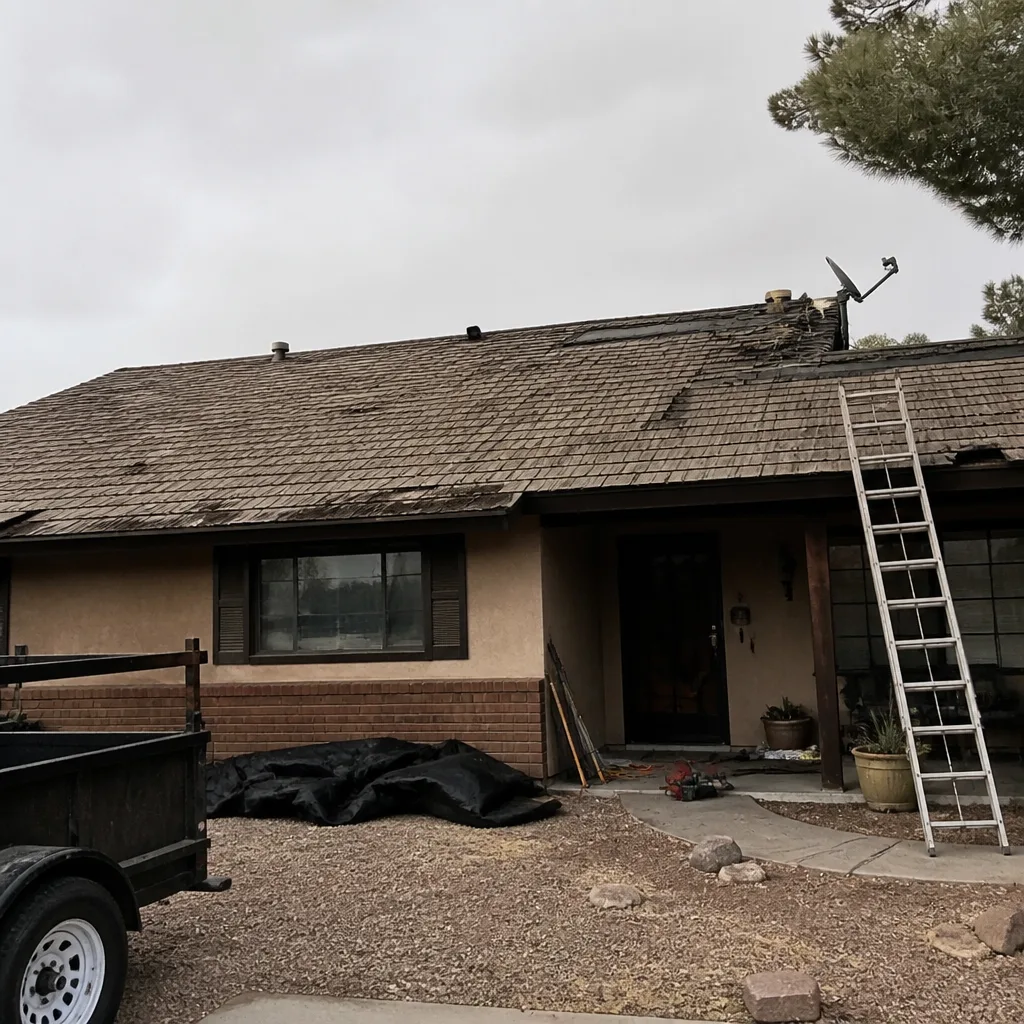 Before
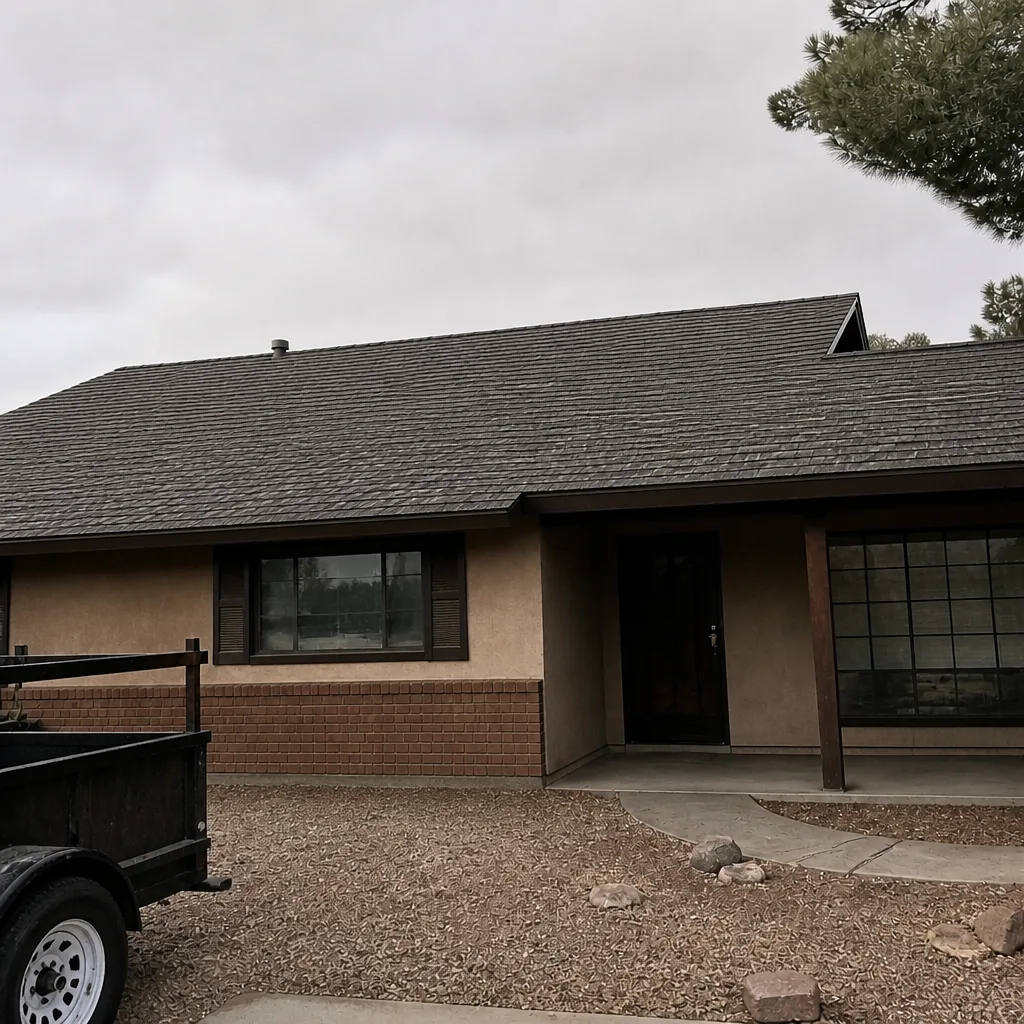 After
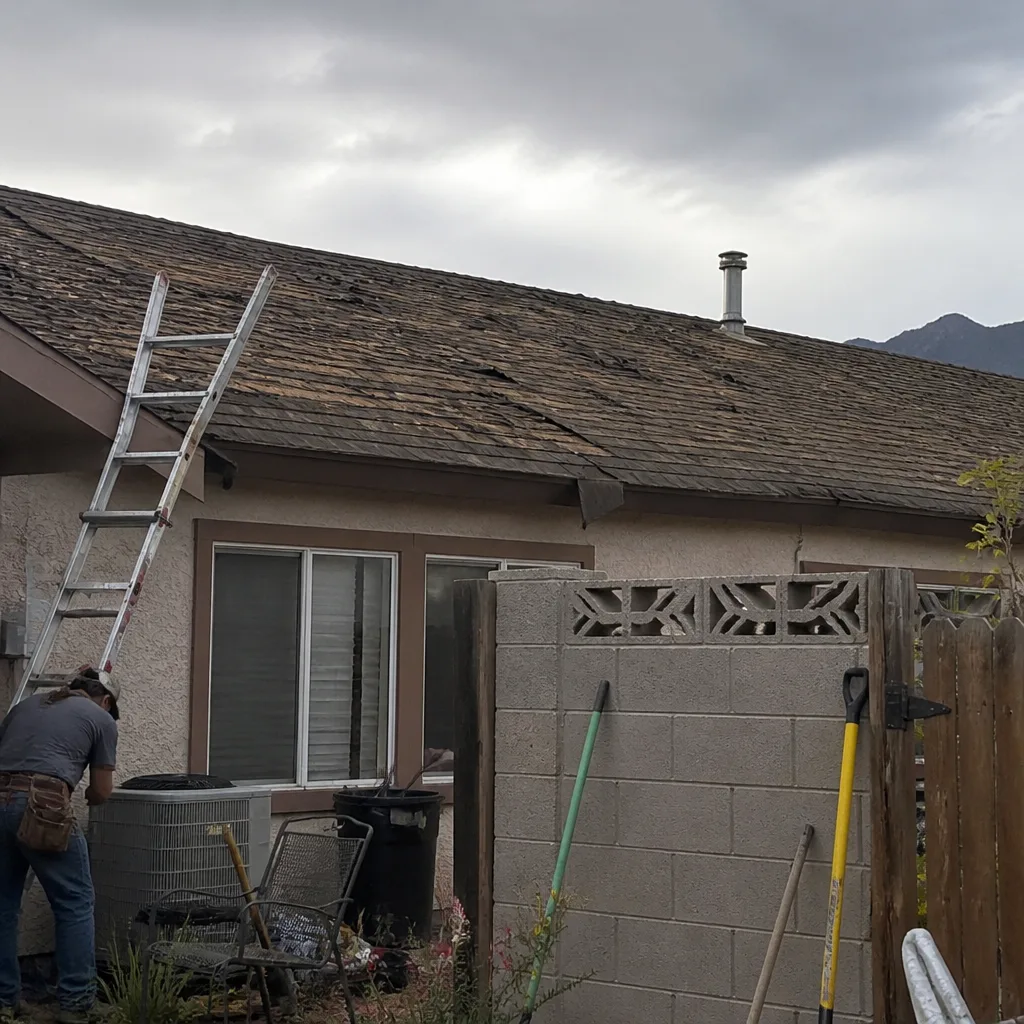 Before
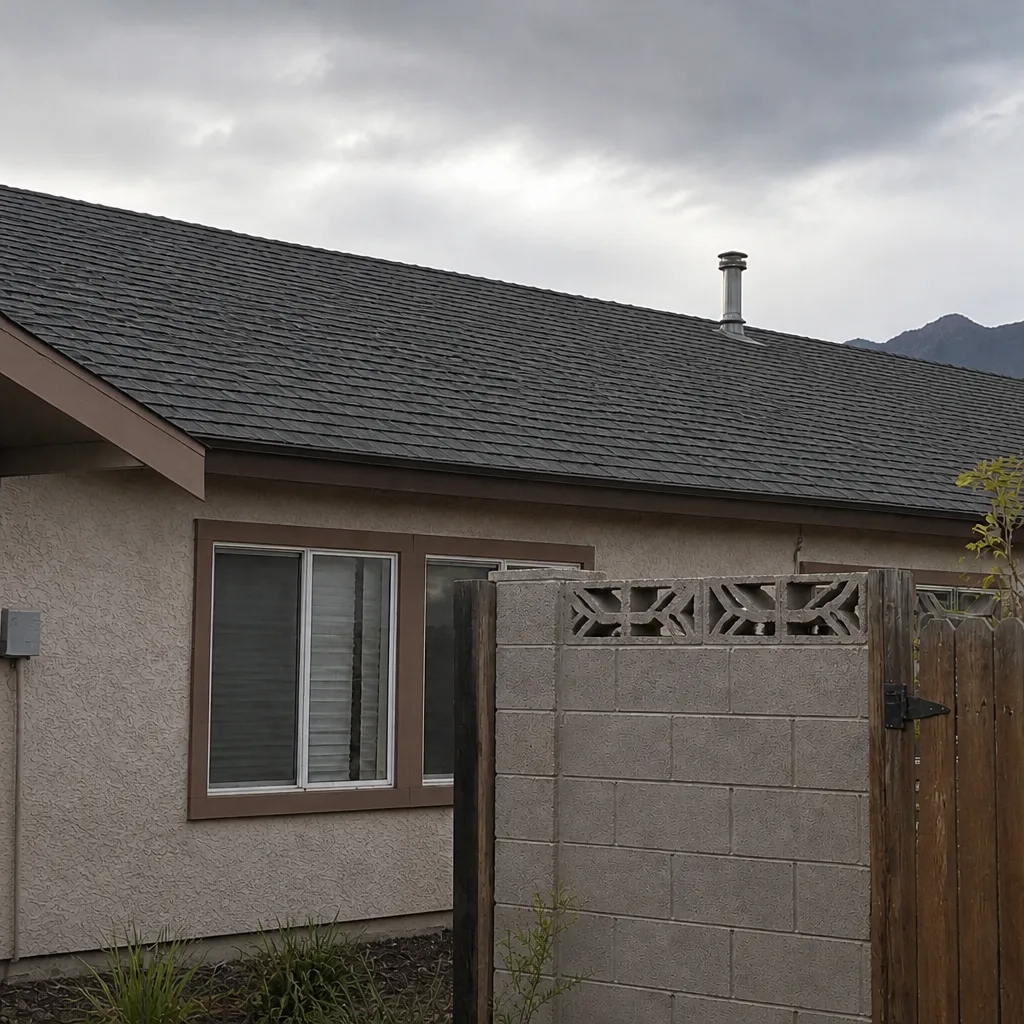 After
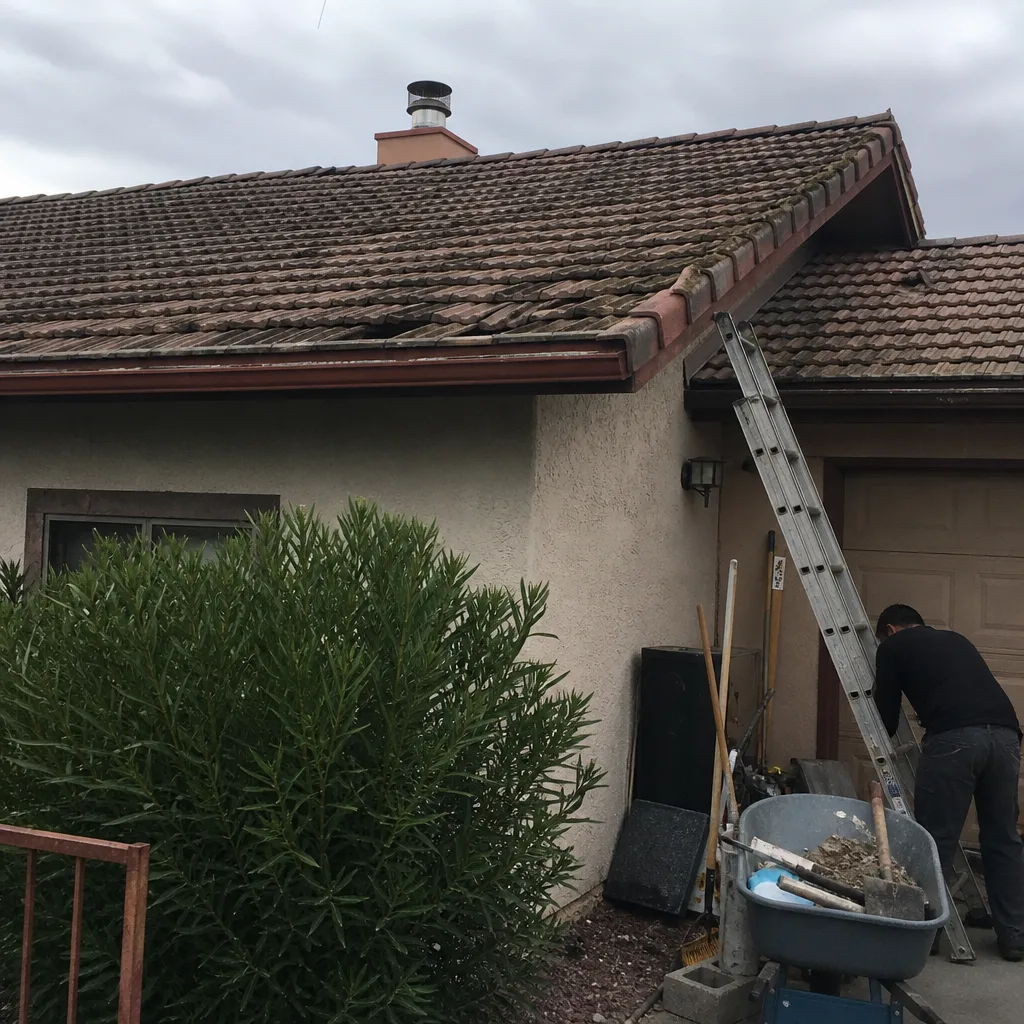 Before
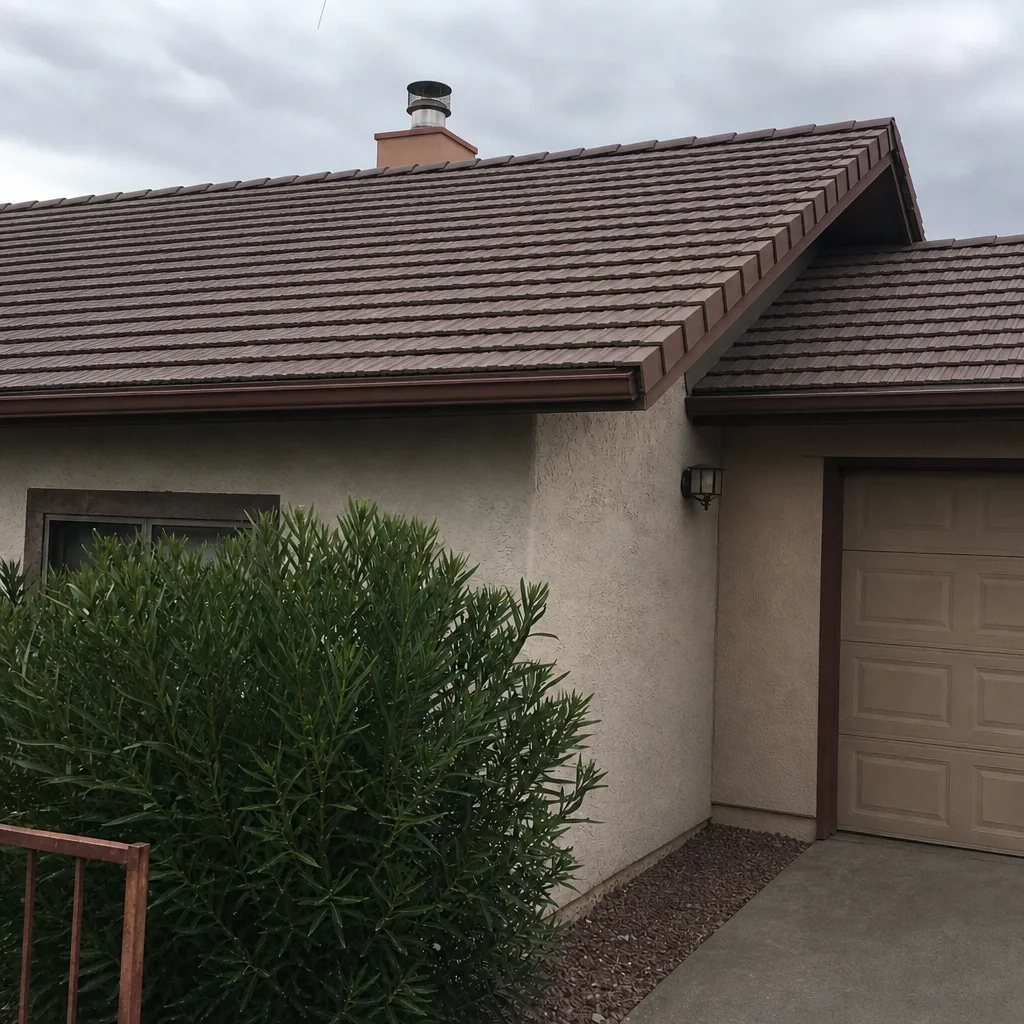 After
When to Call a Professional
Some problems are DIY-friendly: a loose gutter section, a downspout that’s come unclipped, a decorative piece. Others are not, and calling a professional early saves money. Call us if you see water stains on a ceiling or in the attic, if flashing has lifted, if a pipe boot is cracked, if granule loss is widespread across a slope, or if you’ve got caliche-related fascia separation and you can’t tell whether the roof or the foundation is the cause. Climbing on a steep or weathered roof is the highest-risk part of the job, and a fall from a two-story roof is a serious injury, so please don’t take on that part yourself. Shepherd & Sons Roofing Boulder City offers free estimates in Boulder City, with a licensed and insured crew, a written 90-Day Done Right Promise on every job, and a live person answering the phone 24/7. Call (844) 761-8186.
Frequently Asked Questions
Most roof repairs in Boulder City cost $350 to $1,800, with common jobs like pipe boot or flashing repair landing in the $275 to $900 range. Widespread UV damage or caliche-related decking work can push the total higher. Call (844) 761-8186 for an exact quote. Estimates are free.
Many repairs in Boulder City do require a permit through the Building & Safety Division, especially when the work affects the structure, the decking, or the roof’s footprint. Skipping the permit can void an insurance claim, so confirm before work starts. Call (844) 761-8186 and we’ll walk you through it.
Boulder City sits at higher elevation with more intense sun exposure than the valley floor, and the caliche under the soil here moves in ways it doesn’t in most of Las Vegas. That means UV damage and fascia separation both tend to show up ahead of the national warranty timelines. Call (844) 761-8186 for an inspection that accounts for it.
Not usually. Caliche movement under the slab can pull the fascia away from the wall, and it looks like a roof leak from the inside. If a repair doesn’t hold, the foundation is the place to look. Call (844) 761-8186 and we’ll tell you which one you’re dealing with.
Often yes. If the exact shingle line is discontinued, we can usually match closely for small repairs and be honest about the color difference up front. For larger areas, a slight mismatch may be more visible than the repair itself. Call (844) 761-8186 for a free second opinion on any written estimate.
Most small repairs are finished in a single visit of a few hours. Larger jobs that include decking replacement or fascia work can run a full day or longer. The written estimate includes the expected timeline. Call (844) 761-8186 to schedule a free estimate.
The Bottom Line
Roof repair in Boulder City is shaped by three things a generic guide won’t tell you: intense UV that ages shingles faster than national timelines predict, caliche movement that fakes a roof leak, and hard water mineral deposits that trap moisture on flat sections. Add the Building & Safety Division permit requirement, and you’ve got a repair job with real stakes for your insurance claim and your resale. The practical answer is to document damage with photos, get a written line-item estimate, and use a roofer with a local address and a license number you can look up. That’s the standard we hold ourselves to. Shepherd & Sons Roofing has been locally owned and owner-operated since 1996, with a published address and license number, a written 90-Day Done Right Promise on every job, no trip charge inside our own county, and a live person answering the phone around the clock. Visit the Shepherd & Sons Roofing Boulder City home page for the full picture, or call (844) 761-8186 to schedule your free estimate in Boulder City.
Written by the team at Shepherd & Sons Roofing Boulder City.