
Last updated November 17, 2026
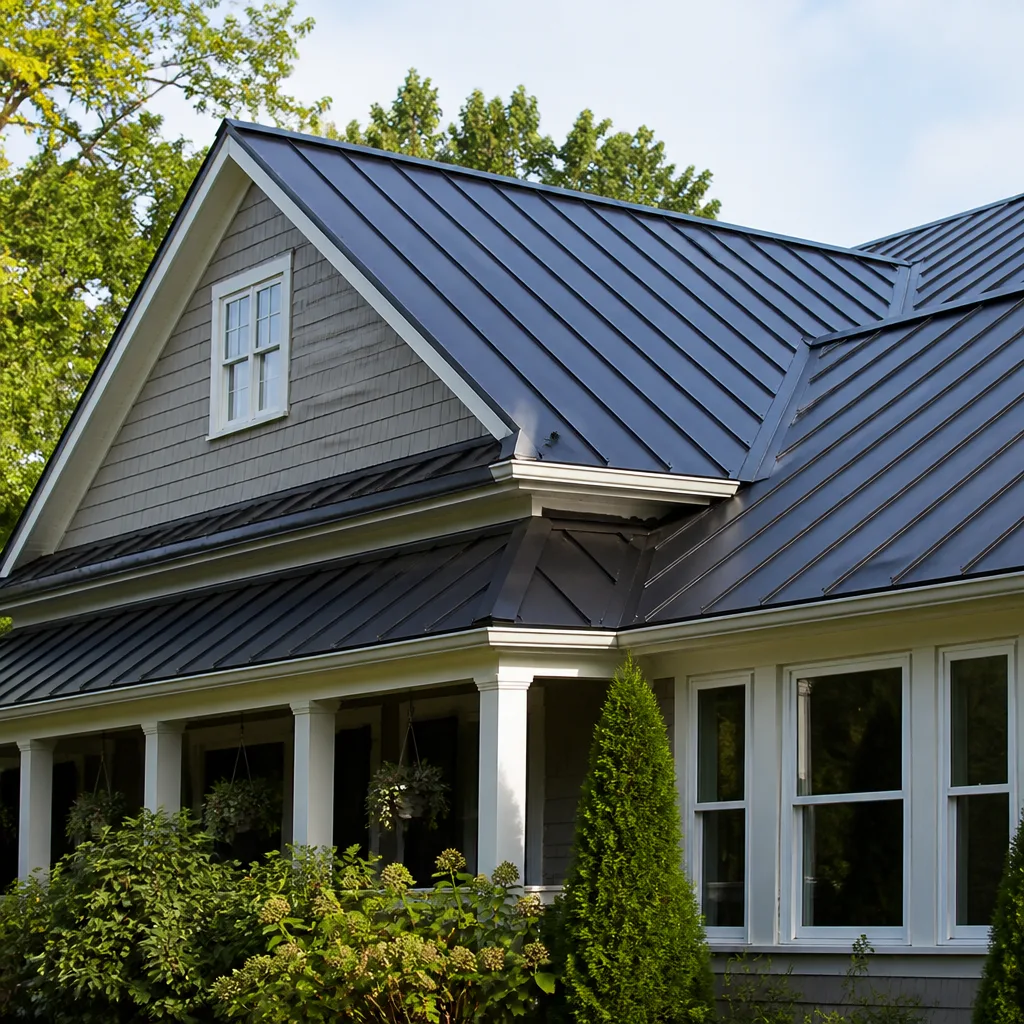 Metal roofing
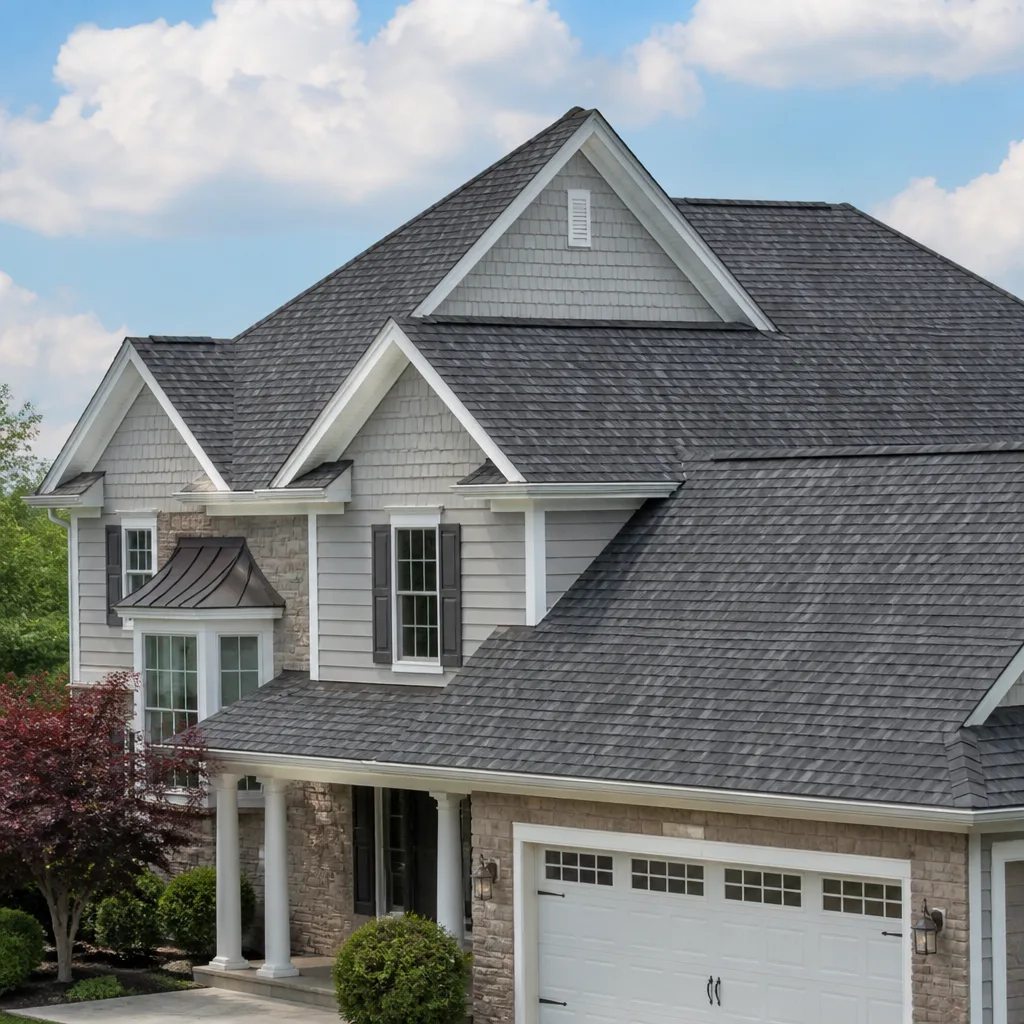 Architectural shingles
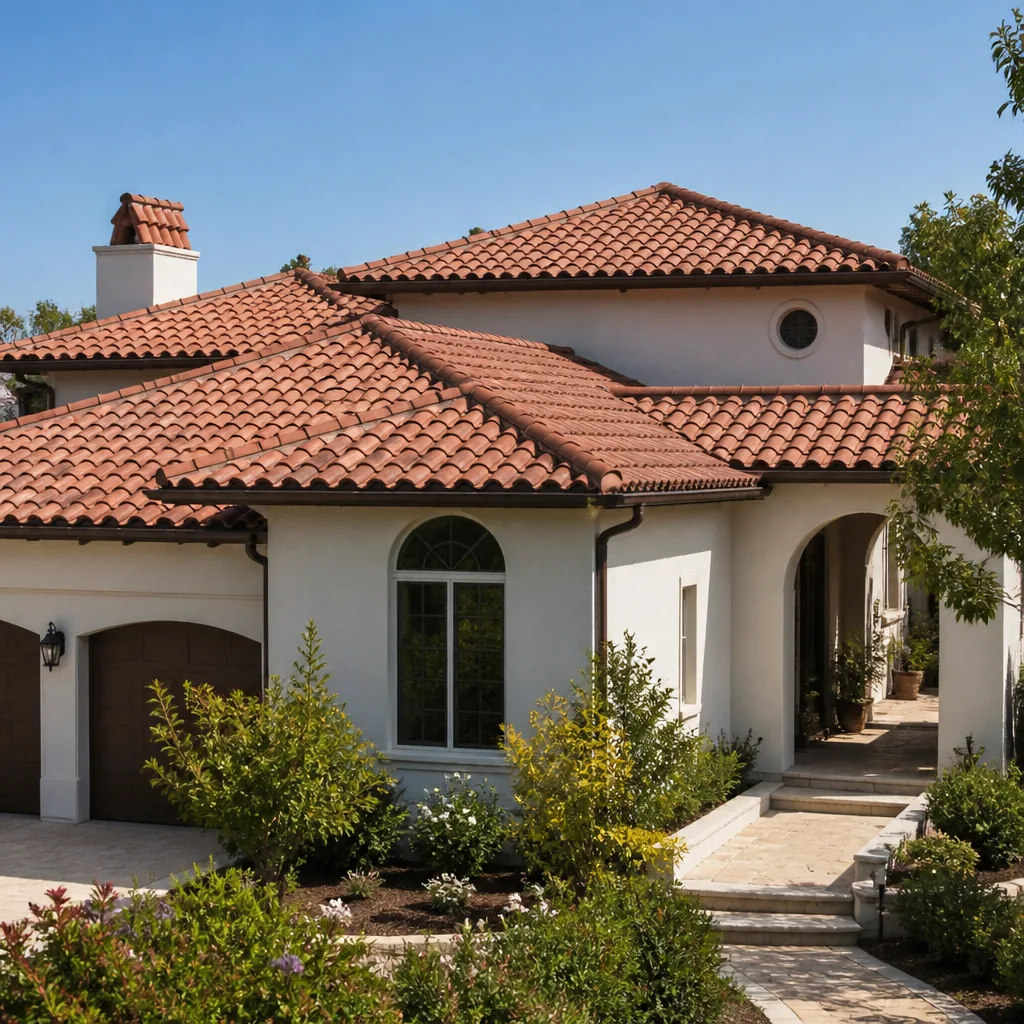 Tile roofing
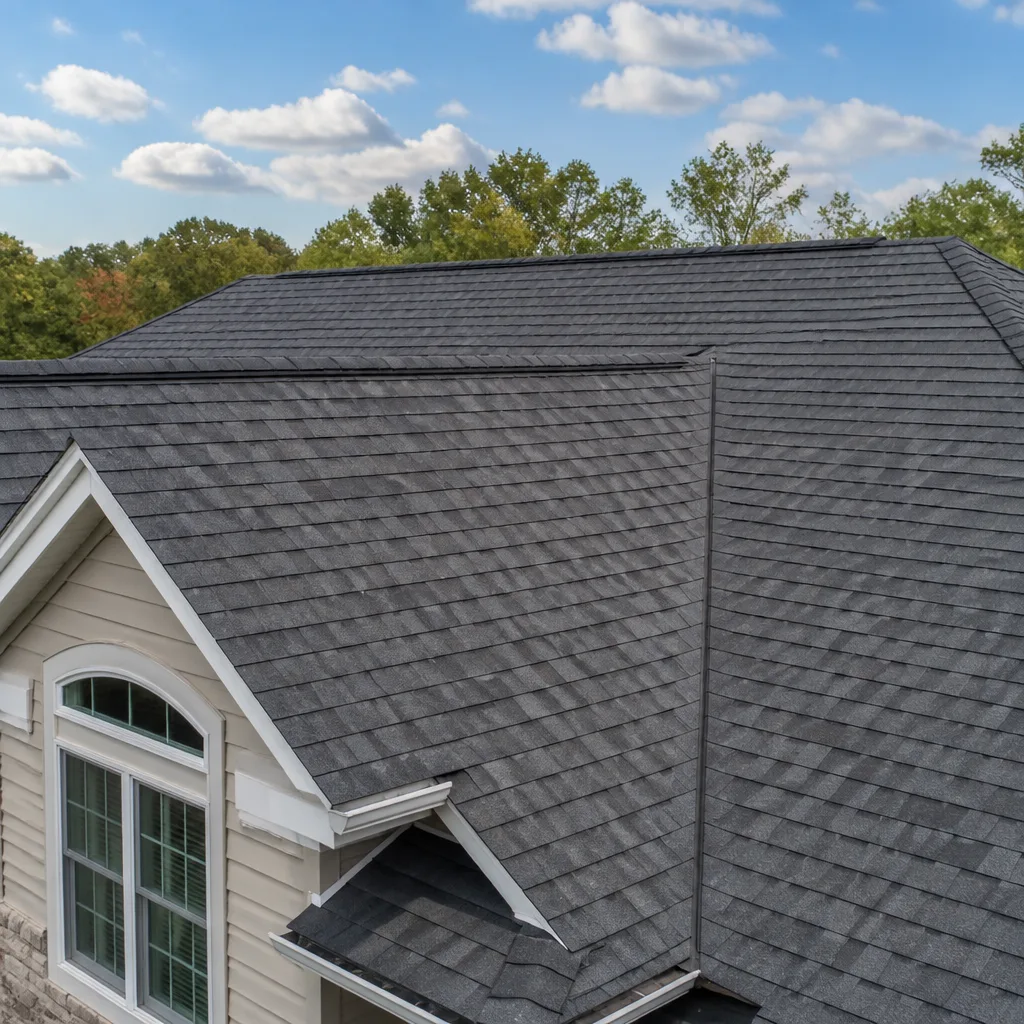 GAF
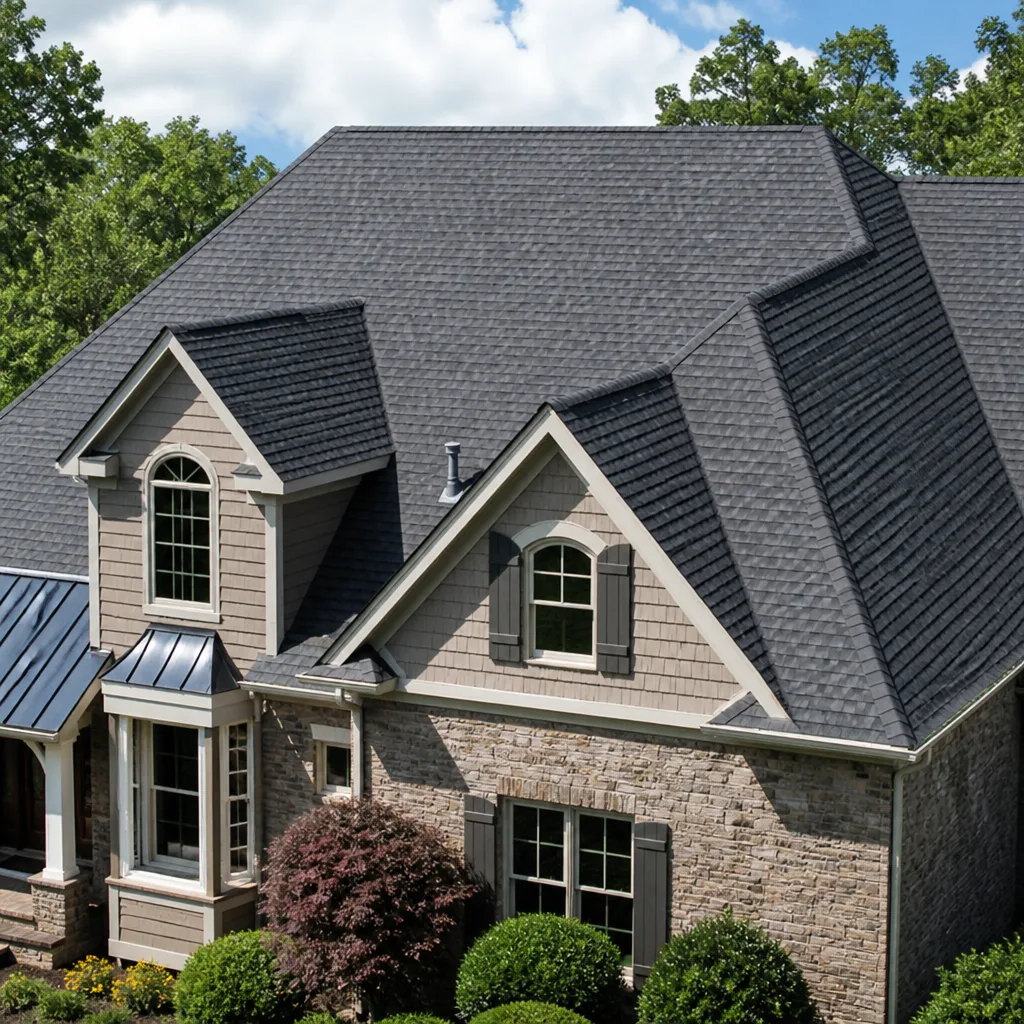 Owens Corning
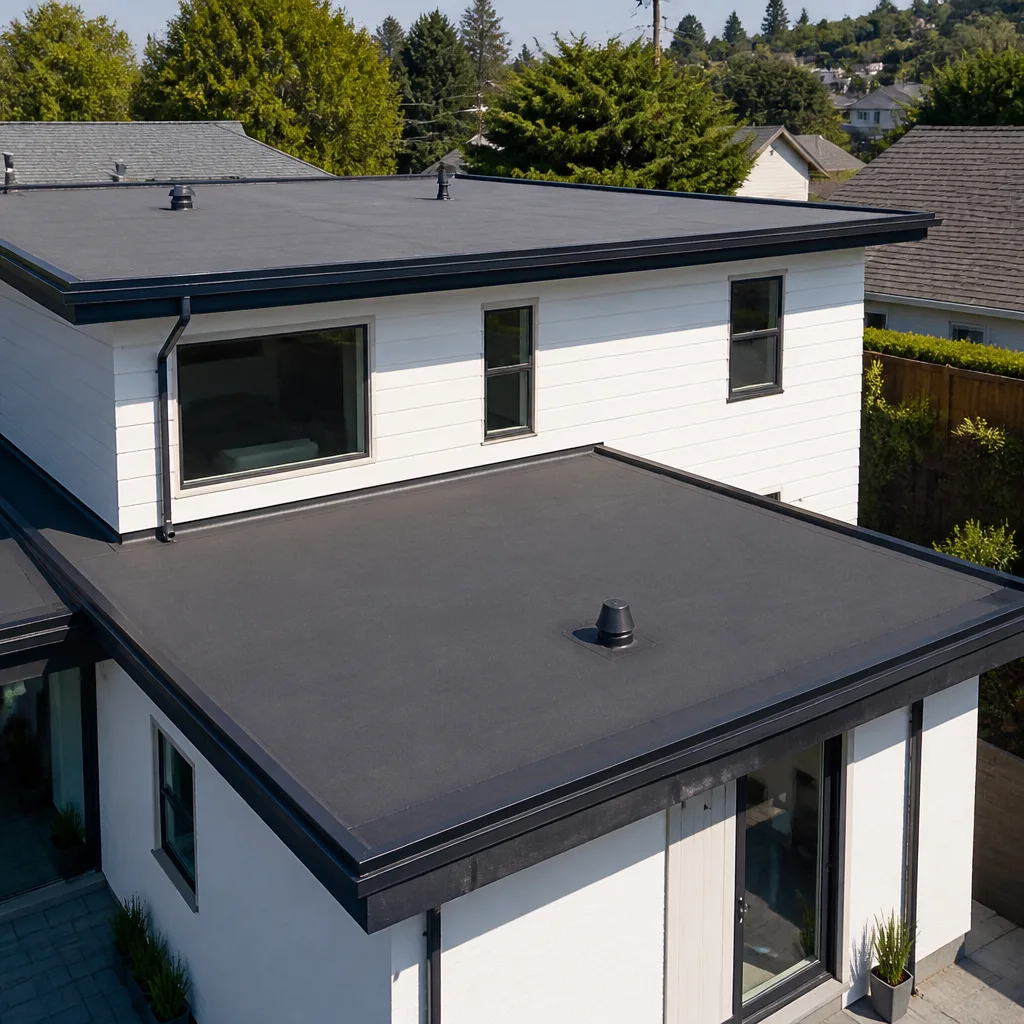 Flat & low-slope
Free roof inspection with deck photos before we talk money - GAF and Owens Corning certified installation
The Complete Specialty Roofing Guide for Boulder City Homeowners
Boulder City is one of the only cities in Nevada that still controls its own development. That single fact changes almost every specialty roofing decision here. The standing-seam metal roof your cousin put on in Henderson without a word from anyone might need a variance application before it touches your home in the historic district. HOAs here enforce material and color rules that most out-of-state crews have never read. And the desert itself – 115°F roof decks, hard UV, sudden monsoon walls of water – tests specialty materials in ways a generic guide written for the rest of the country won’t mention. This guide covers what actually matters for specialty roofing in Boulder City: which materials work here, which ones hit restrictions, what the permits require, and how to match a roof to the town’s Hoover Dam-era character without giving up performance. You’ll finish knowing how to ask better questions before anyone climbs a ladder.
Quick Answer
Specialty roofing in Boulder City means tile, metal, slate-style synthetic, and other non-asphalt systems chosen for heat, UV, wind, and historic character – and the right pick depends on where you live, because the historic district and local HOAs can restrict material and color. Most specialty systems here cost more up front than asphalt shingles but last longer and reflect far more heat. Before you sign anything, confirm the permit path and any district or HOA approval your address requires, because the material rules are local and they are enforced.
Styles & brands we work with
- Architectural shingles
- Metal roofing
- Tile roofing
- GAF
- Owens Corning
- Flat & low-slope
Table of Contents
- Which Specialty Roofing Materials Are Common in Boulder City?
- Which Materials Face HOA or Historic District Restrictions?
- How Desert UV, Monsoons, and 115°F Roof Decks Change Material Selection
- What Permits Does Boulder City Require for Specialty Roofing?
- Matching Specialty Roofing to Boulder City’s Architectural Character
- Why Out-of-State Storm Chasers Miss Local Covenants
- How to Choose a Specialty Roofer in Boulder City
- What Does Specialty Roofing Cost in Boulder City?
Which Specialty Roofing Materials Are Common in Boulder City?
Boulder City roofs are mostly one of four systems: clay or concrete tile, metal (standing seam and stone-coated steel), synthetic slate or shake, and high-end laminated asphalt shingles. Each one handles the local climate differently, and each one sits differently with the town’s rules.
- Clay and concrete tile. Tile is the classic desert roof. It sheds heat, handles UV without fading, and looks right on Spanish Colonial and Mission-style homes. The catch is weight – a tile roof can run two to three times the weight of asphalt – so the framing has to carry it, and older Boulder City homes need a structural look before anyone sets a single tile.
- Standing-seam metal. Metal panels reflect solar gain and handle the flash monsoon runoff better than almost anything. We install metal from Owens Corning and other name brands. The panels are long-lived, but the color and profile can trip historic district review.
- Stone-coated steel. This is the tile look on a metal roof – lighter than real tile, with the profile of barrel or shake. It’s popular here for homeowners who want the historic look without the structural load of clay.
- Synthetic slate and shake. These look like the real thing and shrug off UV far better than their natural counterparts. They’re a strong fit where the look matters but the budget needs to stay reasonable.
- Premium asphalt. High-end laminated shingles from IKO, Atlas, and Tamko remain the workhorse. They’re not “specialty” in the traditional sense, but a top-tier architectural shingle is a legitimate choice for Boulder City homes outside the historic district.
What we’ve learned: the material is only half the decision. The other half is whether the town and your HOA will let you put it on the house. That’s covered next.
Which Materials Face HOA or Historic District Restrictions?
Here’s the part most guides skip. Boulder City governs its own development, which means roofing materials are not a private, do-whatever-you-want decision. The historic district and the local HOAs both have a say, and the rules differ by address.
The historic district – roughly the older neighborhoods near downtown and the dam-era core – carries design review for visible changes, and that includes roof material and color. What tends to clear review: tile in clay, terracotta, and muted earth tones; synthetic slate and shake that read as natural; metal in subdued colors rather than bright or reflective finishes. What often gets flagged: vivid metal colors, exposed fastener panels, and materials that read as obviously modern next to the older homes. If your property sits in the district, a variance or design review application may be part of the job before a single panel goes up.
HOAs around Boulder City enforce their own covenants. Some are strict about material (asphalt-only in some subdivisions, metal-only in others) and nearly all of them care about color. The friendly-looking gray that looked fine at the supplier can violate a covenant nobody mentioned at signing.
What we’ve seen: a homeowner in an HOA subdivision gets a fast, cheap quote from a crew passing through, the roof goes on in a weekend, and three weeks later the covenant violation letter arrives. The crew is gone. A material that has to come back off a roof in the desert summer is an expensive lesson.
Before you buy anything, do these three things:
- Ask your HOA for its current roofing material and color rules in writing.
- If you’re in or near the historic district, ask the city whether your address triggers design review, and what the review needs from you.
- Ask any bidder to put the material and color approval in the written estimate, in writing, before the dumpster arrives.
How Desert UV, Monsoons, and 115°F Roof Decks Change Material Selection
This is where a national guide misses the point. Boulder City’s roof environment is more punishing than most of the county. The sun is unforgiving – UV here fades, chalks, and cracks materials that survive elsewhere for a decade longer. The summer deck temperature can push 115°F or higher, and heat cycling through the day pulls at every seam, valley, and fastener. Then the monsoon arrives in sudden, hard walls of water, and water gets into places the climate never tested anywhere else.
What that means for materials:
- UV stability rules. Materials with cooler-rated finishes and rated solar reflectance matter more than budget appeal. Faded asphalt in this sun looks worn years sooner than the same product in a milder climate.
- Heat cycling at seams. Metal and synthetic panels live and die by their fasteners and seams. A panel that moves through thousands of day-night heat cycles needs a nailing and fastening pattern that accounts for it.
- Monsoon shedding. Boulder City rain is rare but violent. Metal and tile both handle drainage well, but the underlayment, flashing, and valleys do the real work when the storm hits. The material matters less than the detailing.
- Weight on the frame. Tile is heavy. A 115°F deck is not where you discover your framing can’t carry the load.
- What’s under it. Desert roofs are unforgiving to cheap underlayment and thin vents. UV attacks them, heat cooks them, and the monsoon finds the weak spot. Good specialty work includes rethinking the whole stack, not just the skin.
We’ve seen roofs here age twice as fast as the same product on the coast, and we’ve also seen well-specified roofs still going strong after long runs in the sun. The difference is usually the spec and the installation – not the label.
What Permits Does Boulder City Require for Specialty Roofing?
Roofing permits in Boulder City are more local than most homeowners expect. If your address is in the historic district, the design review process can run alongside the permit. If your HOA has its own process, that runs too. The material review and the building permit are separate steps, and a reroof requires both when the address triggers them.
Skipping the permit to save time is a bad trade here. What happens if a specialty roof goes on without the required approvals:
- Compliance letters arrive after the job. The city or HOA can require the roof to be altered, replaced, or removed. That’s your money, on a system that’s already installed.
- Resale gets messy. A material change with no record gets flagged in a sale, title or disclosure, and the buyer wants it fixed or credited. In a small town, that paperwork follows the house.
- Insurance and repairs get complicated. When the storm damage claim or repair needs the record, it helps to have it.
- The warranty can be voided. A permitless install can void the manufacturer’s coverage on materials that cost real money.
What a properly permitted job looks like:
- HOA material and color approval secured first, in writing.
- Historic district design review submitted, where the address triggers it.
- Building permit pulled for the reroof.
- Final inspection passed, paperwork handed to you at the end.
Permit work is not the part to cut on a specialty roof. A written estimate should say who is pulling the permit and who handles the final inspection.
Matching Specialty Roofing to Boulder City’s Architectural Character
Boulder City was built as the town for the dam. That history is real in the streets: the older homes carry Spanish Colonial, Mission-style, and modest mid-century ranch lines, often with tile or simple composition roofs. The character matters – it’s what makes the town worth the drive – and it’s also part of the property’s value. A bright modern metal panel dropped onto a dam-era home can look like a modern roof fighting the house.
The good news: historic character and modern performance are not in conflict. Here’s how specialty materials fit the neighborhood:
- Make the profile match first. Barrel tile, shake, and slate profiles read right on older homes. A modern panel that mimics them does double duty – the look people expect and the performance of steel.
- Get the color close to the era. Earth tones, muted clay, weathered gray, and natural shakes fit the town’s look. Bright, reflective, or unusual colors belong mostly to neutral areas.
- Match the pitch and scale. Big panels on a small hip roof look like the wrong vehicle. A specialty pro sizes panels and courses to the roof, not the catalogue.
- Keep the details. Gables, vents, and ridges carry a lot of a house’s character. The specialty install keeps the architectural trim in proportion.
- Plan the underlayment and flashing with the material. Historic homes tend to have quirks at the junctions. Specialty work that respects them protects both the look and the house.
Our rule of thumb: a specialty roof should read as if it always belonged there. If you want the look of the town’s history with today’s performance, that’s a conversation to have before you order material, not after.
Why Out-of-State Storm Chasers Miss Local Covenants
After every big monsoon or hail season, the trucks pour in. Out-of-state storm chasers work the neighborhoods, quote a specialty roof on the spot, and they’re on the road before the inspection. They often do reasonable work. The problem is what they don’t know.
What a storm chaser misses here:
- Boulder City’s material and design review rules. They don’t know that the historic district triggers a design review when the material is changed. They don’t know what clears the review. They put on what’s on the truck.
- Local HOA covenants. The color the homeowner agreed to can be the color the HOA makes them take down.
- Permit paths. They may not pull the permit or pass inspection. The homeowner is the one holding the compliance letter, not the crew that left town.
- The local climate details. The monsoon, UV, and heat cycling patterns are not the same as the coast. A one-size install is a one-size guess.
- Who comes back. After the storm and the covenant and the repair, a crew that has already shifted its operation to another state is not the one you can call.
The hard part of the storm-chaser problem isn’t the half of it you can see. It’s the compliance problem that lands after the storm is long gone. When the HOA or the city flags a specialty roof, you want the same name and address and license number on call. That’s the choice a fair number of homeowners make after one round with a truck that left town.
How to Choose a Specialty Roofer in Boulder City
Choosing well comes down to five things you can check before you sign.
- Ask for the deck photos. A fair bidder shows you what’s under the shingles before you talk money. Specialty work needs it more than asphalt because the underlayment and deck condition are what the whole system rests on.
- Ask them to walk you through material and color for your address. A pro knows the HOA and historic district process. A one-size answer is a warning sign.
- Ask about permits and inspections. “We’ll pull it” should be followed by a written plan for what gets inspected and what happens at the end.
- Get a written, line-item quote. Material, tear-off, underlayment, flashing, vents, and the permit line should be visible. Ask what could change and get it in writing.
- Know who is accountable. A local address and a license number you can look up means someone in town is on the roof and answers the phone. Standard brand names – Owens Corning, IKO, Atlas, Tamko – are nameable and warrantable, not mystery materials.
A free second opinion on any written estimate is worth having. It costs nothing to compare a line-item bid against a real local read of the same roof. It also tells you whether the material and color you’re being sold will actually clear your HOA and your district.
What Does Specialty Roofing Cost in Boulder City?
Specialty roofing in Boulder City runs from about $8 to $22 per square foot installed, and the spread is real because the material and the approval path both drive the number. These are typical ranges, not quotes – every roof is different.
| System | Typical installed range (per sq ft) | Notes |
|---|---|---|
| Standing-seam metal | $12 – $22 | Color and profile can trigger district review; longest-lived of the common local options |
| Clay or concrete tile | $10 – $20 | Heavy; structural check needed on older homes |
| Stone-coated steel | $9 – $16 | Tile look without the load |
| Synthetic slate / shake | $8 – $16 | Strong UV performance; good historic fit |
| Premium architectural asphalt | $6 – $11 | Most competitive on price; check HOA covenants before choosing |
A few things move the number more than the material choice:
- The approval path. Historic district review and HOA approvals add time and sometimes cost. Budget for it up front.
- Deck condition. A desert deck that’s cooked and soft adds repair before the new roof goes on.
- Underlayment and flashing. In the monsoon, these decide how the system performs. Skipping them isn’t savings.
- Complexity of the roof. Valleys, hips, and old-house junctions all affect labor.
A fair bidder gives you the line-item number before anyone touches the roof, not a phone number that changes at the door. Our roof replacement & installation service in Boulder City and metal roofing in Boulder City are quoted that way, with the material and color approval spelled out. If you’re comparing bids, start with a roof repair in Boulder City as a second opinion on what actually needs replacing. And if you want the whole picture on how we work, start from the Shepherd & Sons Roofing Boulder City home page.
Common Mistakes to Avoid
- Buying the material before checking the HOA or the district. The fastest path to a covenant letter is ordering the most visible material on the street. Get the rules in writing first.
- Skipping the permit to save a week. The specialty roof with no record becomes a resale problem and a repair problem. The inspection is not the place to save money.
- Assuming the material that worked in Henderson works here. Boulder City controls its own development. The same question asked at a different address can have a different answer.
- Taking a one-number phone quote. A specialty bid has too many parts – tear-off, underlayment, deck, approval – to be one number. Ask for line items.
- Ignoring the underlayment and flashing while upgrading the skin. Desert UV attacks these first and the monsoon finds every gap. The system under the material is what keeps the roof dry.
- Putting heavy tile on a frame nobody checked. A 115°F deck is not where the load problem should surface. Structural review comes before material, not after.
- Hiring a crew that won’t be around after the storm. A truck that leaves before the inspection is the one that leaves you holding the compliance letter.
See the difference
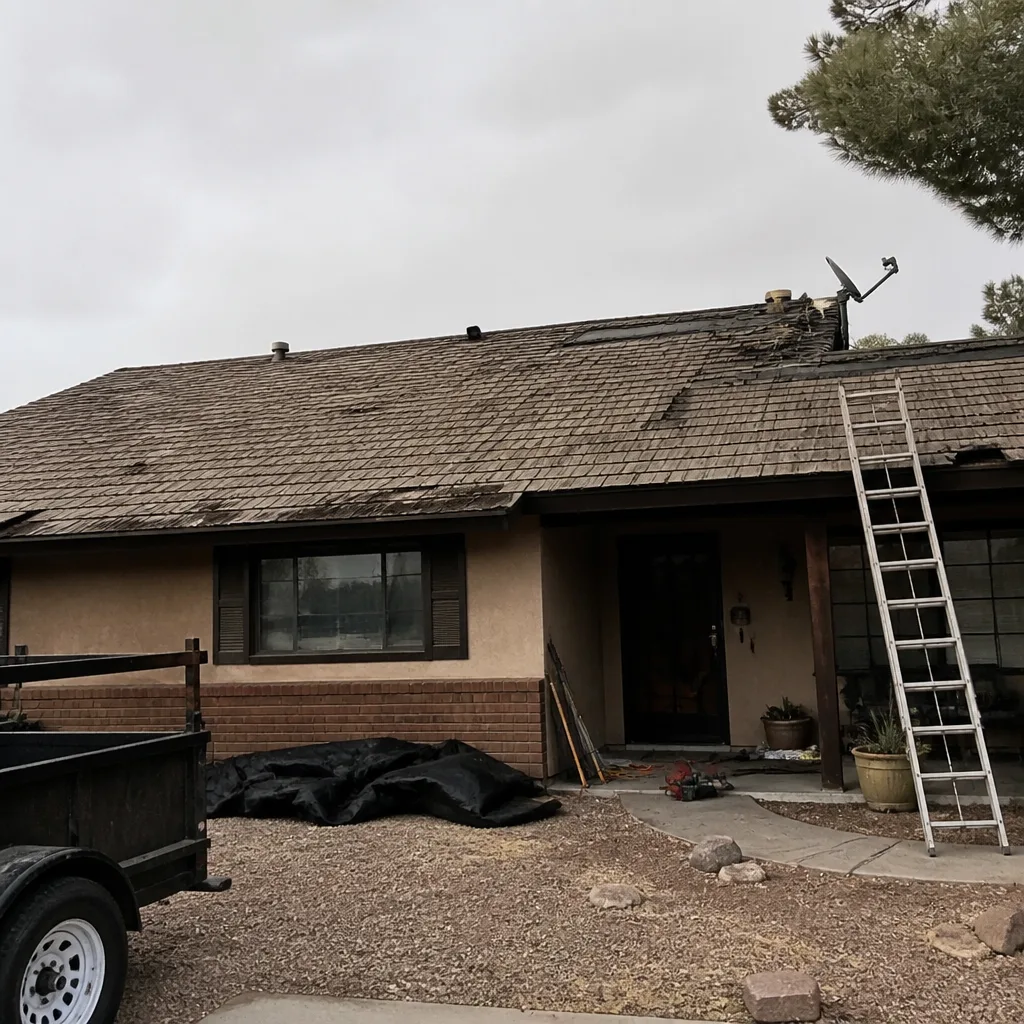 Before
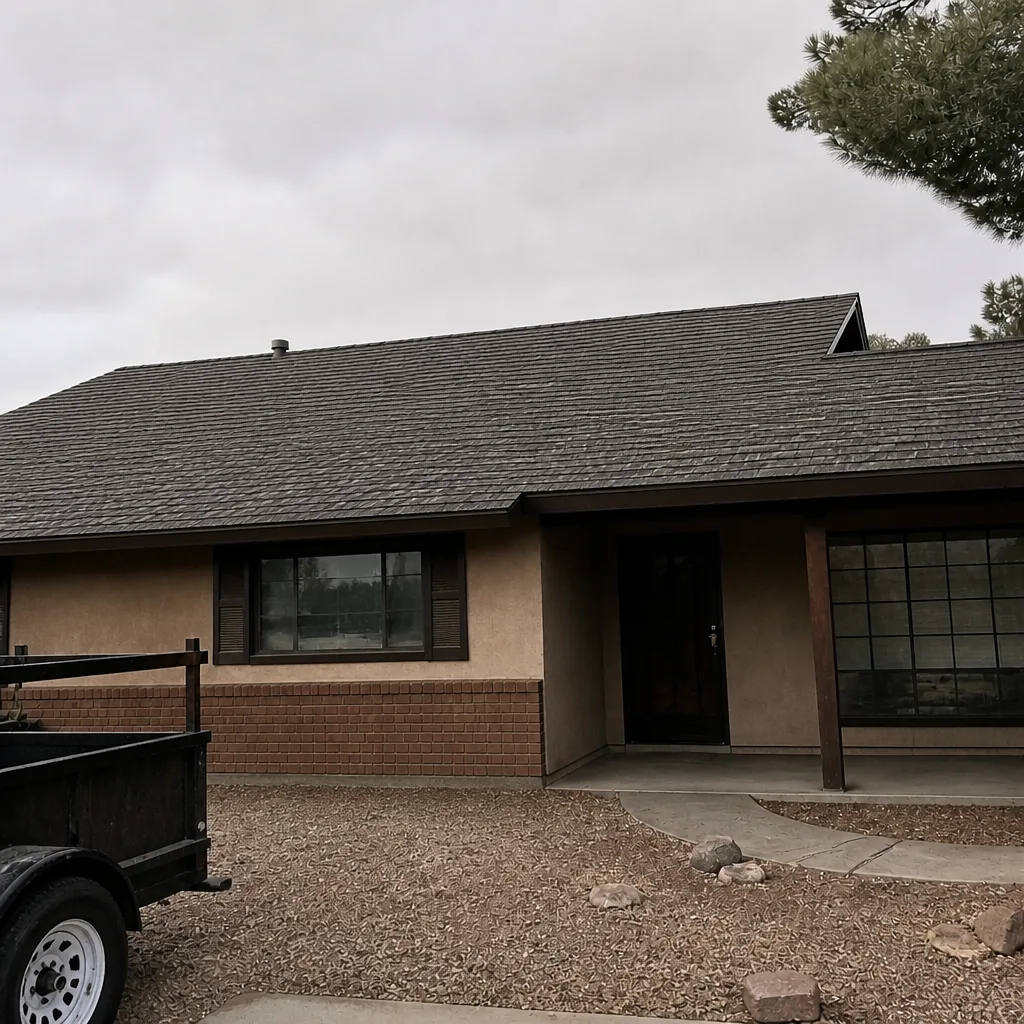 After
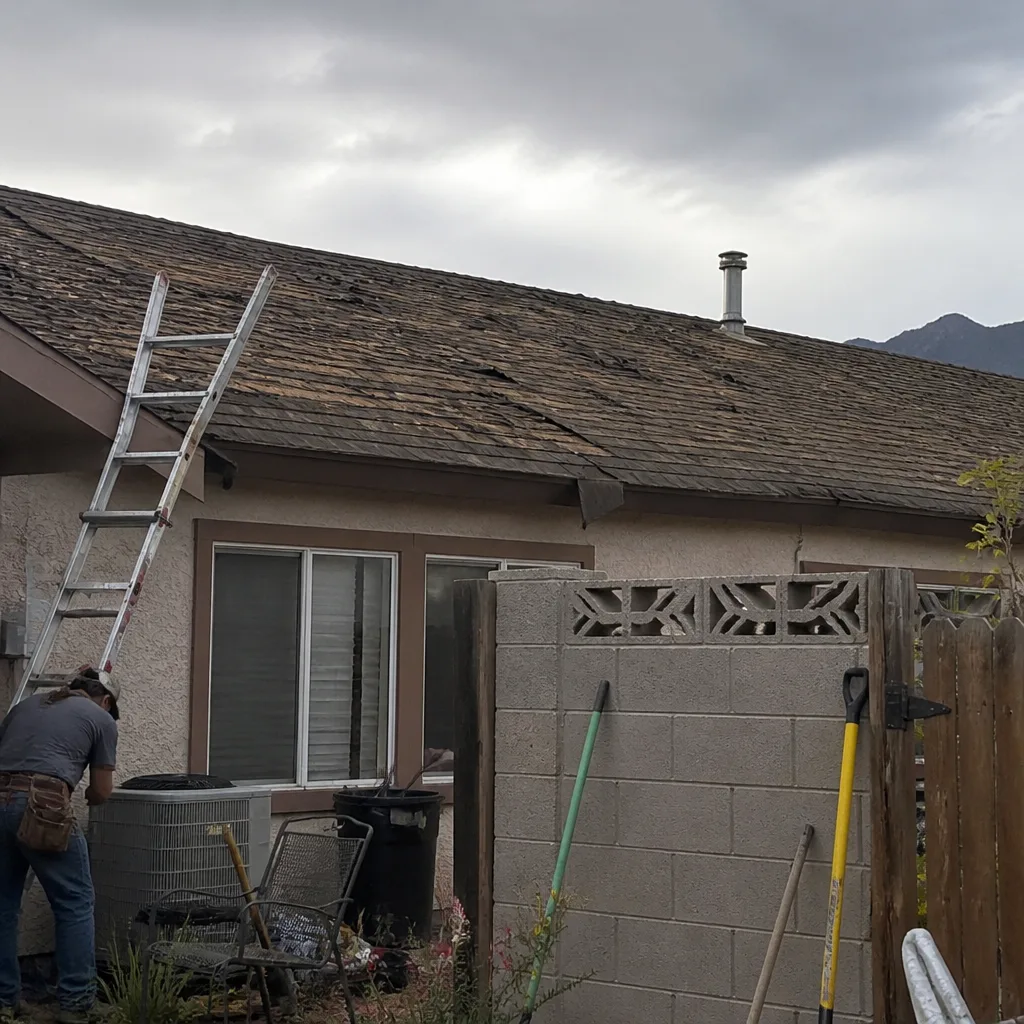 Before
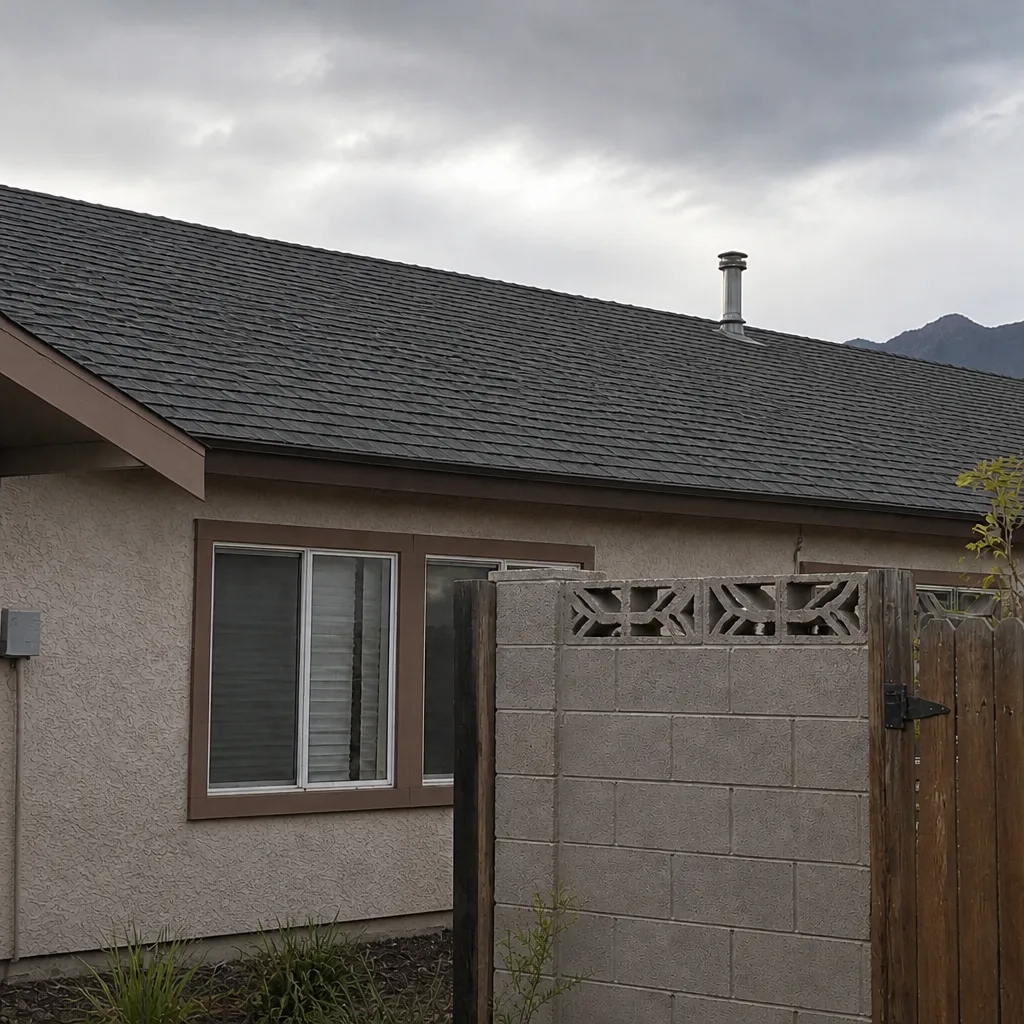 After
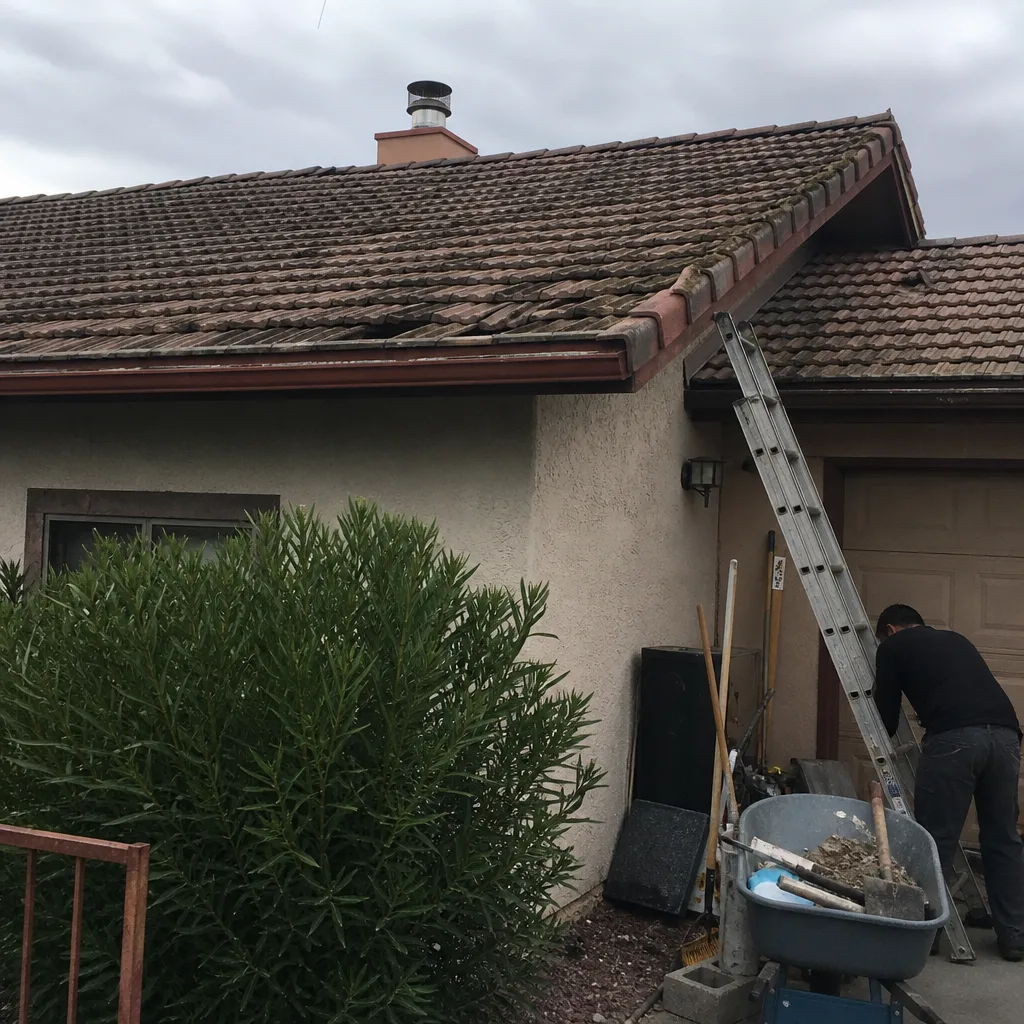 Before
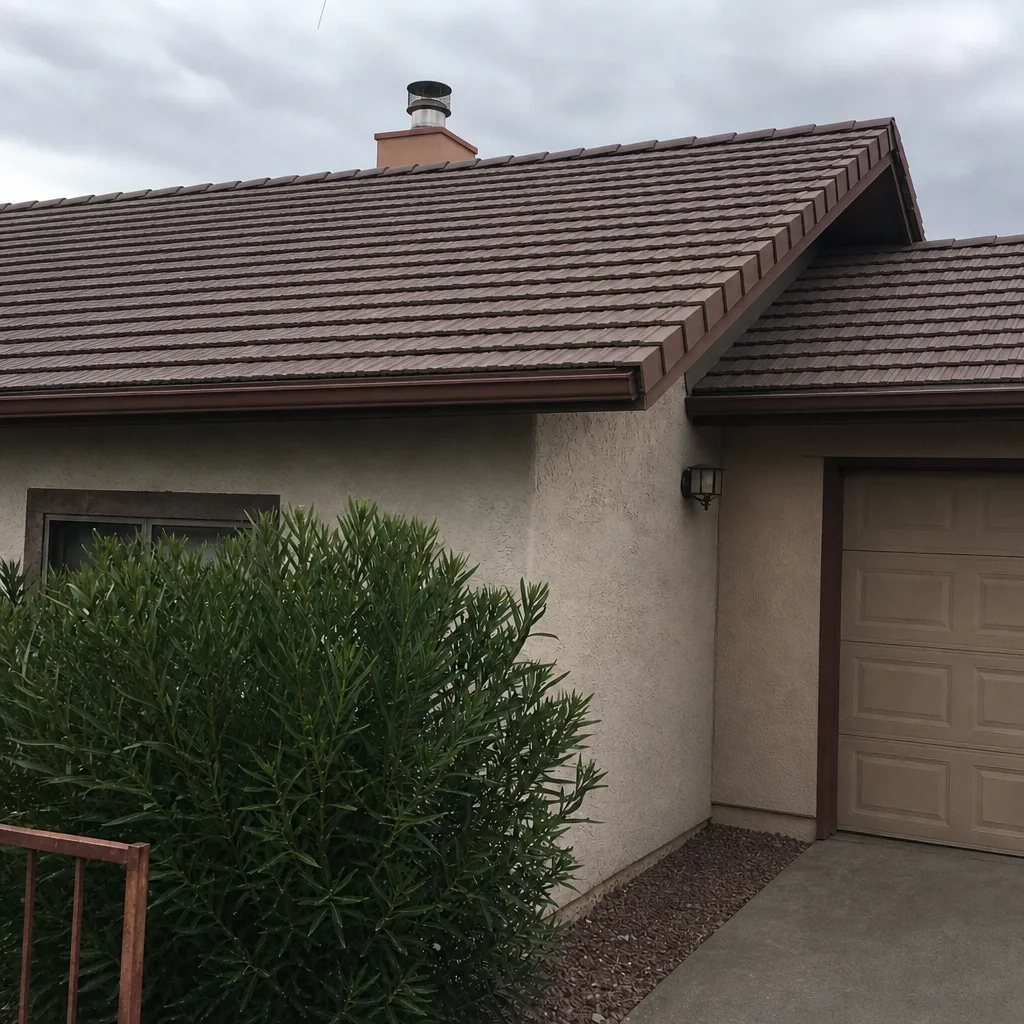 After
When to Call a Professional
Call a specialty roofer when you’re deciding on a material for a home in the historic district or under an HOA, because the approval path needs to be planned around. Call when you’re replacing a tile roof and need to know what the framing will carry. Call when a metal panel, tile course, or slate has blown loose and the monsoon is a week away. Call after a storm if you’re not sure whether the damage is cosmetic or structural, and call before you agree to any number that a passing crew gives you at the door. Specialty work is not the place to learn by doing. Shepherd & Sons Roofing Boulder City offers free estimates in Boulder City, and a free second opinion on any written estimate you already have. Call (844) 761-8186 and we’ll take a look.
Frequently Asked Questions
Standing-seam metal and clay or concrete tile are the strongest fits for Boulder City because both handle UV, heat, and monsoon runoff well, but the best choice depends on your address. Where the historic district or your HOA restricts material or color, a tile-look metal or synthetic slate can deliver the performance with a profile that clears review. Get the approval path settled before you pick the material.
Yes, a reroof in Boulder City requires a building permit, and addresses in the historic district can also trigger design review when the material or color changes. Your HOA may run a separate approval process on top of that. A written estimate should say who pulls the permit and who handles the final inspection. Call (844) 761-8186 for a free estimate that spells out the permit path.
Yes, an HOA can require a roof to be altered or removed if it violates the covenants, and that’s the homeowner’s cost, not the crew’s. That’s why the material and color approval should be in writing before the job starts. A local roofer will treat the HOA approval as part of the job, not an afterthought.
Specialty roofing in Boulder City typically runs from about $8 to $22 per square foot installed, depending on the system and the approval path. Metal and tile sit at the high end; synthetic slate and premium asphalt run lower. Call (844) 761-8186 for an exact line-item quote – estimates are free.
A well-specified specialty roof in Boulder City will outlast asphalt by a wide margin, but the sun is punishing and lifespan depends on the material, the underlayment, and the installation details. UV and 115°F heat cycling age every system faster than in milder climates, which is why the spec and the flashing matter as much as the label. We’ll give you a realistic read on your specific roof rather than a catalogue number.
Not if the bid is done right. A fair specialty estimate names the material, tear-off, underlayment, flashing, and permit line up front, and it accounts for the HOA and district path before the job starts. If the deck is soft once it’s opened, you should hear about it with photos and a written number before anyone proceeds. Ask for a free second opinion on any written estimate you already have.
The Bottom Line
Boulder City’s specialty roofing decisions are local decisions. The historic district, the HOAs, the dam-era architecture, the UV, the heat cycling, and the monsoon all shape which material belongs on your roof – and a generic guide or a passing storm chaser won’t account for any of it. The material matters, but the approval path, the permit, and the install details matter just as much. Get the rules in writing, get a line-item bid, and work with someone whose address and license you can actually look up. Call (844) 761-8186 for a free estimate.
Written by the team at Shepherd & Sons Roofing Boulder City.