
Last updated November 17, 2026
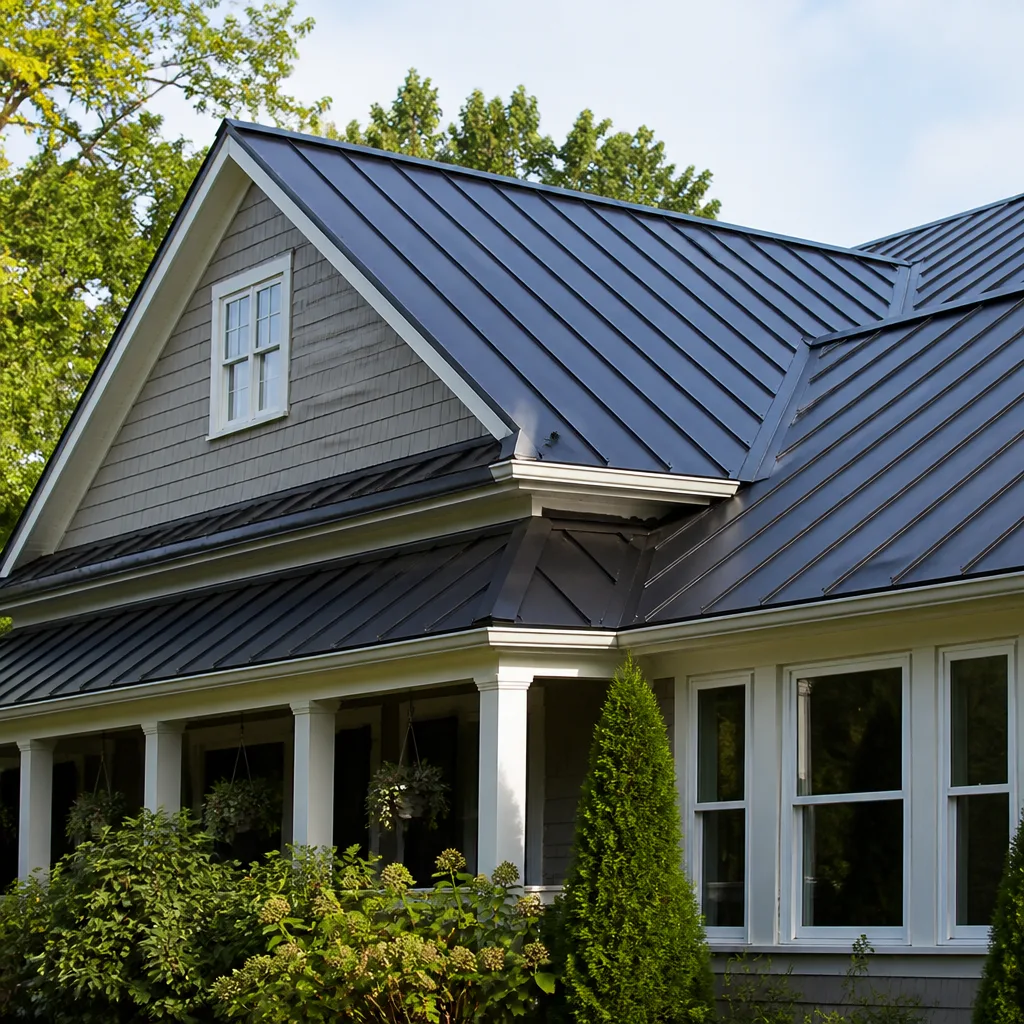 Metal roofing
 Architectural shingles
 Tile roofing
 GAF
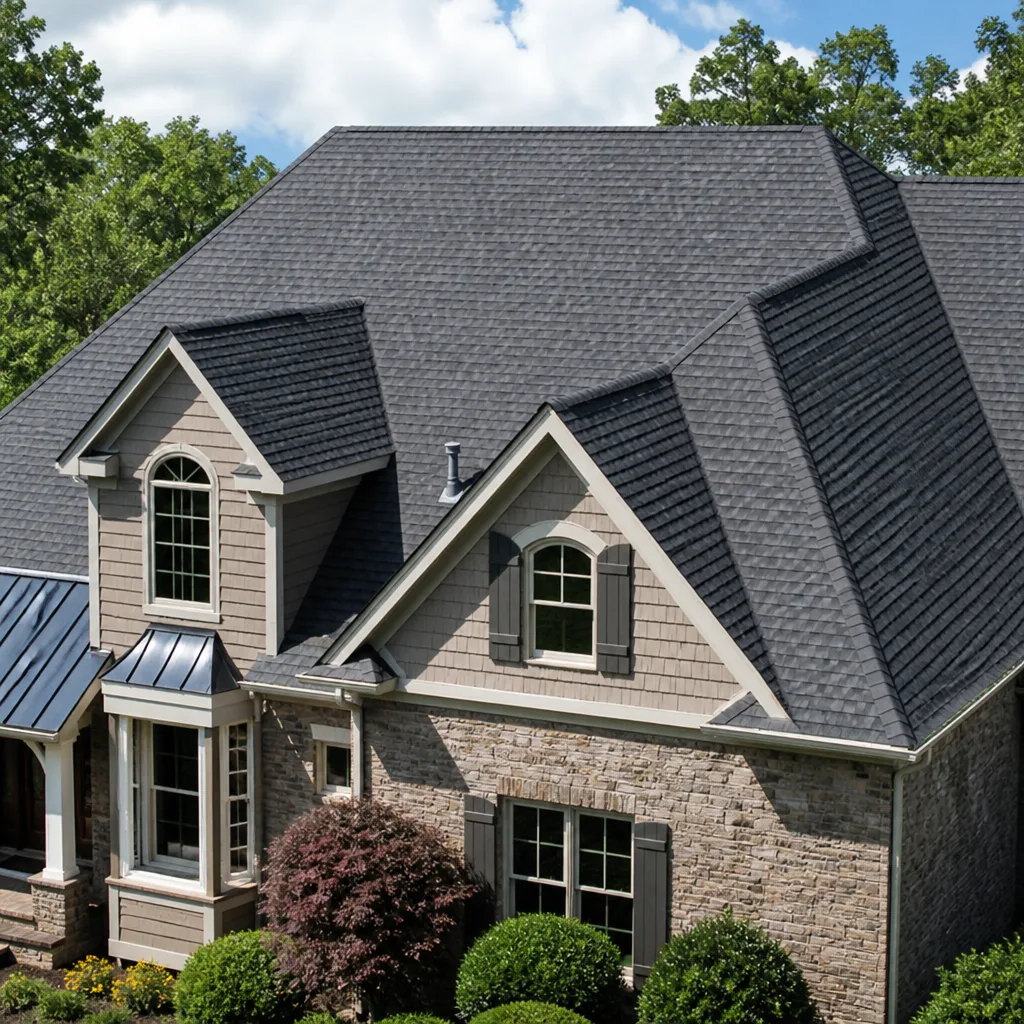 Owens Corning
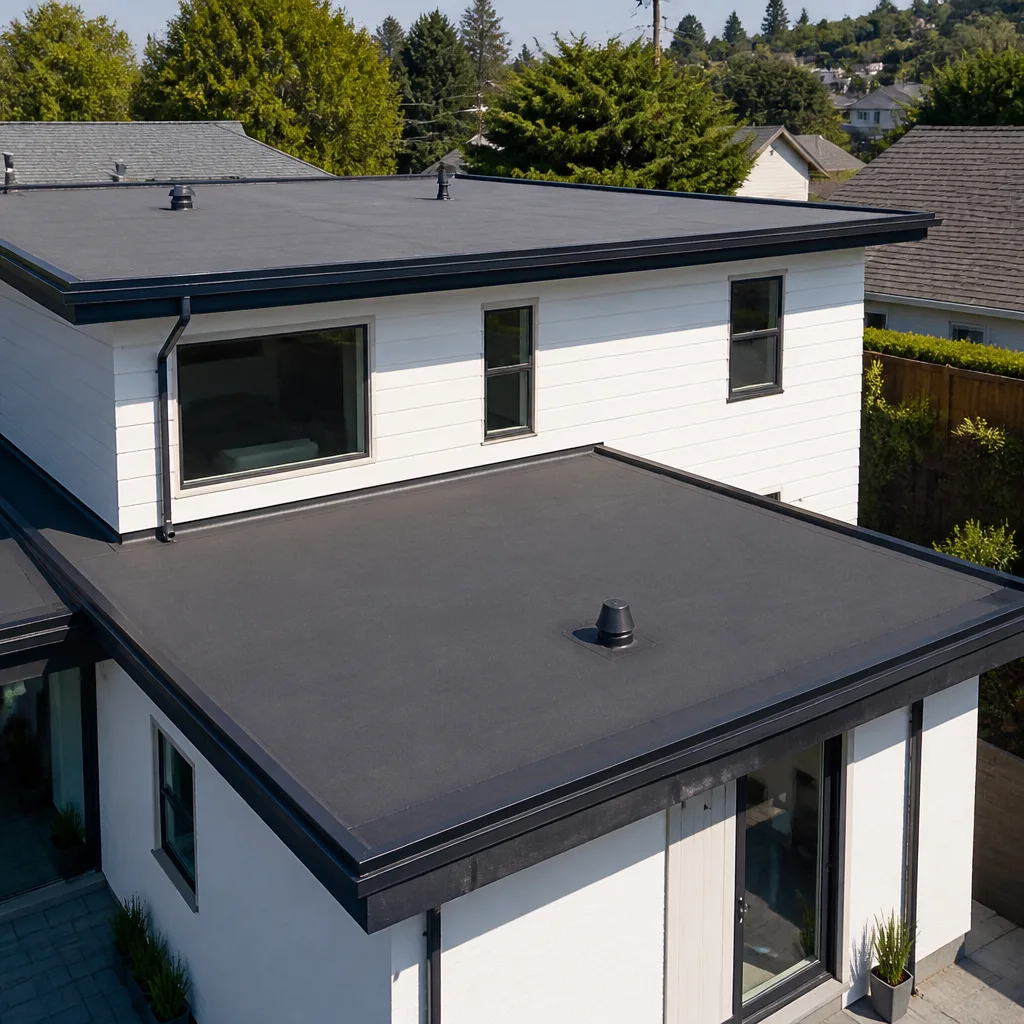 Flat & low-slope
Free roof inspection with deck photos before we talk money - GAF and Owens Corning certified installation
Metal Roofing Maintenance Schedule: What to Do and When
The honest pitch for a metal roof is 50 years with minimal maintenance. Not zero. Minimal. That word is doing a lot of quiet work, and the homeowners who gloss over it are the same ones calling us after year 15 with a sealant failure that’s been leaking into their insulation since year 11. Metal fails slowly and it fails quietly. There’s no curling shingle waving at you from the driveway. Here’s the two-inspection-a-year rhythm we actually recommend for Boulder City roofs, what to check in April before the desert heat ramps up, what to look at in October after a summer of UV, and why the annual two-hour walk saves you a five-figure repair later.
Quick Answer
Metal roofs in Boulder City need two inspections a year: one in spring (April) before the summer heat and monsoon season, and one in fall (October) after months of UV exposure. Each inspection takes one to two hours and covers fasteners, sealant at penetrations and transitions, debris on panels, and the roof-to-gutter joint. Sealant points need re-checking every five years regardless of how good the original install was. Everything else is visual.
Styles & brands we work with
- Architectural shingles
- Metal roofing
- Tile roofing
- GAF
- Owens Corning
- Flat & low-slope
Table of Contents
- The Spring Inspection: What to Check in April
- The Fall Inspection: What to Check in October
- Sealant Points That Need Re-Inspection Every 5 Years
- What to Clear After a Windstorm
- The Gutter-to-Metal Roof Connection
- What a Warranty Covers vs. What It Doesn’t
- Common Mistakes to Avoid
- When to Call a Professional
- Frequently Asked Questions
The Spring Inspection: What to Check in April
Boulder City doesn’t get a lot of rain, but the rain it does get tends to arrive angry. The spring inspection is the one that matters most because you’re checking the roof before the desert heat runs the panels through a hundred-degree day/night cycle and before the July and August thunderstorm pattern rolls in. Here’s what Bill and his crew walk through on every spring visit:
- Walk the perimeter and look up. From the ground, use binoculars to scan the ridge line and every penetration. You’re looking for lifted panels, popped fasteners, or anything that looks out of plane compared to its neighbors.
- Check the ridge caps. Those are the most wind-loaded pieces on the whole roof. On a hip roof or a long gable, the ridge cap fasteners take the brunt of the spring wind gusts coming off the McCullough Range.
- Look at every pipe boot and vent flange. Anywhere a pipe, vent stack, or exhaust comes through the panels, there’s sealant. That sealant is doing real work.
- Check wall transitions and step flashings. Where the roof meets a sidewall or a chimney, water has to be steered away. If the kickout flashing is loose or the adhesive sealant has cracked, that’s the leak.
- Clear the valley and panel debris. Spring wind brings the mesquite and palo verde debris. Anything sitting in a valley or against a panel on a low-slope section has to go.
- Look at the gutter joint. More on this below, but spring is when you check that the drip edge is actually delivering water into the gutter and not behind it.
If you have a metal roof over your Boulder City home, this spring walk is the single most valuable hour you can spend on the roof all year. Catch a loose ridge cap in April and it’s a ten-minute fix. Miss it until August and you may be replacing a section of soffit.
The Fall Inspection: What to Check in October
The fall inspection is the one most homeowners skip, and it’s the one that catches what the summer did to your roof. Boulder City sits at roughly 2,500 feet and the sun here is unkind. By October, a roof that survived the spring has just spent four months baking at 150 degrees on the panels and cooling fast every evening. That thermal cycling does more damage to sealant and fasteners than any single storm.
- Run your hand along the sealant at every penetration. If it feels hard or chalky instead of slightly pliable, it’s on its way out. Don’t wait for it to fail.
- Check for puckered or backed-out fasteners. Fastener walk-out happens faster on panels that get a lot of thermal cycling. Look for screws that sit proud of the panel surface.
- Inspect the exposed sealant at the panel ends and laps. Sun exposure degrades adhesive sealant from the outside in. Any sealant that’s started to crack or lift needs to be cut out and replaced.
- Look under the panels near downspouts and gutters. This is where you’ll see the first sign of a slow leak – mineral staining on the panel underside, or soft insulation.
- Check attic-side from underneath, if accessible. Look at the decking and insulation for any water staining. A leak that hasn’t made it through the ceiling yet is visible from the attic side years earlier.
- Check the gutter-to-fascia joint. The fall is also when you clean the gutters before winter, and the gutter joint deserves a look while everything’s exposed.
If the fall inspection finds something you don’t want to sort out yourself, that’s when you’d want someone with experience on the roof. Our technicians have up to 30 years of experience with metal systems, and a Boulder City roof repair on a metal roof is usually faster than homeowners expect if it’s caught in the fall.
Sealant Points That Need Re-Inspection Every 5 Years
Here’s the piece most manufacturer checklists leave fuzzy. Sealant at metal penetrations and transitions has a service life of roughly five to seven years in Boulder City’s climate, regardless of how good the original install was. Even on a pristine install with a well-installed pipe boot, that sealant is going to give up eventually. The rule we give homeowners: on a five-year cycle, walk every single sealant point and inspect it, even if it looks fine. Five years is when you want to be checking, not ten.
The sealant points that matter most:
- Pipe boots and vent flanges. Every pipe and vent through the roof has a boot or a flange with sealant around the top edge. These are the number-one leak source on metal roofs.
- Ridge caps. Where the panels underlay the ridge cap, there’s often sealant at the end laps and closures.
- Wall transitions. Anywhere the roof meets a sidewall, chimney, or dormer. Step flashing plus sealant is the standard, and that sealant needs replacing every five to seven years.
- Panel end laps on low-slope sections. If you have any low-slope panels with exposed laps, there’s sealant in the lap. This is where failing sealant causes the most damage because it’s on a slow-draining surface.
- Valley closures. The W-shaped closures where two roof planes meet a valley. These are also loaded with sealant.
Five years is a useful anchor because it lines up with most manufacturer warranties on the sealant itself. If a pipe boot fails at year 6 and you never inspected it, the warranty almost certainly won’t cover the leak. If you inspected it at year 5 and documented it, you’re in a much better position.
What to Clear After a Windstorm
Boulder City doesn’t see a tornado, but the gust fronts that come off the mountains ahead of a summer thunderstorm are nothing to shrug at. After any significant wind event, one of the first things homeowners should do is walk the yard and look up at the roof, then call us if anything is sitting on it. Here’s the reason it matters, and it’s not the one most people assume.
The big risk isn’t the debris hitting something. The risk is that debris sits on the panels, holds moisture, and creates a corrosion point. Even Galvalume – which is a zinc-aluminum coating designed to resist corrosion – can develop a rust bloom if a wet branch sits against the panel for a season. The panels don’t rot, but the coating can degrade where water sits without draining. Once that coating is compromised, the corrosion starts at the coating, not the steel.
What we’d clear after a windstorm:
- Branches and palm fronds on panels, especially in valleys or against penetrations
- Any debris that’s come to rest on a low-slope section or at a change in pitch
- Debris sitting against the ridge cap or along the ridge vent openings
- Anything wedged against a pipe boot or wall transition
- Loose gravel or rocks that washed or blew onto the panels
Get on the panels safely (or have us out) and clear it within a week or two. Don’t leave it sitting until the next checkup.
The Gutter-to-Metal Roof Connection
Here’s a joint almost nobody checks, and it’s the first place water actually finds its way in on a metal roof. Water doesn’t leak through the middle of a panel. It gets in at the edges, and the gutter-to-eave-trim joint is the edge everyone forgets.
When a metal roof’s gutters clog – and in Boulder City, they clog with palm fronds, mesquite leaves, roof grit, and the sand that blows across everything – the water has nowhere to go. It backs up under the eave trim and wicks into the fascia. Once it’s in the fascia, it’s working into the decking at the eave and eventually into the wall. Homeowners often see this as an interior wall issue long before they suspect the gutters.
What this means for maintenance:
- Clean gutters twice a year – once after spring debris, once after the fall, right before the winter rain pattern that occasionally hits us.
- Check that the drip edge (the eave trim) actually delivers water into the gutter and not behind it. If the panel overhang is short or the drip edge is bent out of shape, water goes behind the gutter.
- Look for staining or soft wood at the fascia every time you check the gutters. That’s the tell for water backing up under the eave trim.
- Check the downspouts for flow. If water runs into a downspout and doesn’t come out the bottom, you’ve got a hidden blockage that will eventually back up under the panels.
While you’re up there, this is also a good moment to have the roof replacement and installation conversation if you’re more than 20 years into the roof’s life and seeing recurring gutter issues.
What a Warranty Covers vs. What It Doesn’t
The manufacturer warranty on a metal roof is a real thing, and it’s worth what you paid for it – but only if you can show the maintenance record. That’s the piece nobody tells you when they’re quoting the 50-year figure. A 30- or 50-year panel warranty means the panels themselves are guaranteed against manufacturing defects and, on the good warranties, against perforation. It doesn’t cover installation error, it doesn’t cover storm damage, and on most products, it doesn’t cover damage from neglect.
What that breaks down to in practice:
- The panel manufacturer covers: manufacturing defects, finish adhesion failures, and – on some warranties – structural perforation from the underside.
- The installer covers: workmanship, which on most jobs runs 1 to 10 years. Shepherd & Sons Roofing backs every job with the 90-Day Done Right Promise in writing, and if something’s not done right, one call brings us back.
- Neither covers: a pipe boot sealant that failed at year 6 because it was never re-sealed. That’s maintenance, and it’s on the homeowner.
The reason the maintenance schedule matters for warranties isn’t romantic. It’s the paper trail. If you can show that a qualified roofer checked the sealant at year 5 and re-sealed it, you’re covered when the manufacturer asks what happened. If you can’t, they’ll call it neglect.
The honest picture from our side of the business is this: Shepherd & Sons Roofing has been doing this on Boulder City roofs long enough to know that most warranty claims we see get denied for maintenance reasons, not product reasons. Routine maintenance is what keeps the warranty actually enforceable.
Common Mistakes to Avoid
- Treating “minimal maintenance” as zero maintenance. This is the mistake that costs the most. A metal roof that gets no inspections will usually make it to about year 12 or 15 before the first significant leak – and that leak has usually been developing for years.
- Pressure-washing the panels. It feels efficient, but pressure washing can drive water past the sealant at penetrations and can abrade the finish on painted panels. A garden hose or a soft-bristle broom is fine.
- Using the wrong sealant. A homeowner can buy a tube of silicone at the box store and caulk over a failing pipe boot, and it’ll work for about one summer. Metal roofs need a specific sealant that stays pliable through thermal cycling. Silicone doesn’t.
- Skipping the after-windstorm debris check. Out of sight, out of mind – until the branch has been sitting on the panel for a year and there’s a rust bloom where it was resting.
- Letting the gutters go. Gutters clog here faster than most places because of palm fronds and roof grit. Clogged gutters back up under the eave trim and cause wall damage that gets misdiagnosed for years.
- Walking the panels in the wrong shoes. This sounds trivial, but soft-soled shoes and dry panels are how you don’t damage the finish. Work boots with hard treads will scuff a painted panel and grind grit into the coating.
- Assuming a “50-year roof” means you’ll never pay for anything again. You will. The roof lasts 50 years because of maintenance, not in spite of it.
When to Call a Professional
A lot of the maintenance schedule above can absolutely be done by a careful homeowner – the visual scan, the debris clearing, the gutter cleaning. But a few things really do want a trained eye, and honestly, they want someone who’s been on a metal roof before.
Call us if any of the following is true: there’s a leak showing inside the house or attic, a panel or ridge cap looks lifted or visibly damaged, you see backed-out fasteners, the sealant at a penetration is cracked and hardened, the roof is over 20 years old and you’ve never had it professionally inspected, or a hailstorm came through this spring. Those last two matter especially in Boulder City because the hailstorms that pass over the McCullough Range this time of year can leave cosmetic and finish damage that looks fine from the ground but is worth documenting for insurance.
Shepherd & Sons Roofing offers free estimates in Boulder City – call (844) 761-8186. A live person answers 24/7, including nights and weekends after a storm. If you’ve already got a bid from another roofer, we’ll do a free second opinion on any written estimate. There’s no trip charge inside our own county, and we’ll show you the deck photos before we talk money.
Frequently Asked Questions
Twice a year – once in April before the summer heat and monsoon season, once in October after the summer UV cycle. A full professional inspection once every five years is also worthwhile for the warranty paper trail. Between those, a quick visual scan from the ground after any big windstorm.
Yes. The 50-year figure assumes routine maintenance – it isn’t a promise of zero work. The panels will last that long on their own, but the sealant at the penetrations and transitions will not. Sealant has a five-to-seven-year service life in Boulder City’s climate, and that’s the piece the “minimal maintenance” pitch glosses over.
Most reputable roofers here offer roof inspections for free or for a modest fee that’s credited toward any repair work. At Shepherd & Sons Roofing, inspections and estimates are free, and there’s no trip charge inside our own county. Call (844) 761-8186 to get one scheduled.
No, and we’d steer you away from anyone who recommends it. Pressure washing can drive water past the sealant at penetrations and can abrade the finish on a painted or Galvalume panel. A garden hose, a soft-bristle broom, or a leaf blower is the right tool.
A specific metal-roof sealant designed to stay pliable through thermal cycling – typically a high-grade urethane or a solar-rated silicone depending on the panel finish. Standard exterior silicone from a box store will work for one season and then fail. This is one of the reasons we recommend having a roofer handle sealant work even outside a full inspection.
Yes. Most manufacturer warranties – on IKO, Tamko, Atlas, or Boral panels – require documented maintenance and exclude claims that come from neglect. If you can show that a qualified roofer checked and re-sealed the penetrations on a five-year cycle, you’re in a much stronger position. If you can’t, the claim usually gets denied. Call us for an inspection to get that documentation started.
The Bottom Line
Metal roofing in Boulder City is one of the better roof decisions you can make – long life, low maintenance, good wind performance. But “low maintenance” is not “no maintenance.” The two-hour April inspection and the two-hour October inspection are the whole schedule. Everything else is five-year sealant checks and cleaning up after windstorms. Do those things and a metal roof will deliver the 50 years everyone talks about. Skip them and you’ll be the homeowner calling us at year 15 with a leak that started in year 11. The good news is the schedule above fits on a notecard. The bad news is most homeowners never write it down. For a full professional inspection or a free estimate on Shepherd & Sons Roofing work in Boulder City, call (844) 761-8186 – a real person picks up, and we’ll be straight with you about what the roof actually needs.
Written by the team at Shepherd & Sons Roofing Boulder City.
See the difference
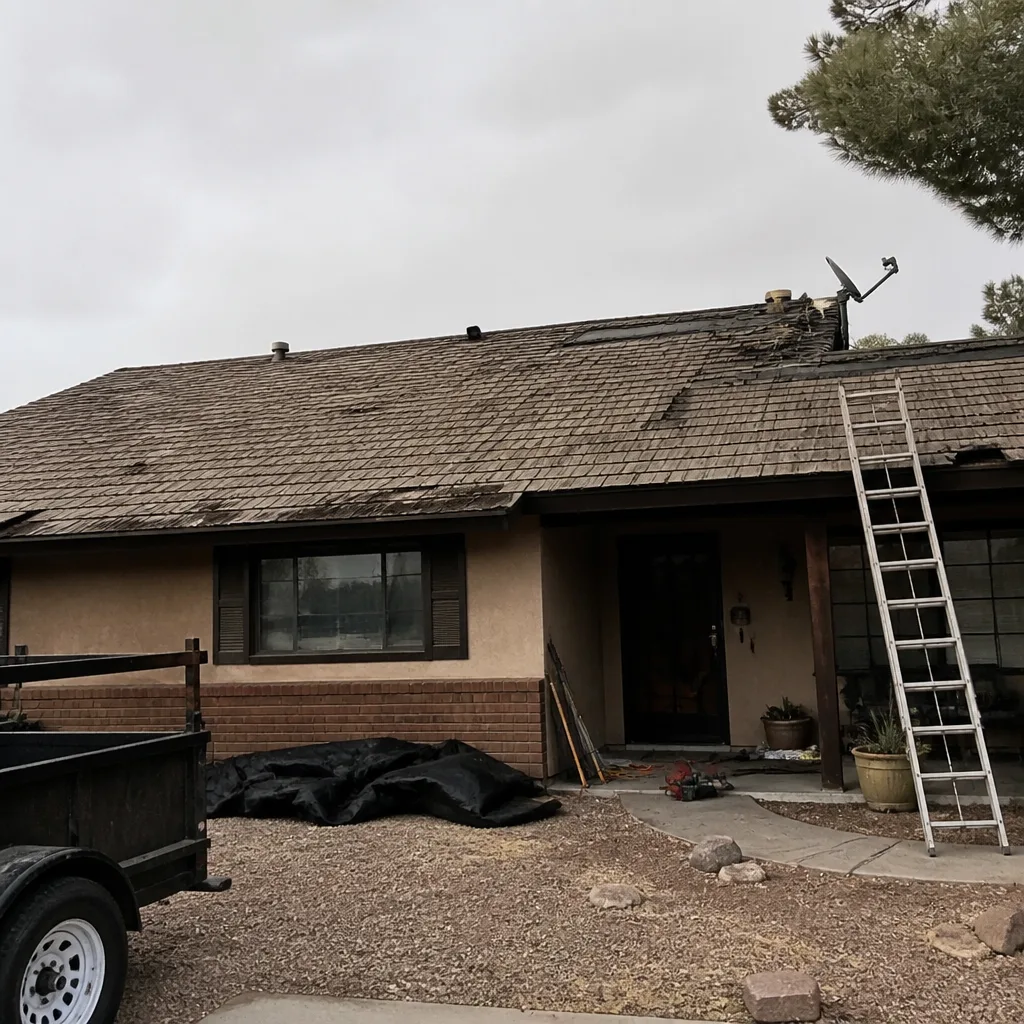 Before
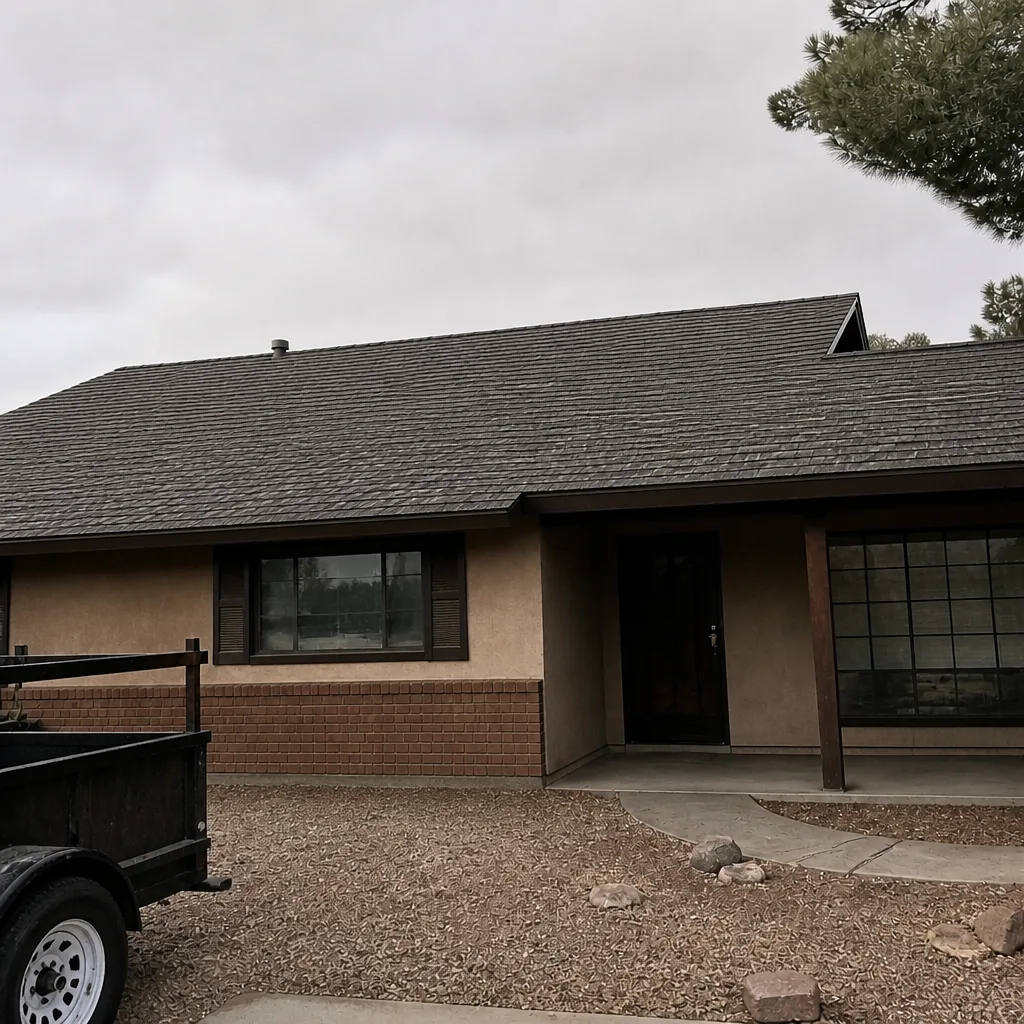 After
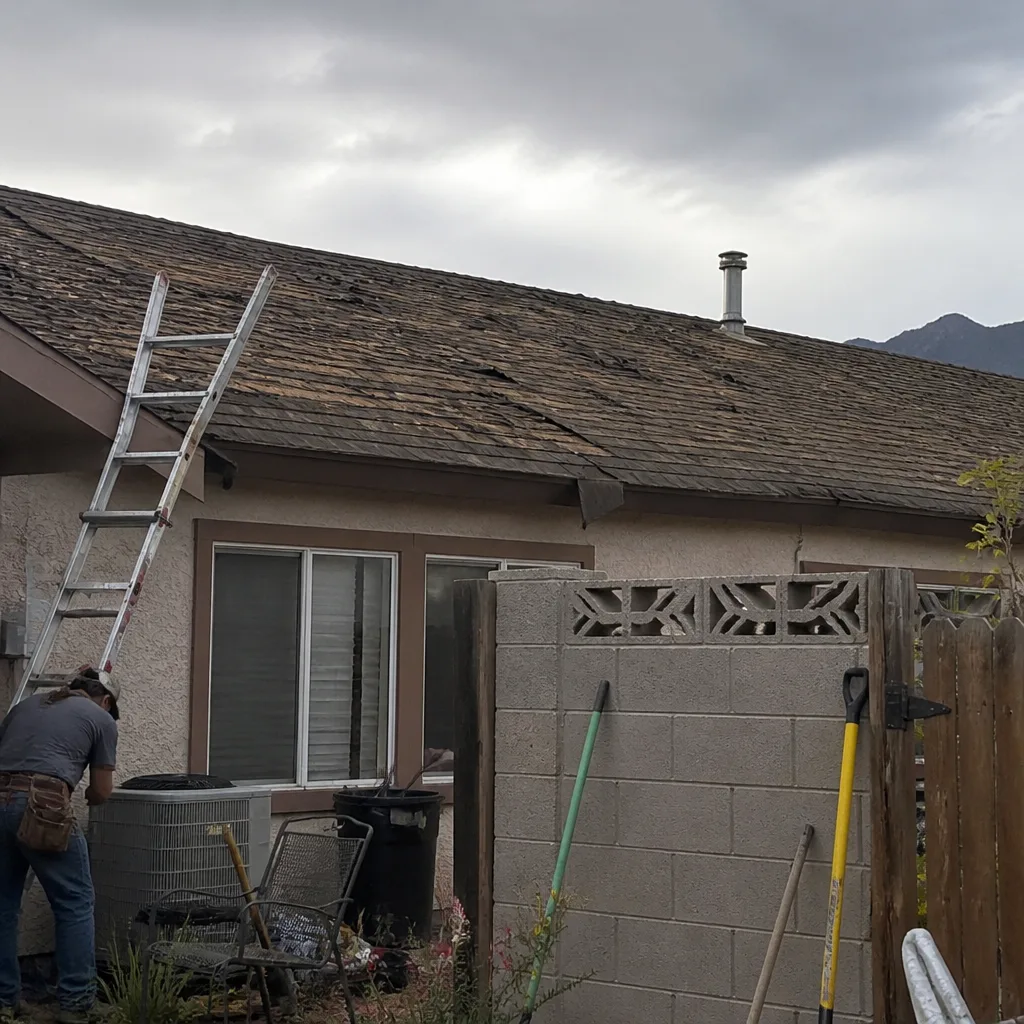 Before
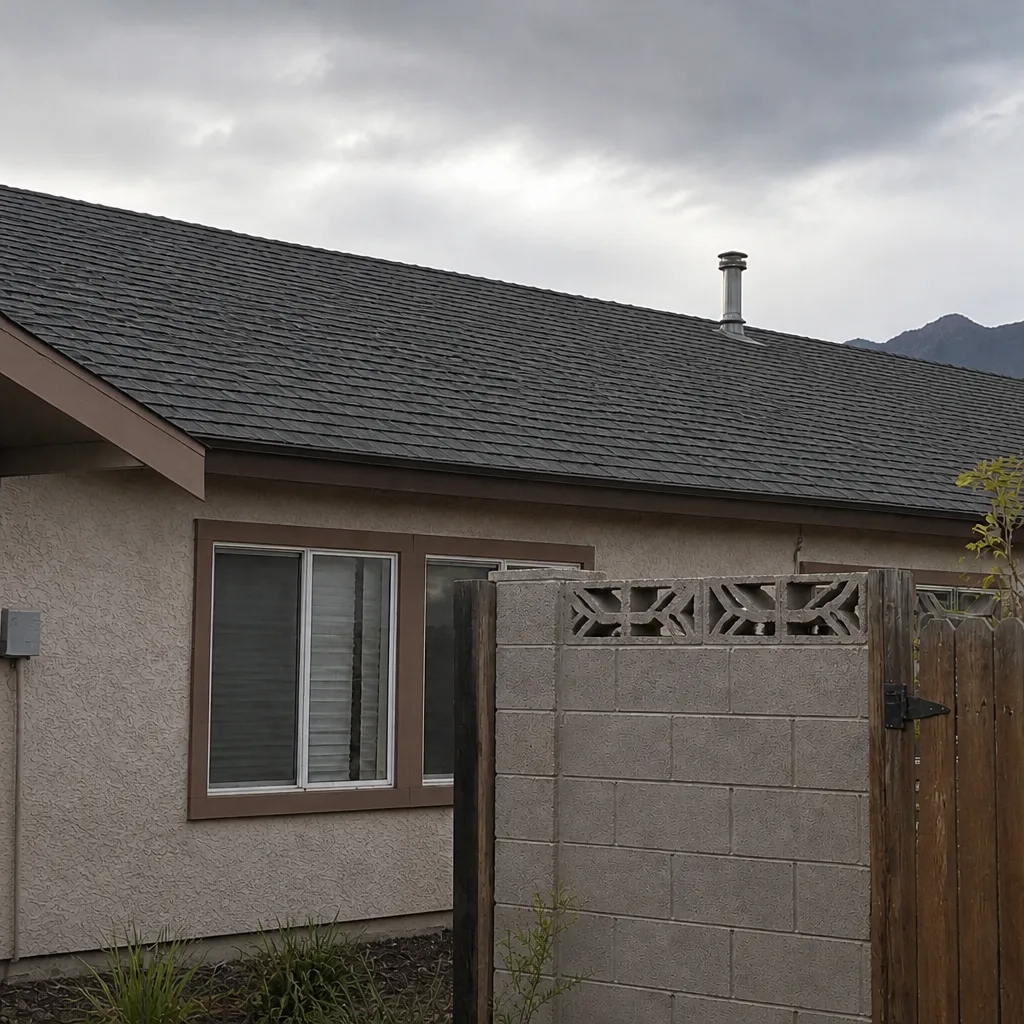 After
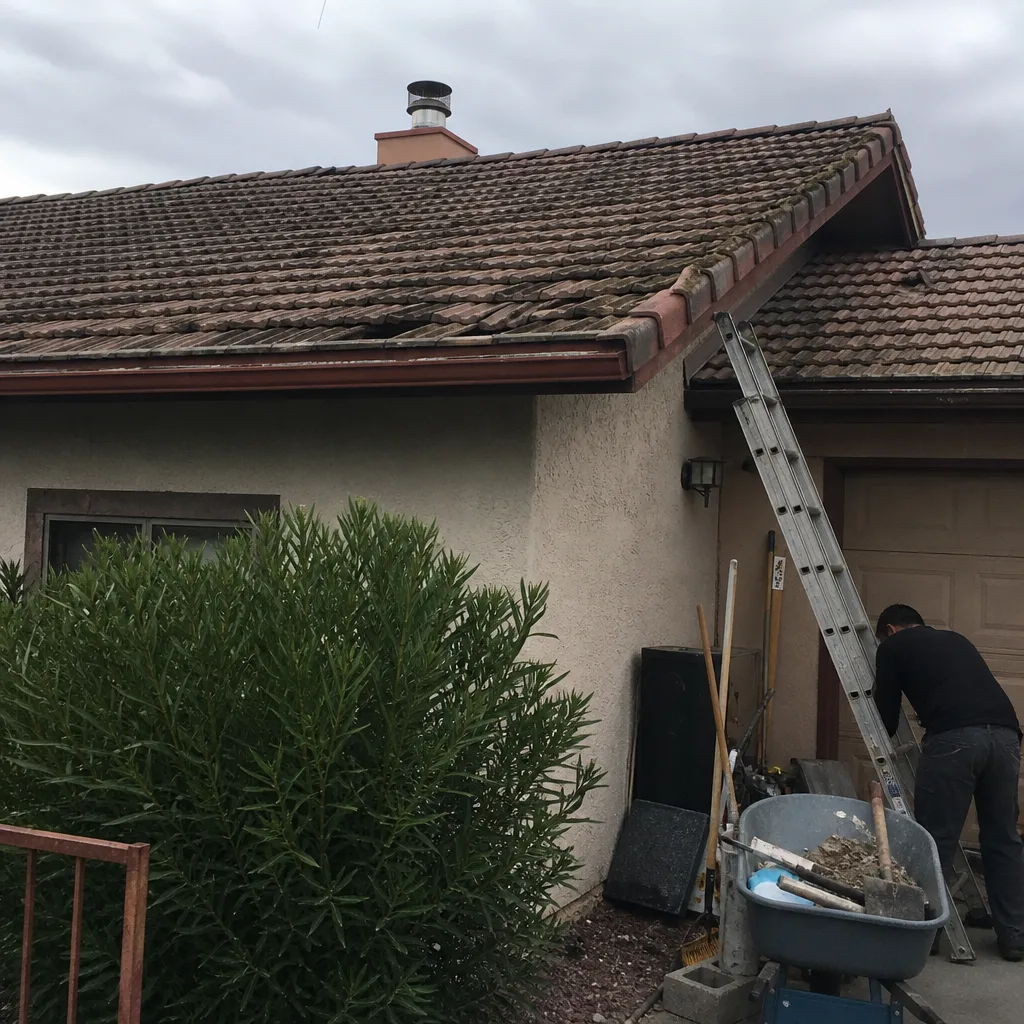 Before
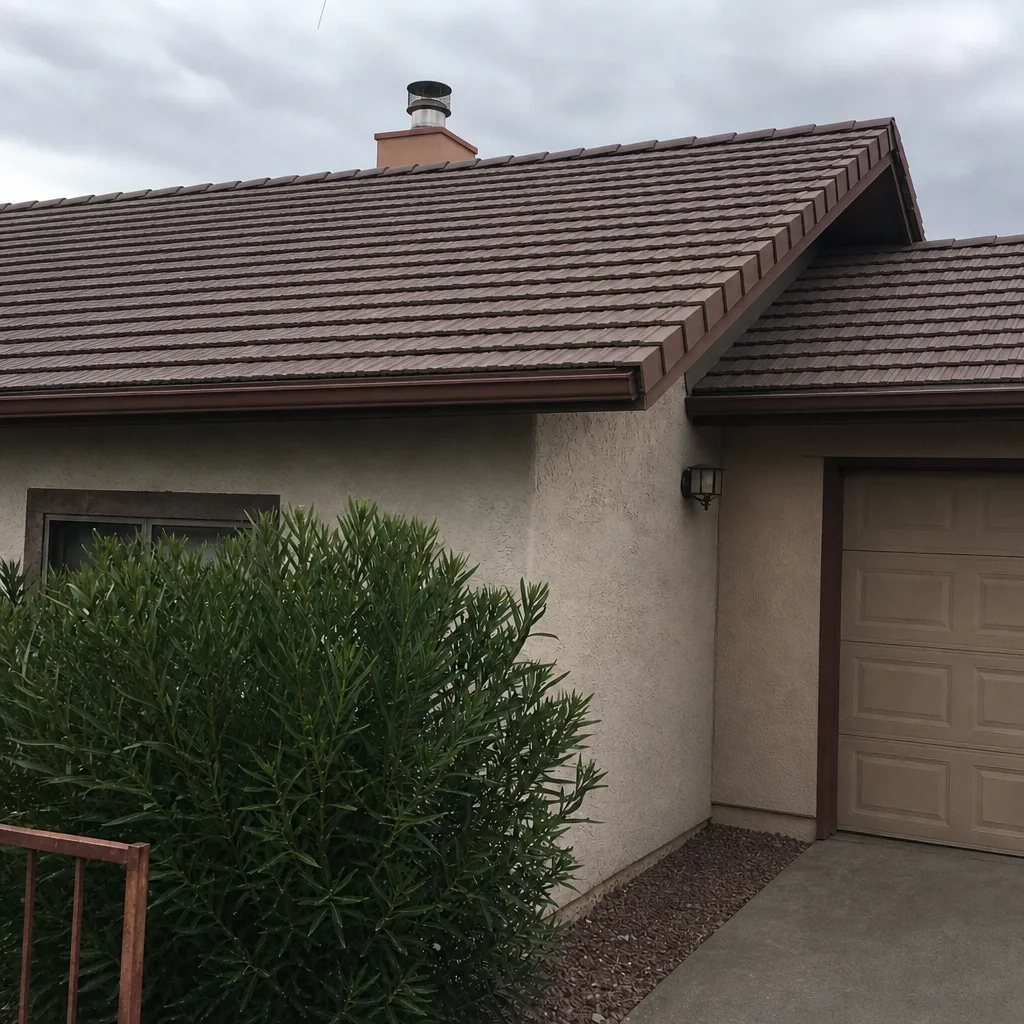 After