
Last updated November 17, 2026
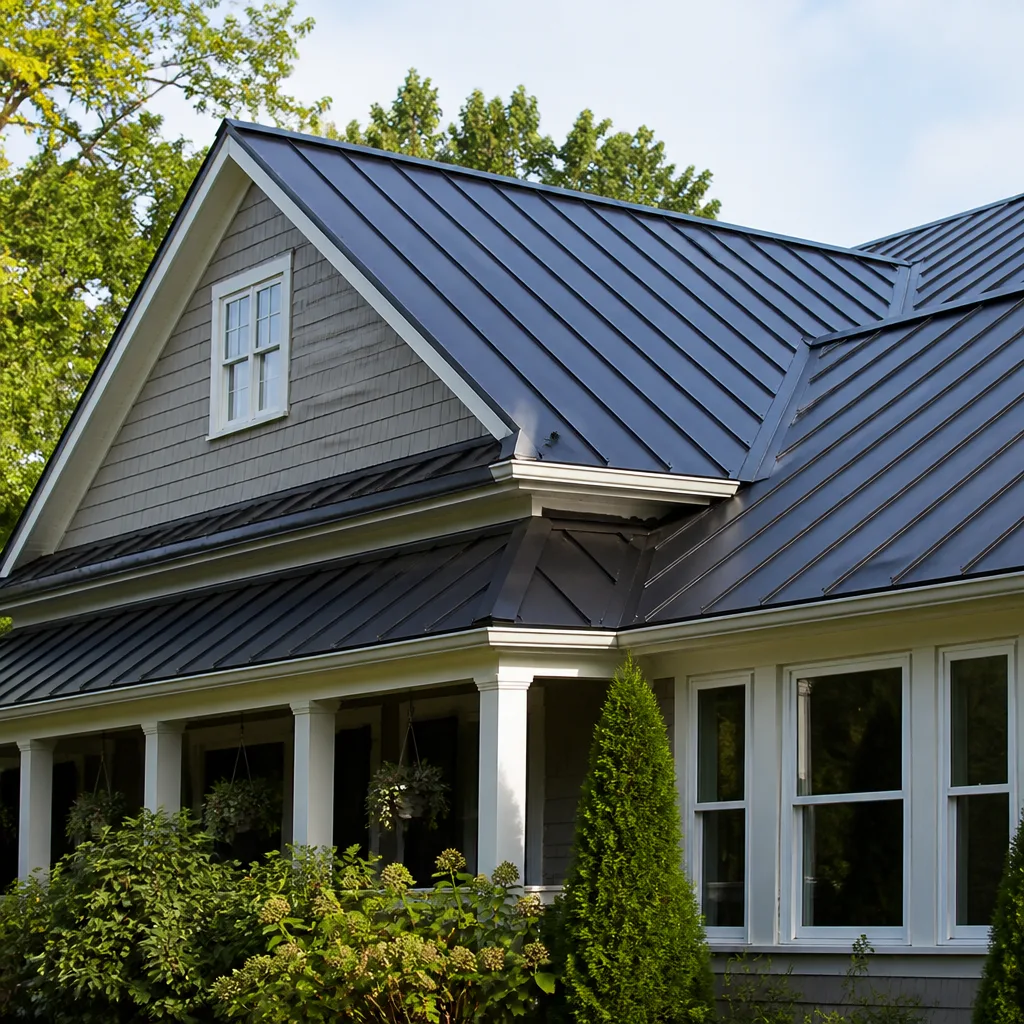 Metal roofing
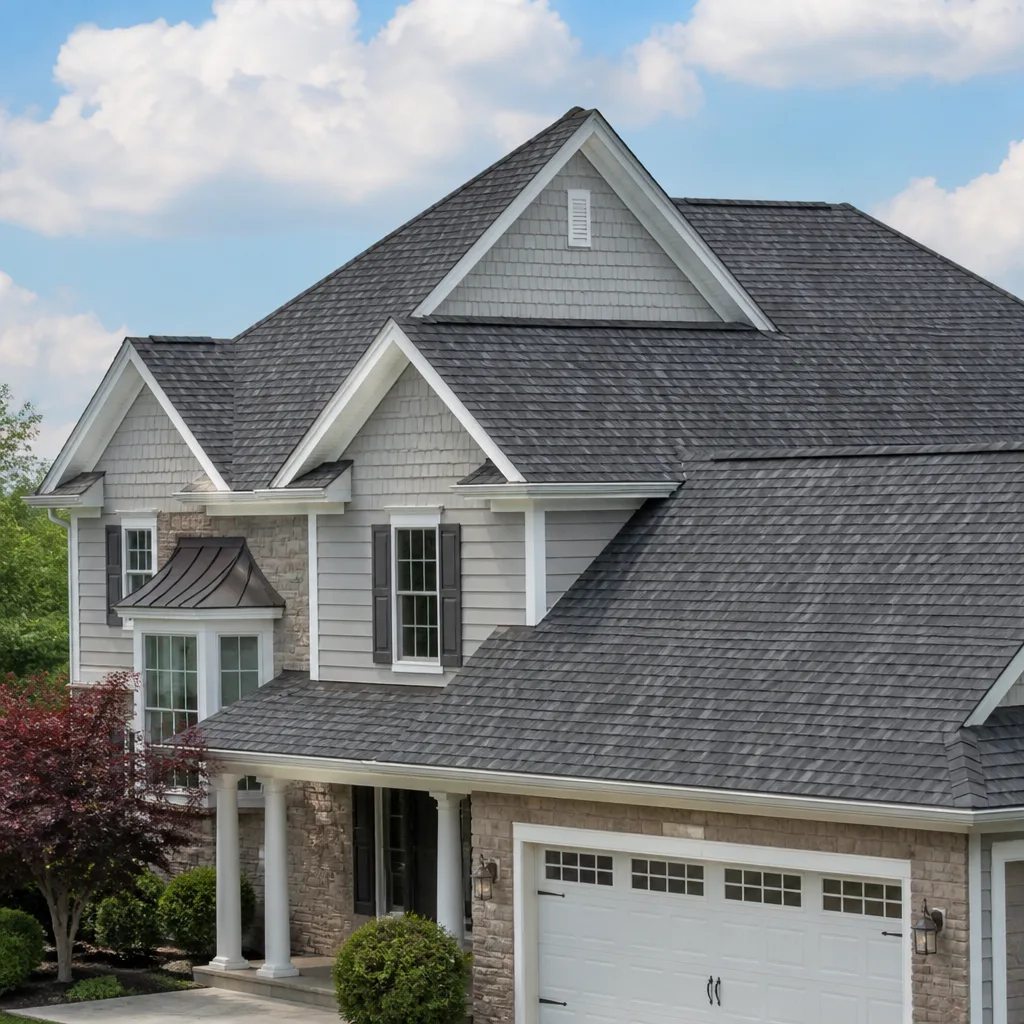 Architectural shingles
 Tile roofing
 GAF
 Owens Corning
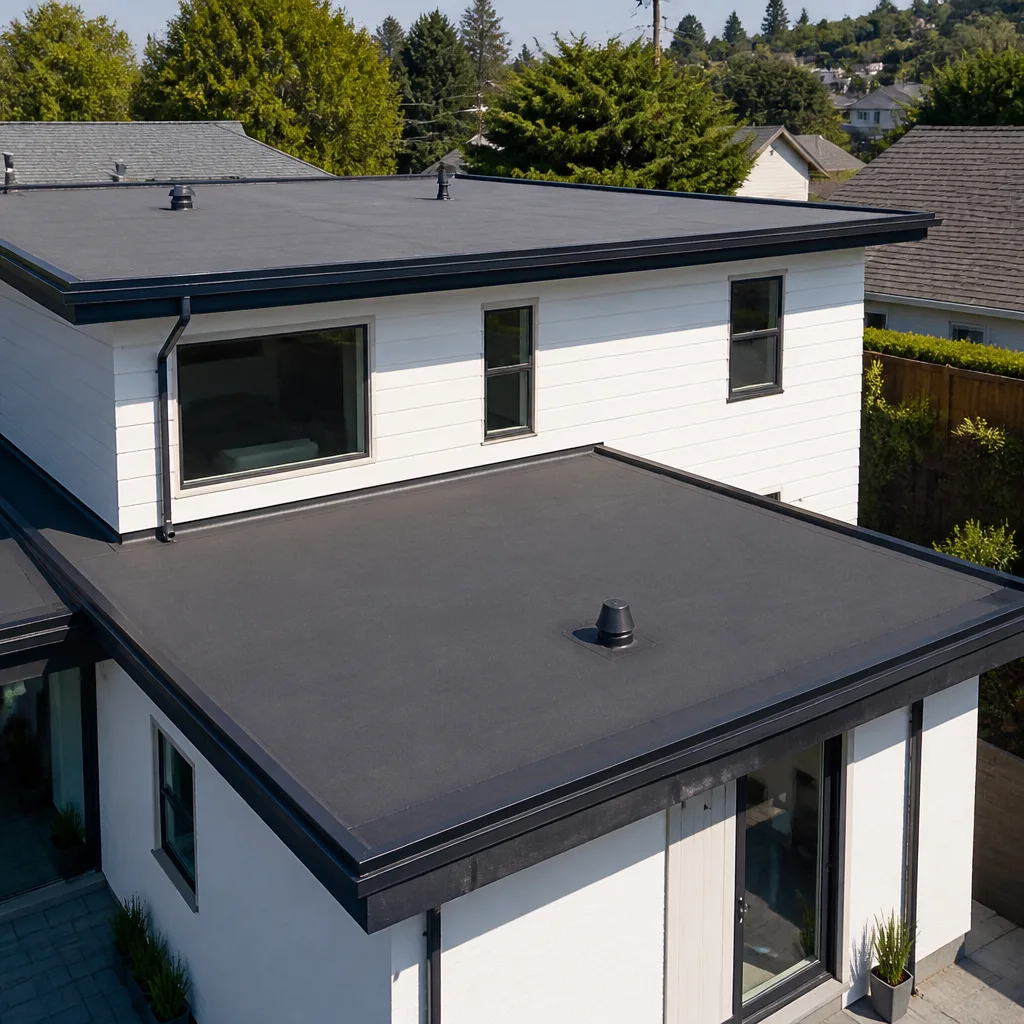 Flat & low-slope
Free roof inspection with deck photos before we talk money - GAF and Owens Corning certified installation
How to Hire a Roofing Contractor in Boulder City: A Step-by-Step Guide
The Nevada State Contractors Board shows license status in real time at contractors.nv.gov. Most homeowners have never looked up a single contractor there, and that gap is exactly what storm chasers count on after every wind or hail event that rolls through Boulder City. A rented truck and an out-of-state area code can look like a roofing company for the six weeks it takes to collect deposits and leave town. This guide gives you a specific, verifiable process to tell a local roofer with roots from a storm chaser passing through.
Quick Answer
To hire a roofing contractor in Boulder City, verify the Nevada license number on contractors.nv.gov, confirm a real physical address and bonding carrier, demand a written estimate that lists materials and line items, and never pay more than half the job upfront. Ask each bidder for their last Boulder City or Clark County permit pull number, because a contractor who hasn’t pulled permits locally is not a contractor who works locally.
Styles & brands we work with
- Architectural shingles
- Metal roofing
- Tile roofing
- GAF
- Owens Corning
- Flat & low-slope
Table of Contents
- Step 1: Verify the Nevada License Number
- The Five Questions That Separate Locals From Storm Chasers
- What a Legitimate Written Estimate Must Contain
- Red Flags Specific to the Boulder City Market
- How to Structure a Payment Schedule That Protects You
- What Roofing Costs in Boulder City
- The Pre-Climb Checklist
- Common Mistakes to Avoid
Step 1: Verify the Nevada License Number
The first step in hiring any roofer in Boulder City costs nothing and takes about ninety seconds. Go to contractors.nv.gov, type in the license number the contractor gave you, and read what comes back. That page tells you whether the license is active, whether it’s been disciplined, whether the bond is current, and what classification the contractor is licensed to perform. A roofer who can’t hand you a number to look up has given you your answer.
License classifications matter more than most homeowners realize. In Nevada, a roofing contractor should hold the correct classification for the scope of work. If a bidder is quoting a full tear-off but only carries a classification that covers repairs, that’s a problem that surfaces later, usually when an inspector asks a question. Ask the contractor to name the classification on their license and explain what it covers. If the answer is vague, move to the next bidder.
Three things to confirm on the state board page:
- Status: the license should read active, not expired, suspended or pending.
- Bond and insurance: both should be on file and current. Ask for the bonding carrier’s name in writing, too.
- Disciplinary history: past complaints don’t always mean a bad contractor, but a pattern does. Read what’s listed.
A licensed contractor with a published address is a contractor you can find in six months if something leaks. That accountability is the whole game when you’re choosing who climbs your roof.
The Five Questions That Separate Locals From Storm Chasers
After a major hail or wind event, more out-of-state contractors show up in Boulder City than most people expect. The questions below cut through the sales pitch fast. Ask all five before anyone gets on a ladder, and write down the answers.
- What’s your physical address? A real business has a street address you can drive to. A P.O. box or a hotel room number is not an address. Ask how long they’ve had it.
- Who’s your bonding carrier? A licensed Nevada contractor carries a bond. The name of the carrier should come easily. If it doesn’t, keep asking.
- What’s your last Boulder City or Clark County permit pull number? Local roofers pull permits here regularly and can name one. A storm chaser working out of a truck probably can’t.
- Who answers the phone in six months if I have a leak? A local contractor with a real number and a real address will answer that question directly. A storm chaser will talk around it.
- Can I see your written warranty language right now? Not a verbal promise. The actual wording, in writing, before work starts.
In our experience, the answers to questions one and three tell you almost everything. A contractor with a local address and a recent permit pull number is a contractor who does the work here, not one who drives through after a storm and is gone by the time the shingles settle. If you want a benchmark, look at how a roofer with a published address and license number handles the first phone call. A live person answers, and the answers are straight.
When you have your estimates in hand, a free second opinion on any written bid is a fair way to pressure-test the numbers before you sign. It’s one of the standing offers from Shepherd & Sons Roofing Boulder City, and it costs nothing to get a second set of eyes on a quote you’re not sure about.
What a Legitimate Written Estimate Must Contain
Nevada contractor law expects certain things in writing before work begins, and a legitimate estimate from a Boulder City roofer will include them without being asked. Most homeowners accept a handshake and a phone number, then find out the hard way what wasn’t covered. Here’s what to demand in the document itself.
A real written estimate should include:
- Contractor’s legal name, license number and physical address on the document, not just on the truck.
- Scope of work in plain language: tear-off depth, decking inspection, underlayment, flashing, ridge venting, and what happens if hidden damage turns up.
- Materials by name and quantity: the shingle brand and product line, underlayment type, and how many squares the bidder counted. A roof is measured in squares, so ask any bidder how many they counted and compare across bids.
- Line-item pricing, not a single lump number. You should see the cost of tear-off, materials, labor, permits and disposal separately.
- Permit responsibility: who pulls it, who pays for it, and who schedules the inspection.
- Payment schedule with dates tied to milestones, not to a signature.
- Warranty terms in writing, including the manufacturer’s coverage and the contractor’s own workmanship promise.
- A start date and a completion estimate, with a note on how weather delays are handled.
If you’re replacing a roof, name the shingle and the bidder should have set it before. GAF, CertainTeed, Owens Corning and IKO all make lines that perform well in Southern Nevada heat, but the installer’s familiarity with a specific product matters as much as the label on the wrapper. For a full rundown of what goes into a replacement, see our guide to Roof Replacement & Installation in Boulder City.
Red Flags Specific to the Boulder City Market
Boulder City sits close enough to the larger metro that storm chasers treat it as a stop on the way out of town. That means the red flags here look a little different than they might elsewhere, and they show up fast after a hail event. Watch for these.
- Out-of-state plates and a temporary address. The truck is a rental, the phone is a Texas area code, and the “local office” is a motel on the highway. Ask where they’ll be in six months.
- Vague warranty language. “Fully guaranteed” means nothing without the written terms, the duration and who honors it. Storm chasers write warranties that die when they leave the county.
- Pressure to sign before your insurance adjuster visits. A legitimate roofer will wait for the adjuster’s scope and work to it. A chaser wants a signature before anyone with authority to inspect the roof takes a look.
- Cash-only or large upfront deposits. A deposit above 50% upfront is a risk no reputable local roofer will ask you to take.
- Door-to-door pitches right after a storm, with a “discount today only” that disappears by the weekend. Legitimate contractors don’t need to manufacture urgency.
- No permit mentioned. If the bidder never brings up a permit, ask why. Work without a permit can complicate resale and leave you holding the problem.
Our part of Southern Nevada also gets the heat and dry cycles that age a roof differently than a wetter climate. In our experience, roof failures around Boulder City often start at flashing and penetrations before the field shingles show wear, so a bidder who only talks about the shingles and skips the flashing and vents isn’t giving you a full picture. That’s one reason we lean toward a written scope that names every component, and a Roof Repair in Boulder City done right starts with someone looking at those details, not just the shingle surface.
How to Structure a Payment Schedule That Protects You
The payment schedule is where a lot of homeowners get hurt, and it’s the easiest thing to negotiate before anyone starts. A reputable local roofer will not ask you for more than half the job upfront. If a bidder wants the full amount before the dumpster arrives, that’s a reason to walk, no matter how good the price looks.
A schedule that protects you looks like this:
- No more than 30 to 50 percent on contract signing, tied to materials being ordered and a start date being locked in.
- A progress payment when the work is substantially underway, not before.
- Final payment only after the job passes inspection and you’ve walked the roof yourself. Hold back until you’re satisfied, in writing.
- No cash. A check or a traceable payment protects you if a dispute comes up later.
The written 90-Day Done Right Promise from Shepherd & Sons Roofing Boulder City is an example of how a workmanship backstop should read. If something isn’t done right, the contractor comes back and makes it right, and that commitment is in writing on the job. Ask every bidder for the equivalent, and read the actual wording before you sign anything. If you’re comparing bids and one promises a lot verbally, ask to see it on paper. That single request separates serious contractors from the rest.
What Roofing Costs in Boulder City
What you’ll pay in Boulder City depends on the roof, the material and how much hidden damage turns up under the shingles. Ballpark ranges help you evaluate a bid, but a written line-item estimate is the only number that matters. Treat these as rough guides for comparison, not quotes.
- Minor roof repair (flashing, a few shingles, a leak chase): typically a few hundred dollars, more if decking work is needed.
- Full asphalt shingle replacement: usually quoted per square (100 square feet), with the total depending on roof pitch, layers to tear off, and material line chosen.
- Metal roofing installation: a higher upfront investment that often pays back over a longer service life in this climate. See our page on Metal Roofing in Boulder City for what’s involved.
- Tile and specialty roofing: priced by material and complexity, with underlayment and flashing work driving much of the cost.
- Gutters and accessories: priced separately from the roof, and worth including in the same written scope so nothing gets missed.
When comparing bids, ask each contractor how many squares they counted and what they’d charge per square. A bid that’s much lower than the rest usually means a lighter scope, thinner materials or skipped steps you’ll pay for later. For a deeper look at repair pricing, our roof repair page covers the common jobs and what drives the cost.
The Pre-Climb Checklist
Before anyone climbs your roof in Boulder City, run through this list. If a bidder can’t clear all of it, you’ve learned what you needed to know.
- License number verified on contractors.nv.gov, status active.
- Physical street address confirmed, and it’s a real office or shop.
- Bond and insurance carrier named in writing.
- Recent Boulder City or Clark County permit pull number provided.
- Written estimate with line items, materials by name, and a payment schedule no more than 50% upfront.
- Warranty terms in writing, including the contractor’s own workmanship promise.
- A direct answer to “who answers the phone in six months if something leaks?”
If you want to see how a roofer who publishes a real address and a license number handles the conversation, that’s a fair benchmark. Ask the storm chasers where theirs is. Then call a contractor who can point to the same shop they’ve had for years and a name on the truck that matches the name on the license.
Common Mistakes to Avoid
- Hiring the first bidder who knocks. A door-to-door pitch after a storm in Boulder City is a warning sign, not a convenience. Get at least three written bids before you decide.
- Skipping the license lookup. Most homeowners never check contractors.nv.gov. A two-minute check on the state board is the single best protection you have.
- Accepting a lump-sum phone quote. A number given over the phone, without a written scope, is not an estimate. It’s a guess that gets revised at the door.
- Paying more than half upfront. A large deposit leaves you with little leverage if the work stalls. A reputable local roofer won’t ask for it.
- Signing before the insurance adjuster visits. Let the adjuster’s scope inform the bid. A contractor who pressures you to sign first has a reason.
- Ignoring flashing and vents. In Boulder City’s heat, the failures show up at penetrations and edges first. A bid that only covers the shingles is incomplete.
- Not asking who comes back. If you can’t get a straight answer about who answers the phone next spring, you’re hiring a temporary contractor, not a local one.
See the difference
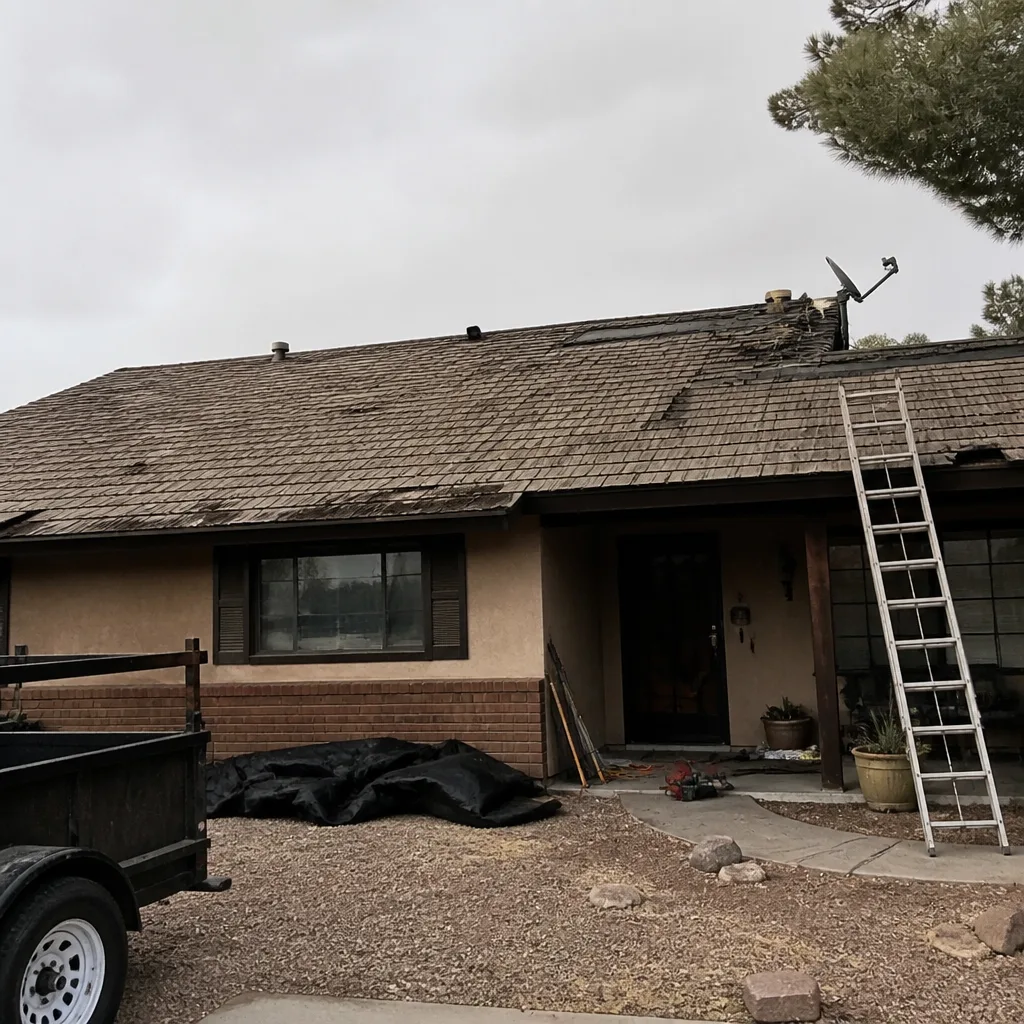 Before
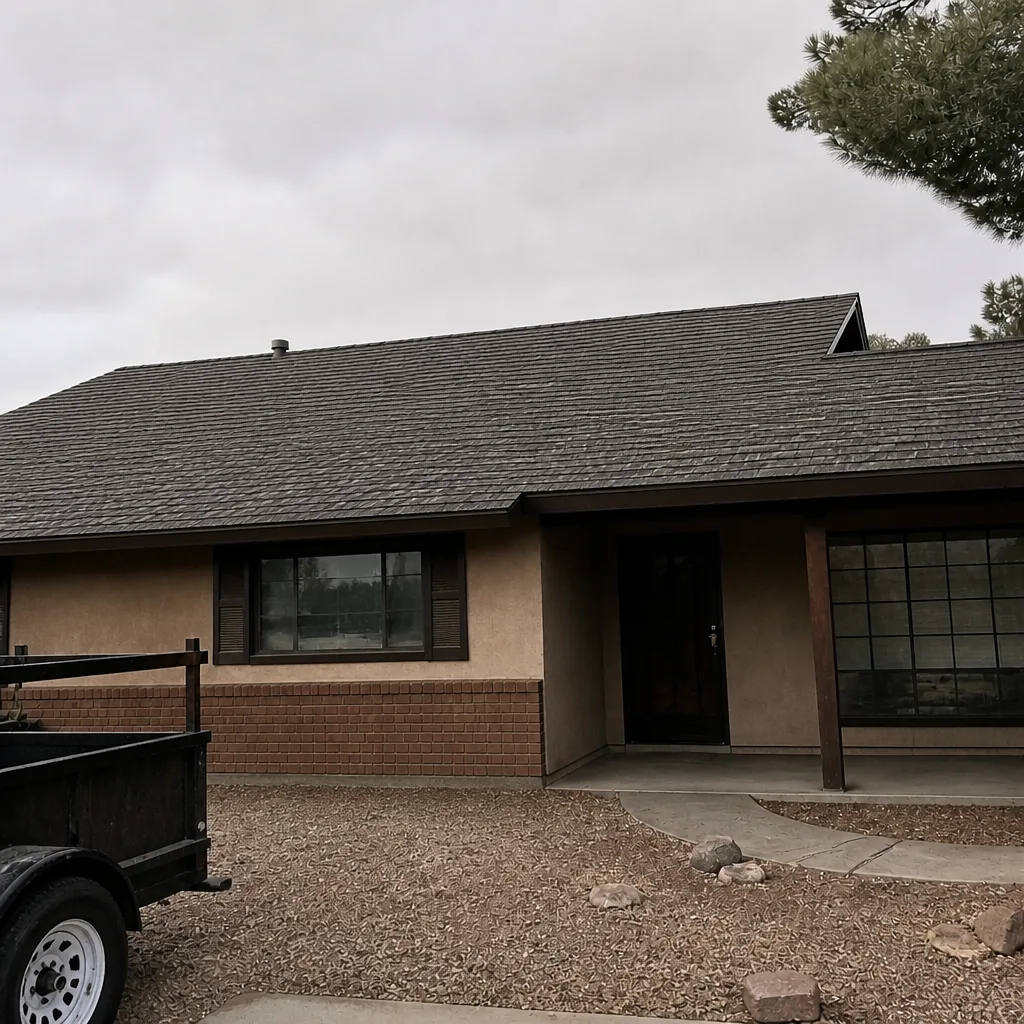 After
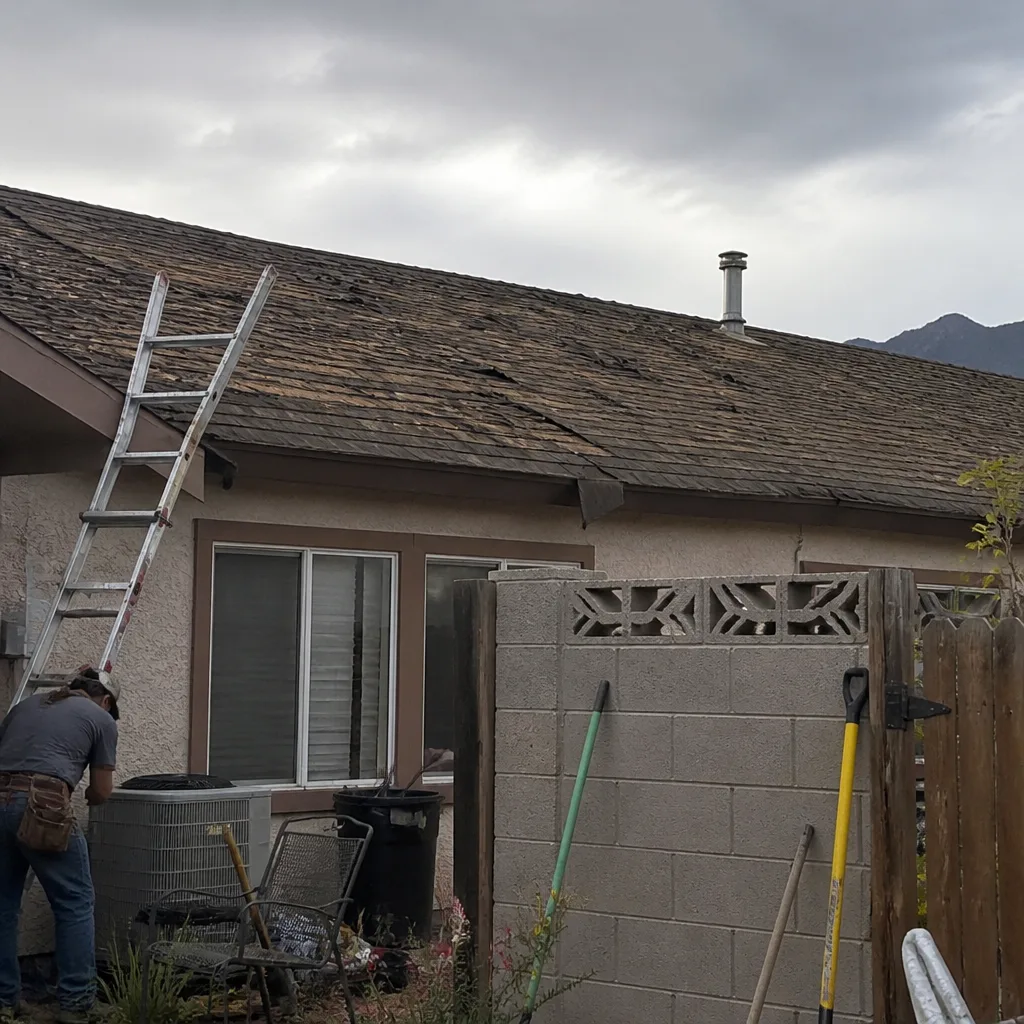 Before
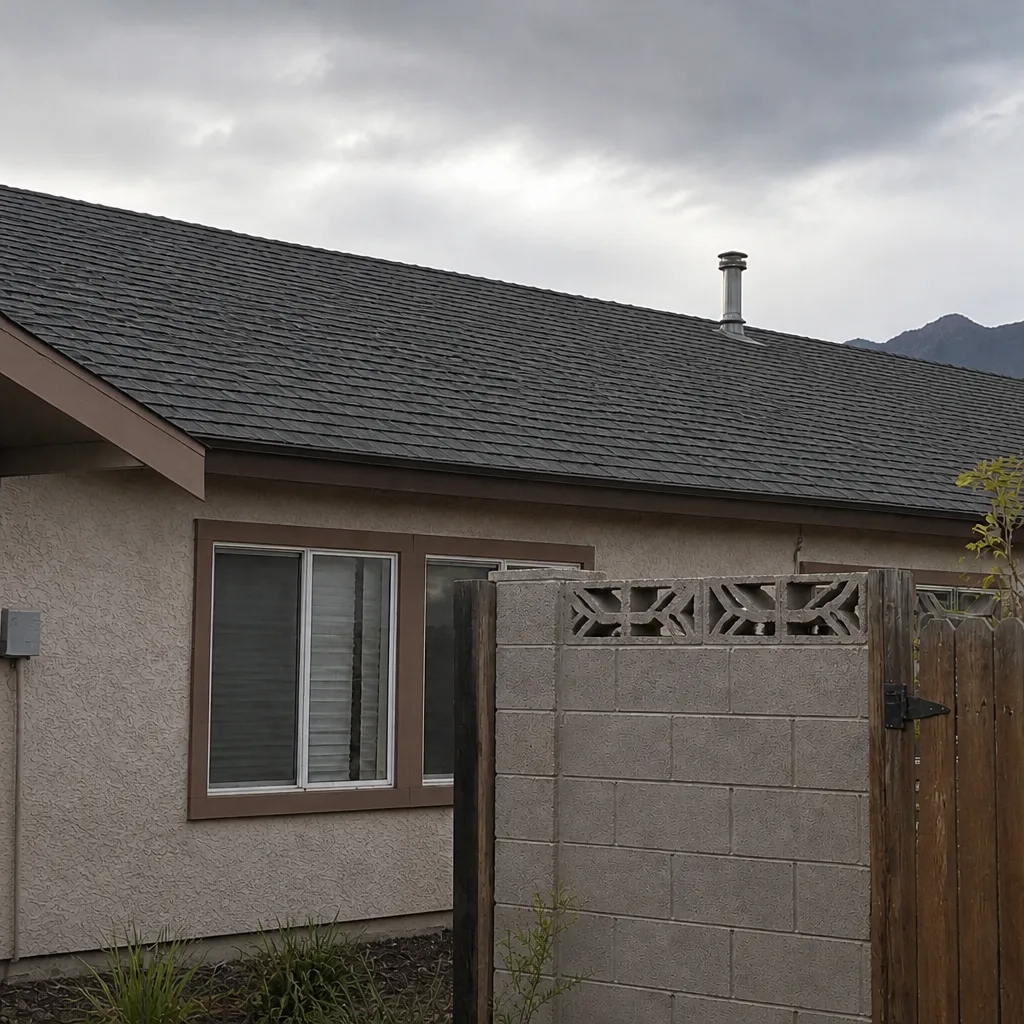 After
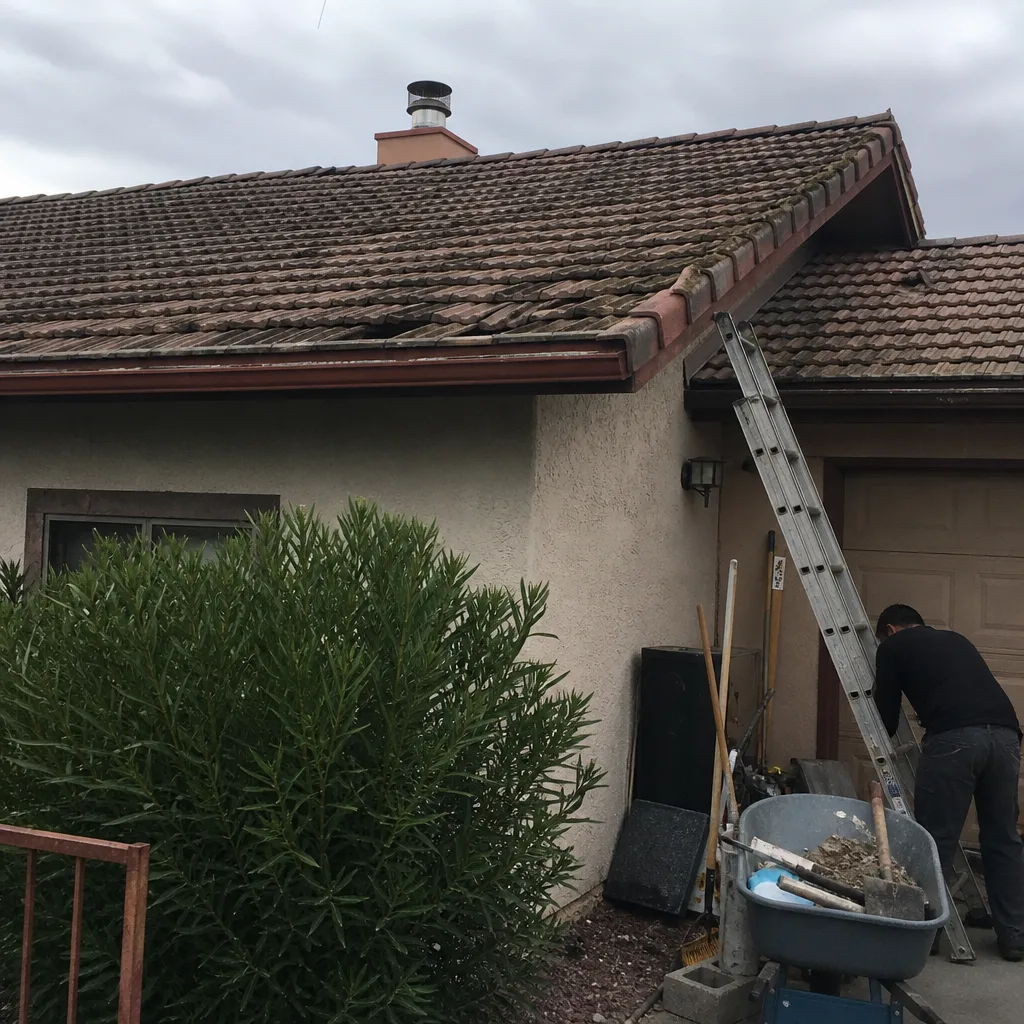 Before
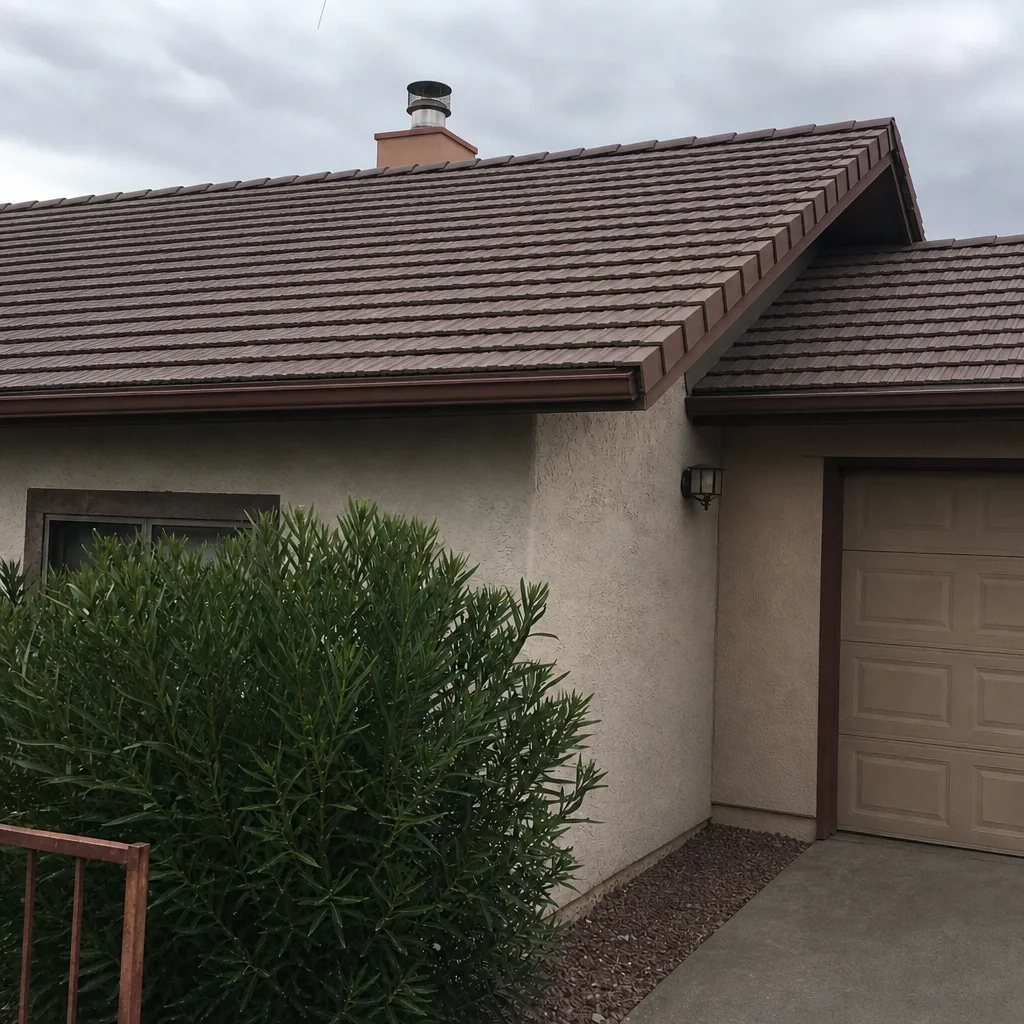 After
When to Call a Professional
Some roof issues are fine to keep an eye on. Others aren’t. Call a professional when you see missing or lifted shingles after a wind event, granules collecting in your gutters or at the bottom of downspouts, water stains on a ceiling or along a wall, daylight showing through the deck in the attic, sagging, or any leak you can’t trace to a single obvious source. Don’t climb a steep or unfamiliar roof to check for yourself. A fall is a bigger problem than a leak, and a trained roofer sees the flashing and deck condition in a few minutes. If your roof is at or near the end of its service life, a replacement evaluation is worth the call before a small leak becomes a deck repair. Shepherd & Sons Roofing Boulder City offers free estimates in Boulder City. Call (844) 761-8186 to schedule yours.
Frequently Asked Questions
Go to contractors.nv.gov and enter the license number the contractor provided. The page shows the license status, classification, bond and insurance on file, and any disciplinary history. Confirm the status is active and the classification covers the scope of your job before you sign anything. Call (844) 761-8186 for a free estimate and we’ll walk you through what to look up.
No more than 50 percent, and 30 to 50 percent on signing is typical for a reputable local roofer. A contractor who demands the full amount before work starts is a risk, no matter what the price is. Call (844) 761-8186 for an upfront written estimate with a clear payment schedule.
A local roofer has a physical address you can drive to, a bonding carrier you can name, and recent Boulder City or Clark County permit pull numbers they can show you. A storm chaser has a rented truck, an out-of-state area code and no history of pulling permits here. Ask all three questions and the difference shows up fast. Call (844) 761-8186 to talk to a local roofer with a published address and license number.
It shouldn’t, and a written line-item estimate protects you from surprise change orders. Hidden damage under the shingles can be a legitimate reason for an adjustment, but it should be spelled out in writing before work continues. Get the terms in writing and confirm any change with the contractor before the crew proceeds. Call (844) 761-8186 for a fixed written quote on your job.
Roof replacement generally requires a permit, and a legitimate contractor will include pulling it in the written scope. Ask each bidder who pulls the permit, who pays for it, and who schedules the inspection. A bidder who doesn’t mention the permit is a bidder who isn’t planning to pull one. Call (844) 761-8186 for a free estimate that covers permit responsibility up front.
A typical asphalt shingle replacement takes a few days for an average single-family home, weather permitting, with larger or more complex roofs taking longer. Metal and tile work usually take longer than asphalt. Get a written start date and completion estimate from every bidder and confirm how weather delays are handled. Call (844) 761-8186 to schedule a free estimate and talk through timing.
The Bottom Line
Hiring a roofer in Boulder City comes down to verification. Look up the license on contractors.nv.gov, confirm a real physical address and bonding carrier, ask for the last permit pull number, and demand a written estimate with line items, named materials and a payment schedule that keeps more than half the money in your hands until the job passes inspection. Storm chasers count on homeowners skipping those steps after a hail event. Do them, and the choice gets simple: you’re looking for the roofer your neighbor can point to with a name on the truck that matches the name on the license.
If you’re ready to get a written estimate or a free second opinion on any bid, call Shepherd & Sons Roofing Boulder City at (844) 761-8186. Start with the Shepherd & Sons Roofing Boulder City home page to see the full range of work, and ask about the current standing offers: $40 off any repair over $200, no trip charge inside our own county, and a senior and veteran discount. Roof repair and roof replacement both start with a free estimate and a written scope.
Written by the team at Shepherd & Sons Roofing Boulder City.